

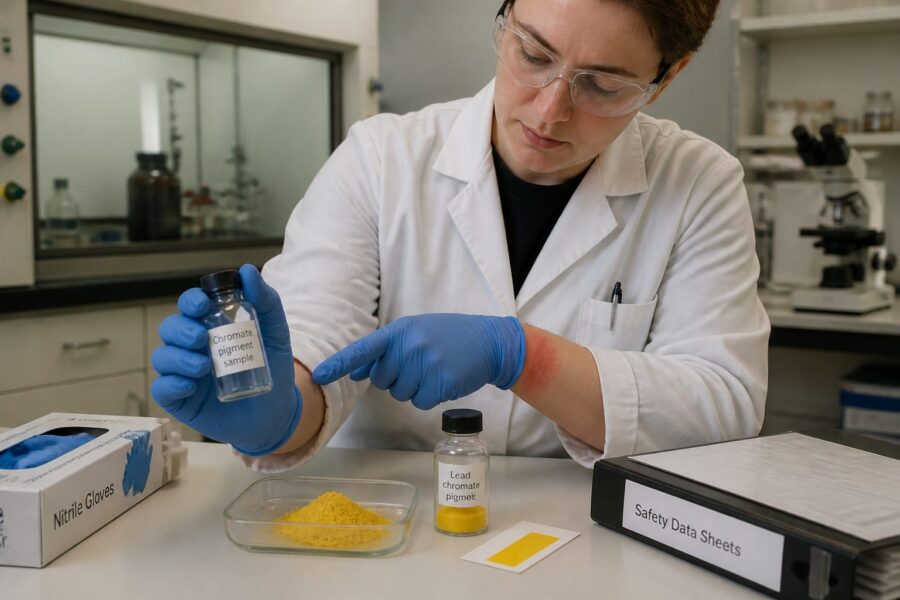
Occupational skin diseases are a significant concern for conservation workers, particularly due to chromate sensitization, which is a serious issue that can lead to long-term health effects. This condition arises from exposure to chromate compounds, which are commonly found in historical pigments, leading to allergic dermatitis that can be both painful and debilitating.
Understanding the underlying mechanisms and risks associated with chromate sensitization is essential for effective prevention and management strategies in the workplace. This article will explore various aspects of chromate exposure, including its health implications, common sources, and regulatory standards that aim to protect workers from these harmful substances.
By delving into the relationship between hexavalent and trivalent chromium, as well as identifying common sources of sensitization, we aim to raise awareness among conservation professionals about the risks they face. This knowledge can help mitigate risks and safeguard the health of those working with historical pigments, ensuring a safer working environment for everyone involved in conservation efforts.
Chromate Sensitization as a Leading Cause of Occupational Skin Disease
Chromate sensitization is increasingly recognized as a leading cause of occupational skin diseases among conservation workers, a reality that cannot be overlooked in the conservation field. The exposure to chromate-containing pigments and materials can trigger allergic reactions, significantly impacting workers’ overall health and well-being.
The development of allergic dermatitis from chromate sensitization can lead to chronic skin problems, significantly impacting the quality of life for those affected. Conservation professionals must be vigilant in recognizing symptoms early and implementing protective measures to avoid serious health complications.
Preventive strategies are essential to minimize the risks associated with chromate exposure, and they should be a priority in all conservation settings. These strategies include proper training on the dangers of chromate, the use of personal protective equipment, and regular medical check-ups for early detection of any potential health issues.
In addition, understanding the various sources of chromate exposure can help in developing safer practices within conservation contexts. With heightened awareness of these risks, conservation workers can better protect themselves from the harmful effects that chromate can have on their health.
Efforts to reduce chromate sensitization will ultimately lead to healthier workplaces, benefiting both the workers and the preservation of invaluable historical artifacts. This proactive approach to health and safety is essential for the long-term sustainability of conservation practices.
Hexavalent vs. Trivalent Chromium: Why Valence State Determines Risk
The valence state of chromium significantly influences its potential to cause sensitization and allergic reactions, which is crucial knowledge for conservation workers. Hexavalent chromium, known for its toxicity and harmful effects, is primarily responsible for skin sensitization, while trivalent chromium is considered to be less harmful and poses a lower risk.
Hexavalent chromium compounds are often used in various industrial applications, including in some conservation practices, and can easily penetrate the skin barrier, making them a major concern for conservation workers who handle chromate pigments regularly. This characteristic makes it imperative for these professionals to be aware of the risks associated with their exposure to these compounds.
Conversely, trivalent chromium is less soluble and has a lower capacity for skin sensitization, which underscores the importance of understanding these differences in assessing exposure risks. Having this knowledge is crucial for implementing effective protective measures and ensuring the safety of conservation practices.
Workers should be educated on the risks associated with hexavalent chromium exposure through various media, such as training sessions and informational resources. Increased awareness can lead to more conscientious handling of materials containing chromate pigments, ultimately ensuring a safer work environment.
By distinguishing between hexavalent and trivalent chromium, conservation professionals can better evaluate their exposure risks and make informed decisions about their safety practices. This knowledge empowers them to adopt safer work habits and prioritize their health in the workplace.
Mechanisms of Delayed-Type Hypersensitivity to Chromate Compounds
Delayed-type hypersensitivity to chromate compounds is primarily mediated by T-cells, which react to chromate as a foreign antigen, resulting in an immune response that leads to inflammation and dermatitis upon subsequent exposures. This immune reaction is what makes chromate sensitization particularly concerning for conservation workers who may encounter these compounds repeatedly in their line of work.
Upon initial exposure, chromate compounds can modify proteins in the skin, which leads to sensitization and sets the stage for future allergic reactions when the sensitized individual encounters chromate again. Understanding this process is critical for conservation workers, as it highlights the importance of minimizing initial exposure to these harmful compounds.
| Mechanism | Process | Outcome |
|---|---|---|
| Initial Exposure | Chromate modifies skin proteins | Immune sensitization |
| Subsequent Exposure | T-cell activation occurs | Inflammation and dermatitis |
| Clinical Symptoms | Rash and itching manifest | Allergic dermatitis |
| Treatment | Removal from exposure | Symptom management |
This cycle of sensitization and reaction is critical for conservation workers to understand, as early recognition of symptoms can lead to prompt intervention and effective management of chromate-induced dermatitis. By being aware of these mechanisms, workers can take proactive steps to protect themselves from potential health risks.
Clinical Presentation of Chromate Dermatitis in Conservation Workers
Chromate dermatitis typically presents as a red, itchy rash that can develop into blisters and weeping lesions, which can be both uncomfortable and distressing for those affected. The clinical manifestation of this condition can vary depending on the individual’s sensitivity to chromate and the extent of their exposure to these compounds.
Lesions may appear on areas of direct contact with chromate-containing materials, such as hands, forearms, and other exposed skin surfaces. In severe cases, persistent dermatitis can lead to secondary infections and scarring, further complicating the health of workers and potentially affecting their ability to perform their work effectively.
It is essential that workers are educated on recognizing the early signs of chromate dermatitis, as early intervention can prevent the progression of the condition and minimize discomfort. By being equipped with the right knowledge, conservation professionals can seek medical assistance promptly and avoid further complications.
Regular health screenings for conservation workers can aid in the early diagnosis and treatment of chromate-related skin issues, ensuring that any potential health risks are addressed as soon as possible. These screenings should include thorough assessments for allergic reactions and sensitization to chromate compounds, allowing for timely intervention when necessary.
A comprehensive understanding of the clinical presentation of chromate dermatitis is essential for effective management and treatment of affected workers. Proper training ensures that conservation workers know when to seek medical assistance and how to advocate for their health in the workplace.
Patch Testing: Diagnosis and Interpretation in an Occupational Context
Patch testing is a vital tool in diagnosing chromate sensitization among conservation workers, as it helps identify specific allergens responsible for dermatitis. This method confirms a diagnosis of allergic contact dermatitis and assists in developing appropriate management plans for affected individuals.
During patch testing, small amounts of chromate are applied to the skin to observe any allergic reactions that may occur, providing critical information about individual sensitivities. The interpretation of results must consider the occupational context of the individual being tested, as exposure levels and work practices can differ significantly among workers.
Interpreting patch test results in conservation settings requires expertise, as exposure levels can vary widely based on the type of work performed. Collaboration between dermatologists and occupational health professionals can enhance diagnostic accuracy, ensuring that workers receive appropriate guidance and support.
Understanding the implications of positive patch test results is crucial for affected workers, as this knowledge can guide them in modifying their work practices to avoid further exposure to chromate. Increased awareness helps workers take proactive steps to protect their health and well-being in the workplace.
Regular patch testing can also serve as a preventive measure, identifying at-risk individuals before dermatitis develops and allowing for early interventions. This proactive approach can foster a safer working environment in conservation settings, ultimately benefiting both workers and the preservation of historical artifacts.
Which Historical Pigments Contain Sensitizing Levels of Chromate
Several historical pigments are known to contain sensitizing levels of chromate, which poses significant risks to conservation workers who handle these materials. Understanding which pigments carry these risks is essential for effective management and safety protocols in conservation practices.
Common pigments that may contain chromate include Chrome Yellow, Chrome Green, Lead Chromate, Cadmium Chromate, and Potassium Chromate, all of which are prevalent in various historical applications. Awareness of these specific pigments enables conservation workers to take necessary precautions and incorporate safety measures into their daily routines.
Identifying and labeling these pigments in the workplace is crucial for ensuring safety and preventing accidental exposure. This practice helps workers avoid situations that could lead to sensitization, ultimately promoting a healthier work environment.
Glove Selection: Permeation Rates of Chromate Through Common Materials
Choosing the right gloves is vital for protecting conservation workers from chromate exposure, as different materials offer varying permeation rates for chromate. Understanding these differences is essential for selecting gloves that provide effective protection against skin contact with harmful substances.
Common glove materials include latex, nitrile, and vinyl, each with distinct properties that influence their effectiveness against chromate. Nitrile gloves tend to offer better protection against chromate permeation compared to latex and vinyl alternatives, making them a preferred choice for many professionals in the conservation field.
Understanding the permeation rates of different glove materials is essential for effective protection in conservation settings. Conservation professionals must select gloves that minimize the risk of chromate sensitization and ensure their safety while handling hazardous materials.
Regularly assessing glove integrity and replacing them when necessary can further enhance worker safety and reduce the risk of exposure to harmful chemicals. Training on proper glove usage and maintenance ensures that conservation workers are adequately protected from chromate sensitization.
Incorporating glove selection into safety protocols is vital for minimizing occupational risks and promoting a culture of health and safety among conservation professionals. This practice contributes to a healthier working environment for all individuals involved in conservation efforts, ultimately leading to better outcomes.
Barrier Creams and Their Limited Role in Chromate Sensitization Prevention
Barrier creams are often used as an additional protective measure against skin sensitization, but their effectiveness in preventing chromate sensitization is limited and should not be considered a substitute for proper protective gear. While barrier creams can provide a temporary shield against some substances, they do not eliminate the risk of chromate exposure and should be used in conjunction with other safety measures.
Conservation workers should rely more on gloves and other protective measures for robust protection against chromate sensitization. Education on the limitations of barrier creams is essential for conservation professionals, as this knowledge helps them make informed choices regarding their protective strategies.
Regular reviews of protective protocols can enhance safety practices within conservation settings, ensuring that workers are equipped with the best possible tools to protect their health. By emphasizing comprehensive protection strategies, workers can better safeguard their health and well-being while performing their duties.
Ultimately, barrier creams should complement, not replace, other protective measures in the fight against chromate sensitization. A multi-faceted approach to safety that includes proper training, awareness, and the use of appropriate protective equipment will yield the best outcomes for conservation workers.
Managing a Worker Already Sensitized: Job Modification and Medical Follow-Up
For workers already sensitized to chromate, job modification is crucial for preventing further exposure and ensuring their continued health and safety. Adjusting their responsibilities and work practices can minimize contact with chromate-containing materials, thereby reducing the risk of exacerbating their condition.
Medical follow-up is also essential for sensitized workers, as regular consultations with healthcare professionals can help monitor their condition and manage symptoms effectively. This ongoing medical support provides guidance on managing allergic dermatitis and helps ensure that workers receive the necessary care.
Providing education on the importance of reporting symptoms is vital for sensitized workers, as it empowers them to seek timely assistance when needed. This proactive approach can prevent complications and ensure better health outcomes for those who have already been affected by chromate sensitization.
Employers should foster an open dialogue about health concerns related to chromate sensitization, creating an environment where workers feel comfortable expressing their worries and seeking necessary accommodations. This supportive atmosphere encourages proactive health management and enhances overall workplace safety.
Implementing a robust management plan for sensitized workers not only protects their health but also enhances overall workplace safety for all employees. This commitment to worker well-being is essential in conservation settings, where the health of individuals directly impacts the preservation of vital cultural heritage.
Regulatory Chromate Standards and Their Adequacy for Conservation Settings
Regulatory standards for chromate exposure exist to protect workers, but their adequacy in conservation settings is often questioned and requires ongoing assessment. These standards must consider the specific risks faced by conservation professionals who handle historical pigments and materials containing chromate, which may not align with general occupational safety standards.
Current regulations may not fully address the nuances of chromate sensitization in the context of conservation work, leaving gaps in protection for workers. Continuous evaluation and updating of these standards are necessary to ensure that they adequately protect workers from the hazards associated with chromate exposure.
Advocating for stricter regulations and better enforcement can help mitigate risks associated with chromate exposure, thereby protecting conservation workers from potential health issues. Collaboration between industry stakeholders, regulatory agencies, and health professionals can lead to improved practices and safer work environments.
Education and training about compliance with chromate regulations are essential for conservation workers, enabling them to understand their rights and responsibilities regarding their health and safety in the workplace. This knowledge empowers workers to advocate for their safety and well-being, fostering a culture of health in the conservation field.
A comprehensive approach to regulatory standards will enhance the protection of conservation workers against chromate sensitization, ensuring their health and safety are prioritized. By prioritizing safety and well-being, we can create a healthier future for all individuals involved in the vital field of conservation.


