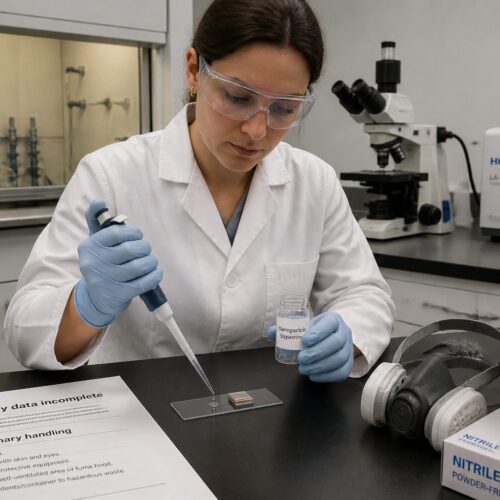


Cadmium pigments, known for their vibrant hues, continue to be utilized in various applications despite the well-documented health risks associated with cadmium exposure, which have been a cause for concern among health professionals and environmentalists for decades. This paradox raises questions about their necessity in fields like art conservation, where preserving color fidelity is often paramount, and highlights the ongoing debate between artistic expression and public health safety.
The allure of cadmium red and yellow shades lies in their permanence and opacity, making them favorites among conservators and artists alike, as they provide colors that do not fade or change over time. However, the safety of these materials is increasingly scrutinized as knowledge about their toxicity evolves, prompting many to reconsider their usage in light of potential health risks.
Understanding the impact of cadmium on human health is essential for anyone working in environments where these pigments are present, as exposure can lead to serious health issues, including kidney damage and respiratory problems. This article delves into the reasons behind the continued use of cadmium pigments, their toxicity, and the safety measures needed to protect conservators and artists, ensuring that both artistic integrity and health safety are addressed.
Why Cadmium Pigments Remain in Use Despite Known Toxicity
Despite the awareness of cadmium’s toxicity, cadmium pigments are still favored for their unique properties, such as their vibrant palette and unmatched performance in specific applications. Their exceptional lightfastness and vibrant colors make them irreplaceable in many artistic applications, leading artists and conservators to continue their use despite the inherent risks.
Additionally, the production of alternative pigments that replicate cadmium’s qualities often falls short in performance, leading to dissatisfaction among users who rely on the reliability of cadmium-based colors. This reality can lead conservators to choose cadmium pigments, prioritizing aesthetic outcomes over health risks, which creates a dilemma that challenges the conservation community.
Furthermore, the economic factors associated with sourcing and using cadmium pigments cannot be overlooked, as many artists and conservators may find it more cost-effective to continue using established cadmium options rather than invest in new alternatives that may not meet their needs. This financial consideration can heavily influence decision-making in the arts, especially in a field where budgets are often tight and the cost of materials can be prohibitive.
In some cases, regulatory frameworks have not kept pace with scientific understanding, allowing cadmium pigments to remain in use, which can lead to a dangerous complacency in the conservation community. This discrepancy can create a false sense of security, as users may underestimate the risks associated with these materials, believing that existing regulations are sufficient to protect their health.
Ultimately, the balance between artistic tradition and health safety remains a critical discussion in the conservation community, as the choice of materials directly impacts both the preservation of art and the health of those who work with these materials. As awareness grows about the dangers associated with cadmium exposure, the challenge will be to mitigate this exposure while respecting the integrity of historical artworks and the artistic choices of creators.
Cadmium Nephrotoxicity: The Kidney as the Critical Target Organ
The kidneys are particularly vulnerable to cadmium toxicity, as this heavy metal accumulates within renal tissues over time, leading to potentially devastating health outcomes for those exposed. Prolonged exposure can lead to severe nephrotoxicity, resulting in impaired kidney function and potential long-term health consequences that may not be immediately apparent.
Cadmium can disrupt various cellular processes, leading to oxidative stress and inflammation within the kidneys, which can exacerbate existing health conditions or lead to new complications. This damage may manifest as proteinuria and decreased glomerular filtration rate, indicating significant renal impairment that could necessitate medical intervention.
Early detection of cadmium-related kidney damage is crucial for preventing irreversible health effects, making regular monitoring essential for individuals working with these pigments. Regular monitoring and adherence to safety protocols are essential for those working with cadmium pigments, allowing for timely intervention and management of potential health risks.
Understanding the nephrotoxic effects of cadmium emphasizes the need for improved safety practices in conservation, as awareness and education can drastically reduce exposure risks. Educating conservators about these risks can foster a culture of compliance and health awareness, ensuring that safety becomes a priority in all conservation efforts.
By prioritizing kidney health and implementing appropriate safety measures, conservators can ensure their long-term well-being while preserving cultural heritage for future generations. This proactive approach contributes to safer working environments and better health outcomes for all involved, reinforcing the importance of health and safety in the arts.
Current Occupational Exposure Limits for Cadmium Across Key Regions
Occupational exposure limits (OELs) for cadmium vary significantly across different regions, reflecting diverse regulatory approaches and levels of concern regarding health impacts. In the United States, the Occupational Safety and Health Administration (OSHA) has established a permissible exposure limit (PEL) of 5 µg/m³ for cadmium in the workplace, which serves as a baseline for safety practices.
| Region | Exposure Limit (µg/m³) | Regulatory Body |
|---|---|---|
| United States | 5 | OSHA |
| European Union | 4 | EU Directive |
| Canada | 2 | Canadian Centre for Occupational Health and Safety |
| Australia | 0.1 | Safe Work Australia |
In contrast, the European Union mandates a lower exposure limit of 4 µg/m³, reflecting heightened concerns over cadmium’s health impacts and the need for stricter safety measures. Canada and Australia have set even stricter guidance, underscoring the importance of a global approach to cadmium safety that prioritizes worker health and environmental protection.
Understanding these cadmium exposure limits is crucial for conservators who work with these pigments regularly, as compliance with these regulations is necessary for ensuring a safe working environment. Staying informed about regulatory changes is essential for maintaining compliance and ensuring workplace safety, which can ultimately protect not only individual health but also the integrity of the artworks being conserved.
Routes of Exposure in Conservation: Inhalation, Ingestion, and Dermal
In conservation, the primary routes of cadmium exposure include inhalation, ingestion, and dermal contact, each presenting unique risks to health and safety. It is essential for conservators to understand how exposure can occur through these routes to implement effective safety measures and reduce risks.
Inhalation is a significant concern, particularly when working with dry pigments that can become airborne, creating a hazardous environment for those involved in the conservation process. Ingestion may occur inadvertently, such as through hand-to-mouth contact, while dermal exposure can happen when pigments come into contact with skin, underscoring the need for comprehensive safety protocols.
All routes of exposure can lead to harmful health effects, particularly with chronic exposure, which can have cumulative effects on the body over time. Therefore, implementing stringent safety measures is crucial for all conservation practices involving cadmium, ensuring that those working in this field remain protected from the risks associated with these pigments.
Proper ventilation, the use of personal protective equipment, and strict hygiene practices can help minimize exposure risks, creating a safer working environment for conservators. Understanding these routes is fundamental for maintaining a safe working environment, as it empowers individuals to take proactive steps in safeguarding their health and well-being.
Ultimately, awareness of exposure routes empowers conservators to take proactive steps in safeguarding their health, creating a foundation for safer practices in the field. This knowledge is vital for promoting a culture of compliance within conservation studios, ensuring that safety becomes an integral part of the workflow.
Biological Monitoring Tests: Urine Cadmium and Beta-2-Microglobulin
Biological monitoring is a crucial aspect of assessing cadmium exposure among conservators, serving as a proactive measure to protect health and well-being. Two key tests are commonly used: urine cadmium analysis and beta-2-microglobulin levels, both of which provide valuable insights into exposure and potential health risks.
- Urine cadmium analysis
- Beta-2-microglobulin levels
- Assessment of renal function
- Early detection of exposure
- Guidance for safety measures
Urine cadmium tests provide a direct measure of recent exposure, while beta-2-microglobulin levels can indicate early signs of kidney damage, making these tests essential for monitoring health in those working with cadmium. Regular monitoring helps conservators maintain awareness of their health status and implement necessary protective measures to mitigate risks.
By integrating biological monitoring into safety protocols, studios can enhance their compliance with cadmium regulations and better protect the health of conservators. This proactive approach not only protects individual conservators but also promotes overall workplace safety, fostering a culture of health awareness in the conservation community.
Interpreting Biological Exposure Indices for Cadmium in Workers
Interpreting biological exposure indices is vital for understanding the health implications of cadmium exposure in conservators, as these indices provide benchmarks for evaluating individual exposure levels and potential health risks. For instance, elevated urine cadmium levels suggest increased exposure and may warrant further investigation, highlighting the need for vigilance in monitoring health status.
Understanding these indices empowers conservators to take informed actions to protect their health, leading to more effective safety practices in conservation studios. Regular training on interpreting these biological monitoring results is essential for conservators, ensuring that they are equipped to make timely decisions regarding their health and safety.
Providing clear guidelines for interpreting biological data fosters a culture of safety and accountability, enhancing the overall health and safety of conservation studios. This knowledge ultimately enhances the overall health and safety of conservation studios, creating an environment where health and safety are prioritized.
With ongoing education and monitoring, conservators can ensure compliance with cadmium exposure limits while prioritizing their health, creating a safer workplace for everyone involved. This proactive stance is critical for sustainable practices in the field of art conservation, as it ensures that both art and artist are protected.
Engineering Controls Required When Working Regularly With Cadmium Pigments
Implementing effective engineering controls is crucial for minimizing cadmium exposure in conservation studios, as these controls can significantly reduce airborne concentrations of cadmium and protect the health of conservators. These controls can include ventilation systems, fume hoods, and local exhaust ventilation, which are vital components of a safe studio environment.
Properly designed systems can help ensure that any cadmium particles are effectively captured and filtered, preventing them from entering the breathing zone of workers. Regular maintenance of ventilation systems is essential to ensure their effectiveness, as inadequate maintenance can compromise safety and allow harmful cadmium particles to accumulate in the workspace.
Additionally, the use of closed systems for mixing and handling cadmium pigments can further mitigate exposure, ensuring that the risk of inhalation or dermal contact is minimized. Engineering controls should always be tailored to the specific needs of the studio environment, taking into account the unique challenges posed by cadmium pigments.
By prioritizing engineering controls, conservators can create a safer working environment while continuing to utilize cadmium pigments, striking a balance between artistic tradition and health safety. This commitment to safety is essential for long-term health in the conservation field, ensuring that the artists and conservators can work without fear of harm.
Medical Surveillance Program Design for Cadmium-Exposed Conservators
Designing an effective medical surveillance program is essential for monitoring the health of conservators exposed to cadmium, as such programs can identify potential health issues before they become serious concerns. Such a program should include regular health assessments and biological monitoring to detect early signs of toxicity, allowing for timely intervention.
Surveillance programs should also incorporate educational components to inform conservators about potential risks associated with cadmium exposure, enhancing their understanding and awareness of the dangers they may face. This knowledge empowers workers to take proactive measures for their health, fostering a culture of safety within the conservation community.
In addition to regular health assessments, access to medical resources and counseling can further support conservators, providing them with the tools they need to manage their health effectively. Providing guidance on safety practices fosters a culture of compliance in the studio, ensuring that health and safety protocols are followed consistently.
Collaboration with occupational health professionals can enhance the effectiveness of the surveillance program, as their expertise can help tailor the program to address the specific needs of conservators. Tailoring the program to the specific needs of conservators ensures comprehensive health monitoring, making it relevant and effective in addressing the unique challenges faced by those working in the field.
A robust medical surveillance program not only protects individual health but also contributes to a safer working environment for all, reinforcing the importance of health and safety in conservation practices. This holistic approach is essential for the sustainability of conservation practices, ensuring that both the art and those who preserve it are safeguarded against harm.
Substitution Arguments: When Is Switching Away From Cadmium Feasible
The feasibility of switching away from cadmium pigments hinges on several factors, including the availability of alternatives and specific project requirements that may call for the use of traditional pigments. In some cases, the unique properties of cadmium may be difficult to replicate with substitute materials, creating a challenge for conservators who wish to maintain the integrity of their work.
However, advances in pigment technology are creating viable alternatives that can match or even exceed cadmium’s performance, providing promising options for those looking to reduce health risks. Conservators must evaluate these options based on safety, efficacy, and cost-effectiveness, ensuring that they make informed decisions regarding the materials they use.
Understanding the limitations and benefits of available alternatives is crucial for making informed decisions, as this knowledge can guide the transition towards safer materials without compromising artistic integrity. This evaluation can drive the transition towards safer materials without compromising artistic integrity, ultimately benefiting both the artists and the environment.
Collaboration among conservators, scientists, and suppliers can facilitate the development of effective substitutes, fostering innovation in the field of art conservation. Engaging in this dialogue is essential for advancing safety in the conservation community, as it encourages the sharing of knowledge and resources to find the best solutions.
Ultimately, the decision to switch away from cadmium should be guided by a thorough assessment of both health risks and artistic needs, balancing the desire for safety with the need to preserve the quality of artwork. This balanced approach can lead to safer practices in the preservation of cultural heritage, ensuring that the mission of conservation remains intact while protecting the health of those involved.
Documentation and Compliance Records Required Under Cadmium Regulations
Maintaining thorough documentation and compliance records is essential for any studio working with cadmium pigments, as these records serve as a foundation for safety protocols and regulatory adherence. These records ensure adherence to safety regulations and demonstrate a commitment to protecting worker health, fostering accountability within the studio environment.
Documentation should include exposure assessments, monitoring results, and training records related to cadmium safety, creating a comprehensive archive that can be referenced when necessary. This comprehensive approach fosters accountability and supports compliance with cadmium exposure limits, ensuring that all safety measures are met and maintained.
Regular audits of compliance records can help identify areas for improvement in safety practices, allowing studios to adapt and enhance their protocols as needed. This proactive approach emphasizes the importance of continual evaluation in maintaining a safe working environment, ensuring that any deficiencies are addressed promptly.
Moreover, engaging with regulatory bodies can provide valuable insights into best practices for documentation, enhancing the studio’s understanding of compliance requirements. Staying updated on regulatory changes is crucial for ensuring ongoing compliance, which can have significant implications for the health and safety of everyone in the studio.
Ultimately, effective documentation not only safeguards individual health but also contributes to a culture of safety within the conservation community, emphasizing the importance of transparency and accountability. This commitment to compliance is essential for the sustainable use of cadmium pigments, ensuring that both the art and the artists are protected in the long term.