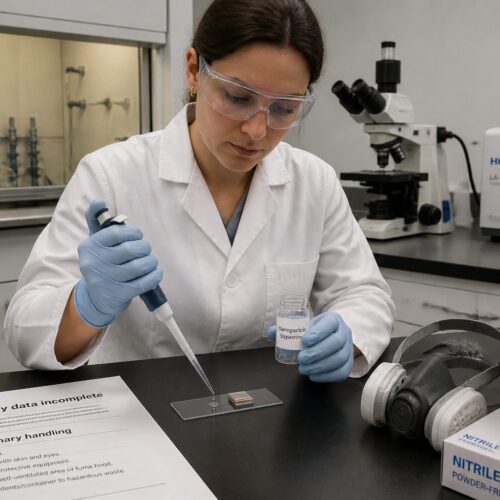


The conservation of historical artifacts often necessitates the use of cleaning treatments that can inadvertently expose conservators to toxic substances that pose serious health risks. Understanding the dual toxicity exposure scenario introduced by these cleaning treatments is crucial for ensuring both the safety of the conservator and the integrity of the artifacts being preserved and maintained.
When conservators employ solvent-based cleaning agents, they may not only be dealing with the solvents themselves, which can be hazardous, but also with the pigments that are present on the artifacts. This combination can lead to unique health risks that require careful consideration and management during conservation efforts to ensure the well-being of the conservators and the preservation of the artifacts.
In this article, we will explore how solvents interact with historical pigments, the health risks associated with these interactions, and best practices for safe conservation cleaning. By understanding the complex relationship between solvents and pigments, we can enhance both the safety and effectiveness of conservation treatments, ultimately leading to better care for valuable cultural heritage.
Why Cleaning Treatments Introduce a Dual Toxicity Exposure Scenario
Cleaning treatments used in the conservation of artifacts often introduce two sources of toxicity that can compound health risks for conservators. The solvents employed can have toxic properties that result in health hazards, while the pigments present on the artifacts may also release harmful substances during the cleaning process, creating a dual exposure scenario.
This dual exposure scenario complicates safety protocols, as conservators must consider both the chemical makeup of the solvents and the potential toxicity of the pigments they are working with. Understanding how these elements interact is essential for minimizing health risks and ensuring that conservators can safely perform their important work.
Moreover, many historical pigments contain heavy metals or organic compounds that can pose additional risks to health and safety. When combined with cleaning solvents, these pigments can enhance dermal absorption of toxic agents, leading to increased exposure and potential health complications for conservators.
As conservators work to preserve valuable artifacts, the health implications of these cleaning treatments must be addressed with great care and attention. A comprehensive understanding of the dual toxicity exposure scenario is vital for developing effective safety measures that protect both the conservators and the artifacts they are preserving.
In summary, the complexity of dual toxicity exposure necessitates a thorough examination of both solvents and pigments used in conservation practices. By recognizing these risks, conservators can take proactive action to protect themselves and the artifacts they are preserving, ultimately leading to safer conservation practices and better outcomes.
How Solvents Enhance Dermal Absorption of Co-Present Pigment Particles
Solvents not only serve as cleaning agents but also significantly enhance the dermal absorption of co-present pigment particles found on historical artifacts. This means that when conservators handle these artifacts, they may unknowingly increase their exposure to toxic substances, which can have serious health implications over time.
The mechanism by which solvents promote absorption is primarily through their ability to disrupt the skin barrier, which is a natural protective layer of the skin. This disruption can facilitate the entry of hazardous pigments into the body, compounding the health risks associated with conservation cleaning and increasing the potential for toxic effects.
Furthermore, the type of solvent used can influence the degree of absorption, as different solvents have varying levels of efficacy in penetrating the skin. Organic solvents, in particular, are known for their ability to penetrate the skin more effectively than water-based solutions, raising critical safety concerns for conservators who frequently handle these materials.
Understanding how solvents and pigments interact is essential for developing effective protective measures that can mitigate these risks. By being aware of the specific interactions between solvents and pigments, conservators can make informed choices that minimize their exposure to harmful substances.
To mitigate these risks, it is crucial for conservators to be aware of the types of solvents they are using and their potential effects on health. By selecting appropriate cleaning agents that are less likely to enhance dermal absorption of toxic pigments, they can significantly reduce the potential for adverse health effects associated with their conservation work.
Most Commonly Used Cleaning Solvents and Their Own Toxicity Profiles
Various cleaning solvents are commonly employed in conservation practices, each with its own toxicity profile that must be understood by conservators. Understanding these profiles is essential for assessing the health risks associated with the use of these solvents during conservation tasks.
Some of the most frequently used solvents include acetone, ethanol, and toluene, each of which poses unique health risks that conservators must be aware of while performing their cleaning tasks. By familiarizing themselves with the toxicity profiles of these solvents, conservators can better prepare and protect themselves against potential health hazards.
| Solvent | Toxicity Profile | Common Uses |
|---|---|---|
| Acetone | Moderate toxicity; can cause skin irritation and respiratory issues | Degreasing, paint removal, and cleaning surfaces |
| Ethanol | Low to moderate toxicity; can cause dizziness and headaches | General cleaning, solvent for pigments, and disinfection |
| Toluene | High toxicity; neurotoxic effects and potential reproductive harm | Paint thinner, adhesive removal, and industrial cleaning |
In addition to the toxicity profiles, the physical properties of the solvent can also affect their handling and safety during conservation practices. A proper understanding of these solvents is vital for conservators to implement effective safety protocols that minimize exposure and protect their health.
By being aware of the toxicity associated with commonly used solvents, conservators can take proactive steps to minimize their risk during cleaning procedures. This awareness is a key component of maintaining a safe working environment that promotes the health and well-being of all conservators involved in the preservation of cultural heritage.
Specific Pigment-Solvent Combinations That Elevate Risk
Certain pigment-solvent combinations can significantly elevate health risks for conservators working with historical artifacts. When specific pigments are cleaned with particular solvents, the resultant toxicity can be exacerbated, leading to increased exposure and potential harm.
For instance, historical pigments containing lead can release toxic lead particles when combined with strong organic solvents during the cleaning process. This interaction poses a serious health risk, emphasizing the need for careful consideration when selecting cleaning agents and ensuring that safety protocols are strictly followed.
Additionally, pigments that contain organic compounds can react with certain solvents, leading to the formation of harmful byproducts that can further increase the health risks associated with cleaning processes. These byproducts may not only pose risks to the conservators but could also adversely affect the artifacts being cleaned.
Therefore, it is crucial for conservators to conduct thorough assessments of pigment-solvent interactions before commencing any cleaning procedures. By understanding these specific combinations and their potential risks, they can implement safer cleaning practices that protect both their health and the integrity of the artifacts.
In summary, identifying high-risk pigment-solvent combinations is essential for preserving both the artifacts and the health of conservators. Attention to these details can significantly reduce the likelihood of adverse health effects and contribute to the overall success of conservation efforts.
Research on Combined Exposures vs. Single-Agent Safety Data
Research indicates that combined exposures to multiple agents can have synergistic effects that are not evident when considering single-agent safety data alone. These interactions can lead to greater toxicity than expected from individual substances, making it crucial for conservators to be aware of the cumulative effects of their chemical exposure.
In the context of conservation cleaning, this means that conservators must be vigilant about the cumulative effects of their chemical exposure over time. Understanding these combined exposures is crucial for developing effective safety guidelines that protect the health and safety of conservators while they perform their cleaning tasks.
Studies have shown that the health impact of combined exposure can vary significantly based on the specific substances involved, highlighting the complexity of assessing risk in conservation practices. Therefore, relying solely on data for single agents may not provide a complete picture of the risks conservators face in their daily work.
Furthermore, the variability in individual responses to chemical exposure complicates the assessment of safety and the potential health outcomes for conservators. This highlights the need for ongoing research into the effects of combined exposures in conservation practices to develop comprehensive safety protocols.
As conservators work with various solvents and pigments, they should consider the potential for enhanced toxicity due to combined exposures. Awareness of the limitations of single-agent safety data is essential for fostering a safer conservation environment and ensuring the protection of conservator health.
Skin Barrier Disruption From Repeated Solvent Contact
Repeated contact with cleaning solvents can lead to significant skin barrier disruption, which is a serious concern for conservators. This disruption increases the risk of dermal absorption of toxic pigments and solvents used in conservation, potentially leading to harmful health effects over time.
To ensure a safe working environment, conservators should work in well-ventilated areas, utilizing fume hoods or exhaust systems when necessary to effectively remove harmful vapors. Implementing these measures will help reduce the concentration of airborne toxins and create a safer atmosphere for conservators as they perform their cleaning tasks.
Additionally, regular monitoring of air quality can provide valuable insights into the effectiveness of ventilation systems and identify potential hazards before they escalate. This proactive approach can help conservators take preventive measures to protect their health and well-being while working with solvents and pigments.
Moreover, establishing clear ventilation protocols can further enhance safety during cleaning operations and ensure that all personnel are aware of the best practices to minimize exposure. By prioritizing air quality, conservators can significantly reduce the risk of inhalation of harmful substances, thereby promoting a healthier work environment.
In conclusion, adequate ventilation is a fundamental aspect of safe conservation practices that should not be overlooked. Ensuring proper air circulation during wet cleaning is essential for protecting the health of conservators and enabling them to perform their crucial work without compromising their safety.
Tracking Cumulative Exposure in Conservators Who Perform Frequent Cleanings
Tracking cumulative exposure is essential for conservators who perform frequent cleanings, as it allows for better understanding of potential health risks associated with their work. Monitoring exposure levels can help identify trends that may indicate potential health risks over time, thereby enhancing the safety of conservation practices.
By implementing exposure tracking systems, conservators can gain insights into their chemical interactions and adjust their practices accordingly to mitigate risks. This proactive approach can significantly enhance safety in conservation practices and promote a culture of awareness regarding chemical exposure.
Regular health assessments can also play a critical role in identifying any adverse effects from cumulative exposure to solvents and pigments. These assessments can guide conservators in making informed decisions about their cleaning practices and help them take necessary precautions to protect their health.
Furthermore, sharing exposure data within the conservation community can foster a culture of safety and awareness, encouraging collaboration and the development of best practices. This collaborative approach can lead to improved practices and better outcomes for everyone involved in the conservation field.
In summary, tracking cumulative exposure is vital for ensuring the long-term health of conservators who work with potentially hazardous materials. By prioritizing this practice, the conservation field can enhance safety and promote healthier work environments, ultimately leading to better preservation outcomes for the artifacts being cared for.
For example, water-based solvent systems can offer a safer alternative to traditional organic solvents, providing effective cleaning solutions that minimize health risks. These systems often maintain cleaning efficacy while reducing the toxic exposure that can occur during the conservation process.
Additionally, utilizing biodegradable solvents can further enhance safety in conservation practices, as these alternatives not only reduce toxicity but also align with environmentally friendly practices that benefit the broader community. By making informed choices about the solvents used, conservators can contribute to a healthier work environment as well as sustainable conservation efforts.
Conservators should continually seek out innovative cleaning solutions that prioritize health and safety, fostering a culture of awareness and best practices in the field. By adopting safer alternatives, they can create a more protective working environment that supports the health and longevity of the conservators themselves.
In summary, identifying solvent systems with lower combined exposure risk is essential for ensuring the safety of conservators during their critical work. Emphasizing safe substitution can lead to a healthier workplace, better conservation outcomes, and ultimately greater protection for both the artifacts and the individuals who care for them.
Ventilation Requirements During Wet Cleaning of Pigmented Surfaces
Proper ventilation is critical during the wet cleaning of pigmented surfaces to mitigate health risks associated with solvent exposure. Inadequate ventilation can lead to the accumulation of harmful vapors, increasing the risk of inhalation and potential health complications for conservators in the workspace.
To ensure a safe working environment, conservators should work in well-ventilated areas, utilizing fume hoods or exhaust systems when necessary to effectively remove harmful vapors. Implementing these measures will help reduce the concentration of airborne toxins and create a safer atmosphere for conservators as they perform their cleaning tasks.
Additionally, regular monitoring of air quality can provide valuable insights into the effectiveness of ventilation systems and identify potential hazards before they escalate. This proactive approach can help conservators take preventive measures to protect their health and well-being while working with solvents and pigments.
Moreover, establishing clear ventilation protocols can further enhance safety during cleaning operations and ensure that all personnel are aware of the best practices to minimize exposure. By prioritizing air quality, conservators can significantly reduce the risk of inhalation of harmful substances, thereby promoting a healthier work environment.
In conclusion, adequate ventilation is a fundamental aspect of safe conservation practices that should not be overlooked. Ensuring proper air circulation during wet cleaning is essential for protecting the health of conservators and enabling them to perform their crucial work without compromising their safety.
Tracking Cumulative Exposure in Conservators Who Perform Frequent Cleanings
Tracking cumulative exposure is essential for conservators who perform frequent cleanings, as it allows for better understanding of potential health risks associated with their work. Monitoring exposure levels can help identify trends that may indicate potential health risks over time, thereby enhancing the safety of conservation practices.
By implementing exposure tracking systems, conservators can gain insights into their chemical interactions and adjust their practices accordingly to mitigate risks. This proactive approach can significantly enhance safety in conservation practices and promote a culture of awareness regarding chemical exposure.
Regular health assessments can also play a critical role in identifying any adverse effects from cumulative exposure to solvents and pigments. These assessments can guide conservators in making informed decisions about their cleaning practices and help them take necessary precautions to protect their health.
Furthermore, sharing exposure data within the conservation community can foster a culture of safety and awareness, encouraging collaboration and the development of best practices. This collaborative approach can lead to improved practices and better outcomes for everyone involved in the conservation field.
In summary, tracking cumulative exposure is vital for ensuring the long-term health of conservators who work with potentially hazardous materials. By prioritizing this practice, the conservation field can enhance safety and promote healthier work environments, ultimately leading to better preservation outcomes for the artifacts being cared for.
Glove compatibility with specific solvents can vary significantly based on the material used, which impacts their effectiveness in providing protection. Conservators must select gloves that provide adequate resistance to chemical penetration while still allowing for the necessary dexterity to perform their cleaning tasks effectively.
Latex gloves, for instance, may not provide sufficient protection against certain organic solvents, which can lead to skin exposure and health risks. Instead, nitrile or neoprene gloves are often recommended for enhanced safety during conservation cleaning, as they offer better chemical resistance and durability.
Furthermore, regularly inspecting gloves for signs of wear and damage is essential to maintain optimal protection while handling potentially hazardous materials. This practice ensures that conservators can effectively safeguard their health while performing cleaning tasks that require the use of solvents and pigments.
Ultimately, selecting appropriate gloves is a fundamental part of ensuring safety in conservation practices. By prioritizing glove compatibility and regularly assessing their condition, conservators can better protect themselves against solvent and pigment exposure, fostering a safer work environment.
Safe Substitution: Solvent Systems With Lower Combined Exposure Risk
Exploring safer solvent systems is key to reducing the combined exposure risk for conservators who frequently handle potentially hazardous cleaning agents. By selecting less toxic alternatives, conservators can protect their health while still effectively cleaning artifacts and preserving cultural heritage.
For example, water-based solvent systems can offer a safer alternative to traditional organic solvents, providing effective cleaning solutions that minimize health risks. These systems often maintain cleaning efficacy while reducing the toxic exposure that can occur during the conservation process.
Additionally, utilizing biodegradable solvents can further enhance safety in conservation practices, as these alternatives not only reduce toxicity but also align with environmentally friendly practices that benefit the broader community. By making informed choices about the solvents used, conservators can contribute to a healthier work environment as well as sustainable conservation efforts.
Conservators should continually seek out innovative cleaning solutions that prioritize health and safety, fostering a culture of awareness and best practices in the field. By adopting safer alternatives, they can create a more protective working environment that supports the health and longevity of the conservators themselves.
In summary, identifying solvent systems with lower combined exposure risk is essential for ensuring the safety of conservators during their critical work. Emphasizing safe substitution can lead to a healthier workplace, better conservation outcomes, and ultimately greater protection for both the artifacts and the individuals who care for them.
Ventilation Requirements During Wet Cleaning of Pigmented Surfaces
Proper ventilation is critical during the wet cleaning of pigmented surfaces to mitigate health risks associated with solvent exposure. Inadequate ventilation can lead to the accumulation of harmful vapors, increasing the risk of inhalation and potential health complications for conservators in the workspace.
To ensure a safe working environment, conservators should work in well-ventilated areas, utilizing fume hoods or exhaust systems when necessary to effectively remove harmful vapors. Implementing these measures will help reduce the concentration of airborne toxins and create a safer atmosphere for conservators as they perform their cleaning tasks.
Additionally, regular monitoring of air quality can provide valuable insights into the effectiveness of ventilation systems and identify potential hazards before they escalate. This proactive approach can help conservators take preventive measures to protect their health and well-being while working with solvents and pigments.
Moreover, establishing clear ventilation protocols can further enhance safety during cleaning operations and ensure that all personnel are aware of the best practices to minimize exposure. By prioritizing air quality, conservators can significantly reduce the risk of inhalation of harmful substances, thereby promoting a healthier work environment.
In conclusion, adequate ventilation is a fundamental aspect of safe conservation practices that should not be overlooked. Ensuring proper air circulation during wet cleaning is essential for protecting the health of conservators and enabling them to perform their crucial work without compromising their safety.
Tracking Cumulative Exposure in Conservators Who Perform Frequent Cleanings
Tracking cumulative exposure is essential for conservators who perform frequent cleanings, as it allows for better understanding of potential health risks associated with their work. Monitoring exposure levels can help identify trends that may indicate potential health risks over time, thereby enhancing the safety of conservation practices.
By implementing exposure tracking systems, conservators can gain insights into their chemical interactions and adjust their practices accordingly to mitigate risks. This proactive approach can significantly enhance safety in conservation practices and promote a culture of awareness regarding chemical exposure.
Regular health assessments can also play a critical role in identifying any adverse effects from cumulative exposure to solvents and pigments. These assessments can guide conservators in making informed decisions about their cleaning practices and help them take necessary precautions to protect their health.
Furthermore, sharing exposure data within the conservation community can foster a culture of safety and awareness, encouraging collaboration and the development of best practices. This collaborative approach can lead to improved practices and better outcomes for everyone involved in the conservation field.
In summary, tracking cumulative exposure is vital for ensuring the long-term health of conservators who work with potentially hazardous materials. By prioritizing this practice, the conservation field can enhance safety and promote healthier work environments, ultimately leading to better preservation outcomes for the artifacts being cared for.
Over time, the cumulative effects of solvent exposure can compromise skin integrity, making it essential for conservators to implement effective protective measures during cleaning procedures. It is crucial to adopt a proactive approach to skin health to minimize the risk of occupational exposure to toxic substances.
- Use of barrier creams to protect the skin
- Regular skin assessments to monitor for irritation or damage
- Appropriate personal protective equipment, including gloves and goggles
- Limiting solvent exposure time to reduce risk
- Implementing safe cleaning practices to minimize exposure
By addressing skin barrier integrity through these measures, conservators can significantly reduce their risk of adverse health effects associated with solvent exposure. Maintaining skin health is a vital component of overall safety in conservation practices, ensuring that conservators can continue their important work without compromising their well-being.
Glove Compatibility With Conservation Solvents and Pigment Suspensions
Choosing the right gloves is crucial for protecting conservators from harmful solvent exposure during cleaning processes. Not all gloves offer the same level of protection against various cleaning solvents and pigment suspensions, making it important for conservators to select the most appropriate options.
Glove compatibility with specific solvents can vary significantly based on the material used, which impacts their effectiveness in providing protection. Conservators must select gloves that provide adequate resistance to chemical penetration while still allowing for the necessary dexterity to perform their cleaning tasks effectively.
Latex gloves, for instance, may not provide sufficient protection against certain organic solvents, which can lead to skin exposure and health risks. Instead, nitrile or neoprene gloves are often recommended for enhanced safety during conservation cleaning, as they offer better chemical resistance and durability.
Furthermore, regularly inspecting gloves for signs of wear and damage is essential to maintain optimal protection while handling potentially hazardous materials. This practice ensures that conservators can effectively safeguard their health while performing cleaning tasks that require the use of solvents and pigments.
Ultimately, selecting appropriate gloves is a fundamental part of ensuring safety in conservation practices. By prioritizing glove compatibility and regularly assessing their condition, conservators can better protect themselves against solvent and pigment exposure, fostering a safer work environment.
Safe Substitution: Solvent Systems With Lower Combined Exposure Risk
Exploring safer solvent systems is key to reducing the combined exposure risk for conservators who frequently handle potentially hazardous cleaning agents. By selecting less toxic alternatives, conservators can protect their health while still effectively cleaning artifacts and preserving cultural heritage.
For example, water-based solvent systems can offer a safer alternative to traditional organic solvents, providing effective cleaning solutions that minimize health risks. These systems often maintain cleaning efficacy while reducing the toxic exposure that can occur during the conservation process.
Additionally, utilizing biodegradable solvents can further enhance safety in conservation practices, as these alternatives not only reduce toxicity but also align with environmentally friendly practices that benefit the broader community. By making informed choices about the solvents used, conservators can contribute to a healthier work environment as well as sustainable conservation efforts.
Conservators should continually seek out innovative cleaning solutions that prioritize health and safety, fostering a culture of awareness and best practices in the field. By adopting safer alternatives, they can create a more protective working environment that supports the health and longevity of the conservators themselves.
In summary, identifying solvent systems with lower combined exposure risk is essential for ensuring the safety of conservators during their critical work. Emphasizing safe substitution can lead to a healthier workplace, better conservation outcomes, and ultimately greater protection for both the artifacts and the individuals who care for them.
Ventilation Requirements During Wet Cleaning of Pigmented Surfaces
Proper ventilation is critical during the wet cleaning of pigmented surfaces to mitigate health risks associated with solvent exposure. Inadequate ventilation can lead to the accumulation of harmful vapors, increasing the risk of inhalation and potential health complications for conservators in the workspace.
To ensure a safe working environment, conservators should work in well-ventilated areas, utilizing fume hoods or exhaust systems when necessary to effectively remove harmful vapors. Implementing these measures will help reduce the concentration of airborne toxins and create a safer atmosphere for conservators as they perform their cleaning tasks.
Additionally, regular monitoring of air quality can provide valuable insights into the effectiveness of ventilation systems and identify potential hazards before they escalate. This proactive approach can help conservators take preventive measures to protect their health and well-being while working with solvents and pigments.
Moreover, establishing clear ventilation protocols can further enhance safety during cleaning operations and ensure that all personnel are aware of the best practices to minimize exposure. By prioritizing air quality, conservators can significantly reduce the risk of inhalation of harmful substances, thereby promoting a healthier work environment.
In conclusion, adequate ventilation is a fundamental aspect of safe conservation practices that should not be overlooked. Ensuring proper air circulation during wet cleaning is essential for protecting the health of conservators and enabling them to perform their crucial work without compromising their safety.
Tracking Cumulative Exposure in Conservators Who Perform Frequent Cleanings
Tracking cumulative exposure is essential for conservators who perform frequent cleanings, as it allows for better understanding of potential health risks associated with their work. Monitoring exposure levels can help identify trends that may indicate potential health risks over time, thereby enhancing the safety of conservation practices.
By implementing exposure tracking systems, conservators can gain insights into their chemical interactions and adjust their practices accordingly to mitigate risks. This proactive approach can significantly enhance safety in conservation practices and promote a culture of awareness regarding chemical exposure.
Regular health assessments can also play a critical role in identifying any adverse effects from cumulative exposure to solvents and pigments. These assessments can guide conservators in making informed decisions about their cleaning practices and help them take necessary precautions to protect their health.
Furthermore, sharing exposure data within the conservation community can foster a culture of safety and awareness, encouraging collaboration and the development of best practices. This collaborative approach can lead to improved practices and better outcomes for everyone involved in the conservation field.
In summary, tracking cumulative exposure is vital for ensuring the long-term health of conservators who work with potentially hazardous materials. By prioritizing this practice, the conservation field can enhance safety and promote healthier work environments, ultimately leading to better preservation outcomes for the artifacts being cared for.