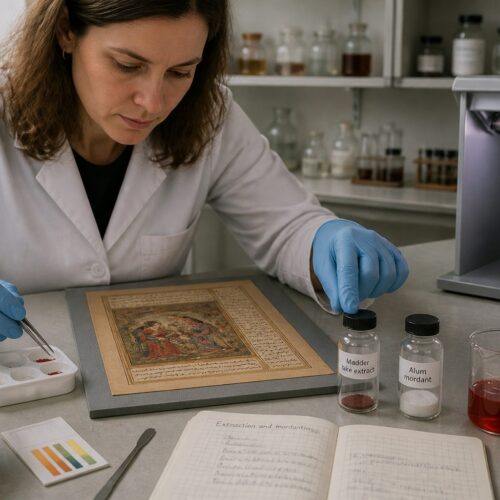

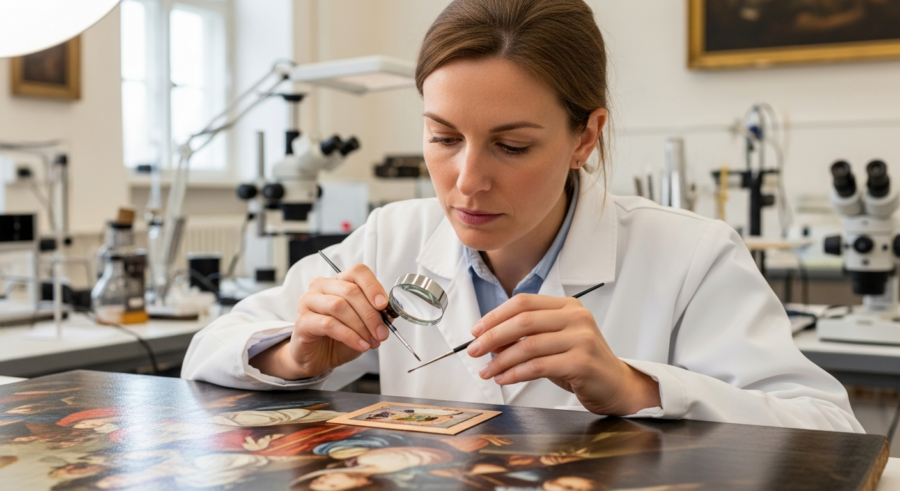
The allure of Baroque art lies in its dramatic flair, rich textures, and the masterful use of light and shadow. Central to achieving these effects were the pigments available to 17th-century artists. Understanding the pigment analysis of Baroque paintings provides insights into the artistic techniques, trade routes, and technological advancements of the era.
This article explores the fascinating world of Baroque pigments, examining their identification, conservation, and the role they play in authenticating masterpieces. We will uncover the secrets behind the colors that defined this influential period in art history.
From the opulent courts of Europe to the religious fervor of the Counter-Reformation, Baroque art served as a powerful tool for expression. The careful selection and application of pigments were essential in conveying the intended message and emotional impact. We will explore the choices made by artists, and how pigment analysis of Baroque paintings can reveal so much about their world.
Baroque Painting Techniques and Pigment Choices
Baroque painting techniques were characterized by a move away from the idealized forms of the Renaissance towards a more realistic and emotionally charged style. Artists sought to create dynamic compositions, often employing dramatic lighting effects known as chiaroscuro.
This involved contrasting light and dark areas to heighten the sense of drama and create a three-dimensional effect. The pigment choices were crucial in achieving these effects, with artists carefully selecting colors that would enhance the overall impact of their work.
The availability of pigments during the Baroque period was influenced by global trade routes and advancements in chemistry. Certain pigments, such as ultramarine made from lapis lazuli, were highly prized and expensive, reflecting their rarity and the complex processes required to produce them.
Other pigments, like lead white and ochre, were more readily available and widely used. The strategic use of these pigments, combined with innovative painting techniques, defined the visual language of the Baroque era.
Baroque artists skillfully manipulated paint to create illusions of texture, depth, and movement. They understood the properties of each pigment and how it would react when mixed with others or applied in layers. This understanding was essential for achieving the desired visual effects.
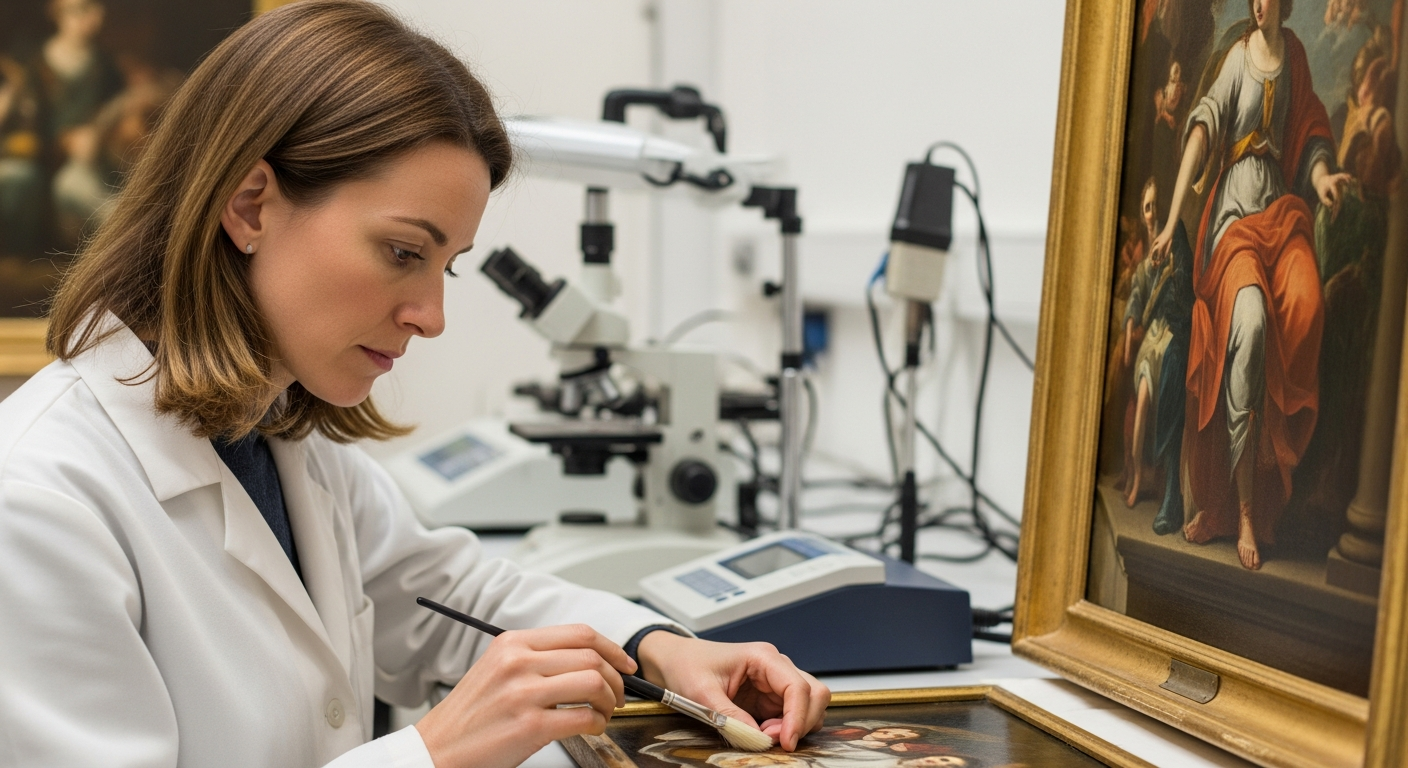
The use of impasto, where paint is applied thickly to create texture, was also common. This technique added a tactile quality to the paintings, further enhancing their realism and emotional impact. Pigment analysis of Baroque paintings reveals the complex interplay between technique and material choice.
Furthermore, the growing scientific understanding of color theory began to influence artists’ choices. They experimented with complementary colors and color harmonies to create visually stunning and emotionally resonant compositions. The use of color was no longer simply decorative, but a powerful tool for conveying meaning and emotion.
The Baroque era saw a flourishing of artistic innovation, driven in part by the expanding palette of available pigments and the artists’ growing understanding of their properties. This period marked a significant departure from the more restrained styles of the past, paving the way for future artistic movements.
Case Study: Analyzing Pigment Use in a Specific Baroque Painting
Let’s consider a hypothetical case study: the analysis of “The Ecstasy of Saint Paul” by Nicolas Poussin. This painting, known for its classical composition and serene atmosphere, offers a rich ground for pigment analysis of Baroque paintings.
Through non-destructive techniques like X-ray fluorescence (XRF) and Raman spectroscopy, conservators can identify the pigments used without damaging the artwork. Imagine that the analysis reveals a palette consisting of lead white, ochre, vermilion, azurite, and a small amount of ultramarine.
The lead white likely served as a base for many of the colors, providing opacity and luminosity. Ochre would have been used for earth tones and flesh tones, while vermilion added vibrant reds to the composition.
Azurite, a less expensive alternative to ultramarine, may have been used for the blue drapery, with ultramarine reserved for areas of particular importance. This insight helps us understand Poussin’s choices and the economic considerations that may have influenced them.
Further analysis might reveal the specific types of ochre used, such as yellow ochre or red ochre, based on their iron oxide content. The presence of specific impurities in the pigments could also provide clues about their geographical origin. This information helps to reconstruct the artist’s working methods and the trade networks that supplied their materials.
The distribution of pigments within the painting can also reveal important information. For example, the presence of ultramarine in the underlayers of a less important area might suggest that the artist initially intended to use it more extensively but later changed their mind due to cost constraints. Such details offer a fascinating glimpse into the creative process.
By comparing the pigment palette of “The Ecstasy of Saint Paul” with those of other paintings by Poussin, art historians can gain a better understanding of his artistic development and stylistic preferences. This comparative analysis can also help to attribute unsigned works to Poussin or to identify paintings that have been misattributed. Pigment analysis of Baroque paintings is a powerful tool for art historical research.
Moreover, the state of preservation of the pigments can provide insights into the environmental conditions to which the painting has been exposed over time. The presence of degradation products, such as lead sulfide (which causes lead white to darken), can indicate the need for specific conservation treatments. This helps ensure the long-term preservation of the artwork.
Identifying Key Pigments Used by Baroque Masters
Several key pigments were commonly employed by Baroque masters to achieve their signature effects. Lead white (basic lead carbonate) was a staple, valued for its opacity, quick drying time, and ability to be mixed with other colors.
However, it is also known to darken over time due to environmental factors, presenting challenges for art conservation science. Ultramarine, derived from the precious stone lapis lazuli, was the most expensive blue pigment available.
| Pigment | Chemical Composition | Color | Common Use in Baroque Art |
|---|---|---|---|
| Lead White | Basic Lead Carbonate (2PbCO3·Pb(OH)2) | White | Base for other colors, highlights, underpainting |
| Ultramarine | Sodium Aluminum Silicate with Sulfur (Na8-10Al6Si6O24S2-4) | Blue | Expensive blues, drapery, skies |
| Vermilion | Mercuric Sulfide (HgS) | Red | Rich reds, drapery, accents |
| Ochre | Hydrated Iron Oxide (Fe2O3·nH2O) | Yellow-Brown | Earth tones, flesh tones, landscapes |
| Azurite | Copper Carbonate Hydroxide (Cu3(CO3)2(OH)2) | Blue | Less expensive blues, skies, drapery |
| Malachite | Copper Carbonate Hydroxide (Cu2CO3(OH)2) | Green | Green colors, landscapes, foliage |
Other important pigments included various earth pigments, such as ochre, sienna, and umber, which provided a range of warm browns, yellows, and reds. These pigments were relatively inexpensive and readily available, making them essential for creating realistic landscapes and flesh tones. They were often used in combination with lead white to create subtle variations in color and tone.
Green pigments were less common than other colors, but malachite, a copper carbonate mineral, was sometimes used. However, malachite could be unstable and prone to fading, so artists often mixed blue and yellow pigments to create green hues. Verdigris, another copper-based pigment, was also used, but it was known to be corrosive and could damage the canvas over time.
Black pigments were typically derived from charcoal or bone black. These pigments were used to create shadows and to darken other colors. The choice of black pigment could affect the overall tone and mood of the painting. Lamp black, made from soot, was another option, providing a deep, velvety black.
The availability and cost of these pigments influenced the choices made by Baroque artists. They often had to be resourceful in their use of materials, finding ways to achieve the desired effects with the pigments that were available to them. Pigment analysis of Baroque paintings reveals the ingenuity and resourcefulness of these artists.
The Significance of Red Pigments in Baroque Painting
Red pigments held immense significance in Baroque painting, symbolizing passion, power, and divinity. Vermilion, derived from mercury sulfide, offered a brilliant, intense red that artists prized for its vibrancy and opacity.
It was frequently used in depictions of royal robes, religious figures, and dramatic scenes to capture attention and evoke strong emotions. Another important red pigment was red lake, produced by precipitating organic dyes onto a metallic substrate, often aluminum hydroxide.
Red lake pigments provided a more translucent, glazing red, allowing artists to create subtle variations in tone and depth. The choice between vermilion and red lake depended on the desired effect, with vermilion offering boldness and red lake providing nuanced depth.
The careful application of these red pigments contributed significantly to the overall visual impact and emotional resonance of Baroque masterpieces. Pigment analysis of Baroque paintings often reveals the specific types of red pigments used.
Carmine, derived from the cochineal insect, was another valuable red pigment. It offered a rich, deep red hue often employed in depicting luxurious fabrics and the flesh tones of aristocratic figures. Its vibrant color made it a favorite for adding a touch of opulence to paintings.
The use of red pigments was not limited to their literal representation. Artists also used them symbolically to convey deeper meanings. For instance, red could represent the blood of Christ in religious paintings or the passion of love in secular works. The context in which red pigments were used added layers of interpretation to the artwork.
The stability of red pigments was a concern for Baroque artists. Some red pigments, like vermilion, were prone to darkening over time if exposed to certain environmental conditions. This meant that artists had to be careful in their application and storage of these pigments to ensure their longevity. Pigment analysis of Baroque paintings helps us understand these challenges.
The skillful manipulation of red pigments was a hallmark of Baroque painting. Artists used them to create dramatic contrasts, highlight key figures, and evoke powerful emotions. The legacy of these red pigments continues to inspire artists and captivate audiences today.
Understanding the Layering and Glazing Techniques
Baroque artists often employed sophisticated layering and glazing techniques to achieve depth, luminosity, and subtle color variations. Layering involved applying multiple thin layers of paint, each with slightly different colors or tones, to build up the desired effect.
This allowed artists to create a sense of three-dimensionality and to modulate colors in a nuanced way. Glazing, on the other hand, involved applying a thin, transparent layer of paint over a dried underlayer.
This technique was particularly useful for creating rich, glowing colors and subtle transitions between tones. For example, an artist might apply a glaze of ultramarine over a layer of lead white to create a luminous blue effect.
By carefully controlling the thickness and transparency of each layer, Baroque masters could achieve remarkable effects of depth and realism. Understanding these techniques is crucial for art conservation science and for authenticating works.
The layering process often began with an underpainting, which established the basic composition and tonal values of the painting. This underpainting was typically executed in monochrome, using earth pigments like umber or sienna. The subsequent layers of paint were then built up gradually, adding color and detail.
Glazing was often used to create subtle variations in color and to enhance the luminosity of the painting. By applying thin, transparent layers of paint, artists could create a sense of depth and atmosphere. This technique was particularly effective for depicting fabrics, skin tones, and landscapes.
The choice of pigments used in the layering and glazing process was crucial. Some pigments, like lead white and vermilion, were opaque and provided good covering power. Others, like red lake and ultramarine, were more transparent and were ideal for glazing. Artists carefully selected their pigments based on their optical properties.
The combination of layering and glazing techniques allowed Baroque artists to create paintings that were both realistic and emotionally expressive. These techniques required a high level of skill and patience, but the results were often breathtaking. Pigment analysis of Baroque paintings helps us appreciate the technical mastery of these artists.
Conservation Challenges and Preservation Strategies
Baroque paintings face numerous conservation challenges due to the inherent instability of some of the pigments used and the effects of aging. Lead white, as mentioned earlier, can darken over time due to exposure to pollutants in the air.
Other pigments, such as azurite, can be affected by changes in humidity and temperature, leading to color changes or degradation. The varnishes applied to protect the paintings can also yellow or crack over time, altering the appearance of the artwork.
- Controlled environmental conditions (temperature and humidity)
- Regular cleaning by trained conservators
- Use of reversible conservation treatments
- Careful monitoring of pigment stability
- Protective glazing with UV-filtering materials
Another significant challenge is the potential for overcleaning, where aggressive cleaning methods can remove not only dirt and grime but also delicate glazes and paint layers. This can result in a loss of detail and a flattening of the painting’s surface. Therefore, careful and gentle cleaning techniques are essential.
Structural issues, such as canvas tears and warping, can also pose a threat to the long-term preservation of Baroque paintings. These issues can be caused by changes in humidity, improper handling, or accidental damage. Regular inspections and timely repairs are crucial for preventing further damage.
The use of reversible conservation treatments is a key principle in modern art conservation. This means that any treatments applied to the painting should be able to be removed or reversed in the future, if necessary. This helps to ensure that future generations of conservators have the flexibility to adapt their treatments to new knowledge and technologies.
Preventive conservation measures are also essential for protecting Baroque paintings. These measures include controlling the environment, handling the paintings carefully, and providing adequate security. By taking these steps, we can help to ensure that these masterpieces will continue to be enjoyed for centuries to come. Pigment analysis of Baroque paintings informs these measures.
The Significance of Blue Pigments in Baroque Art
Blue pigments played a vital role in Baroque art, symbolizing divinity, purity, and the heavens. Ultramarine, derived from lapis lazuli, was the most highly prized blue pigment, renowned for its intense color and rarity.
Its cost often dictated its use, with artists reserving it for the most important areas of the composition, such as the robes of the Virgin Mary. Azurite, a copper carbonate mineral, served as a more affordable alternative to ultramarine.
While not as vibrant as ultramarine, azurite still provided a beautiful blue hue and was frequently used in skies and landscapes. Another blue pigment, smalt, was made by grinding cobalt-containing glass.
Smalt was less expensive than both ultramarine and azurite, but it tended to lose its color over time, making it less desirable for important works. The strategic use of these blue pigments contributed significantly to the symbolic and aesthetic dimensions of Baroque art.
The availability of blue pigments also influenced the overall color palette of Baroque paintings. The scarcity and expense of ultramarine meant that artists had to be creative in their use of other colors to complement and enhance the blue tones. This often led to the development of unique and innovative color combinations.
The symbolic associations of blue pigments also played a significant role in their use. Blue was often associated with the Virgin Mary, representing her purity and divinity. It was also used to depict the heavens, symbolizing the realm of the divine. The use of blue pigments in religious paintings was therefore deeply symbolic.
The degradation of blue pigments over time can pose a challenge for art conservators. Azurite, in particular, is prone to changing color or fading due to exposure to light and humidity. This means that conservators must take special care to protect Baroque paintings from these environmental factors. Pigment analysis of Baroque paintings helps us understand how to best preserve them.
The legacy of blue pigments in Baroque art continues to inspire artists and captivate audiences today. The vibrant blues of ultramarine and the softer hues of azurite remain iconic symbols of this influential period in art history. The pigment analysis of Baroque paintings is essential to understanding this legacy.
The Role of Pigment Analysis in Authenticating Baroque Works
Pigment analysis of Baroque paintings plays a crucial role in determining the authenticity of artworks attributed to this period. By identifying the pigments used in a painting, conservators can determine whether they are consistent with the materials available during the Baroque era.
For example, the presence of synthetic pigments that were not invented until the 19th century would immediately raise red flags about the authenticity of a painting. Pigment analysis can also help to identify forgeries that attempt to mimic the style of Baroque masters.
Even if the pigments used are authentic, the way they are applied and the layering techniques employed can provide clues about the painting’s origins. Modern forgers may not have the same level of skill and understanding of Baroque techniques as the original artists.
Therefore, a careful examination of the pigments and painting techniques can help to distinguish authentic Baroque works from later imitations. This helps to maintain the integrity of the art market.
The analysis extends beyond simply identifying the presence of specific pigments. The particle size, distribution, and layering of the pigments are also carefully examined. These factors can reveal subtle differences between authentic works and forgeries.
Furthermore, the presence of specific impurities in the pigments can provide valuable clues about their origin and manufacturing process. This information can be compared with historical records to determine whether the pigments are consistent with those used during the Baroque period. This is a critical step in the authentication process.
The combination of pigment analysis with other scientific techniques, such as X-radiography and infrared reflectography, can provide a comprehensive picture of the painting’s materials and construction. This multi-faceted approach is essential for making accurate and reliable determinations of authenticity. Pigment analysis of Baroque paintings is a vital tool.
The findings of pigment analysis are often presented as evidence in legal cases involving disputed artworks. Expert testimony from art conservators and scientists can be crucial in convincing judges and juries of the authenticity or inauthenticity of a painting. This helps to protect collectors and institutions from fraud.
Advances in Art Conservation Science
Art conservation science has seen remarkable advancements in recent years, providing conservators with increasingly sophisticated tools and techniques. Non-destructive methods, such as X-ray fluorescence (XRF), Raman spectroscopy, and fiber optics reflectance spectroscopy (FORS), allow for the identification of pigments without taking samples from the artwork.
These techniques provide valuable information about the materials used by the artist and their condition, without causing any damage to the painting. Additionally, advances in imaging techniques, such as infrared reflectography and ultraviolet fluorescence, can reveal hidden details beneath the surface of the paint.
This can help conservators to understand the artist’s working process, identify underdrawings, and detect any alterations or repairs that may have been made to the painting over time. The development of new conservation materials and treatments has also improved the ability to preserve and restore Baroque paintings.
These advances help to ensure that these masterpieces will continue to be enjoyed by future generations. Pigment analysis of Baroque paintings is an ongoing process, and we can expect more discoveries in the future.
The use of computational methods and data analysis is also playing an increasingly important role in art conservation science. By analyzing large datasets of pigment compositions and painting techniques, researchers can identify patterns and trends that would be difficult to detect through traditional methods. This helps to improve our understanding of Baroque art and its conservation needs.
The development of new materials for conservation treatments is another area of active research. Conservators are constantly seeking new materials that are more effective, safer, and more compatible with the original materials of the artwork. This helps to minimize the risk of damage during conservation treatments.
Collaboration between art conservators, scientists, and art historians is essential for advancing the field of art conservation science. By combining their expertise, these professionals can develop more effective strategies for preserving and understanding Baroque art. Pigment analysis of Baroque paintings benefits from this collaboration.
The future of art conservation science is bright, with ongoing research and development promising to provide even more sophisticated tools and techniques for preserving our cultural heritage. These advances will help to ensure that Baroque paintings and other works of art will continue to inspire and delight future generations.
The Enduring Legacy of Baroque Pigments
The pigments used by Baroque artists have left an enduring legacy, shaping our understanding of this influential period in art history. The vibrant colors and dramatic effects achieved through the careful selection and application of pigments continue to captivate viewers today.
By studying these pigments, we can gain insights into the artistic techniques, trade routes, and technological advancements of the 17th century. Art conservation science plays a crucial role in preserving these masterpieces for future generations, ensuring that their beauty and historical significance are not lost.
As technology continues to advance, we can expect even more sophisticated methods of pigment analysis to emerge, providing us with a deeper understanding of Baroque art. The pigment analysis of Baroque paintings is an ongoing process that will continue to reveal new insights into the artistic practices of this period.
The pigment analysis of Baroque paintings and the art conservation science that supports it remains a vital field of study. It is a key to unlocking the secrets of these magnificent works.
The impact of Baroque pigments extends beyond the realm of art history. The development and trade of these pigments had significant economic and social consequences. The demand for certain pigments, such as ultramarine, fueled global trade networks and influenced the economies of various regions.
The study of Baroque pigments also provides insights into the history of chemistry and technology. The processes used to manufacture these pigments were often complex and required a high level of skill and knowledge. Understanding these processes helps us to appreciate the ingenuity of the artisans who created these materials.
The legacy of Baroque pigments can also be seen in the art of later periods. Many artists continued to use these pigments, adapting them to their own styles and techniques. The influence of Baroque color palettes can be traced through centuries of art history. Pigment analysis of Baroque paintings helps us understand this influence.
The enduring appeal of Baroque art is due, in part, to the beauty and vibrancy of its colors. The pigments used by these artists continue to inspire and delight viewers today. The study and preservation of these pigments are essential for ensuring that this legacy continues to thrive.
Conclusion
The study of pigments in Baroque art offers a fascinating glimpse into the creative processes and material culture of the 17th century. Through pigment analysis of Baroque paintings, we can uncover the secrets behind the colors that defined this influential period.
From the opulent blues of ultramarine to the fiery reds of vermilion, each pigment tells a story about the artist’s choices, the availability of materials, and the cultural values of the time. Art conservation science plays a vital role in preserving these masterpieces for future generations, ensuring that their beauty and historical significance endure.