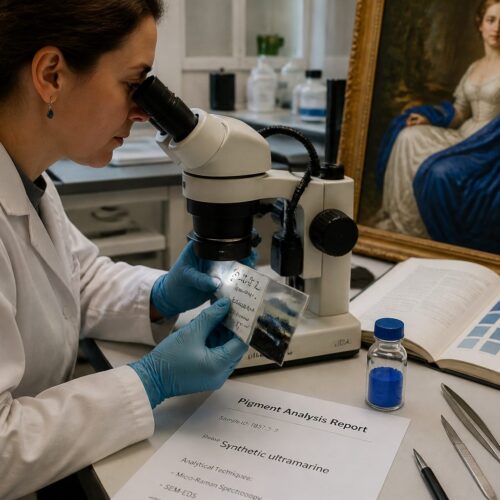

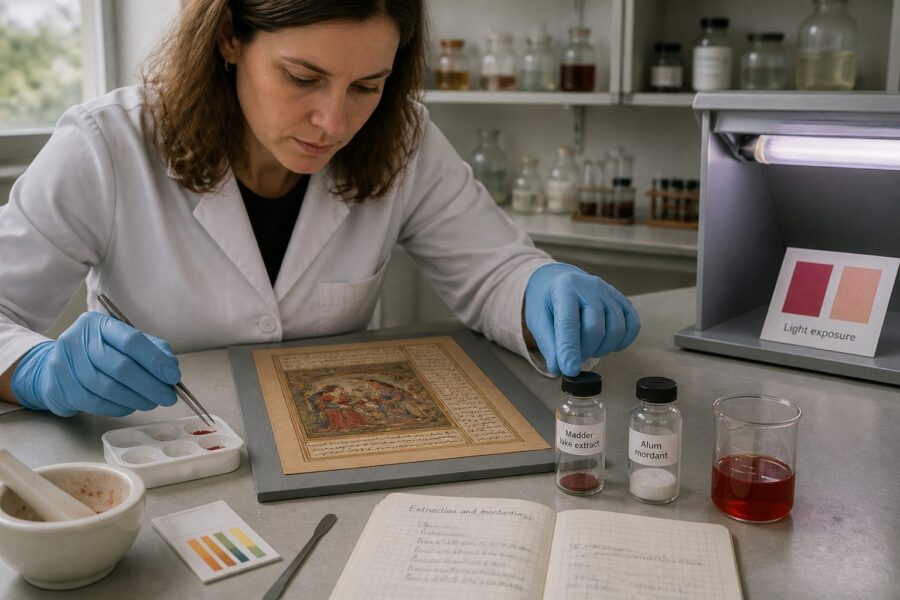
The vibrant red hues found in Persian miniature paintings are often attributed to madder lake pigments, which have a captivating depth and richness that cannot be easily replicated. This traditional colorant, with its striking crimson shades, has a rich historical significance, particularly in its use by artists during the Persian Empire, where it became a hallmark of artistic expression and cultural identity.
Madder lake pigment, derived from the roots of the Rubia tinctorum plant, has been a cornerstone of red color in art for centuries, showcasing not only its beauty but also its versatility in various artistic applications. Understanding its botanical source and chemistry is essential for the conservation of these historical artworks, as the preservation of their vibrant colors directly correlates with the techniques and materials used by artisans of the past.
The chemistry behind madder lake involves various compounds, primarily alizarin and purpurin, which contribute to its vibrant coloration and unique characteristics. These components are sensitive to environmental factors such as light and humidity, making their preservation a priority in Persian manuscript conservation practices to ensure that future generations can appreciate the brilliance of these artworks.
Madder lake pigment has played a pivotal role in Persian miniature art, providing a deep, rich red that enhances the narrative quality and emotional impact of these works. The use of this pigment can be traced back to ancient times, showcasing the cultural significance of color in Persian art, where specific hues were often imbued with symbolic meanings that resonated deeply within the society.
The application of madder lake in Persian manuscripts not only demonstrates artistic skill but also reflects the socio-political contexts of its time, as artists often used this pigment to signify power and prestige. Often found in depictions of royalty and divine subjects, the choice of color became a powerful tool for conveying status and influence within the rich tapestry of Persian cultural heritage.
In addition to its aesthetic appeal, the properties of madder lake allow for a remarkable range of tones through layering techniques, enabling artists to achieve depth and nuance in their work. This versatility makes it a favorite among artists, as it can produce everything from bright, eye-catching reds to muted burgundy shades, each contributing to the overall composition and narrative of the artwork.
The association of madder lake with cultural identity in Persian art underscores its importance in both historical and modern contexts, highlighting the enduring legacy of this pigment. Today, researchers and conservators continue to study this pigment to ensure its preservation for future generations, recognizing that understanding its properties is crucial for maintaining the integrity of these significant cultural artifacts.
Understanding the intricacies of madder lake pigment not only helps in appreciating the aesthetic achievements of Persian miniature art but also emphasizes the need for effective conservation techniques to combat degradation over time. As these artworks age, the preservation of their vivid colors becomes ever more crucial, necessitating a combination of scientific insight and artistic sensibility to navigate the challenges of conservation.
Rubia tinctorum, commonly known as madder, is a perennial plant whose roots are the source of the vibrant madder lake pigment that has captivated artists for centuries. The active chemistry of this plant includes important compounds like alizarin and purpurin, which are responsible for the pigment’s characteristic red color and its historical significance in various artistic traditions.
These anthraquinone derivatives are synthesized in the roots of the Rubia tinctorum, and their concentration can vary significantly based on environmental factors such as soil quality, climate, and cultivation practices. The extraction process of these compounds has evolved over centuries, impacting the quality and consistency of the madder lake used in art, as artisans sought to perfect their methods for optimal color expression.
Alizarin, the most prominent compound found in madder, was historically used not only as a pigment in painting but also as a dye in textiles, while purpurin offers a more vibrant alternative that enriches the color palette available to artists working with this medium. This dual presence in madder contributes to the rich and varied color experiences that can be achieved, allowing for a depth of expression that is particularly valued in Persian miniature painting.
Research into the active chemistry of Rubia tinctorum reveals fascinating insights into how these pigments interact with various materials, including paper, fabric, and other media. Understanding these interactions is crucial for effective conservation practices in Persian manuscript conservation, as it informs strategies for preserving the original vibrancy and integrity of the artworks.
As scientific analysis of madder lake pigment advances, new methods of extraction and application are being explored, which may lead to innovations in how artists and conservators approach the use of this traditional pigment. This ongoing research aims to enhance the longevity and vibrancy of historical pigments in artworks, ensuring that the stunning colors of the past remain an integral part of our cultural heritage.
The mordanting process is essential in the application of madder lake pigments to various substrates, as it plays a critical role in fixing the dye onto the fabric or paper, significantly influencing the final color achieved. This technique involves using metal salts to create a chemical bond between the dye and the material, which not only enhances color retention but also impacts the overall appearance and durability of the pigment.
Different mordants, such as aluminum, iron, or copper, can alter the shade and intensity of the madder lake pigment, leading to a diverse range of color outcomes that artists can exploit for creative expression. Understanding the relationship between mordants and pigments is vital for achieving desired color outcomes in artistic applications, as the choice of mordant can create subtle variations that add depth to the artwork.
The choice of mordant not only impacts the hue but also the lightfastness of the madder lake pigment, which is critical for ensuring the longevity of artworks displayed in various environments. Artists can achieve a range of effects by carefully selecting both the dye and the mordant used in their work, allowing for a personalized touch that reflects their unique style and intentions.
In the context of Persian miniature painting, the understanding of mordants is crucial for preserving the vibrancy of these historical works, as inappropriate mordant choice can lead to fading and color shifts over time. Effective conservation strategies must consider both the chemistry of madder and the mordanting process to ensure that the integrity of these exquisite pieces is maintained for future generations to admire.
Chromatographic techniques are essential tools in the analysis of historical pigments, particularly for identifying madder lake in aged samples, which can provide valuable insights into the composition of these artworks. These methods allow conservators to accurately assess the composition of pigments found in Persian manuscripts, thereby enhancing our understanding of the materials used by artists throughout history.
By employing techniques such as high-performance liquid chromatography (HPLC), researchers can separate and quantify the various compounds present in madder, facilitating a deeper understanding of the degradation and fading patterns of these pigments over time. This analytical approach is crucial for understanding the longevity of madder lake pigments, enabling conservators to develop appropriate strategies for preservation.
As the field of pigment analysis advances, new methodologies are being developed to enhance the precision of these identifications, offering more reliable tools for art historians and conservators alike. The integration of alizarin lake dye analysis techniques has revolutionized the understanding of historical colorants, providing a clearer picture of how these pigments were used and their impact on the artworks.
Identifying madder in aged samples is not only vital for art historians but also for conservators working on preservation projects, as accurate identification enables informed decisions regarding restoration and conservation practices. This knowledge contributes to the overall understanding of the artistic techniques and materials used in Persian miniature painting, enriching our appreciation of these cultural treasures.
The application of chromatographic methods helps to uncover the history of Persian miniature paintings, shedding light on the materials and techniques used by artists throughout the ages. This knowledge is essential for maintaining the integrity of these cultural treasures, ensuring that they continue to be celebrated and studied for generations to come.
Photodegradation is a significant concern for the preservation of madder lake pigments in museum settings, as exposure to light can lead to irreversible changes in color and composition. The compounds alizarin and purpurin are particularly sensitive to light, making it imperative for conservators to understand how light exposure affects these pigments over time.
Under museum lighting conditions, the stability of these pigments is compromised, especially when exposed to ultraviolet and high-intensity light sources that can accelerate the degradation process. Understanding the photodegradation processes is crucial for developing effective conservation strategies that minimize the impact of light on these delicate pigments.
Research indicates that the fading of red lake pigments can vary depending on the specific lighting conditions and duration of exposure, highlighting the importance of tailored conservation approaches for Persian manuscript conservation. This variability emphasizes the need for conservators to monitor light levels and adjust exhibition practices accordingly to protect these valuable artworks.
Conservators must be mindful of the light levels and spectral qualities present in exhibition spaces, as improper lighting can contribute to the deterioration of sensitive pigments like madder lake. By doing so, they can mitigate the effects of photodegradation and prolong the vibrancy of madder lake pigment passages, ensuring that these works can be appreciated in their full glory.
The fading patterns of madder lake pigments are observable in many Persian collection works, providing insights into the aging process of these artworks and the environmental influences at play. Notably, variations in fading can often reflect the environmental conditions in which these pieces have been housed, offering a glimpse into their history and treatment over time.
The most common fading patterns include uneven coloration, loss of vibrancy, and complete color shifts to brownish tones, all of which can detract from the original beauty of the artwork. Understanding these patterns assists conservators in developing targeted strategies for preservation, allowing them to make informed decisions about restoration and display practices.
By studying these fading patterns, researchers can glean information about the original materials and techniques used by artists, providing critical data that informs conservation efforts. This understanding is beneficial for both conservation initiatives and historical research, as it enriches our knowledge of Persian art and its evolution over time.
Addressing fading patterns in Persian miniature paintings is essential for preserving their historical integrity, as these artworks serve as vital links to the past. Effective conservation practices can help maintain the beauty and significance of these artistic treasures, ensuring that they continue to inspire and educate future generations about the rich cultural heritage of Persia.
Distinguishing madder lake pigment from other historical red colorants is crucial for art conservation, as accurate identification is essential for appropriate treatment and preservation strategies. Several natural red dyes, such as cochineal and kermes, have been used alongside madder throughout history, leading to potential confusion in identification and the need for careful analysis.
The key differences in chemical composition and colorfastness can aid conservators in accurate identification, providing a clearer understanding of the materials used in these artworks. Techniques like chromatographic analysis provide essential data that can differentiate madder from these other colorants effectively, ensuring that artworks receive the appropriate conservation treatment they require.
In practical applications, conservators often rely on both visual inspection and scientific analysis to determine the pigment used in a given artwork, as this dual approach enhances the reliability of their findings. This ensures that the correct conservation methods are employed for each unique artwork, preserving their integrity and historical significance.
Moreover, understanding the historical context of pigment use can inform identification efforts, as certain pigments were favored in specific regions and periods. This knowledge enhances the appreciation and care of Persian miniature paintings, ensuring their legacy endures and continues to resonate with audiences worldwide.
Ultimately, accurate differentiation of madder lake pigment from other historical red colorants is vital for preserving the integrity of Persian manuscripts and artworks. By employing comprehensive identification techniques, conservators can maintain the vibrancy and history of these artworks, ensuring that they remain a source of inspiration and wonder for art lovers and scholars alike.
Conservation protocols for light-sensitive lake pigment passages are essential for protecting artworks from degradation, particularly those that feature madder lake pigments. These guidelines outline best practices for managing exposure to light and environmental conditions, helping to safeguard the vibrancy and integrity of these precious pieces.
One key aspect of these protocols is the monitoring of light levels in exhibition spaces, which can significantly affect the longevity of artworks. By maintaining optimal light conditions, conservators can significantly reduce the risk of fading in madder lake pigments, ensuring that these artworks remain visually striking and historically significant.
Regular assessments of light exposure and environmental factors are crucial for ensuring the longevity of Persian miniature paintings, as they can help identify potential risks and inform necessary adjustments to display methods. These evaluations can lead to adjustments in display methods and materials used to house artworks, ultimately enhancing conservation efforts.
Implementing light filters and controlled lighting systems can further protect sensitive pigments from harmful exposure. These technologies help to create an ideal viewing environment while preserving the integrity of the artwork, allowing audiences to appreciate the beauty of these pieces without compromising their longevity.
Preventive measures for light-sensitive pigments include careful consideration of light levels in galleries, which can significantly impact the preservation of madder lake pigments in artworks. Maintaining reduced light levels can enhance the preservation of these pigments, ensuring that their vibrant colors remain intact for future generations.
Utilizing spectral filtering techniques can further mitigate the impact of harmful wavelengths on sensitive pigments, particularly those that are lightfast and prone to degradation. These measures are crucial for ensuring the longevity of Persian miniature paintings in exhibition settings, allowing them to be displayed without fear of damage.
Conservators are increasingly employing advanced lighting technologies to create controlled environments for artworks, which is especially important for pieces featuring madder lake pigments. This includes using LED lighting systems that minimize UV exposure while providing adequate illumination, striking a balance between visibility and preservation.
By implementing these preventive measures, galleries can significantly extend the life of madder lake pigments in their collections, ensuring that these historical works continue to be enjoyed and studied. The commitment to preserving these historical works is essential for future generations to appreciate, fostering a deeper understanding of the cultural narratives embedded within them.
Recent research advancements are focusing on stabilizing faded madder lake passages in Persian miniature art, which is a critical area of study as many artworks face the challenge of color loss over time. These innovations aim to restore vibrancy and extend the lifespan of these pigments through various conservation techniques that are being developed and refined.
New methods are being developed to enhance the colorfastness of madder pigments, thereby addressing issues related to light exposure and chemical degradation that can lead to fading. These techniques are vital for the continued appreciation of historical artworks, ensuring that the colors that once captivated audiences remain vivid and true to their original intent.
Collaboration between scientists and conservators is leading to breakthroughs in understanding the chemistry of madder lake pigments, fostering a multidisciplinary approach to preservation. This partnership is crucial for developing effective strategies for preservation and restoration, ensuring that both scientific and artistic perspectives inform the conservation process.
As research progresses, the potential for new materials and techniques to stabilize faded pigments becomes increasingly promising, opening up exciting avenues for conserving these historical treasures. The future of Persian manuscript conservation relies on these scientific advancements to maintain the beauty and integrity of historical artworks, allowing them to continue inspiring and educating audiences around the world.