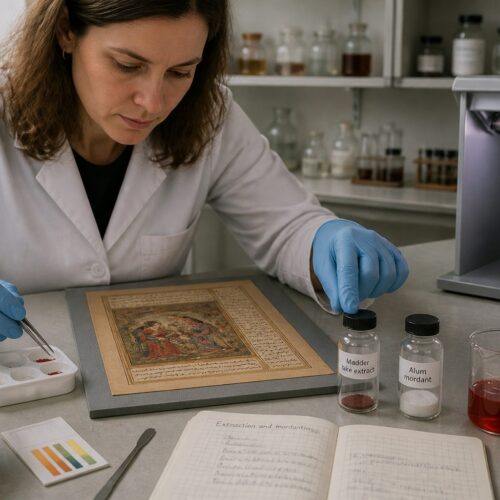

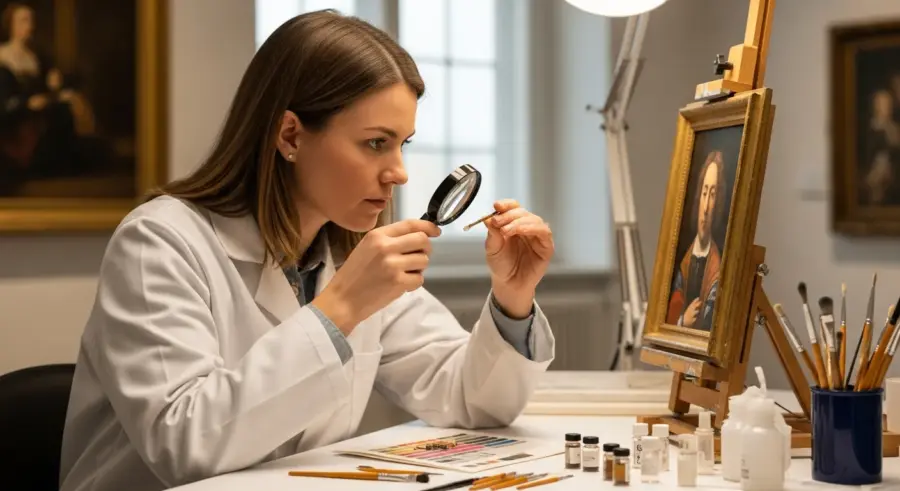
The allure of the Dutch Golden Age lies not only in its captivating artistic achievements but also in the stories told by the very materials used by its masters. Analyzing Pigments in Dutch Golden Age Paintings offers a unique window into the creative process, trade networks, and scientific advancements of the 17th century.
By examining the chemical composition of pigments, we can gain valuable insights into the techniques employed by artists like Vermeer and Rembrandt. This exploration goes beyond mere aesthetics, revealing the social, economic, and technological context that shaped their art.
Join us as we embark on a fascinating journey to uncover the secrets hidden within the palettes of the Dutch Masters. We will examine the methods used for Analyzing Pigments in Dutch Golden Age Paintings, and the challenges faced in preserving these precious cultural artifacts.
Historical Context: The Dutch Golden Age
The Dutch Golden Age, spanning roughly the 17th century, was a period of unprecedented prosperity and cultural flourishing in the Netherlands. Following their independence from Spain, the Dutch Republic emerged as a major economic and maritime power.
This era witnessed remarkable advancements in science, philosophy, and, of course, art. The rise of a wealthy merchant class created a demand for paintings that reflected their affluence and worldview.
Artists like Rembrandt van Rijn, Johannes Vermeer, Frans Hals, and Jan Steen captured the essence of Dutch society in their masterpieces. Their paintings depicted scenes from everyday life, portraits of prominent citizens, and landscapes that celebrated the beauty of the Dutch countryside.
The availability of new pigments, coupled with innovative techniques, allowed these artists to create works of unparalleled realism and emotional depth. The artistic innovations of the Dutch Masters continue to inspire and captivate audiences today.
The Dutch Republic’s dominance in trade brought in exotic materials from around the globe. This influx of wealth and resources directly impacted the art world. It allowed artists access to a wider range of pigments and materials than ever before.
The Calvinist influence on Dutch society also played a role in the subject matter of paintings. Genre scenes, still lifes, and landscapes became increasingly popular, reflecting the values of hard work, piety, and appreciation for the natural world.
The emphasis on realism and detail in Dutch art was also influenced by the scientific revolution taking place at the time. Artists sought to accurately depict the world around them, using their skills to capture the nuances of light, texture, and color.
The patronage system in the Dutch Golden Age differed from that of other European countries. Rather than relying solely on the aristocracy or the church, Dutch artists often found support from wealthy merchants and civic organizations. This broader base of patronage allowed for greater artistic freedom and experimentation.
Common Pigments Used by Dutch Masters
The palette of the Dutch Masters was surprisingly diverse, considering the limitations of the time. They utilized a range of pigments derived from both natural and synthetic sources, each with its unique properties and characteristics.
Understanding the composition of these pigments is essential for Analyzing Pigments in Dutch Golden Age Paintings and gaining insights into the artists’ techniques. Let’s explore some of the most commonly used pigments by Vermeer pigments and other Dutch masters.
| Pigment Name | Chemical Composition | Color |
|---|---|---|
| Ultramarine | Lapis Lazuli (Sodium Aluminum Silicate with Sulfur) | Deep Blue |
| Lead White | Lead Carbonate | White |
| Vermilion | Mercuric Sulfide | Red |
| Ochre | Hydrated Iron Oxide | Yellow/Brown |
| Smalt | Potassium Cobalt Silicate | Blue |
| Verdigris | Copper(II) Acetate | Green |
Ultramarine, derived from the precious stone lapis lazuli, was highly prized for its intense blue hue. Its cost made it a luxury pigment, often reserved for important details or commissions from wealthy patrons.
Lead white, a staple of many palettes, provided opacity and served as a base for mixing other colors. Vermilion, a brilliant red pigment made from mercuric sulfide, added vibrancy and warmth to their compositions.
Ochre, a naturally occurring earth pigment, provided a range of yellows and browns. Smalt, a glass containing cobalt, offered a less expensive alternative to ultramarine, though its color was less intense and prone to fading.
Verdigris, a copper-based pigment, produced a vibrant green, but it was also known for its instability and tendency to corrode. Other notable pigments included umber, a brown earth pigment; and yellow lake, a transparent yellow derived from organic sources.
The availability and cost of these pigments influenced the artists’ choices and techniques. Some artists, like Vermeer, were known for their lavish use of expensive pigments, while others relied more on readily available and affordable materials.
The preparation of pigments was also a crucial step in the painting process. Artists or their assistants would grind the raw materials into a fine powder and mix them with a binding medium, such as linseed oil or walnut oil.
The quality of the grinding and the choice of binding medium could significantly affect the appearance and durability of the paint. Understanding these aspects of pigment preparation is essential for appreciating the craftsmanship of the Dutch Masters.
Case Study: Analyzing Pigments in a Vermeer Painting
Johannes Vermeer, renowned for his meticulous attention to detail and masterful use of light, employed a carefully selected palette. Vermeer pigments choices reveal a deep understanding of color theory and the optical properties of paint.
His paintings, such as “Girl with a Pearl Earring” and “The Milkmaid,” are characterized by their luminous quality and subtle gradations of color. Analyzing Pigments in Dutch Golden Age Paintings, particularly those by Vermeer, offers valuable insights into his artistic techniques.
Scientific analysis of Vermeer’s paintings has revealed the presence of ultramarine, lead white, vermilion, ochre, and other pigments. The strategic use of expensive ultramarine in areas like the headscarf of the “Girl with a Pearl Earring” underscores Vermeer’s commitment to achieving the highest level of realism and beauty.
Furthermore, Vermeer’s innovative use of optical devices, such as the camera obscura, may have influenced his color choices and painting techniques. By studying the chemical composition and distribution of pigments in his works, we can gain a deeper appreciation for Vermeer’s genius.
Vermeer’s “The Milkmaid” showcases his skill in rendering textures and the play of light on different surfaces. Analysis of the pigments reveals a careful layering of colors to create a sense of depth and volume.
The creamy whites of the milk, the rough texture of the bread, and the smooth surface of the earthenware jug are all achieved through the strategic use of pigments and painting techniques. Vermeer’s ability to capture the essence of everyday life with such precision and beauty is a testament to his mastery of his materials.
The limited number of paintings attributed to Vermeer adds to their mystique and value. Each work is a carefully crafted masterpiece, reflecting the artist’s dedication to his craft and his profound understanding of light, color, and composition.
The study of Vermeer’s pigments continues to be an active area of research, with new discoveries being made as analytical techniques improve. These investigations shed light on the artist’s working methods and provide a deeper appreciation for the technical skill and artistic vision that went into creating his iconic paintings.
Case Study: Analyzing Pigments in a Rembrandt Painting
Rembrandt van Rijn, another giant of the Dutch Golden Age, possessed a distinct artistic style characterized by dramatic lighting and rich textures. Rembrandt colors and his mastery of chiaroscuro, the use of strong contrasts between light and dark, created a sense of depth and emotional intensity in his paintings.
Analyzing Pigments in Dutch Golden Age Paintings by Rembrandt reveals a palette that included earth pigments, lead white, vermilion, and azurite. Unlike Vermeer’s preference for smooth, polished surfaces, Rembrandt often employed impasto, a technique of applying paint thickly to create a textured effect.
The use of lead white in highlights and shadows contributed to the luminosity of his paintings. The earth pigments, such as ochre and umber, provided a range of warm tones that enhanced the realism of his portraits and historical scenes.
Furthermore, Rembrandt’s experimentation with different binding media, such as linseed oil and walnut oil, affected the drying time and appearance of his paints. By studying the materials and techniques employed by Rembrandt, we can gain a better understanding of his artistic vision and creative process.
Rembrandt’s self-portraits offer a fascinating glimpse into the artist’s life and his evolving style. Analyzing the pigments used in these portraits reveals changes in his palette and painting techniques over time.
His later self-portraits often feature a more subdued palette, with a greater emphasis on earth tones and chiaroscuro. This reflects a shift in his artistic focus towards exploring the inner depths of human emotion and experience.
Rembrandt’s use of impasto created a tactile quality in his paintings, adding to their sense of realism and emotional intensity. The thick layers of paint catch the light, creating a dynamic interplay of highlights and shadows.
The study of Rembrandt’s pigments and painting techniques continues to be a subject of scholarly debate and research. New discoveries are constantly being made, shedding light on the artist’s working methods and his profound impact on the history of art.
Pigment Degradation Issues and Conservation Efforts
Over time, pigments in paintings can undergo chemical changes that lead to degradation and discoloration. Factors such as light exposure, humidity, temperature fluctuations, and air pollution can accelerate these processes.
Understanding the mechanisms of pigment degradation is crucial for developing effective conservation strategies. Conservation scientists employ a variety of techniques to stabilize and protect paintings from further damage.
- Controlled environment storage
- UV-filtering glazing
- Regular cleaning
- Consolidation of flaking paint layers
- Retouching of losses
These efforts aim to preserve the original appearance and integrity of the artwork for future generations. Analyzing Pigments in Dutch Golden Age Paintings helps conservators identify the specific pigments used and their condition.
This information is essential for selecting appropriate conservation treatments and ensuring their long-term effectiveness. Collaboration between art historians, scientists, and conservators is vital for preserving our cultural heritage.
The degradation of certain pigments, such as verdigris, can pose significant challenges for conservators. Verdigris is prone to corrosion, which can damage the surrounding paint layers and lead to discoloration.
Ultramarine, while generally stable, can be affected by acidic conditions, causing it to lose its brilliance. Lead white can also darken over time due to its reaction with sulfur compounds in the air.
Conservators use a variety of techniques to mitigate these degradation processes, including cleaning, consolidation, and retouching. Cleaning removes surface dirt and grime, while consolidation strengthens the paint layers and prevents further flaking.
Retouching involves carefully filling in areas of loss with pigments that match the original colors. The goal of conservation is to preserve the artwork as close as possible to its original state, while respecting its historical and artistic integrity.
The Role of Chemical Analysis in Authentication
Chemical analysis of pigments plays a crucial role in determining the authenticity of paintings. By identifying the pigments used and comparing them to those known to be available during the artist’s lifetime, experts can detect forgeries and misattributions.
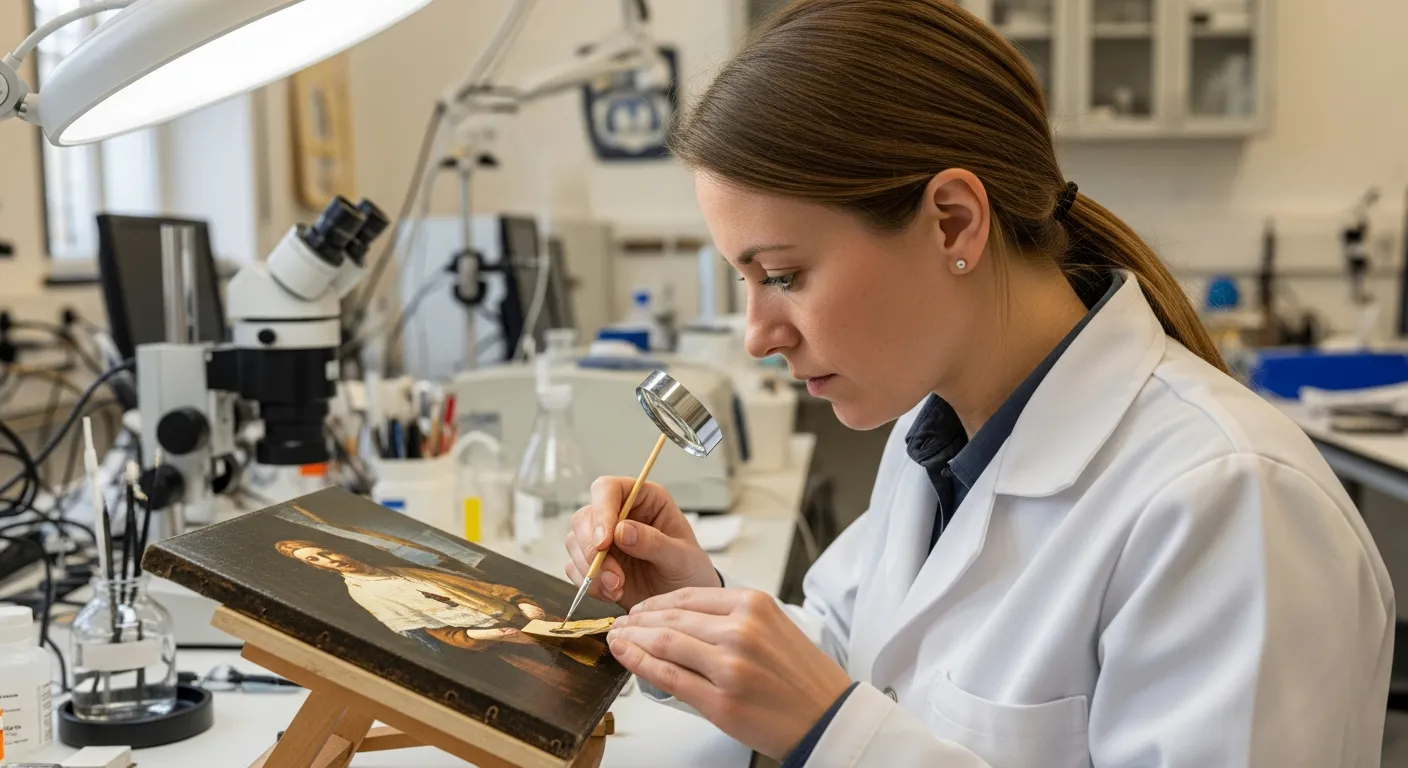
The presence of pigments that were not invented until after the artist’s death would raise serious doubts about the painting’s authenticity. Analyzing Pigments in Dutch Golden Age Paintings relies on various analytical techniques, including X-ray fluorescence (XRF), Raman spectroscopy, and gas chromatography-mass spectrometry (GC-MS).
XRF is a non-destructive technique that can identify the elemental composition of pigments without damaging the artwork. Raman spectroscopy provides information about the molecular structure of pigments, allowing for their precise identification.
GC-MS is used to analyze the organic components of paint, such as binding media and varnishes. By combining these different analytical approaches, experts can build a comprehensive picture of the materials used in a painting and assess its authenticity with greater confidence.
The use of synthetic pigments, such as Prussian blue (invented in the early 18th century), in a painting attributed to a 17th-century artist would be a clear indication of forgery. Similarly, the presence of modern binding media or varnishes would raise red flags.
Chemical analysis can also help to identify later additions or alterations to a painting. For example, overpainting or varnishing can obscure the original pigments and painting techniques.
By carefully analyzing the layers of paint and varnish, experts can reconstruct the history of the artwork and determine its authenticity. The combination of scientific analysis and art historical research is essential for making accurate attributions and detecting forgeries.
The authentication of artworks is a complex and challenging process that requires expertise in both art history and scientific analysis. Chemical analysis of pigments provides valuable evidence that can help to resolve questions of authenticity and protect the integrity of the art market.
Ethical Considerations in Pigment Analysis
While pigment analysis provides invaluable insights, it’s essential to conduct such investigations with utmost care and ethical consideration. Some analytical techniques require taking small samples from the artwork, which can cause irreversible damage.
Therefore, non-destructive methods like XRF and Raman spectroscopy are preferred whenever possible. When sampling is necessary, it should be performed by trained conservators using minimally invasive techniques.
Furthermore, the results of pigment analysis should be interpreted in conjunction with art historical research and connoisseurship. Scientific analysis should complement, not replace, traditional methods of art authentication and interpretation.
Transparency and collaboration between scientists, art historians, and conservators are essential for ensuring the responsible and ethical use of pigment analysis in art historical research. A balanced approach is key to preserving both the artistic and scientific value of cultural heritage.
The decision to conduct pigment analysis should be made on a case-by-case basis, considering the potential benefits and risks. The value of the information gained must be weighed against the potential damage to the artwork.
When sampling is necessary, the smallest possible sample should be taken from an inconspicuous area of the painting. The sampling process should be carefully documented, and the results should be made available to the public.
Ethical considerations also extend to the interpretation and publication of the results of pigment analysis. Scientists and art historians have a responsibility to present their findings accurately and objectively, avoiding any bias or speculation.
The goal of pigment analysis should be to enhance our understanding and appreciation of art, not to promote personal agendas or financial gain. By adhering to these ethical principles, we can ensure that pigment analysis is used responsibly and effectively to preserve our cultural heritage.
Future Directions in Pigment Research
The field of pigment research is constantly evolving, with new analytical techniques and approaches being developed. Advances in imaging technologies, such as hyperspectral imaging, are allowing researchers to visualize the distribution of pigments in paintings with unprecedented detail.
Computational modeling and machine learning are also being used to analyze large datasets of pigment information and identify patterns that might not be apparent through traditional methods. These tools can help us better understand the relationships between pigment composition, painting techniques, and the aging behavior of artworks.
Furthermore, there is a growing interest in developing sustainable and environmentally friendly conservation materials and methods. Researchers are exploring the use of bio-based materials and non-toxic solvents for cleaning and consolidating paintings.
By embracing these new technologies and approaches, we can continue to unlock the secrets of historical pigments and ensure the preservation of our cultural heritage for generations to come. The ongoing quest for knowledge promises exciting discoveries in the years ahead.
The development of portable and non-invasive analytical instruments is also a promising area of research. These instruments would allow researchers to study artworks in situ, without the need for sampling or transportation.
This would greatly expand the accessibility of pigment analysis and facilitate the study of a wider range of artworks. Another important area of research is the development of improved methods for dating paintings based on the analysis of their pigments and binding media.
This would be particularly valuable for authenticating artworks and resolving questions of attribution. The combination of advanced analytical techniques, computational modeling, and sustainable conservation practices holds great promise for the future of pigment research.
By continuing to invest in this field, we can ensure that our cultural heritage is preserved and understood for generations to come. The ongoing exploration of historical pigments will undoubtedly reveal new insights into the art, science, and technology of the past.
Conclusion
Analyzing Pigments in Dutch Golden Age Paintings provides a fascinating glimpse into the world of art, science, and history. By studying the materials used by artists like Vermeer and Rembrandt, we can gain a deeper appreciation for their creative genius and the cultural context in which they worked.
The use of chemical analysis in authentication and conservation is essential for preserving these precious cultural artifacts for future generations. As technology advances, we can expect even more sophisticated methods for studying and protecting our artistic heritage.
The secrets held within the pigments of Dutch Golden Age paintings continue to captivate and inspire. Further exploration of Rembrandt colors and Vermeer pigments will undoubtedly yield new insights and deepen our understanding of this remarkable era in art history.
The ongoing collaboration between art historians, scientists, and conservators ensures the responsible and ethical preservation of these masterpieces. This interdisciplinary approach is key to unlocking the full potential of pigment analysis and safeguarding our cultural legacy for years to come.
The Dutch Golden Age stands as a testament to the power of human creativity and innovation. The legacy of its artists continues to inspire and influence artists today.
By studying the materials and techniques used by these masters, we can gain a deeper understanding of their artistic vision and their contribution to the history of art. The preservation of these artworks is a shared responsibility, requiring the collaboration of experts from various fields.
The ongoing research into historical pigments promises to reveal new insights and deepen our appreciation for the art of the Dutch Golden Age. The story of these paintings is not just about the artists who created them, but also about the materials they used and the cultural context in which they worked.
By embracing the interdisciplinary approach of art history, science, and conservation, we can ensure that these masterpieces continue to inspire and captivate audiences for generations to come. The journey into the world of Dutch Golden Age pigments is a journey into the heart of art history and cultural heritage.