
The Pre-Raphaelite Brotherhood, formed in 1848, sought to revolutionize the art world. They rejected the Royal Academy’s emphasis on idealized beauty and instead looked to the art of the Middle Ages and Early Renaissance for inspiration.
Their commitment to realism and detail, combined with a symbolic approach to subject matter, set them apart from their contemporaries. A crucial element of their artistic vision was their use of color, which they employed to create emotionally resonant and visually striking paintings.
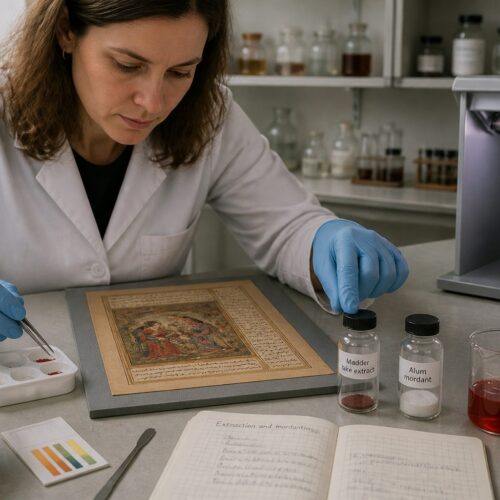
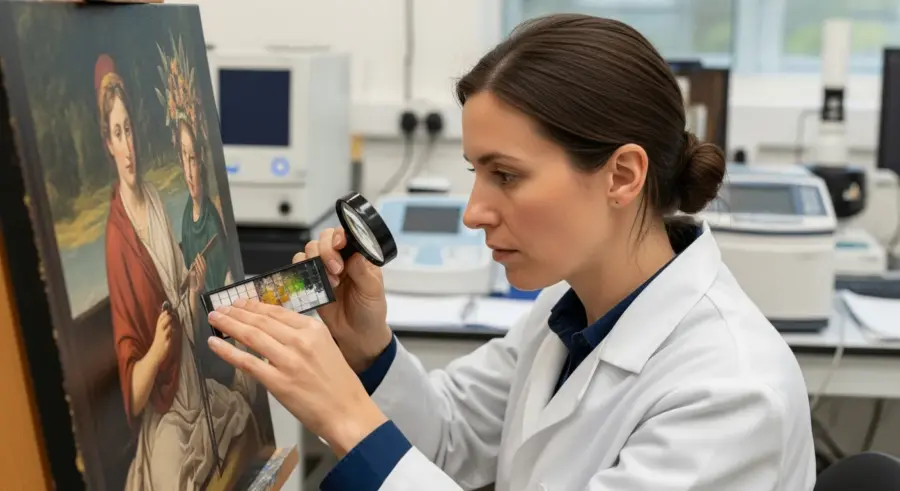
Understanding the pigment analysis of Pre-Raphaelite paintings is essential for art historians, conservators, and anyone interested in the techniques of these artists. By examining the chemical composition of the pigments they used, we can gain insights into their creative process, their sources of materials, and the challenges of preserving their works for future generations.
The Pre-Raphaelite Brotherhood and Their Artistic Vision
The Pre-Raphaelite Brotherhood (PRB) emerged as a reaction against what they perceived as the artificiality and academicism of the British art establishment. Figures like John Everett Millais, Dante Gabriel Rossetti, and William Holman Hunt aimed to create art that was truthful, sincere, and deeply connected to nature.
They drew inspiration from the works of artists predating Raphael, believing that these earlier masters possessed a purity of vision lost in later art. This rejection of academic convention extended to their choice of subjects, which often included literary themes, religious scenes, and scenes from everyday life.
The Pre-Raphaelites were particularly drawn to the works of Shakespeare, Tennyson, and Dante, whose writings provided rich sources of narrative and symbolism. Their paintings are characterized by meticulous detail, intense colors, and a strong sense of moral and emotional purpose.
A key element of the Pre-Raphaelite aesthetic was their emphasis on painting from nature whenever possible. They believed that direct observation of the natural world was essential for achieving realism and capturing the beauty of the world around them.
The PRB’s commitment to depicting reality with painstaking accuracy was revolutionary for their time. This dedication to truth extended beyond mere visual representation; they sought to capture the emotional and spiritual essence of their subjects.
They challenged the prevailing artistic norms, which favored idealized forms and historical or mythological themes. Instead, they focused on contemporary subjects and sought to imbue them with a sense of moral and social significance.
Their artistic vision was deeply intertwined with their social and political beliefs. They often used their art to critique the social injustices and inequalities of Victorian society.
The Pre-Raphaelites’ influence on subsequent generations of artists is undeniable. Their emphasis on realism, symbolism, and intense color paved the way for new artistic movements and continues to inspire artists today.
Their bold rejection of academic conventions and their passionate pursuit of artistic truth cemented their place in art history. The legacy of the Pre-Raphaelite Brotherhood endures, reminding us of the power of art to challenge, inspire, and transform.
Key Pigments Used by Pre-Raphaelite Painters
The Pre-Raphaelites’ pursuit of vivid and lifelike colors led them to experiment with a wide range of pigments, both traditional and newly available. They sought out pigments that would allow them to achieve the intense, saturated hues that characterized their work.
Some of the most commonly used pigments by the Pre-Raphaelites included lead white, a versatile pigment used for creating highlights and mixing with other colors. They also used vermilion, a brilliant red pigment derived from mercury sulfide, and ochre, a natural earth pigment ranging in color from yellow to brown.
| Pigment Name | Chemical Composition | Color |
|---|---|---|
| Lead White | Lead Carbonate | White |
| Vermilion | Mercury Sulfide | Red |
| Ochre | Hydrated Iron Oxide | Yellow to Brown |
| Ultramarine | Sodium Aluminum Silicate with Sulfur | Blue |
| Emerald Green | Copper Acetoarsenite | Green |
Ultramarine, a prized blue pigment made from lapis lazuli, was another essential color in their palette, prized for its intense and luminous hue. Emerald green, a vibrant green pigment containing copper acetoarsenite, was favored for its brilliance, despite its known toxicity.
The Pre-Raphaelites also utilized other pigments such as yellow ochre, raw sienna, and burnt sienna to create a range of earthy tones. These pigments were often combined with brighter colors to create a sense of depth and realism.
The availability of new synthetic pigments in the 19th century greatly expanded the Pre-Raphaelites’ color palette. These new pigments, such as cobalt blue and chrome yellow, offered greater intensity and stability than some of the traditional pigments.
However, the Pre-Raphaelites were not always aware of the potential hazards associated with some of the pigments they used. Emerald green, for example, was known to be toxic, but its brilliance made it a popular choice among artists.
The careful selection and skillful application of these pigments were crucial to the Pre-Raphaelites’ distinctive style. Their commitment to using high-quality materials and techniques ensured that their paintings would retain their vibrancy and beauty for generations to come.
Pigment analysis plays a vital role in understanding the Pre-Raphaelites’ artistic choices and the challenges of preserving their work. By identifying the pigments used in their paintings, conservators can develop appropriate treatment strategies to protect these masterpieces from deterioration.
Case Study: Analyzing Pigments in a Millais Painting
John Everett Millais, one of the founding members of the PRB, was known for his meticulous attention to detail and his skill in rendering textures and colors. His paintings often feature complex compositions and symbolic imagery, making them ideal subjects for pigment analysis.
One notable example is Millais’s “Ophelia” (1851-52), a painting depicting the tragic character from Shakespeare’s Hamlet drowning in a stream. Pigment analysis of this painting has revealed a complex layering of colors, with Millais using a variety of pigments to achieve the painting’s realistic and emotionally evocative effect.
For example, the flesh tones in “Ophelia” are created using a combination of lead white, vermilion, and ochre, carefully blended to achieve a lifelike appearance. The vibrant greens of the foliage are achieved using a combination of emerald green and other green pigments, while the blues of the water are created using ultramarine and other blue pigments.
The analysis also reveals Millais’s use of layering and glazing techniques, where thin layers of transparent color are applied over underlayers to create depth and luminosity. This meticulous approach to color and technique is characteristic of Millais’s work and contributes to the painting’s enduring appeal.
Further analysis of “Ophelia” has shown the presence of Prussian blue, used to deepen the shadows in the water and vegetation. The use of this pigment demonstrates Millais’s willingness to experiment with new and readily available colors to achieve his desired effects.
The red hair of Ophelia is rendered using a combination of vermilion and madder lake, creating a vibrant and lifelike depiction. The subtle variations in color and tone in her hair contribute to the painting’s overall realism and emotional impact.
The white dress worn by Ophelia is painted using lead white, with subtle variations in tone to suggest the play of light and shadow. The folds and textures of the dress are rendered with meticulous detail, adding to the painting’s overall sense of realism.
The analysis of the pigments in “Ophelia” has provided valuable insights into Millais’s working methods and his artistic intentions. It has also helped conservators to understand the painting’s condition and to develop appropriate treatment strategies to preserve it for future generations.
The detailed pigment analysis of “Ophelia” underscores the importance of scientific investigation in art history and conservation. It allows us to appreciate the technical skill and artistic vision of the Pre-Raphaelite painters on a deeper level.
Case Study: Analyzing Pigments in a Rossetti Painting
Dante Gabriel Rossetti, another prominent member of the PRB, was known for his sensuous and symbolic paintings, often featuring idealized female figures. His works are characterized by their rich colors, intricate details, and a dreamlike atmosphere.
One example is Rossetti’s “Proserpine” (1874), a painting depicting the Roman goddess of the underworld holding a pomegranate, a symbol of her captivity. Pigment analysis of this painting has revealed Rossetti’s use of a wide range of pigments, including some that were relatively new at the time.
The vibrant reds of the pomegranate, for example, are achieved using a combination of vermilion and alizarin crimson, a synthetic pigment that was introduced in the late 19th century. The painting also features a variety of blues, greens, and yellows, created using pigments such as ultramarine, emerald green, and chrome yellow.
Rossetti’s use of these pigments, combined with his distinctive style and symbolic imagery, creates a painting that is both visually striking and deeply evocative. The pigment analysis provides valuable insights into Rossetti’s techniques and his experimentation with new materials.
In “Proserpine,” the flesh tones are rendered with a delicate combination of lead white, vermilion, and ochre, creating a luminous and ethereal effect. The subtle gradations in color and tone contribute to the painting’s overall sense of beauty and refinement.
The deep blues of Proserpine’s dress are achieved using ultramarine, providing a striking contrast to the red of the pomegranate. The folds and drapery of the dress are rendered with meticulous detail, adding to the painting’s overall sense of richness and texture.
The green leaves in the background are painted using a combination of emerald green and other green pigments, creating a lush and verdant setting. The details of the leaves and branches are rendered with careful attention to detail, adding to the painting’s overall sense of realism.
The use of alizarin crimson in the pomegranate is particularly significant, as it demonstrates Rossetti’s willingness to embrace new synthetic pigments. Alizarin crimson provided a richer and more intense red than traditional pigments, allowing Rossetti to achieve a more vibrant and lifelike depiction.
The pigment analysis of “Proserpine” highlights Rossetti’s skill as a colorist and his mastery of painting techniques. It also underscores the importance of scientific investigation in understanding the artistic achievements of the Pre-Raphaelite painters.
The Search for Intense and Lasting Colors
The Pre-Raphaelites’ quest for intense and lasting colors led them to explore a variety of sources for their pigments. They sought out pigments that were not only visually appealing but also chemically stable and resistant to fading or discoloration.
They often purchased their pigments from specialist suppliers who imported materials from around the world. This allowed them to access a wider range of colors than would have been available locally, including rare and exotic pigments such as ultramarine from Afghanistan and vermilion from China.
- Sourcing pigments from specialist suppliers
- Experimenting with newly available synthetic pigments
- Employing techniques to enhance color saturation and luminosity
- Selecting pigments based on their chemical stability
- Layering and glazing techniques to create depth
The Pre-Raphaelites were also among the first artists to experiment with newly available synthetic pigments, such as alizarin crimson and chrome yellow. These pigments offered a wider range of colors and greater intensity than traditional pigments, but they also presented new challenges in terms of their chemical properties and long-term stability.
Their dedication to capturing the vibrant colors of nature drove them to seek out the purest and most intense pigments available. They believed that true beauty could only be achieved through the use of authentic and high-quality materials.
The Pre-Raphaelites were meticulous in their preparation of pigments, often grinding them by hand to ensure the finest possible consistency. This painstaking process allowed them to achieve greater control over the color and texture of their paints.
They also experimented with different binding media, such as oil, tempera, and gum arabic, to achieve different effects. The choice of binding medium could significantly affect the color, gloss, and durability of the paint.
The Pre-Raphaelites’ commitment to using the best possible materials and techniques reflects their deep respect for the craft of painting. They believed that art should be made with care and attention to detail, and that the materials used should be as beautiful and enduring as the art itself.
Their pursuit of intense and lasting colors has had a lasting impact on the history of art. The Pre-Raphaelites’ innovative use of pigments and techniques paved the way for new artistic movements and continues to inspire artists today.
Conservation Challenges Specific to Pre-Raphaelite Art
The Pre-Raphaelites’ experimental approach to materials and techniques has created a number of conservation challenges for museums and collectors. Many of their paintings are now showing signs of deterioration, including fading, discoloration, and cracking of the paint layers.
One of the main challenges is the instability of some of the pigments they used, particularly emerald green and alizarin crimson. Emerald green is known to be chemically reactive and can cause discoloration and degradation of other pigments in the painting.
Alizarin crimson, while initially vibrant, is prone to fading over time, especially when exposed to light. The Pre-Raphaelites’ use of layering and glazing techniques can also create problems for conservators, as these layers can become unstable and separate over time.
Another issue is the use of different binding media, such as oil, tempera, and gum arabic, in the same painting. These different media can react differently to changes in temperature and humidity, leading to cracking and delamination of the paint layers.
The Pre-Raphaelites’ meticulous detail and complex layering techniques also contribute to the challenges of conservation. The intricate details of their paintings are particularly vulnerable to damage, and the multiple layers of paint can make it difficult to clean and restore them.
The use of impure or poorly prepared pigments can also lead to deterioration over time. Some pigments may contain impurities that react with each other or with the binding medium, causing discoloration or cracking.
The Pre-Raphaelites’ paintings are also susceptible to damage from environmental factors, such as light, humidity, and temperature fluctuations. These factors can cause the pigments to fade, the paint layers to crack, and the canvas to warp.
The conservation of Pre-Raphaelite paintings requires specialized knowledge and skills. Conservators must be familiar with the materials and techniques used by the Pre-Raphaelites, as well as the potential causes of deterioration.
The ongoing conservation efforts are essential to ensure that these masterpieces of Victorian art are preserved for future generations. Through careful research, analysis, and treatment, conservators are working to protect these paintings from further damage and to restore them to their original beauty.
The Role of Pigment Analysis in Conservation
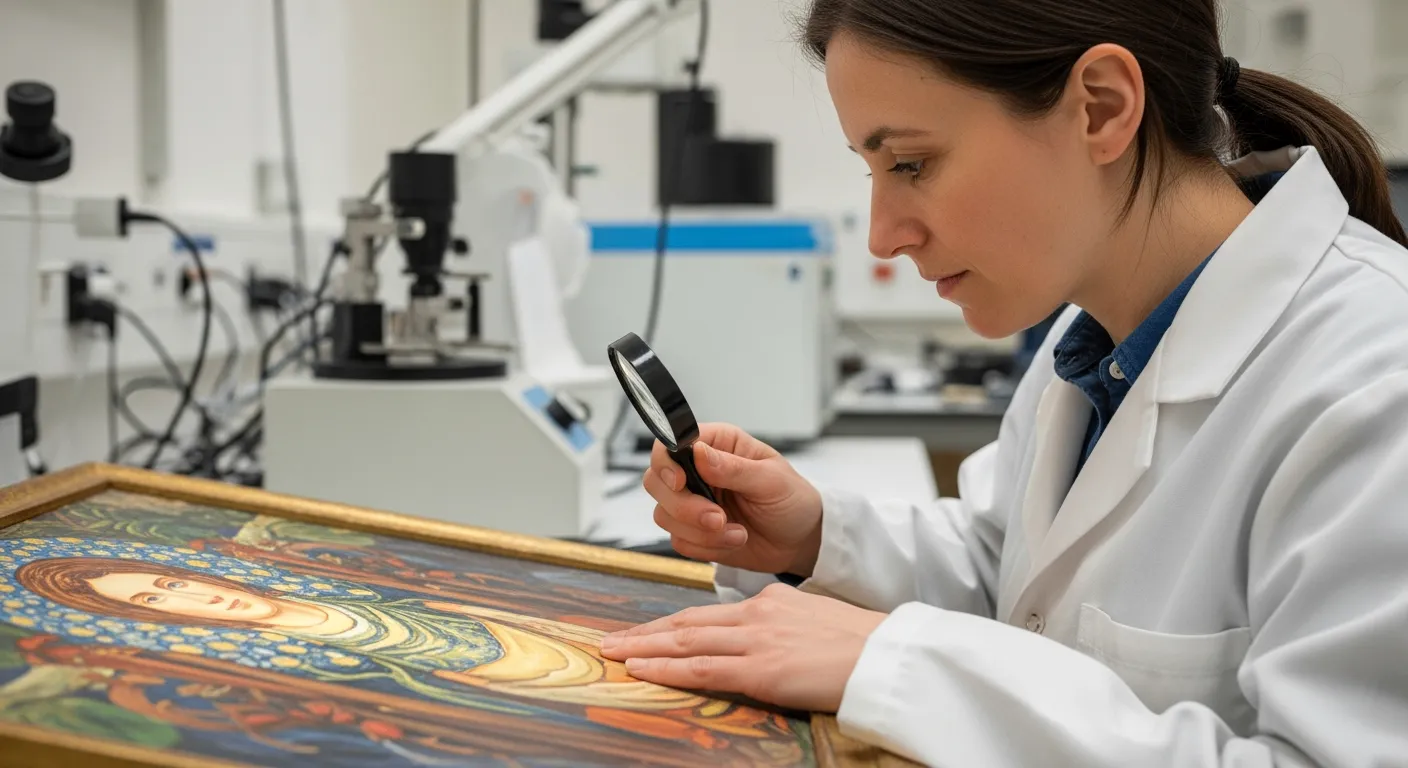
Pigment analysis plays a crucial role in the conservation of Pre-Raphaelite paintings, providing conservators with essential information about the materials and techniques used by the artists. By identifying the pigments present in a painting, conservators can better understand its condition and develop appropriate treatment strategies.
Pigment analysis can also help conservators to identify areas of the painting that are particularly vulnerable to deterioration. This information can be used to prioritize conservation efforts and to develop preventive measures to protect the painting from further damage.
For example, if pigment analysis reveals the presence of emerald green, conservators may take steps to reduce the painting’s exposure to light and humidity, as these factors can accelerate the degradation of the pigment. Similarly, if analysis reveals the presence of alizarin crimson, conservators may use specialized lighting to minimize fading.
Pigment analysis can also be used to authenticate paintings and to detect forgeries. By comparing the pigments used in a painting to those known to have been used by a particular artist, experts can determine whether the painting is likely to be genuine or not.
Furthermore, pigment analysis can help conservators understand the original appearance of a painting. Over time, some pigments may fade or change color, altering the overall look of the artwork.
By identifying the original pigments, conservators can make informed decisions about how to restore the painting to its former glory. This might involve retouching faded areas or removing discolored varnishes.
Pigment analysis also assists in selecting appropriate cleaning methods. Some cleaning agents can react negatively with certain pigments, causing further damage to the painting.
By knowing the exact composition of the pigments, conservators can choose cleaning agents that are safe and effective. This ensures that the cleaning process does not harm the artwork.
In essence, pigment analysis is an indispensable tool for conservators working to preserve Pre-Raphaelite paintings. It provides the knowledge needed to make informed decisions about treatment and care, ensuring that these artistic treasures endure for generations to come.
Modern Techniques for Pigment Analysis
Modern techniques for pigment analysis have revolutionized the field of art conservation, allowing conservators to identify pigments with greater accuracy and precision than ever before. These techniques include non-destructive methods, such as X-ray fluorescence (XRF) spectroscopy and Raman spectroscopy, which can be used to analyze pigments without taking samples from the painting.
XRF spectroscopy works by bombarding the painting with X-rays and measuring the energy of the X-rays emitted by the pigments. This allows conservators to identify the elements present in the pigments and to determine their chemical composition.
Raman spectroscopy works by shining a laser beam on the painting and measuring the way the light is scattered by the pigments. This provides information about the molecular structure of the pigments and can be used to identify specific pigments and their crystalline forms.
Other techniques, such as gas chromatography-mass spectrometry (GC-MS) and high-performance liquid chromatography (HPLC), require taking small samples from the painting. These techniques are more invasive, but they can provide more detailed information about the organic components of the pigments and binding media.
Another non-destructive technique is hyperspectral imaging, which captures a wide range of wavelengths of light reflected from the painting’s surface. This data can be used to create a spectral map of the painting, revealing the distribution of different pigments and materials.
Scanning electron microscopy (SEM) is a powerful technique that can be used to examine the surface of a painting at very high magnification. SEM can reveal the size, shape, and distribution of pigment particles, providing valuable information about the artist’s technique.
Energy-dispersive X-ray spectroscopy (EDS) is often used in conjunction with SEM to identify the elemental composition of individual pigment particles. This combination of techniques provides a comprehensive analysis of the painting’s materials.
These modern techniques have greatly enhanced our ability to understand and preserve Pre-Raphaelite paintings. By providing detailed information about the materials and techniques used by the artists, these techniques help conservators to make informed decisions about treatment and care.
The continued development of new and improved techniques for pigment analysis promises to further advance the field of art conservation. These advances will help us to protect these artistic treasures for future generations.
Conclusion
The pigment analysis of Pre-Raphaelite paintings offers a fascinating glimpse into the materials and techniques used by these influential artists. By understanding the chemical composition of the pigments they employed, we can gain a deeper appreciation for their artistic vision and the challenges of preserving their works for future generations.
The use of pigment analysis of Pre-Raphaelite paintings not only helps in conservation efforts but also enhances our understanding of the artistic process itself. It allows us to connect more intimately with the Pre-Raphaelites’ world, appreciating the lengths they went to in pursuit of their artistic ideals.
Through the application of modern scientific techniques, we can unlock the secrets hidden within these masterpieces. The knowledge gained from pigment analysis informs conservation strategies, ensuring the longevity of these cultural treasures.
The Pre-Raphaelites’ dedication to realism, vibrant color, and symbolic meaning continues to captivate audiences today. By studying their materials and methods, we gain a deeper understanding of their artistic achievements.
The ongoing research and conservation efforts surrounding Pre-Raphaelite art are a testament to its enduring significance. These endeavors ensure that future generations will have the opportunity to experience the beauty and power of these remarkable paintings.