

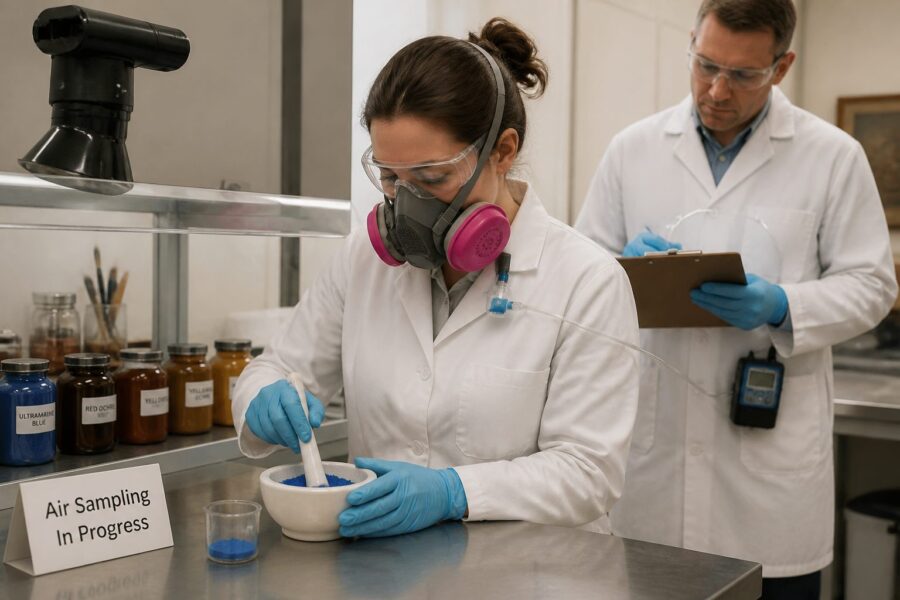
This technique not only helps to control dust but can also enhance the grinding process by creating a paste that may improve the quality and performance of the final pigment product. The use of moisture can help to better disperse the pigment particles, leading to a more uniform consistency and potentially superior application in artistic works.
While wet grinding may not be suitable for all types of pigments, it is worth considering for those that allow for this method, particularly when working with materials known to produce harmful dust. Adopting wet grinding techniques can lead to a safer and more efficient workflow, ultimately benefiting both the health of conservators and the quality of their work.
In summary, wet grinding is an effective method to reduce airborne dust generation and protect conservators from potential respiratory hazards associated with pigment inhalation. This technique has the potential to significantly enhance both safety and quality in conservation practices, making it an important consideration for those working with pigments.
Exploring alternative grinding methods is essential for promoting safety in conservation studios and ensuring that artists can work with historical pigments without compromising their health. With adequate planning and experimentation, wet grinding can become a standard practice that contributes to a safer working environment.
Health Surveillance Programs for Conservators Who Regularly Grind Pigments
Establishing health surveillance programs is crucial for conservators who regularly grind pigments, as these initiatives can help identify early signs of occupational illness related to pigment inhalation. By implementing regular health check-ups and monitoring lung function, conservators can stay informed about their respiratory health and take action when necessary.
Regular health check-ups can monitor lung function and other potential health issues, allowing conservators to catch any problems before they become serious. This proactive approach allows for early intervention and better health outcomes for conservators, ensuring that they can continue their important work without jeopardizing their well-being.
Additionally, education about the risks associated with pigment work is vital for all participants in the conservation process. Awareness can empower conservators to take necessary precautions in their practices, fostering a culture of safety and responsibility within the studio environment.
Furthermore, incorporating health surveillance into workplace safety protocols can enhance overall safety culture and commitment to health monitoring. A commitment to health monitoring demonstrates a dedication to the well-being of all individuals in the conservation studio, reinforcing the importance of safety in every aspect of pigment work.
In conclusion, health surveillance programs are essential for those regularly exposed to pigment inhalation risks, as they provide valuable insights into the health of conservators. These initiatives can significantly improve health outcomes and safety in conservation environments, ultimately protecting the individuals who contribute to the preservation of cultural heritage.
Case Reports of Pulmonary Disease Associated With Pigment Inhalation
Numerous case reports have documented pulmonary diseases associated with pigment inhalation, highlighting the serious health risks involved in pigment work. These cases serve as critical reminders of the potential dangers faced by artists and conservators, emphasizing the need for robust safety measures in conservation practices.
Common health issues reported include chronic bronchitis, asthma, and even more severe pulmonary conditions that can develop after prolonged exposure to harmful pigment dust. Such reports underscore the importance of implementing safety measures in conservation studios to protect individuals from the well-documented risks associated with pigment inhalation.
In addition to individual cases, studies have shown correlations between specific pigments and respiratory diseases, reinforcing the need for heightened awareness in the conservation community. Awareness of these links can guide safer practices in pigment work and encourage conservators to take necessary precautions to minimize exposure.
Furthermore, analyzing case reports can inform future research and policies on occupational exposure limits, contributing to a growing body of knowledge aimed at improving workplace safety. This knowledge can foster safer environments for those working with historical pigments, ultimately benefiting both the health of conservators and the preservation of cultural heritage.
In summary, case reports of pulmonary disease underscore the need for vigilance in pigment safety and the importance of proactive measures in conservation studios. By learning from these cases and implementing effective safety protocols, conservators can better protect themselves and their colleagues from occupational hazards associated with pigment work.
Understanding the difference between these two measurements is essential for effective health monitoring, as relying solely on total dust measurements could result in underestimating the actual health risks faced by conservators. In many cases, exposure limits do not account for the smaller, more hazardous particles produced during dry grinding, leading to gaps in safety protocols.
These discrepancies highlight the need for accurate monitoring methods in conservation studios to ensure the safety of individuals working with pigments. By focusing on the respirable fraction, conservators can better assess their exposure to harmful pigments and implement necessary safety measures to mitigate these risks.
Implementing appropriate measurement techniques can lead to more effective safety measures that directly address the hazards of pigment dust inhalation. This will ensure that artists and conservators are not exposed to unsafe levels of pigment dust inhalation risk and can work in a healthier environment.
In conclusion, understanding the differences between respirable fraction and total dust is vital for implementing effective safety protocols. This knowledge can significantly impact the safety measures established in conservation environments and contribute to the overall well-being of those working with pigments.
Monitoring Airborne Pigment Concentrations in Studio Environments
Regular monitoring of airborne pigment concentrations is essential for maintaining a safe working environment in conservation studios. By measuring pigment levels consistently, conservators can assess their risk of exposure to harmful dust and take appropriate action if levels exceed established safety thresholds.
Different methods exist for monitoring airborne concentrations, including personal sampling and area sampling techniques, each with its own advantages and limitations. Selecting the appropriate method depends on the specific conditions of the conservation studio, including factors such as layout, ventilation, and the nature of the pigments being used.
Using real-time monitoring devices can provide immediate feedback on airborne concentrations, allowing conservators to make informed decisions regarding safety measures and protective equipment based on current conditions. This proactive approach can help prevent overexposure to harmful pigment dust and ensure a safer working environment for all individuals involved.
Additionally, establishing a baseline for normal pigment levels can help identify potential hazards and trigger timely interventions when levels exceed what is typically considered safe. Consistent monitoring can reveal trends in pigment levels over time and alert conservators to changing conditions in the studio that may require adjustments to safety protocols.
In summary, effective monitoring of airborne pigment concentrations is crucial for maintaining safety in conservation studios. This practice plays a significant role in ensuring the safety and health of those working with historical pigments, ultimately contributing to the preservation of cultural heritage.
Occupational Exposure Limits for Common Pigment-Derived Metals
Occupational exposure limits (OELs) for common pigment-derived metals provide crucial guidelines for safe exposure levels that should not be exceeded. These limits are established based on comprehensive studies of the health impacts associated with these substances, taking into account factors such as toxicity, exposure duration, and potential for accumulation in the body.
The most common metals of concern in pigment work include lead, cadmium, and chromium, all of which have been linked to serious health issues when inhaled or ingested over time. Each of these metals has specific OELs designed to protect individuals from the harmful effects of pigment inhalation during dry grinding and other processes.
It’s essential for conservators to be aware of these limits in order to evaluate their exposure risks and ensure that their practices align with established safety guidelines. Sustained exposure to levels above these limits can result in serious health issues over time, including neurological damage, respiratory diseases, and various forms of cancer.
Regular training and updates on OELs can empower conservators to prioritize safety in their daily practices, helping them recognize potential hazards and implement necessary precautions. Adhering to these guidelines is a fundamental aspect of grinding pigment safety that can significantly contribute to reducing health risks in conservation environments.
In conclusion, understanding occupational exposure limits is vital for anyone working with pigments, particularly in conservation settings where complex materials are frequently handled. Awareness of these limits helps ensure a safer working environment for artists and conservators alike, fostering a culture of health and safety in the field.
Respiratory Protection Selection: Filtering Facepieces vs. Elastomeric Masks
When working in environments with potential pigment inhalation risks, selecting appropriate respiratory protection is crucial for safeguarding health. Filtering facepieces and elastomeric masks are the two primary options available for conservators, each with unique characteristics that cater to different needs and exposure scenarios.
Filtering facepieces are lightweight and easy to use, making them a popular choice for short-term tasks, but they may not provide adequate protection for long-term exposure to harmful pigments. On the other hand, elastomeric masks offer better fit, reusability, and filtration efficiency, but they require more maintenance and proper cleaning to ensure their effectiveness over time.
- Lightweight and disposable, making them convenient for occasional use
- Higher filtration efficiency, particularly for fine particles
- Comfort during prolonged use, depending on the fit
- Cost-effectiveness, as they are often less expensive
- Ease of cleaning, especially for reusable options
Choosing the right respiratory protection depends on specific work conditions, exposure levels, and the tasks being performed. Both options have their advantages, and understanding these can promote safer practices, ensuring that conservators are adequately protected from harmful inhalation risks while working with pigments.
In summary, selecting the appropriate respiratory protection is essential in conservation studios to minimize exposure to harmful dust and vapors. This choice can significantly impact the health and safety of those involved in pigment work, making it a critical consideration for anyone handling these materials.
Engineering Controls: Local Exhaust Ventilation Over Grinding Stations
Implementing engineering controls such as local exhaust ventilation (LEV) is vital in reducing airborne pigment concentrations and protecting the health of conservators. LEV systems are designed to effectively capture dust at the source of generation, preventing it from dispersing into the studio environment and reducing the overall inhalation risk.
By placing LEV systems over grinding stations, conservators can significantly lower their exposure to harmful pigments, ensuring that any dust generated during the grinding process is efficiently removed. This proactive approach is essential for minimizing the risks associated with pigment dust inhalation and creating a safer workspace for all individuals involved in conservation practices.
In addition to LEV, maintaining good general ventilation in the studio is also important to further dilute airborne contaminants and enhance overall air quality. Combining these strategies creates a comprehensive approach to managing inhalation risks and protecting the health of artists and conservators alike.
Regular maintenance of ventilation systems ensures their efficiency and effectiveness, allowing them to operate at optimal performance levels. Properly functioning ventilation systems are crucial for safeguarding the health of conservators and artists, as they play a significant role in reducing airborne contaminants and providing a safer working environment.
In summary, engineering controls like local exhaust ventilation can significantly reduce respiratory hazards in conservation studios, making them an essential part of any safety plan. Implementing these measures is a necessary step in promoting safe working conditions and protecting the well-being of those involved in pigment work.
Wet Grinding as an Alternative to Reduce Airborne Dust Generation
Wet grinding presents a viable alternative to dry grinding, significantly reducing airborne dust generation and enhancing safety for conservators. By using water or other liquids during the grinding process, this method can minimize the inhalation risk associated with pigment dust while also improving the quality of the pigments produced.
This technique not only helps to control dust but can also enhance the grinding process by creating a paste that may improve the quality and performance of the final pigment product. The use of moisture can help to better disperse the pigment particles, leading to a more uniform consistency and potentially superior application in artistic works.
While wet grinding may not be suitable for all types of pigments, it is worth considering for those that allow for this method, particularly when working with materials known to produce harmful dust. Adopting wet grinding techniques can lead to a safer and more efficient workflow, ultimately benefiting both the health of conservators and the quality of their work.
In summary, wet grinding is an effective method to reduce airborne dust generation and protect conservators from potential respiratory hazards associated with pigment inhalation. This technique has the potential to significantly enhance both safety and quality in conservation practices, making it an important consideration for those working with pigments.
Exploring alternative grinding methods is essential for promoting safety in conservation studios and ensuring that artists can work with historical pigments without compromising their health. With adequate planning and experimentation, wet grinding can become a standard practice that contributes to a safer working environment.
Health Surveillance Programs for Conservators Who Regularly Grind Pigments
Establishing health surveillance programs is crucial for conservators who regularly grind pigments, as these initiatives can help identify early signs of occupational illness related to pigment inhalation. By implementing regular health check-ups and monitoring lung function, conservators can stay informed about their respiratory health and take action when necessary.
Regular health check-ups can monitor lung function and other potential health issues, allowing conservators to catch any problems before they become serious. This proactive approach allows for early intervention and better health outcomes for conservators, ensuring that they can continue their important work without jeopardizing their well-being.
Additionally, education about the risks associated with pigment work is vital for all participants in the conservation process. Awareness can empower conservators to take necessary precautions in their practices, fostering a culture of safety and responsibility within the studio environment.
Furthermore, incorporating health surveillance into workplace safety protocols can enhance overall safety culture and commitment to health monitoring. A commitment to health monitoring demonstrates a dedication to the well-being of all individuals in the conservation studio, reinforcing the importance of safety in every aspect of pigment work.
In conclusion, health surveillance programs are essential for those regularly exposed to pigment inhalation risks, as they provide valuable insights into the health of conservators. These initiatives can significantly improve health outcomes and safety in conservation environments, ultimately protecting the individuals who contribute to the preservation of cultural heritage.
Case Reports of Pulmonary Disease Associated With Pigment Inhalation
Numerous case reports have documented pulmonary diseases associated with pigment inhalation, highlighting the serious health risks involved in pigment work. These cases serve as critical reminders of the potential dangers faced by artists and conservators, emphasizing the need for robust safety measures in conservation practices.
Common health issues reported include chronic bronchitis, asthma, and even more severe pulmonary conditions that can develop after prolonged exposure to harmful pigment dust. Such reports underscore the importance of implementing safety measures in conservation studios to protect individuals from the well-documented risks associated with pigment inhalation.
In addition to individual cases, studies have shown correlations between specific pigments and respiratory diseases, reinforcing the need for heightened awareness in the conservation community. Awareness of these links can guide safer practices in pigment work and encourage conservators to take necessary precautions to minimize exposure.
Furthermore, analyzing case reports can inform future research and policies on occupational exposure limits, contributing to a growing body of knowledge aimed at improving workplace safety. This knowledge can foster safer environments for those working with historical pigments, ultimately benefiting both the health of conservators and the preservation of cultural heritage.
In summary, case reports of pulmonary disease underscore the need for vigilance in pigment safety and the importance of proactive measures in conservation studios. By learning from these cases and implementing effective safety protocols, conservators can better protect themselves and their colleagues from occupational hazards associated with pigment work.
In the world of art conservation, pigment safety is a crucial concern, especially when it involves dry grinding techniques that are often employed to prepare pigments for use. The inhalation risk associated with pigment dust during this process can pose significant health hazards for conservators and artists alike, potentially leading to serious respiratory issues and other health complications if not properly managed.
Understanding the nature of pigment inhalation and its associated risks can lead to better safety practices and informed decision-making in conservation settings. This article explores the various aspects of pigment work, focusing on dry grinding and its impact on respiratory health, while emphasizing the importance of implementing effective safety measures to protect individuals involved in these processes.
From the particle size distribution to engineering controls, awareness and proactive measures are essential for maintaining a safe working environment. By implementing effective strategies that include proper ventilation, personal protective equipment, and regular monitoring, we can mitigate the dangers posed by pigment dust inhalation and safeguard the health of artists and conservators.
Why Dry Grinding Represents the Highest Inhalation Risk in Pigment Work
Dry grinding of pigments generates an aerosol of fine particles that can easily become airborne and pose a significant risk to those working in close proximity. These particles, when inhaled, can penetrate deep into the lungs, leading to various health complications that may manifest as chronic respiratory illnesses, reduced lung function, or other serious medical conditions over time.
The risk is exacerbated by the fact that many pigments contain hazardous materials like heavy metals, which can have acute and chronic toxic effects on human health. As a result, the concern over pigment dust inhalation risk is well-founded in the conservation community, prompting the need for stricter safety protocols and guidelines to protect individuals from these dangers.
Inhalation of fine pigment dust is a significant occupational exposure risk for artists and conservators, making it imperative to understand this risk to reduce potential health hazards. Understanding this risk is the first step in implementing proper grinding pigment safety measures, which can significantly reduce the likelihood of adverse health effects over time.
Moreover, the lack of adequate protective measures can lead to long-term health issues that may not be immediately apparent. These can include chronic respiratory diseases such as chronic obstructive pulmonary disease (COPD) or even more severe conditions associated with toxic pigment exposure, necessitating a proactive approach to safety in pigment work.
Therefore, it is critical to recognize the dangers of dry grinding and to take appropriate precautions to ensure the safety of everyone involved. Enhanced awareness through education and training can help protect individuals working with these materials in conservation studios and reduce the overall risk of occupational illness.
Particle Size Distribution and Its Relationship to Lung Deposition
The size of particles generated during dry grinding significantly influences how they are deposited in the lungs, with smaller particles presenting a greater risk to respiratory health. Smaller particles tend to bypass the body’s natural defenses, such as nasal hairs and mucous membranes, and reach deeper areas of the respiratory system, where they can cause significant harm.
Understanding particle size distribution is essential for assessing the potential health risks associated with pigment inhalation, as the fine dust produced during grinding can vary widely in size. The finer the particles, the higher the likelihood of lung deposition, increasing the risk of adverse health effects that can arise from prolonged exposure to these toxic materials.
| Particle Size (µm) | Deposition Site | Health Implications |
|---|---|---|
| 0.1 – 2.5 | Alveolar region | Chronic respiratory issues |
| 2.5 – 10 | Tracheobronchial region | Bronchitis, asthma |
| 10+ | Nasal passages | Allergic reactions |
| 1 – 5 | Lower airways | Infection risk |
Knowing how these particles behave in the lungs allows conservators to better protect themselves from the risks associated with inhaling toxic pigment dust. Proper monitoring and control measures can reduce the risks associated with pigment inhalation, contributing to a safer working environment for all individuals involved in conservation practices.
In summary, the relationship between particle size distribution and lung deposition is critical for understanding the health risks posed by pigment dust. This understanding forms the basis for implementing effective safety protocols in conservation studios, ensuring that artists and conservators are adequately protected from harmful exposure.
Respirable Fraction vs. Total Dust: What Exposure Limits Actually Measure
Occupational exposure limits (OELs) are often measured in terms of total dust, which can be misleading and may not accurately reflect the true risk of inhalation. The respirable fraction, however, refers specifically to particles that can penetrate the lungs and is a more relevant measurement for assessing inhalation risk, particularly in environments where fine pigment dust is present.
Understanding the difference between these two measurements is essential for effective health monitoring, as relying solely on total dust measurements could result in underestimating the actual health risks faced by conservators. In many cases, exposure limits do not account for the smaller, more hazardous particles produced during dry grinding, leading to gaps in safety protocols.
These discrepancies highlight the need for accurate monitoring methods in conservation studios to ensure the safety of individuals working with pigments. By focusing on the respirable fraction, conservators can better assess their exposure to harmful pigments and implement necessary safety measures to mitigate these risks.
Implementing appropriate measurement techniques can lead to more effective safety measures that directly address the hazards of pigment dust inhalation. This will ensure that artists and conservators are not exposed to unsafe levels of pigment dust inhalation risk and can work in a healthier environment.
In conclusion, understanding the differences between respirable fraction and total dust is vital for implementing effective safety protocols. This knowledge can significantly impact the safety measures established in conservation environments and contribute to the overall well-being of those working with pigments.
Monitoring Airborne Pigment Concentrations in Studio Environments
Regular monitoring of airborne pigment concentrations is essential for maintaining a safe working environment in conservation studios. By measuring pigment levels consistently, conservators can assess their risk of exposure to harmful dust and take appropriate action if levels exceed established safety thresholds.
Different methods exist for monitoring airborne concentrations, including personal sampling and area sampling techniques, each with its own advantages and limitations. Selecting the appropriate method depends on the specific conditions of the conservation studio, including factors such as layout, ventilation, and the nature of the pigments being used.
Using real-time monitoring devices can provide immediate feedback on airborne concentrations, allowing conservators to make informed decisions regarding safety measures and protective equipment based on current conditions. This proactive approach can help prevent overexposure to harmful pigment dust and ensure a safer working environment for all individuals involved.
Additionally, establishing a baseline for normal pigment levels can help identify potential hazards and trigger timely interventions when levels exceed what is typically considered safe. Consistent monitoring can reveal trends in pigment levels over time and alert conservators to changing conditions in the studio that may require adjustments to safety protocols.
In summary, effective monitoring of airborne pigment concentrations is crucial for maintaining safety in conservation studios. This practice plays a significant role in ensuring the safety and health of those working with historical pigments, ultimately contributing to the preservation of cultural heritage.
Occupational Exposure Limits for Common Pigment-Derived Metals
Occupational exposure limits (OELs) for common pigment-derived metals provide crucial guidelines for safe exposure levels that should not be exceeded. These limits are established based on comprehensive studies of the health impacts associated with these substances, taking into account factors such as toxicity, exposure duration, and potential for accumulation in the body.
The most common metals of concern in pigment work include lead, cadmium, and chromium, all of which have been linked to serious health issues when inhaled or ingested over time. Each of these metals has specific OELs designed to protect individuals from the harmful effects of pigment inhalation during dry grinding and other processes.
It’s essential for conservators to be aware of these limits in order to evaluate their exposure risks and ensure that their practices align with established safety guidelines. Sustained exposure to levels above these limits can result in serious health issues over time, including neurological damage, respiratory diseases, and various forms of cancer.
Regular training and updates on OELs can empower conservators to prioritize safety in their daily practices, helping them recognize potential hazards and implement necessary precautions. Adhering to these guidelines is a fundamental aspect of grinding pigment safety that can significantly contribute to reducing health risks in conservation environments.
In conclusion, understanding occupational exposure limits is vital for anyone working with pigments, particularly in conservation settings where complex materials are frequently handled. Awareness of these limits helps ensure a safer working environment for artists and conservators alike, fostering a culture of health and safety in the field.
Respiratory Protection Selection: Filtering Facepieces vs. Elastomeric Masks
When working in environments with potential pigment inhalation risks, selecting appropriate respiratory protection is crucial for safeguarding health. Filtering facepieces and elastomeric masks are the two primary options available for conservators, each with unique characteristics that cater to different needs and exposure scenarios.
Filtering facepieces are lightweight and easy to use, making them a popular choice for short-term tasks, but they may not provide adequate protection for long-term exposure to harmful pigments. On the other hand, elastomeric masks offer better fit, reusability, and filtration efficiency, but they require more maintenance and proper cleaning to ensure their effectiveness over time.
- Lightweight and disposable, making them convenient for occasional use
- Higher filtration efficiency, particularly for fine particles
- Comfort during prolonged use, depending on the fit
- Cost-effectiveness, as they are often less expensive
- Ease of cleaning, especially for reusable options
Choosing the right respiratory protection depends on specific work conditions, exposure levels, and the tasks being performed. Both options have their advantages, and understanding these can promote safer practices, ensuring that conservators are adequately protected from harmful inhalation risks while working with pigments.
In summary, selecting the appropriate respiratory protection is essential in conservation studios to minimize exposure to harmful dust and vapors. This choice can significantly impact the health and safety of those involved in pigment work, making it a critical consideration for anyone handling these materials.
Engineering Controls: Local Exhaust Ventilation Over Grinding Stations
Implementing engineering controls such as local exhaust ventilation (LEV) is vital in reducing airborne pigment concentrations and protecting the health of conservators. LEV systems are designed to effectively capture dust at the source of generation, preventing it from dispersing into the studio environment and reducing the overall inhalation risk.
By placing LEV systems over grinding stations, conservators can significantly lower their exposure to harmful pigments, ensuring that any dust generated during the grinding process is efficiently removed. This proactive approach is essential for minimizing the risks associated with pigment dust inhalation and creating a safer workspace for all individuals involved in conservation practices.
In addition to LEV, maintaining good general ventilation in the studio is also important to further dilute airborne contaminants and enhance overall air quality. Combining these strategies creates a comprehensive approach to managing inhalation risks and protecting the health of artists and conservators alike.
Regular maintenance of ventilation systems ensures their efficiency and effectiveness, allowing them to operate at optimal performance levels. Properly functioning ventilation systems are crucial for safeguarding the health of conservators and artists, as they play a significant role in reducing airborne contaminants and providing a safer working environment.
In summary, engineering controls like local exhaust ventilation can significantly reduce respiratory hazards in conservation studios, making them an essential part of any safety plan. Implementing these measures is a necessary step in promoting safe working conditions and protecting the well-being of those involved in pigment work.
Wet Grinding as an Alternative to Reduce Airborne Dust Generation
Wet grinding presents a viable alternative to dry grinding, significantly reducing airborne dust generation and enhancing safety for conservators. By using water or other liquids during the grinding process, this method can minimize the inhalation risk associated with pigment dust while also improving the quality of the pigments produced.
This technique not only helps to control dust but can also enhance the grinding process by creating a paste that may improve the quality and performance of the final pigment product. The use of moisture can help to better disperse the pigment particles, leading to a more uniform consistency and potentially superior application in artistic works.
While wet grinding may not be suitable for all types of pigments, it is worth considering for those that allow for this method, particularly when working with materials known to produce harmful dust. Adopting wet grinding techniques can lead to a safer and more efficient workflow, ultimately benefiting both the health of conservators and the quality of their work.
In summary, wet grinding is an effective method to reduce airborne dust generation and protect conservators from potential respiratory hazards associated with pigment inhalation. This technique has the potential to significantly enhance both safety and quality in conservation practices, making it an important consideration for those working with pigments.
Exploring alternative grinding methods is essential for promoting safety in conservation studios and ensuring that artists can work with historical pigments without compromising their health. With adequate planning and experimentation, wet grinding can become a standard practice that contributes to a safer working environment.
Health Surveillance Programs for Conservators Who Regularly Grind Pigments
Establishing health surveillance programs is crucial for conservators who regularly grind pigments, as these initiatives can help identify early signs of occupational illness related to pigment inhalation. By implementing regular health check-ups and monitoring lung function, conservators can stay informed about their respiratory health and take action when necessary.
Regular health check-ups can monitor lung function and other potential health issues, allowing conservators to catch any problems before they become serious. This proactive approach allows for early intervention and better health outcomes for conservators, ensuring that they can continue their important work without jeopardizing their well-being.
Additionally, education about the risks associated with pigment work is vital for all participants in the conservation process. Awareness can empower conservators to take necessary precautions in their practices, fostering a culture of safety and responsibility within the studio environment.
Furthermore, incorporating health surveillance into workplace safety protocols can enhance overall safety culture and commitment to health monitoring. A commitment to health monitoring demonstrates a dedication to the well-being of all individuals in the conservation studio, reinforcing the importance of safety in every aspect of pigment work.
In conclusion, health surveillance programs are essential for those regularly exposed to pigment inhalation risks, as they provide valuable insights into the health of conservators. These initiatives can significantly improve health outcomes and safety in conservation environments, ultimately protecting the individuals who contribute to the preservation of cultural heritage.
Case Reports of Pulmonary Disease Associated With Pigment Inhalation
Numerous case reports have documented pulmonary diseases associated with pigment inhalation, highlighting the serious health risks involved in pigment work. These cases serve as critical reminders of the potential dangers faced by artists and conservators, emphasizing the need for robust safety measures in conservation practices.
Common health issues reported include chronic bronchitis, asthma, and even more severe pulmonary conditions that can develop after prolonged exposure to harmful pigment dust. Such reports underscore the importance of implementing safety measures in conservation studios to protect individuals from the well-documented risks associated with pigment inhalation.
In addition to individual cases, studies have shown correlations between specific pigments and respiratory diseases, reinforcing the need for heightened awareness in the conservation community. Awareness of these links can guide safer practices in pigment work and encourage conservators to take necessary precautions to minimize exposure.
Furthermore, analyzing case reports can inform future research and policies on occupational exposure limits, contributing to a growing body of knowledge aimed at improving workplace safety. This knowledge can foster safer environments for those working with historical pigments, ultimately benefiting both the health of conservators and the preservation of cultural heritage.
In summary, case reports of pulmonary disease underscore the need for vigilance in pigment safety and the importance of proactive measures in conservation studios. By learning from these cases and implementing effective safety protocols, conservators can better protect themselves and their colleagues from occupational hazards associated with pigment work.


