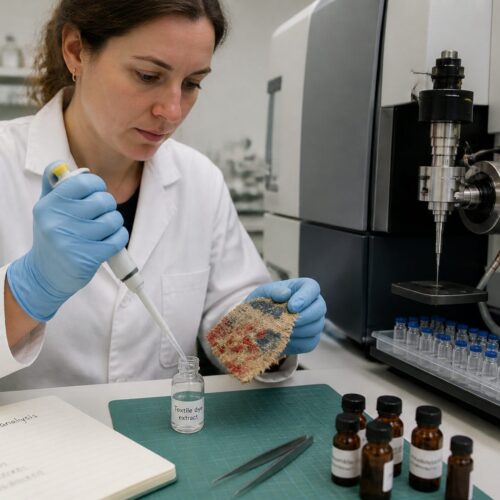

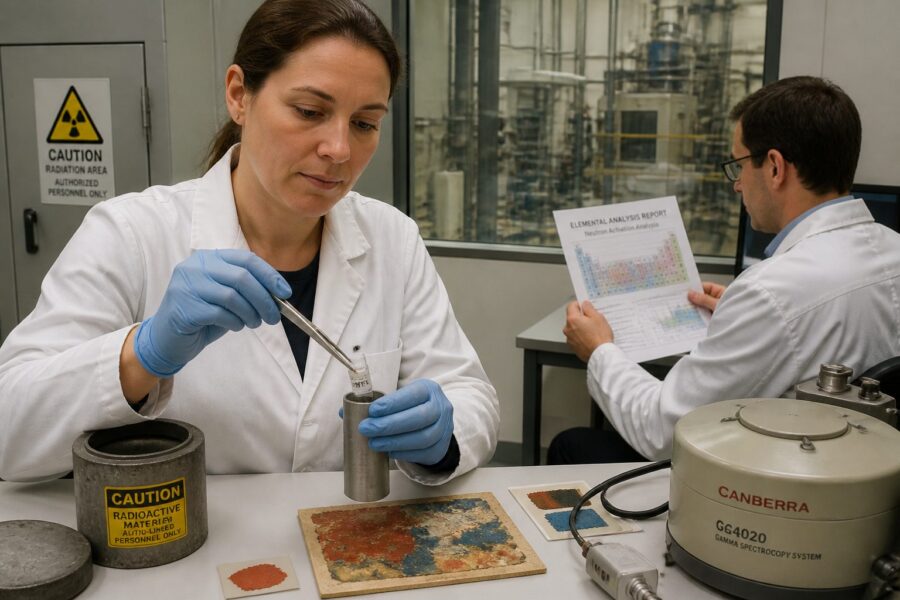
Another compelling case study focused on the identification of lead-based pigments in ancient manuscripts, confirming their source and providing insights into trade practices of the time that influenced artistic production. These studies underscore the importance of NAA in enhancing our understanding of historical art production and the socio-economic factors that shaped it.
Through meticulous analysis and comparison of elemental profiles, researchers have been able to reconstruct the historical significance of various pigments, shedding light on the technological capabilities and artistic practices of past civilizations. Such findings contribute to the broader narrative of cultural exchange and material sourcing in art history, highlighting how interconnected human activities have always been.
These case studies not only validate the effectiveness of NAA but also highlight its role in the conservation of cultural heritage, allowing for informed decisions regarding the preservation of artworks. By attributing pigments to their origins, we gain insights into the technological capabilities and artistic practices of past civilizations, enriching our appreciation of their achievements.
Ultimately, these applications of NAA demonstrate the method’s potential to bridge the gap between science and the arts, fostering a deeper understanding of the materials that comprise our cultural heritage. This interdisciplinary approach enriches our understanding and appreciation of historical pigments and their role in cultural narratives across time and space.
Access to NAA Facilities and the Future of Nuclear Methods in Conservation
Access to NAA facilities is essential for researchers and conservators aiming to utilize this powerful analytical technique, which can provide insights that traditional methods may overlook. Many universities and national laboratories offer NAA services, creating opportunities for collaboration and knowledge sharing among professionals in the fields of art history, conservation, and materials science.
The future of nuclear methods in conservation looks promising, with advancements in technology continually enhancing the capabilities of NAA. As research continues to evolve, we anticipate more refined methodologies and broader accessibility to NAA facilities, which will allow for a more comprehensive understanding of historical materials.
As the field of art conservation embraces scientific techniques, the integration of NAA will play a pivotal role in preserving and understanding cultural heritage, ensuring that the stories behind artworks are not lost to time. By fostering partnerships between scientists and conservators, we can ensure that historical pigments are studied and conserved with the utmost care, enhancing our appreciation of human creativity.
In conclusion, the application of neutron activation analysis in the study of historical pigments offers significant benefits for provenance research that enriches our understanding of artistic practices. This technique not only enhances our appreciation of art history but also supports the conservation efforts that protect our cultural heritage for future generations, ensuring that the legacy of human creativity continues to inspire.
Before activation, samples must be prepared in designated areas equipped with appropriate safety measures, and protective equipment should be worn by personnel to minimize exposure. Following activation, samples are allowed to decay for a specific time to reduce radiation levels before analysis, ensuring that researchers can handle them safely.
Typically, the activation timeline can vary depending on the isotopes present in the sample, as different isotopes have unique decay rates that influence the timing of subsequent analyses. Understanding these decay rates is essential for ensuring safe handling and accurate analysis, as it allows researchers to determine the optimal waiting period before proceeding with their work.
Researchers must also be trained in comprehensive radiation safety practices, including proper disposal methods for activated samples that adhere to regulatory guidelines. This training is crucial for minimizing the risks associated with handling radioactive materials and ensuring that all safety protocols are followed meticulously.
By implementing robust radiation safety protocols, the integrity of the research is preserved while ensuring the well-being of all involved, which is essential for fostering a responsible research environment. This commitment to safety reinforces the responsible use of nuclear methods in conservation, promoting the advancement of scientific knowledge in a safe manner.
Case Studies Using NAA to Attribute Pigment Mine Origin
Numerous case studies illustrate the successful application of NAA in attributing the origins of historical pigments, providing concrete examples of its effectiveness. One notable example involved the analysis of blue pigments used in Renaissance paintings, revealing distinct elemental signatures linked to specific mines that were used to source the materials.
Another compelling case study focused on the identification of lead-based pigments in ancient manuscripts, confirming their source and providing insights into trade practices of the time that influenced artistic production. These studies underscore the importance of NAA in enhancing our understanding of historical art production and the socio-economic factors that shaped it.
Through meticulous analysis and comparison of elemental profiles, researchers have been able to reconstruct the historical significance of various pigments, shedding light on the technological capabilities and artistic practices of past civilizations. Such findings contribute to the broader narrative of cultural exchange and material sourcing in art history, highlighting how interconnected human activities have always been.
These case studies not only validate the effectiveness of NAA but also highlight its role in the conservation of cultural heritage, allowing for informed decisions regarding the preservation of artworks. By attributing pigments to their origins, we gain insights into the technological capabilities and artistic practices of past civilizations, enriching our appreciation of their achievements.
Ultimately, these applications of NAA demonstrate the method’s potential to bridge the gap between science and the arts, fostering a deeper understanding of the materials that comprise our cultural heritage. This interdisciplinary approach enriches our understanding and appreciation of historical pigments and their role in cultural narratives across time and space.
Access to NAA Facilities and the Future of Nuclear Methods in Conservation
Access to NAA facilities is essential for researchers and conservators aiming to utilize this powerful analytical technique, which can provide insights that traditional methods may overlook. Many universities and national laboratories offer NAA services, creating opportunities for collaboration and knowledge sharing among professionals in the fields of art history, conservation, and materials science.
The future of nuclear methods in conservation looks promising, with advancements in technology continually enhancing the capabilities of NAA. As research continues to evolve, we anticipate more refined methodologies and broader accessibility to NAA facilities, which will allow for a more comprehensive understanding of historical materials.
As the field of art conservation embraces scientific techniques, the integration of NAA will play a pivotal role in preserving and understanding cultural heritage, ensuring that the stories behind artworks are not lost to time. By fostering partnerships between scientists and conservators, we can ensure that historical pigments are studied and conserved with the utmost care, enhancing our appreciation of human creativity.
In conclusion, the application of neutron activation analysis in the study of historical pigments offers significant benefits for provenance research that enriches our understanding of artistic practices. This technique not only enhances our appreciation of art history but also supports the conservation efforts that protect our cultural heritage for future generations, ensuring that the legacy of human creativity continues to inspire.
By comparing the elemental profiles of different pigments, researchers can identify patterns indicative of particular sources, leading to a deeper understanding of artistic practices and trade. This process involves statistical analyses and databases of known pigment compositions, which are essential for making accurate attributions that can withstand academic scrutiny.
Additionally, understanding the context of the artwork enhances the reliability of geographic attribution, as factors such as trade routes, cultural influences, and historical events all play a role in shaping the elemental signatures of pigments. This multifaceted approach allows researchers to piece together a more comprehensive narrative of the artistic and cultural exchanges that occurred throughout history.
Through these analyses, researchers can contribute to the broader narrative of art history and material culture, illuminating how different civilizations interacted with and influenced one another. The ability to trace pigments to their origins offers invaluable insights into the artistic practices of different cultures, enriching our understanding of their contributions to global art history.
Ultimately, the interpretation of multi-element profiles serves not only as a scientific endeavor but also as a means to preserve and appreciate cultural heritage. This intersection of art and science underscores the significance of NAA in historical pigment studies and its role in informing contemporary conservation practices.
Radiation Safety Protocols and Sample Activation Timelines
Radiation safety is a paramount concern when conducting neutron activation analysis, necessitating strict adherence to established protocols to ensure the safety of researchers and the environment during the sample activation process. Implementing these protocols helps mitigate risks associated with handling radioactive materials, thereby protecting all personnel involved in the study.
Before activation, samples must be prepared in designated areas equipped with appropriate safety measures, and protective equipment should be worn by personnel to minimize exposure. Following activation, samples are allowed to decay for a specific time to reduce radiation levels before analysis, ensuring that researchers can handle them safely.
Typically, the activation timeline can vary depending on the isotopes present in the sample, as different isotopes have unique decay rates that influence the timing of subsequent analyses. Understanding these decay rates is essential for ensuring safe handling and accurate analysis, as it allows researchers to determine the optimal waiting period before proceeding with their work.
Researchers must also be trained in comprehensive radiation safety practices, including proper disposal methods for activated samples that adhere to regulatory guidelines. This training is crucial for minimizing the risks associated with handling radioactive materials and ensuring that all safety protocols are followed meticulously.
By implementing robust radiation safety protocols, the integrity of the research is preserved while ensuring the well-being of all involved, which is essential for fostering a responsible research environment. This commitment to safety reinforces the responsible use of nuclear methods in conservation, promoting the advancement of scientific knowledge in a safe manner.
Case Studies Using NAA to Attribute Pigment Mine Origin
Numerous case studies illustrate the successful application of NAA in attributing the origins of historical pigments, providing concrete examples of its effectiveness. One notable example involved the analysis of blue pigments used in Renaissance paintings, revealing distinct elemental signatures linked to specific mines that were used to source the materials.
Another compelling case study focused on the identification of lead-based pigments in ancient manuscripts, confirming their source and providing insights into trade practices of the time that influenced artistic production. These studies underscore the importance of NAA in enhancing our understanding of historical art production and the socio-economic factors that shaped it.
Through meticulous analysis and comparison of elemental profiles, researchers have been able to reconstruct the historical significance of various pigments, shedding light on the technological capabilities and artistic practices of past civilizations. Such findings contribute to the broader narrative of cultural exchange and material sourcing in art history, highlighting how interconnected human activities have always been.
These case studies not only validate the effectiveness of NAA but also highlight its role in the conservation of cultural heritage, allowing for informed decisions regarding the preservation of artworks. By attributing pigments to their origins, we gain insights into the technological capabilities and artistic practices of past civilizations, enriching our appreciation of their achievements.
Ultimately, these applications of NAA demonstrate the method’s potential to bridge the gap between science and the arts, fostering a deeper understanding of the materials that comprise our cultural heritage. This interdisciplinary approach enriches our understanding and appreciation of historical pigments and their role in cultural narratives across time and space.
Access to NAA Facilities and the Future of Nuclear Methods in Conservation
Access to NAA facilities is essential for researchers and conservators aiming to utilize this powerful analytical technique, which can provide insights that traditional methods may overlook. Many universities and national laboratories offer NAA services, creating opportunities for collaboration and knowledge sharing among professionals in the fields of art history, conservation, and materials science.
The future of nuclear methods in conservation looks promising, with advancements in technology continually enhancing the capabilities of NAA. As research continues to evolve, we anticipate more refined methodologies and broader accessibility to NAA facilities, which will allow for a more comprehensive understanding of historical materials.
As the field of art conservation embraces scientific techniques, the integration of NAA will play a pivotal role in preserving and understanding cultural heritage, ensuring that the stories behind artworks are not lost to time. By fostering partnerships between scientists and conservators, we can ensure that historical pigments are studied and conserved with the utmost care, enhancing our appreciation of human creativity.
In conclusion, the application of neutron activation analysis in the study of historical pigments offers significant benefits for provenance research that enriches our understanding of artistic practices. This technique not only enhances our appreciation of art history but also supports the conservation efforts that protect our cultural heritage for future generations, ensuring that the legacy of human creativity continues to inspire.
NAA is particularly advantageous for complex matrices, such as historical pigments, where other methods might struggle to provide accurate results due to interference or sample preparation issues. The following list highlights the strengths of NAA in relation to ICP-MS and XRF, showcasing its unique contributions to pigment analysis.
- Non-destructive analysis that preserves the integrity of the sample
- Detection of trace elements at extremely low concentrations
- High precision for isotopic ratios, enhancing accuracy
- Minimal sample preparation required compared to other methods
- Broad elemental coverage across a wide range of materials
The unique advantages of NAA make it an essential technique for historical pigment analysis, particularly in contexts where the preservation of artifacts is paramount. By complementing other methods like ICP-MS and XRF, NAA enhances the overall understanding of pigment provenance and informs conservation strategies that respect the original materials.
Interpreting Multi-Element Profiles for Geographic Attribution
Interpreting multi-element profiles obtained from NAA is crucial for geographic attribution of historical pigments, as these profiles provide a unique fingerprint that can link pigments to specific geographic regions based on their elemental composition. This process is essential for understanding the broader contexts of art production, including regional styles and the availability of materials.
By comparing the elemental profiles of different pigments, researchers can identify patterns indicative of particular sources, leading to a deeper understanding of artistic practices and trade. This process involves statistical analyses and databases of known pigment compositions, which are essential for making accurate attributions that can withstand academic scrutiny.
Additionally, understanding the context of the artwork enhances the reliability of geographic attribution, as factors such as trade routes, cultural influences, and historical events all play a role in shaping the elemental signatures of pigments. This multifaceted approach allows researchers to piece together a more comprehensive narrative of the artistic and cultural exchanges that occurred throughout history.
Through these analyses, researchers can contribute to the broader narrative of art history and material culture, illuminating how different civilizations interacted with and influenced one another. The ability to trace pigments to their origins offers invaluable insights into the artistic practices of different cultures, enriching our understanding of their contributions to global art history.
Ultimately, the interpretation of multi-element profiles serves not only as a scientific endeavor but also as a means to preserve and appreciate cultural heritage. This intersection of art and science underscores the significance of NAA in historical pigment studies and its role in informing contemporary conservation practices.
Radiation Safety Protocols and Sample Activation Timelines
Radiation safety is a paramount concern when conducting neutron activation analysis, necessitating strict adherence to established protocols to ensure the safety of researchers and the environment during the sample activation process. Implementing these protocols helps mitigate risks associated with handling radioactive materials, thereby protecting all personnel involved in the study.
Before activation, samples must be prepared in designated areas equipped with appropriate safety measures, and protective equipment should be worn by personnel to minimize exposure. Following activation, samples are allowed to decay for a specific time to reduce radiation levels before analysis, ensuring that researchers can handle them safely.
Typically, the activation timeline can vary depending on the isotopes present in the sample, as different isotopes have unique decay rates that influence the timing of subsequent analyses. Understanding these decay rates is essential for ensuring safe handling and accurate analysis, as it allows researchers to determine the optimal waiting period before proceeding with their work.
Researchers must also be trained in comprehensive radiation safety practices, including proper disposal methods for activated samples that adhere to regulatory guidelines. This training is crucial for minimizing the risks associated with handling radioactive materials and ensuring that all safety protocols are followed meticulously.
By implementing robust radiation safety protocols, the integrity of the research is preserved while ensuring the well-being of all involved, which is essential for fostering a responsible research environment. This commitment to safety reinforces the responsible use of nuclear methods in conservation, promoting the advancement of scientific knowledge in a safe manner.
Case Studies Using NAA to Attribute Pigment Mine Origin
Numerous case studies illustrate the successful application of NAA in attributing the origins of historical pigments, providing concrete examples of its effectiveness. One notable example involved the analysis of blue pigments used in Renaissance paintings, revealing distinct elemental signatures linked to specific mines that were used to source the materials.
Another compelling case study focused on the identification of lead-based pigments in ancient manuscripts, confirming their source and providing insights into trade practices of the time that influenced artistic production. These studies underscore the importance of NAA in enhancing our understanding of historical art production and the socio-economic factors that shaped it.
Through meticulous analysis and comparison of elemental profiles, researchers have been able to reconstruct the historical significance of various pigments, shedding light on the technological capabilities and artistic practices of past civilizations. Such findings contribute to the broader narrative of cultural exchange and material sourcing in art history, highlighting how interconnected human activities have always been.
These case studies not only validate the effectiveness of NAA but also highlight its role in the conservation of cultural heritage, allowing for informed decisions regarding the preservation of artworks. By attributing pigments to their origins, we gain insights into the technological capabilities and artistic practices of past civilizations, enriching our appreciation of their achievements.
Ultimately, these applications of NAA demonstrate the method’s potential to bridge the gap between science and the arts, fostering a deeper understanding of the materials that comprise our cultural heritage. This interdisciplinary approach enriches our understanding and appreciation of historical pigments and their role in cultural narratives across time and space.
Access to NAA Facilities and the Future of Nuclear Methods in Conservation
Access to NAA facilities is essential for researchers and conservators aiming to utilize this powerful analytical technique, which can provide insights that traditional methods may overlook. Many universities and national laboratories offer NAA services, creating opportunities for collaboration and knowledge sharing among professionals in the fields of art history, conservation, and materials science.
The future of nuclear methods in conservation looks promising, with advancements in technology continually enhancing the capabilities of NAA. As research continues to evolve, we anticipate more refined methodologies and broader accessibility to NAA facilities, which will allow for a more comprehensive understanding of historical materials.
As the field of art conservation embraces scientific techniques, the integration of NAA will play a pivotal role in preserving and understanding cultural heritage, ensuring that the stories behind artworks are not lost to time. By fostering partnerships between scientists and conservators, we can ensure that historical pigments are studied and conserved with the utmost care, enhancing our appreciation of human creativity.
In conclusion, the application of neutron activation analysis in the study of historical pigments offers significant benefits for provenance research that enriches our understanding of artistic practices. This technique not only enhances our appreciation of art history but also supports the conservation efforts that protect our cultural heritage for future generations, ensuring that the legacy of human creativity continues to inspire.
By comparing the elemental compositions of lead-based pigments from different sources, researchers can identify specific mines or regions of production that contributed to the creation of these colors. This information plays a crucial role in the authentication and valuation of artworks, as understanding the material provenance directly impacts the perceived value and historical significance of the pieces.
Furthermore, the ability to trace lead-based pigments back to their source can reveal historical trade routes and cultural exchanges that influenced art production across different cultures and time periods. This offers a broader perspective on the socio-economic factors that shaped artistic development and the dissemination of materials through trade networks.
In addition to authenticity, understanding the provenance of lead-based pigments can also inform conservation practices, guiding conservators in selecting appropriate materials and techniques for restoration. This knowledge helps ensure that any interventions made on the artworks are in line with historical practices and the original materials used by the artists.
Ultimately, NAA provides a robust framework for lead-based pigment analysis, contributing significantly to the field of historical pigment provenance studies. Such applications highlight the intersection of science and art in the conservation of cultural heritage, emphasizing the importance of interdisciplinary collaboration.
Comparing NAA Sensitivity to ICP-MS and XRF Methods
When comparing NAA to other analytical techniques like inductively coupled plasma mass spectrometry (ICP-MS) and X-ray fluorescence (XRF), its sensitivity for trace elements stands out as a distinct advantage. While ICP-MS offers high sensitivity and the ability to analyze a wide range of elements, NAA excels in detecting elements that may be overlooked by other methods, particularly in complex matrices like historical pigments.
NAA is particularly advantageous for complex matrices, such as historical pigments, where other methods might struggle to provide accurate results due to interference or sample preparation issues. The following list highlights the strengths of NAA in relation to ICP-MS and XRF, showcasing its unique contributions to pigment analysis.
- Non-destructive analysis that preserves the integrity of the sample
- Detection of trace elements at extremely low concentrations
- High precision for isotopic ratios, enhancing accuracy
- Minimal sample preparation required compared to other methods
- Broad elemental coverage across a wide range of materials
The unique advantages of NAA make it an essential technique for historical pigment analysis, particularly in contexts where the preservation of artifacts is paramount. By complementing other methods like ICP-MS and XRF, NAA enhances the overall understanding of pigment provenance and informs conservation strategies that respect the original materials.
Interpreting Multi-Element Profiles for Geographic Attribution
Interpreting multi-element profiles obtained from NAA is crucial for geographic attribution of historical pigments, as these profiles provide a unique fingerprint that can link pigments to specific geographic regions based on their elemental composition. This process is essential for understanding the broader contexts of art production, including regional styles and the availability of materials.
By comparing the elemental profiles of different pigments, researchers can identify patterns indicative of particular sources, leading to a deeper understanding of artistic practices and trade. This process involves statistical analyses and databases of known pigment compositions, which are essential for making accurate attributions that can withstand academic scrutiny.
Additionally, understanding the context of the artwork enhances the reliability of geographic attribution, as factors such as trade routes, cultural influences, and historical events all play a role in shaping the elemental signatures of pigments. This multifaceted approach allows researchers to piece together a more comprehensive narrative of the artistic and cultural exchanges that occurred throughout history.
Through these analyses, researchers can contribute to the broader narrative of art history and material culture, illuminating how different civilizations interacted with and influenced one another. The ability to trace pigments to their origins offers invaluable insights into the artistic practices of different cultures, enriching our understanding of their contributions to global art history.
Ultimately, the interpretation of multi-element profiles serves not only as a scientific endeavor but also as a means to preserve and appreciate cultural heritage. This intersection of art and science underscores the significance of NAA in historical pigment studies and its role in informing contemporary conservation practices.
Radiation Safety Protocols and Sample Activation Timelines
Radiation safety is a paramount concern when conducting neutron activation analysis, necessitating strict adherence to established protocols to ensure the safety of researchers and the environment during the sample activation process. Implementing these protocols helps mitigate risks associated with handling radioactive materials, thereby protecting all personnel involved in the study.
Before activation, samples must be prepared in designated areas equipped with appropriate safety measures, and protective equipment should be worn by personnel to minimize exposure. Following activation, samples are allowed to decay for a specific time to reduce radiation levels before analysis, ensuring that researchers can handle them safely.
Typically, the activation timeline can vary depending on the isotopes present in the sample, as different isotopes have unique decay rates that influence the timing of subsequent analyses. Understanding these decay rates is essential for ensuring safe handling and accurate analysis, as it allows researchers to determine the optimal waiting period before proceeding with their work.
Researchers must also be trained in comprehensive radiation safety practices, including proper disposal methods for activated samples that adhere to regulatory guidelines. This training is crucial for minimizing the risks associated with handling radioactive materials and ensuring that all safety protocols are followed meticulously.
By implementing robust radiation safety protocols, the integrity of the research is preserved while ensuring the well-being of all involved, which is essential for fostering a responsible research environment. This commitment to safety reinforces the responsible use of nuclear methods in conservation, promoting the advancement of scientific knowledge in a safe manner.
Case Studies Using NAA to Attribute Pigment Mine Origin
Numerous case studies illustrate the successful application of NAA in attributing the origins of historical pigments, providing concrete examples of its effectiveness. One notable example involved the analysis of blue pigments used in Renaissance paintings, revealing distinct elemental signatures linked to specific mines that were used to source the materials.
Another compelling case study focused on the identification of lead-based pigments in ancient manuscripts, confirming their source and providing insights into trade practices of the time that influenced artistic production. These studies underscore the importance of NAA in enhancing our understanding of historical art production and the socio-economic factors that shaped it.
Through meticulous analysis and comparison of elemental profiles, researchers have been able to reconstruct the historical significance of various pigments, shedding light on the technological capabilities and artistic practices of past civilizations. Such findings contribute to the broader narrative of cultural exchange and material sourcing in art history, highlighting how interconnected human activities have always been.
These case studies not only validate the effectiveness of NAA but also highlight its role in the conservation of cultural heritage, allowing for informed decisions regarding the preservation of artworks. By attributing pigments to their origins, we gain insights into the technological capabilities and artistic practices of past civilizations, enriching our appreciation of their achievements.
Ultimately, these applications of NAA demonstrate the method’s potential to bridge the gap between science and the arts, fostering a deeper understanding of the materials that comprise our cultural heritage. This interdisciplinary approach enriches our understanding and appreciation of historical pigments and their role in cultural narratives across time and space.
Access to NAA Facilities and the Future of Nuclear Methods in Conservation
Access to NAA facilities is essential for researchers and conservators aiming to utilize this powerful analytical technique, which can provide insights that traditional methods may overlook. Many universities and national laboratories offer NAA services, creating opportunities for collaboration and knowledge sharing among professionals in the fields of art history, conservation, and materials science.
The future of nuclear methods in conservation looks promising, with advancements in technology continually enhancing the capabilities of NAA. As research continues to evolve, we anticipate more refined methodologies and broader accessibility to NAA facilities, which will allow for a more comprehensive understanding of historical materials.
As the field of art conservation embraces scientific techniques, the integration of NAA will play a pivotal role in preserving and understanding cultural heritage, ensuring that the stories behind artworks are not lost to time. By fostering partnerships between scientists and conservators, we can ensure that historical pigments are studied and conserved with the utmost care, enhancing our appreciation of human creativity.
In conclusion, the application of neutron activation analysis in the study of historical pigments offers significant benefits for provenance research that enriches our understanding of artistic practices. This technique not only enhances our appreciation of art history but also supports the conservation efforts that protect our cultural heritage for future generations, ensuring that the legacy of human creativity continues to inspire.
Typically, samples should be dried and ground into a fine powder to increase the surface area for neutron interaction, which is crucial for effective analysis. The following table outlines common sample requirements for NAA, providing guidelines for optimal preparation methods based on the type of material.
| Sample Type | Preparation Method | Weight (g) |
|---|---|---|
| Paint Samples | Ground to powder | 0.1 – 1.0 |
| Soil Samples | Air-dried, sieved | 1.0 – 5.0 |
| Rock Samples | Crushed, homogenized | 1.0 – 10.0 |
| Glass Samples | Cut to size | 0.1 – 0.5 |
Maintaining strict protocols during sample collection and preparation is vital for achieving reliable results that can withstand scrutiny in the scientific community. Any deviation from established procedures can lead to contamination and skew the subsequent analysis, potentially compromising the integrity of the research.
Isotopes and Elements Detectable in Pigment Matrices
NAA is capable of detecting a wide array of isotopes and elements, which is particularly beneficial for analyzing historical pigments that often contain a complex mixture of materials. Commonly identified elements include lead, copper, arsenic, and mercury, each providing crucial data for provenance studies that explore the origins of these pigments.
In addition to these primary elements, NAA can also detect trace elements such as antimony, chromium, and selenium, which can offer deeper insights into the specific sources and manufacturing processes of the pigments. The presence of these elements can indicate not only the geographical origin but also the technological methods employed by artists in creating their materials.
The ability to identify these elements allows researchers to establish a comprehensive elemental profile for each pigment sample, which serves as a fingerprint in the context of provenance research. This profile aids in the identification of geographic origins and trade routes, allowing for a richer understanding of the historical significance of the artworks.
Understanding the composition of pigments also helps in determining their historical context and significance, which is essential for interpreting artistic intent and cultural values. For example, the presence of certain trace elements may indicate the use of specific mining techniques or sources that have cultural implications, thereby enhancing our knowledge of past societies.
Moreover, the detection of these elements enhances the overall understanding of historical art production methods, revealing the resources that were available to artists and how they utilized them. This comprehensive analysis enables conservators to better appreciate the technological capabilities of past civilizations and the environmental factors that influenced their artistic practices.
Application to Lead-Based Pigment Provenance Fingerprinting
Lead-based pigments, such as lead white and Venetian red, are prominent in historical artworks and can be effectively analyzed using NAA to uncover their origins. The unique elemental signatures of these pigments allow for precise provenance fingerprinting, enhancing our understanding of their origins and the historical context in which they were used.
By comparing the elemental compositions of lead-based pigments from different sources, researchers can identify specific mines or regions of production that contributed to the creation of these colors. This information plays a crucial role in the authentication and valuation of artworks, as understanding the material provenance directly impacts the perceived value and historical significance of the pieces.
Furthermore, the ability to trace lead-based pigments back to their source can reveal historical trade routes and cultural exchanges that influenced art production across different cultures and time periods. This offers a broader perspective on the socio-economic factors that shaped artistic development and the dissemination of materials through trade networks.
In addition to authenticity, understanding the provenance of lead-based pigments can also inform conservation practices, guiding conservators in selecting appropriate materials and techniques for restoration. This knowledge helps ensure that any interventions made on the artworks are in line with historical practices and the original materials used by the artists.
Ultimately, NAA provides a robust framework for lead-based pigment analysis, contributing significantly to the field of historical pigment provenance studies. Such applications highlight the intersection of science and art in the conservation of cultural heritage, emphasizing the importance of interdisciplinary collaboration.
Comparing NAA Sensitivity to ICP-MS and XRF Methods
When comparing NAA to other analytical techniques like inductively coupled plasma mass spectrometry (ICP-MS) and X-ray fluorescence (XRF), its sensitivity for trace elements stands out as a distinct advantage. While ICP-MS offers high sensitivity and the ability to analyze a wide range of elements, NAA excels in detecting elements that may be overlooked by other methods, particularly in complex matrices like historical pigments.
NAA is particularly advantageous for complex matrices, such as historical pigments, where other methods might struggle to provide accurate results due to interference or sample preparation issues. The following list highlights the strengths of NAA in relation to ICP-MS and XRF, showcasing its unique contributions to pigment analysis.
- Non-destructive analysis that preserves the integrity of the sample
- Detection of trace elements at extremely low concentrations
- High precision for isotopic ratios, enhancing accuracy
- Minimal sample preparation required compared to other methods
- Broad elemental coverage across a wide range of materials
The unique advantages of NAA make it an essential technique for historical pigment analysis, particularly in contexts where the preservation of artifacts is paramount. By complementing other methods like ICP-MS and XRF, NAA enhances the overall understanding of pigment provenance and informs conservation strategies that respect the original materials.
Interpreting Multi-Element Profiles for Geographic Attribution
Interpreting multi-element profiles obtained from NAA is crucial for geographic attribution of historical pigments, as these profiles provide a unique fingerprint that can link pigments to specific geographic regions based on their elemental composition. This process is essential for understanding the broader contexts of art production, including regional styles and the availability of materials.
By comparing the elemental profiles of different pigments, researchers can identify patterns indicative of particular sources, leading to a deeper understanding of artistic practices and trade. This process involves statistical analyses and databases of known pigment compositions, which are essential for making accurate attributions that can withstand academic scrutiny.
Additionally, understanding the context of the artwork enhances the reliability of geographic attribution, as factors such as trade routes, cultural influences, and historical events all play a role in shaping the elemental signatures of pigments. This multifaceted approach allows researchers to piece together a more comprehensive narrative of the artistic and cultural exchanges that occurred throughout history.
Through these analyses, researchers can contribute to the broader narrative of art history and material culture, illuminating how different civilizations interacted with and influenced one another. The ability to trace pigments to their origins offers invaluable insights into the artistic practices of different cultures, enriching our understanding of their contributions to global art history.
Ultimately, the interpretation of multi-element profiles serves not only as a scientific endeavor but also as a means to preserve and appreciate cultural heritage. This intersection of art and science underscores the significance of NAA in historical pigment studies and its role in informing contemporary conservation practices.
Radiation Safety Protocols and Sample Activation Timelines
Radiation safety is a paramount concern when conducting neutron activation analysis, necessitating strict adherence to established protocols to ensure the safety of researchers and the environment during the sample activation process. Implementing these protocols helps mitigate risks associated with handling radioactive materials, thereby protecting all personnel involved in the study.
Before activation, samples must be prepared in designated areas equipped with appropriate safety measures, and protective equipment should be worn by personnel to minimize exposure. Following activation, samples are allowed to decay for a specific time to reduce radiation levels before analysis, ensuring that researchers can handle them safely.
Typically, the activation timeline can vary depending on the isotopes present in the sample, as different isotopes have unique decay rates that influence the timing of subsequent analyses. Understanding these decay rates is essential for ensuring safe handling and accurate analysis, as it allows researchers to determine the optimal waiting period before proceeding with their work.
Researchers must also be trained in comprehensive radiation safety practices, including proper disposal methods for activated samples that adhere to regulatory guidelines. This training is crucial for minimizing the risks associated with handling radioactive materials and ensuring that all safety protocols are followed meticulously.
By implementing robust radiation safety protocols, the integrity of the research is preserved while ensuring the well-being of all involved, which is essential for fostering a responsible research environment. This commitment to safety reinforces the responsible use of nuclear methods in conservation, promoting the advancement of scientific knowledge in a safe manner.
Case Studies Using NAA to Attribute Pigment Mine Origin
Numerous case studies illustrate the successful application of NAA in attributing the origins of historical pigments, providing concrete examples of its effectiveness. One notable example involved the analysis of blue pigments used in Renaissance paintings, revealing distinct elemental signatures linked to specific mines that were used to source the materials.
Another compelling case study focused on the identification of lead-based pigments in ancient manuscripts, confirming their source and providing insights into trade practices of the time that influenced artistic production. These studies underscore the importance of NAA in enhancing our understanding of historical art production and the socio-economic factors that shaped it.
Through meticulous analysis and comparison of elemental profiles, researchers have been able to reconstruct the historical significance of various pigments, shedding light on the technological capabilities and artistic practices of past civilizations. Such findings contribute to the broader narrative of cultural exchange and material sourcing in art history, highlighting how interconnected human activities have always been.
These case studies not only validate the effectiveness of NAA but also highlight its role in the conservation of cultural heritage, allowing for informed decisions regarding the preservation of artworks. By attributing pigments to their origins, we gain insights into the technological capabilities and artistic practices of past civilizations, enriching our appreciation of their achievements.
Ultimately, these applications of NAA demonstrate the method’s potential to bridge the gap between science and the arts, fostering a deeper understanding of the materials that comprise our cultural heritage. This interdisciplinary approach enriches our understanding and appreciation of historical pigments and their role in cultural narratives across time and space.
Access to NAA Facilities and the Future of Nuclear Methods in Conservation
Access to NAA facilities is essential for researchers and conservators aiming to utilize this powerful analytical technique, which can provide insights that traditional methods may overlook. Many universities and national laboratories offer NAA services, creating opportunities for collaboration and knowledge sharing among professionals in the fields of art history, conservation, and materials science.
The future of nuclear methods in conservation looks promising, with advancements in technology continually enhancing the capabilities of NAA. As research continues to evolve, we anticipate more refined methodologies and broader accessibility to NAA facilities, which will allow for a more comprehensive understanding of historical materials.
As the field of art conservation embraces scientific techniques, the integration of NAA will play a pivotal role in preserving and understanding cultural heritage, ensuring that the stories behind artworks are not lost to time. By fostering partnerships between scientists and conservators, we can ensure that historical pigments are studied and conserved with the utmost care, enhancing our appreciation of human creativity.
In conclusion, the application of neutron activation analysis in the study of historical pigments offers significant benefits for provenance research that enriches our understanding of artistic practices. This technique not only enhances our appreciation of art history but also supports the conservation efforts that protect our cultural heritage for future generations, ensuring that the legacy of human creativity continues to inspire.
The analysis of historical pigments provides a fascinating glimpse into the past, revealing the artistry and materials used by ancient cultures in their creative expressions. One powerful technique employed in this field is neutron activation analysis (NAA), a nuclear method of conservation that offers unique insights into pigment provenance and the complex narratives behind artworks.
By assessing trace elements in pigments, NAA can determine the origin of materials used in artworks and artifacts, effectively weaving a story that connects artists to their environments and resources. This article delves into the principles of NAA, its applications, and its significance in the study of historical pigments, thereby illuminating the intersection of science and art.
As we explore the intricacies of NAA, we will cover sample preparation, detectable isotopes, and the comparative effectiveness of various analytical methods in revealing the hidden layers of historical artworks. Understanding these fundamentals will enhance our appreciation of how modern technology conserves and interprets the artistic legacies of the past, enriching our cultural heritage.
Principles of Neutron Activation Analysis in Material Science
Neutron activation analysis (NAA) involves irradiating a sample with neutrons, causing the elements within to become radioactive and emit gamma rays as a result. The resulting gamma rays emitted can be detected and analyzed to determine the elemental composition of the sample, providing invaluable data for researchers focused on historical materials.
This technique is particularly sensitive to trace elements, making it invaluable for analyzing historical pigments that may contain minimal quantities of specific materials. By identifying these elements, researchers can gain insights into the materials used in artworks and their geographical origins, thus reconstructing the historical context of the pieces.
NAA operates on the principle of neutron capture, where specific isotopes absorb neutrons and subsequently emit gamma radiation that is unique for each element. This emission allows for precise identification and quantification of elements, ensuring that researchers can accurately characterize the components of historical pigments.
The method’s ability to analyze samples without significant destruction is a key advantage in the conservation of historical artifacts, enabling researchers to study artworks without compromising their integrity. This non-destructive nature ensures that valuable pieces of art can be examined and understood while preserving their original condition for future generations.
Moreover, the high sensitivity of NAA enables the detection of elements present in extremely low concentrations, making it a superior choice for trace element pigment analysis. In many cases, even minute variations in elemental composition can indicate different sources or production methods, which can significantly impact the understanding of an artwork’s history.
Why NAA Is Valuable for Historical Pigment Provenance Studies
NAA is particularly valuable for historical pigment provenance studies due to its ability to provide detailed elemental profiles that can reveal much about the origins of the materials. These profiles can help identify the geographical source of pigments, shedding light on trade routes and cultural exchanges that shaped the art of various civilizations.
Understanding the provenance of pigments also informs conservation strategies, as different sources may have varying degradation characteristics that could influence how artworks are preserved. This information is crucial for developing appropriate restoration techniques and materials that align with the specific needs of the artwork being conserved.
In addition, NAA can distinguish between similar pigments sourced from different locations, which is essential for authenticating artworks and understanding their historical context. Such differentiation empowers researchers and conservators with the knowledge necessary to assess the value and significance of various artworks within their cultural narratives.
By establishing a connection between elemental composition and geographic origin, NAA enhances our understanding of historical art production and the methodologies that artists employed. This knowledge allows conservators to make informed decisions regarding the preservation of artworks, ensuring that they are maintained in a manner that is true to their original materials.
Furthermore, NAA can also uncover information about the technological advancements of past civilizations, revealing how artists sourced and processed materials. By analyzing the elements present in pigments, researchers can infer the sophistication of material sourcing and processing techniques used by artists throughout history.
Sample Requirements and Preparation for NAA
Sample preparation for neutron activation analysis is a critical step that can significantly affect the accuracy of results obtained from the analysis process. Samples must be carefully collected and processed to ensure that contamination is minimized and that representative amounts of the material are analyzed, thereby enhancing the validity of the findings.
Typically, samples should be dried and ground into a fine powder to increase the surface area for neutron interaction, which is crucial for effective analysis. The following table outlines common sample requirements for NAA, providing guidelines for optimal preparation methods based on the type of material.
| Sample Type | Preparation Method | Weight (g) |
|---|---|---|
| Paint Samples | Ground to powder | 0.1 – 1.0 |
| Soil Samples | Air-dried, sieved | 1.0 – 5.0 |
| Rock Samples | Crushed, homogenized | 1.0 – 10.0 |
| Glass Samples | Cut to size | 0.1 – 0.5 |
Maintaining strict protocols during sample collection and preparation is vital for achieving reliable results that can withstand scrutiny in the scientific community. Any deviation from established procedures can lead to contamination and skew the subsequent analysis, potentially compromising the integrity of the research.
Isotopes and Elements Detectable in Pigment Matrices
NAA is capable of detecting a wide array of isotopes and elements, which is particularly beneficial for analyzing historical pigments that often contain a complex mixture of materials. Commonly identified elements include lead, copper, arsenic, and mercury, each providing crucial data for provenance studies that explore the origins of these pigments.
In addition to these primary elements, NAA can also detect trace elements such as antimony, chromium, and selenium, which can offer deeper insights into the specific sources and manufacturing processes of the pigments. The presence of these elements can indicate not only the geographical origin but also the technological methods employed by artists in creating their materials.
The ability to identify these elements allows researchers to establish a comprehensive elemental profile for each pigment sample, which serves as a fingerprint in the context of provenance research. This profile aids in the identification of geographic origins and trade routes, allowing for a richer understanding of the historical significance of the artworks.
Understanding the composition of pigments also helps in determining their historical context and significance, which is essential for interpreting artistic intent and cultural values. For example, the presence of certain trace elements may indicate the use of specific mining techniques or sources that have cultural implications, thereby enhancing our knowledge of past societies.
Moreover, the detection of these elements enhances the overall understanding of historical art production methods, revealing the resources that were available to artists and how they utilized them. This comprehensive analysis enables conservators to better appreciate the technological capabilities of past civilizations and the environmental factors that influenced their artistic practices.
Application to Lead-Based Pigment Provenance Fingerprinting
Lead-based pigments, such as lead white and Venetian red, are prominent in historical artworks and can be effectively analyzed using NAA to uncover their origins. The unique elemental signatures of these pigments allow for precise provenance fingerprinting, enhancing our understanding of their origins and the historical context in which they were used.
By comparing the elemental compositions of lead-based pigments from different sources, researchers can identify specific mines or regions of production that contributed to the creation of these colors. This information plays a crucial role in the authentication and valuation of artworks, as understanding the material provenance directly impacts the perceived value and historical significance of the pieces.
Furthermore, the ability to trace lead-based pigments back to their source can reveal historical trade routes and cultural exchanges that influenced art production across different cultures and time periods. This offers a broader perspective on the socio-economic factors that shaped artistic development and the dissemination of materials through trade networks.
In addition to authenticity, understanding the provenance of lead-based pigments can also inform conservation practices, guiding conservators in selecting appropriate materials and techniques for restoration. This knowledge helps ensure that any interventions made on the artworks are in line with historical practices and the original materials used by the artists.
Ultimately, NAA provides a robust framework for lead-based pigment analysis, contributing significantly to the field of historical pigment provenance studies. Such applications highlight the intersection of science and art in the conservation of cultural heritage, emphasizing the importance of interdisciplinary collaboration.
Comparing NAA Sensitivity to ICP-MS and XRF Methods
When comparing NAA to other analytical techniques like inductively coupled plasma mass spectrometry (ICP-MS) and X-ray fluorescence (XRF), its sensitivity for trace elements stands out as a distinct advantage. While ICP-MS offers high sensitivity and the ability to analyze a wide range of elements, NAA excels in detecting elements that may be overlooked by other methods, particularly in complex matrices like historical pigments.
NAA is particularly advantageous for complex matrices, such as historical pigments, where other methods might struggle to provide accurate results due to interference or sample preparation issues. The following list highlights the strengths of NAA in relation to ICP-MS and XRF, showcasing its unique contributions to pigment analysis.
- Non-destructive analysis that preserves the integrity of the sample
- Detection of trace elements at extremely low concentrations
- High precision for isotopic ratios, enhancing accuracy
- Minimal sample preparation required compared to other methods
- Broad elemental coverage across a wide range of materials
The unique advantages of NAA make it an essential technique for historical pigment analysis, particularly in contexts where the preservation of artifacts is paramount. By complementing other methods like ICP-MS and XRF, NAA enhances the overall understanding of pigment provenance and informs conservation strategies that respect the original materials.
Interpreting Multi-Element Profiles for Geographic Attribution
Interpreting multi-element profiles obtained from NAA is crucial for geographic attribution of historical pigments, as these profiles provide a unique fingerprint that can link pigments to specific geographic regions based on their elemental composition. This process is essential for understanding the broader contexts of art production, including regional styles and the availability of materials.
By comparing the elemental profiles of different pigments, researchers can identify patterns indicative of particular sources, leading to a deeper understanding of artistic practices and trade. This process involves statistical analyses and databases of known pigment compositions, which are essential for making accurate attributions that can withstand academic scrutiny.
Additionally, understanding the context of the artwork enhances the reliability of geographic attribution, as factors such as trade routes, cultural influences, and historical events all play a role in shaping the elemental signatures of pigments. This multifaceted approach allows researchers to piece together a more comprehensive narrative of the artistic and cultural exchanges that occurred throughout history.
Through these analyses, researchers can contribute to the broader narrative of art history and material culture, illuminating how different civilizations interacted with and influenced one another. The ability to trace pigments to their origins offers invaluable insights into the artistic practices of different cultures, enriching our understanding of their contributions to global art history.
Ultimately, the interpretation of multi-element profiles serves not only as a scientific endeavor but also as a means to preserve and appreciate cultural heritage. This intersection of art and science underscores the significance of NAA in historical pigment studies and its role in informing contemporary conservation practices.
Radiation Safety Protocols and Sample Activation Timelines
Radiation safety is a paramount concern when conducting neutron activation analysis, necessitating strict adherence to established protocols to ensure the safety of researchers and the environment during the sample activation process. Implementing these protocols helps mitigate risks associated with handling radioactive materials, thereby protecting all personnel involved in the study.
Before activation, samples must be prepared in designated areas equipped with appropriate safety measures, and protective equipment should be worn by personnel to minimize exposure. Following activation, samples are allowed to decay for a specific time to reduce radiation levels before analysis, ensuring that researchers can handle them safely.
Typically, the activation timeline can vary depending on the isotopes present in the sample, as different isotopes have unique decay rates that influence the timing of subsequent analyses. Understanding these decay rates is essential for ensuring safe handling and accurate analysis, as it allows researchers to determine the optimal waiting period before proceeding with their work.
Researchers must also be trained in comprehensive radiation safety practices, including proper disposal methods for activated samples that adhere to regulatory guidelines. This training is crucial for minimizing the risks associated with handling radioactive materials and ensuring that all safety protocols are followed meticulously.
By implementing robust radiation safety protocols, the integrity of the research is preserved while ensuring the well-being of all involved, which is essential for fostering a responsible research environment. This commitment to safety reinforces the responsible use of nuclear methods in conservation, promoting the advancement of scientific knowledge in a safe manner.
Case Studies Using NAA to Attribute Pigment Mine Origin
Numerous case studies illustrate the successful application of NAA in attributing the origins of historical pigments, providing concrete examples of its effectiveness. One notable example involved the analysis of blue pigments used in Renaissance paintings, revealing distinct elemental signatures linked to specific mines that were used to source the materials.
Another compelling case study focused on the identification of lead-based pigments in ancient manuscripts, confirming their source and providing insights into trade practices of the time that influenced artistic production. These studies underscore the importance of NAA in enhancing our understanding of historical art production and the socio-economic factors that shaped it.
Through meticulous analysis and comparison of elemental profiles, researchers have been able to reconstruct the historical significance of various pigments, shedding light on the technological capabilities and artistic practices of past civilizations. Such findings contribute to the broader narrative of cultural exchange and material sourcing in art history, highlighting how interconnected human activities have always been.
These case studies not only validate the effectiveness of NAA but also highlight its role in the conservation of cultural heritage, allowing for informed decisions regarding the preservation of artworks. By attributing pigments to their origins, we gain insights into the technological capabilities and artistic practices of past civilizations, enriching our appreciation of their achievements.
Ultimately, these applications of NAA demonstrate the method’s potential to bridge the gap between science and the arts, fostering a deeper understanding of the materials that comprise our cultural heritage. This interdisciplinary approach enriches our understanding and appreciation of historical pigments and their role in cultural narratives across time and space.
Access to NAA Facilities and the Future of Nuclear Methods in Conservation
Access to NAA facilities is essential for researchers and conservators aiming to utilize this powerful analytical technique, which can provide insights that traditional methods may overlook. Many universities and national laboratories offer NAA services, creating opportunities for collaboration and knowledge sharing among professionals in the fields of art history, conservation, and materials science.
The future of nuclear methods in conservation looks promising, with advancements in technology continually enhancing the capabilities of NAA. As research continues to evolve, we anticipate more refined methodologies and broader accessibility to NAA facilities, which will allow for a more comprehensive understanding of historical materials.
As the field of art conservation embraces scientific techniques, the integration of NAA will play a pivotal role in preserving and understanding cultural heritage, ensuring that the stories behind artworks are not lost to time. By fostering partnerships between scientists and conservators, we can ensure that historical pigments are studied and conserved with the utmost care, enhancing our appreciation of human creativity.
In conclusion, the application of neutron activation analysis in the study of historical pigments offers significant benefits for provenance research that enriches our understanding of artistic practices. This technique not only enhances our appreciation of art history but also supports the conservation efforts that protect our cultural heritage for future generations, ensuring that the legacy of human creativity continues to inspire.