
The allure of modern art lies in its revolutionary spirit, its departure from traditional techniques, and its embrace of new materials. Acrylic paints, introduced in the mid-20th century, quickly became a favorite among artists for their versatility, fast-drying nature, and perceived durability. However, time has revealed a more complex reality: acrylic paintings are not immune to deterioration, and pigment degradation poses a significant challenge for art conservators.
The unique chemical composition of acrylics, combined with environmental factors and inherent pigment properties, contributes to a range of degradation phenomena. Understanding these processes is crucial for developing effective conservation strategies and ensuring the longevity of these important artworks. This article examines the specific issues surrounding pigment degradation in 20th century acrylic paintings, exploring the analytical techniques used to study these changes and discussing the implications for conservation and display.
The conservation of modern art presents unique challenges compared to older works. The materials are often less stable, and the aging processes are not as well-understood. This exploration of pigment degradation in acrylic paintings aims to provide insights into these complex issues and to promote informed approaches to the preservation of our recent artistic heritage.
Understanding Acrylic Pigments and Their Properties
Acrylic paints consist of pigments suspended in an acrylic polymer emulsion. This emulsion is typically composed of polymethyl methacrylate (PMMA) or other related acrylic polymers. The properties of these paints, such as flexibility, adhesion, and drying time, depend on the specific composition of the polymer and the type and concentration of the pigment.
Pigments used in acrylic paints can be organic or inorganic, each with distinct chemical properties and lightfastness characteristics. Organic pigments, often derived from synthetic sources, offer a wide range of colors but are generally more susceptible to fading and color change upon exposure to light. Inorganic pigments, such as metal oxides, are typically more stable but may have limitations in color range and brilliance.
The interaction between the pigment and the acrylic polymer matrix is crucial for the overall stability of the paint film. Poor dispersion of the pigment within the polymer can lead to increased susceptibility to degradation. Similarly, the chemical compatibility between the pigment and the polymer influences the long-term behavior of the paint.
The selection of pigments in 20th-century acrylic paintings reflects the artistic trends and technological advancements of the time. Artists experimented with new synthetic pigments to achieve novel color effects and textures. However, the long-term stability of these materials was not always fully understood, leading to unforeseen conservation challenges.
Case Study: Analyzing Degradation in Specific Acrylic Paintings
Examining specific examples of acrylic paintings that have undergone degradation can provide valuable insights into the mechanisms at play. Consider a 1960s abstract expressionist painting using cadmium yellow acrylics. Over time, the once-vibrant yellow areas have exhibited a noticeable fading and discoloration, shifting towards a paler, more orange hue.
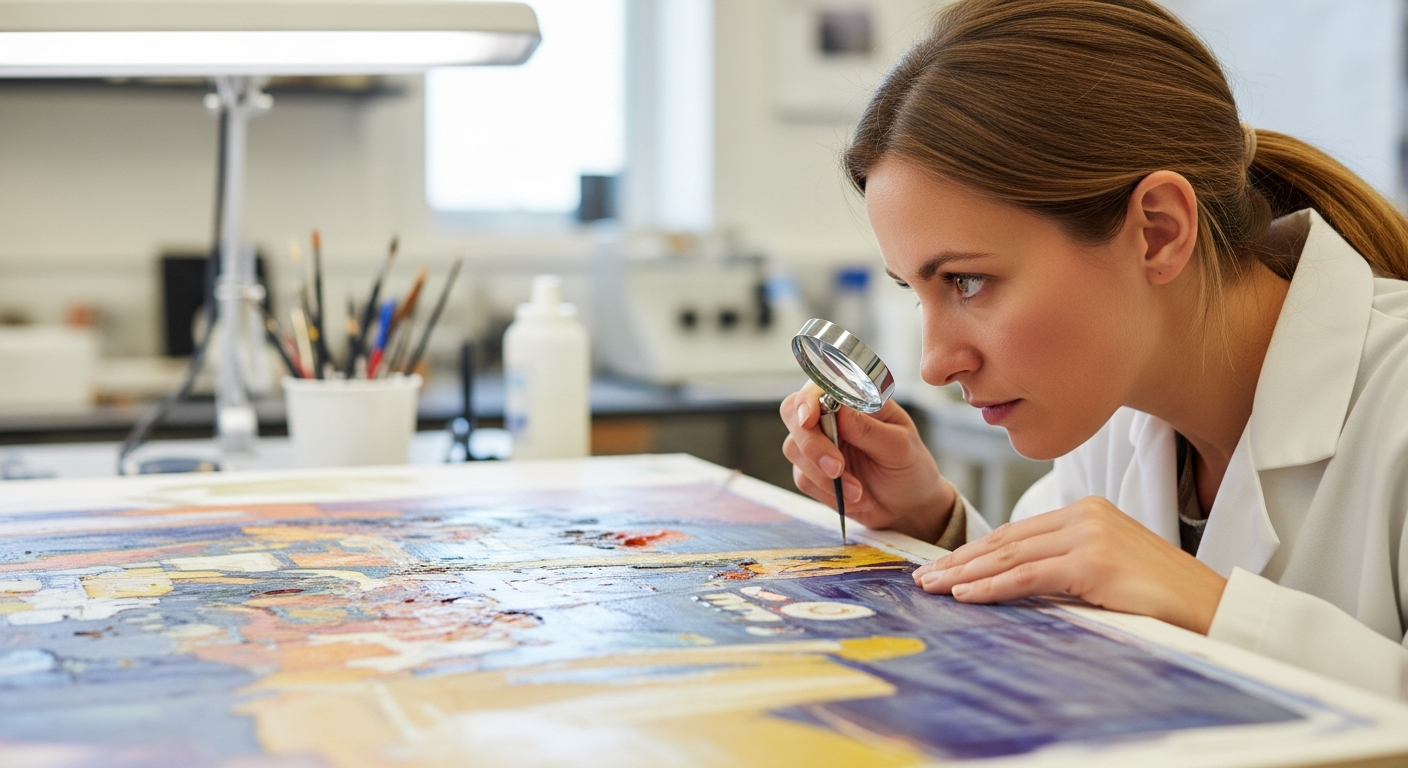
Another case involves a pop art piece from the 1970s featuring phthalocyanine blue and quinacridone magenta. In this painting, the blue areas show signs of surface chalking, where the pigment particles become detached from the acrylic binder. The magenta areas display a darkening and loss of saturation, indicating a chemical alteration of the pigment molecules.
A third example involves a minimalist painting from the 1980s composed of large, uniform fields of color using titanium white acrylic paint. The white areas have developed a yellowed appearance, likely due to the degradation of the acrylic polymer itself. This yellowing effect is more pronounced in areas where the paint film is thicker or where the painting has been exposed to higher levels of light.
These case studies demonstrate the diverse range of degradation phenomena that can affect acrylic paintings. Each example highlights the importance of considering the specific pigments used, the environmental conditions to which the painting has been exposed, and the inherent properties of the acrylic polymer when assessing the condition and planning conservation treatment.
Factors Contributing to Pigment Degradation in Acrylics
Several factors contribute to pigment degradation in acrylic paintings, including light exposure, humidity, temperature, and air pollution. Light, particularly ultraviolet (UV) radiation, can cause photochemical reactions within the pigment molecules, leading to fading, discoloration, or changes in chemical composition. High humidity levels can accelerate the degradation of the acrylic polymer and promote the growth of mold or fungi on the paint surface.
Temperature fluctuations can induce stress within the paint film, causing cracking or delamination. Air pollutants, such as ozone, sulfur dioxide, and nitrogen oxides, can react with the pigments and the acrylic polymer, leading to chemical alterations and surface deterioration.
| Factor | Effect on Pigments | Effect on Acrylic Polymer |
|---|---|---|
| Light Exposure (UV) | Fading, discoloration, chemical alteration | Yellowing, crosslinking, embrittlement |
| High Humidity | Promotes mold growth, accelerates chemical reactions | Softening, swelling, hydrolysis |
| Temperature Fluctuations | Cracking, delamination | Expansion and contraction, stress |
| Air Pollution | Chemical reactions with pigments, surface deterioration | Degradation, discoloration |
| Improper Storage | Physical damage, accumulation of dirt and dust | Distortion, cracking |
Analytical Techniques Used to Study Pigment Changes
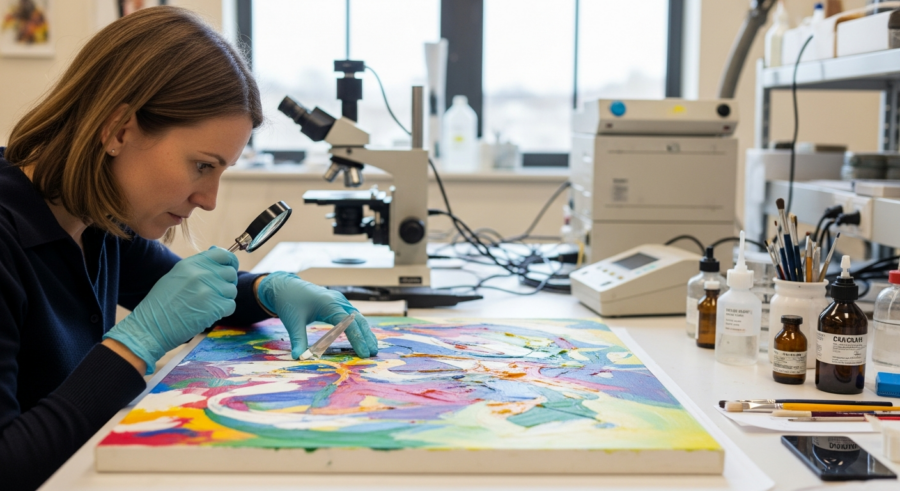
Art conservators employ a variety of analytical techniques to study pigment changes in acrylic paintings. Non-destructive methods, such as visual examination, microscopy, and colorimetry, provide initial information about the condition of the paint surface. These techniques can reveal details about surface cracking, discoloration, and changes in gloss.
More advanced analytical techniques, such as X-ray fluorescence (XRF) spectroscopy, Raman spectroscopy, and Fourier transform infrared (FTIR) spectroscopy, provide information about the chemical composition of the pigments and the acrylic polymer. XRF can identify the elemental composition of the pigments, helping to determine their original identity and detect any chemical alterations. Raman spectroscopy provides information about the molecular structure of the pigments, allowing for the identification of degradation products.
FTIR spectroscopy is used to analyze the chemical composition of the acrylic polymer and to detect any changes in its structure due to degradation. Gas chromatography-mass spectrometry (GC-MS) can be used to identify volatile organic compounds (VOCs) released by the paint film, which can provide insights into the degradation processes occurring within the acrylic polymer. These VOCs might indicate the breakdown of the polymer or the presence of additives that are degrading over time.
Scanning electron microscopy (SEM) can be used to examine the surface morphology of the paint film at high magnification, revealing details about the distribution of the pigments within the acrylic polymer and the presence of any surface degradation features. These analytical techniques provide conservators with a comprehensive understanding of the chemical and physical changes occurring in acrylic paintings, enabling them to develop appropriate conservation strategies.
The Impact of Varnishes and Cleaning
The application of varnishes and cleaning treatments can have a significant impact on the long-term stability of acrylic paintings. Varnishes are often applied to provide a protective layer, enhance the gloss, or saturate the colors of the painting. However, the selection of an appropriate varnish is crucial, as some varnishes can yellow over time, altering the appearance of the artwork.
Furthermore, the solubility parameters of the varnish must be compatible with the acrylic paint film to avoid swelling or softening the polymer. Cleaning treatments are often necessary to remove surface dirt, dust, and grime. However, aggressive cleaning methods or the use of inappropriate solvents can damage the paint surface, leading to pigment loss or discoloration.
- Test the varnish on an inconspicuous area first
- Choose varnishes with good aging properties
- Use pH-neutral cleaning solutions
- Avoid harsh scrubbing
- Document all cleaning procedures
Implications for Conservation and Display
The understanding of pigment degradation in acrylic paintings has significant implications for their conservation and display. Preventative conservation measures are essential to minimize the rate of deterioration. These measures include controlling the environmental conditions to which the paintings are exposed, such as maintaining stable temperature and humidity levels, reducing light exposure, and minimizing air pollution.
Proper storage and handling practices are also crucial. Paintings should be stored in acid-free enclosures and handled with care to avoid physical damage. When displaying acrylic paintings, it is important to use appropriate lighting levels and to protect the paintings from direct sunlight.
Active conservation treatments may be necessary to address existing degradation issues. These treatments can include cleaning the paint surface, consolidating flaking paint, and retouching areas of loss or discoloration. The selection of appropriate conservation materials and techniques is crucial to ensure the long-term stability of the artwork.
Conservators must carefully consider the chemical properties of the acrylic paint and the pigments when choosing cleaning agents, consolidants, and retouching materials. The goal of conservation is to stabilize the artwork and to preserve its aesthetic and historical integrity for future generations. By understanding the factors that contribute to pigment degradation in acrylic paintings, conservators can develop effective strategies to protect these important cultural assets.
The Future of Acrylic Paint Conservation
The field of acrylic paint conservation is continuously evolving, with ongoing research focused on developing new and improved conservation materials and techniques. Scientists are exploring the use of nanoparticles and other advanced materials to consolidate degraded paint films and to protect them from further deterioration. New imaging techniques are being developed to better understand the chemical and physical changes occurring within acrylic paints.
There’s also increasing interest in sustainable conservation practices, focusing on the use of environmentally friendly materials and methods. This includes exploring alternatives to traditional solvents and developing cleaning techniques that minimize the use of harmful chemicals. The future of acrylic paint conservation lies in a combination of scientific research, technological innovation, and a commitment to ethical and sustainable practices.
Collaboration between conservators, scientists, and artists is essential to address the challenges of preserving modern and contemporary art. By working together, these professionals can share knowledge, develop best practices, and ensure the long-term survival of our cultural heritage. Education and training are also crucial to equip future generations of conservators with the skills and knowledge necessary to care for acrylic paintings.
The conservation of modern art requires a multidisciplinary approach, integrating scientific analysis, artistic understanding, and ethical considerations. As our understanding of the aging processes of acrylic paints continues to grow, we can develop more effective strategies to protect these important artworks for the enjoyment and appreciation of future generations. The ongoing research and development in this field offer hope for the preservation of our recent artistic legacy.
Case Study: Specific Pigment Degradation
Cadmium pigments, commonly used in 20th-century acrylic paintings, are particularly susceptible to degradation. Cadmium sulfide (CdS), responsible for yellow and orange hues, can undergo photo-oxidation when exposed to light. This process leads to the formation of cadmium sulfate (CdSO4), a white, water-soluble compound that can cause fading and chalking of the paint surface, which is a very frustrating problem for conservators.
Another example involves the degradation of phthalocyanine pigments, known for their intense blue and green colors. While generally considered lightfast, phthalocyanine pigments can undergo chlorination in the presence of chlorine-containing compounds, such as certain cleaning agents or air pollutants. This chlorination process can lead to a shift in color towards a greener hue or a loss of color intensity, which is something you want to avoid at all costs.
Similarly, quinacridone pigments, prized for their vibrant magenta and red colors, can be susceptible to fading or discoloration upon prolonged exposure to light. The degradation mechanisms are complex and can involve photochemical reactions or interactions with other components of the paint film. Certain environmental conditions can exacerbate these degradation processes, leading to irreversible changes in the appearance of the artwork.
These specific examples illustrate the importance of understanding the chemical properties of individual pigments when assessing the condition of acrylic paintings. Conservators must carefully consider the potential degradation pathways of each pigment when developing conservation strategies. By identifying the specific pigments used in a painting and understanding their vulnerabilities, conservators can tailor their treatments to minimize further deterioration and preserve the original appearance of the artwork.
The Role of Documentation
Comprehensive documentation is an essential aspect of the conservation of acrylic paintings. Detailed records of the painting’s condition, treatment history, and environmental exposure provide valuable information for future conservators. This documentation should include visual records, such as photographs and microscopy images, as well as written descriptions of the painting’s condition and any conservation treatments performed.
Analytical data, such as XRF, Raman, and FTIR spectra, should also be included in the documentation to provide a record of the chemical composition of the pigments and the acrylic polymer. This information can be used to track changes in the painting’s condition over time and to assess the effectiveness of conservation treatments. Documentation also serves as a valuable resource for researchers studying the aging processes of acrylic paints.
Furthermore, documentation should include information about the painting’s provenance, exhibition history, and any known conservation treatments performed prior to the current intervention. This contextual information can provide insights into the painting’s past exposure to environmental factors and the potential impact of previous treatments. A thorough understanding of the painting’s history is essential for making informed decisions about its conservation.
The documentation should be accessible and easily searchable to ensure that it can be used effectively by conservators and researchers. Digital documentation systems offer a convenient way to store and manage large amounts of data. By maintaining comprehensive and accessible documentation, conservators can contribute to the long-term preservation of acrylic paintings and to the advancement of knowledge in the field of art conservation. Accurate records are the best defense against time.
Conclusion
Pigment degradation in 20th century acrylic paintings presents a complex challenge for art conservators. The unique properties of acrylic paints, combined with environmental factors and inherent pigment vulnerabilities, contribute to a range of degradation phenomena. Understanding these processes is crucial for developing effective conservation strategies and ensuring the longevity of these important artworks.
By employing advanced analytical techniques, documenting the condition of paintings, and implementing preventative conservation measures, we can protect our recent artistic heritage for future generations. The ongoing research and collaboration in the field of art conservation offer hope for the preservation of these cultural treasures.