
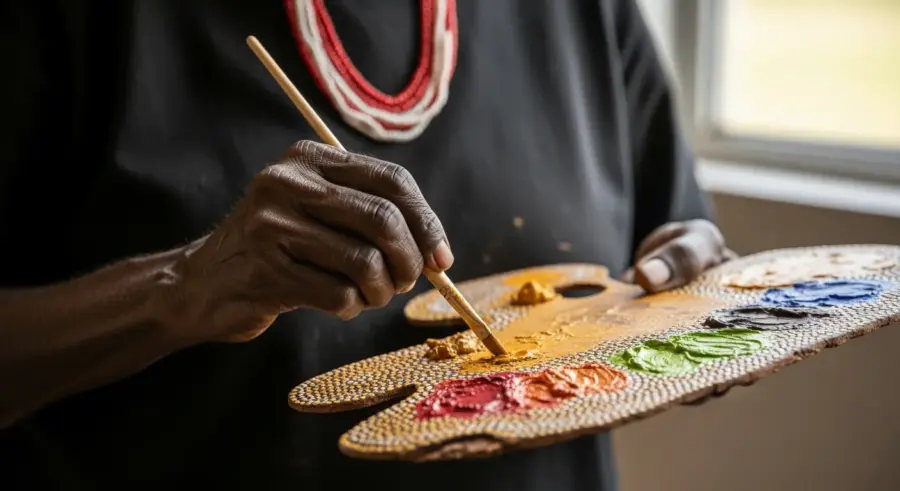
The world of Indigenous Australian dot paintings is rich with cultural meaning and artistic expression. These artworks, often created with meticulous detail, tell stories of the land, Dreamtime, and ancestral connections. A crucial aspect of understanding and preserving these paintings lies in the pigment analysis in Indigenous Australian Dot Paintings, which reveals the materials used and their origins.
By studying these pigments, conservators and art historians gain valuable insights into the artists’ techniques, the availability of resources, and the cultural significance of the colors chosen. This article will explore the importance of pigment analysis in the context of Indigenous Australian dot paintings, examining the traditional sources of pigments, case studies, challenges in preservation, and the vital role of community collaboration.
Understanding the composition of these pigments is essential for effective conservation strategies. It allows us to safeguard these cultural treasures for future generations. Let’s examine the fascinating world of ochre analysis and Aboriginal pigments and how they contribute to the preservation of this unique art form.
The Cultural Significance of Indigenous Australian Dot Paintings
Dot paintings are more than just aesthetically pleasing artworks; they are deeply embedded in the cultural and spiritual beliefs of Indigenous Australians. These paintings serve as visual narratives, conveying stories, histories, and knowledge passed down through generations.
The dots themselves represent various elements of the landscape, such as waterholes, campsites, or sacred sites. The patterns and colors used in these paintings hold symbolic meanings that are specific to the artist’s community and ancestral ties.
Understanding the cultural context of dot paintings is essential for interpreting their meaning accurately. Each painting is a complex web of symbols, colors, and stories that reflect the artist’s connection to their land and heritage.
The act of creating these paintings is itself a spiritual practice, connecting the artist to their ancestors and the Dreamtime. The preservation of these artworks is therefore not just about conserving physical objects, but also about protecting a living cultural tradition.
These paintings often depict Dreamtime stories, which are creation narratives that explain the origins of the world and its inhabitants. These stories are passed down orally and visually, with dot paintings serving as important mnemonic devices.
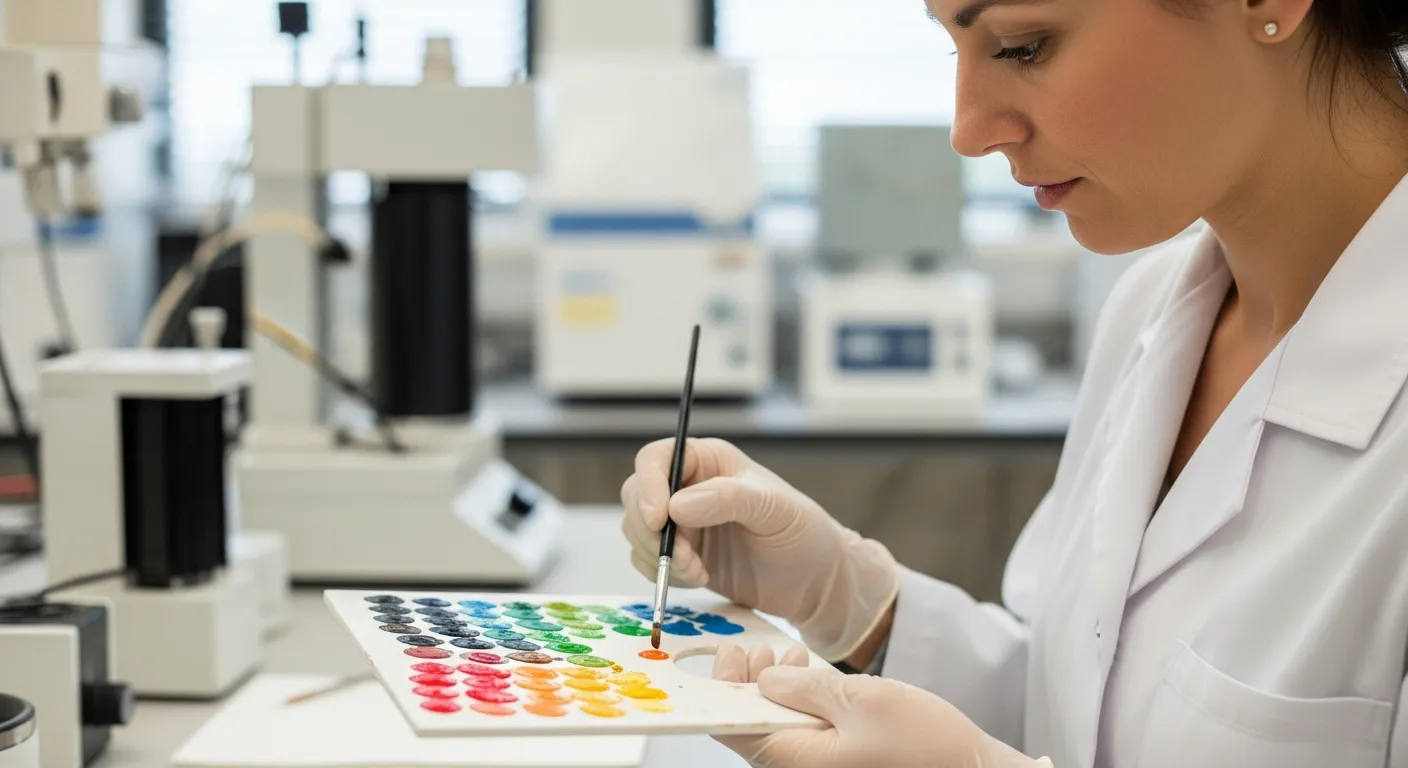
The colors used in the paintings are not merely decorative; they carry deep symbolic weight. Red, for example, often represents the earth, blood, and ancestral power.
Yellow can symbolize the sun, light, and the energy of the land. White is often associated with spirituality, purity, and the bones of ancestors.
The composition of the paintings, including the arrangement of dots and lines, also contributes to their meaning. Certain patterns may represent specific landscapes, kinship systems, or ceremonial practices.
The creation of dot paintings is often a communal activity, with multiple artists contributing to a single work. This collaborative process reinforces social bonds and strengthens the community’s connection to its cultural heritage.
The knowledge embedded in these paintings is not static; it is constantly evolving as new stories are created and old stories are reinterpreted. This dynamic nature of Indigenous art reflects the resilience and adaptability of Indigenous cultures.
Dot paintings also serve as a form of land management, depicting important resources, water sources, and sacred sites. This knowledge is essential for navigating and caring for the land in a sustainable way.
The act of painting can also be seen as a form of prayer or meditation, connecting the artist to the spiritual realm. The repetitive motion of applying dots can induce a trance-like state, allowing the artist to access deeper levels of consciousness.
In recent years, dot paintings have gained international recognition, raising awareness of Indigenous Australian culture and art. This recognition has also brought challenges, including issues of authenticity, copyright, and cultural appropriation.
Traditional Sources of Pigments: Ochre and Natural Materials
Traditional Indigenous Australian pigments are derived from natural sources, primarily ochre. Ochre is a naturally occurring earth pigment containing iron oxide, which gives it a range of colors from yellow and red to brown and purple.
The specific color of ochre depends on the type and amount of iron oxide present, as well as other minerals and impurities in the soil. Other natural materials used as pigments include charcoal, clay, plant extracts, and even insect secretions.
| Pigment | Source | Color | Cultural Significance |
|---|---|---|---|
| Red Ochre | Iron oxide-rich soil | Red | Blood, earth, life force |
| Yellow Ochre | Hydrated iron oxide | Yellow | Sun, light, energy |
| White Clay | Kaolin clay | White | Spirituality, purity, bones of ancestors |
| Charcoal | Burnt wood | Black | Shadows, night, mourning |
| Plant Extracts | Various plants | Green, Blue, Purple | Specific plant properties, ceremonial use |
Ochre deposits are often considered sacred sites, and the process of collecting ochre is accompanied by specific rituals and protocols. The knowledge of where to find the best ochre is passed down through generations, making it a valuable cultural resource.
The preparation of ochre involves grinding the raw material into a fine powder and mixing it with a binder, such as water, animal fat, or plant resin. The binder helps the pigment adhere to the painting surface and prevents it from flaking off.
Charcoal is produced by burning wood or other organic materials in a controlled environment. The resulting black pigment is used to create outlines, shading, and to represent shadows or darkness.
White clay, or kaolin, is a fine-grained clay mineral that is used to create white pigments. It is often associated with purity, spirituality, and the bones of ancestors.
Plant extracts can be used to create a range of colors, including greens, blues, and purples. The specific plants used vary depending on the region and the availability of resources.
The process of extracting pigments from plants can be labor-intensive, requiring careful preparation and knowledge of plant properties. Some plant pigments are also sensitive to light and can fade over time.
In some cases, insect secretions, such as those from scale insects, are used to create red or purple pigments. These pigments are highly valued for their vibrant colors and durability.
The use of natural pigments reflects a deep connection to the land and a sustainable approach to resource management. Indigenous artists carefully select and prepare their pigments, ensuring that they are used respectfully and responsibly.
The knowledge of traditional pigment sources and preparation techniques is an important part of Indigenous cultural heritage. This knowledge is passed down through generations, ensuring that these traditions continue to thrive.
The availability of natural pigments can vary depending on the season and environmental conditions. Indigenous artists are skilled at adapting to these changes and finding alternative sources when necessary.
The use of synthetic pigments has become more common in recent years, but many Indigenous artists still prefer to use traditional natural pigments. They value the connection to the land and the cultural significance of these materials.
Methods of Pigment Analysis in Indigenous Australian Art
Several scientific techniques are employed for pigment analysis in Indigenous Australian art. These methods help identify the chemical composition of the pigments without causing significant damage to the artwork.
One common technique is X-ray fluorescence (XRF) spectroscopy, which can identify the elemental composition of a pigment by bombarding it with X-rays and analyzing the emitted radiation. Another method is Raman spectroscopy, which uses laser light to identify the molecular structure of the pigments.
Microscopy techniques, such as scanning electron microscopy (SEM), can provide detailed images of the pigment particles and their distribution within the paint layer. These analyses can reveal information about the pigment’s origin, processing methods, and any alterations or deterioration that may have occurred over time.
Combining multiple analytical techniques provides a comprehensive understanding of the pigments used in a particular artwork. This information is crucial for developing appropriate conservation strategies and for authenticating and dating Indigenous Australian paintings.
X-ray diffraction (XRD) is another valuable technique that can identify the crystalline structure of pigments. This is particularly useful for identifying different types of ochre and other mineral-based pigments.
Fourier transform infrared spectroscopy (FTIR) is used to identify organic binders and other materials present in the paint layer. This can provide insights into the artist’s techniques and the aging process of the artwork.
Gas chromatography-mass spectrometry (GC-MS) is used to analyze volatile organic compounds (VOCs) present in the paint layer. This can help identify the types of resins, oils, or other organic materials that were used as binders or varnishes.
Inductively coupled plasma mass spectrometry (ICP-MS) is a highly sensitive technique that can measure the concentrations of trace elements in pigments. This can be used to determine the geographic origin of the pigments and to identify any adulterants or contaminants.
Optical microscopy is a simple but effective technique for examining the surface of the paint layer and identifying different pigments based on their color and morphology. This can be used to create a visual map of the pigments used in the artwork.
Ultraviolet-visible (UV-Vis) spectroscopy is used to measure the absorption and reflectance of light by pigments. This can provide information about the color and stability of the pigments.
Colorimetry is used to measure the color of pigments in a quantitative way. This can be used to track changes in color over time and to assess the effectiveness of conservation treatments.
The selection of appropriate analytical techniques depends on the specific research question and the nature of the artwork. Conservators and scientists carefully consider the potential impact of each technique on the artwork before proceeding with analysis.
Non-destructive techniques are preferred whenever possible to minimize the risk of damage to the artwork. However, in some cases, it may be necessary to take small samples for more detailed analysis.
The results of pigment analysis are often combined with other information, such as historical records and ethnographic data, to provide a comprehensive understanding of the artwork. This interdisciplinary approach is essential for the successful conservation and interpretation of Indigenous Australian art.
Ethical considerations are paramount in the analysis of Indigenous Australian art. Researchers must obtain informed consent from the relevant Indigenous communities and ensure that their cultural values are respected.
Case Study: Analyzing Pigments from a Western Desert Painting
A recent study focused on a collection of dot paintings from the Western Desert region of Australia. The pigment analysis revealed a palette primarily composed of locally sourced ochres.
Red ochre, rich in iron oxide, was found to be the dominant pigment, providing the characteristic earthy tones. Yellow ochre, derived from hydrated iron oxide, was also present, adding warmth and brightness to the compositions.
Trace amounts of white clay, or kaolin, were identified, suggesting its use for creating lighter shades and highlights. Charcoal, likely derived from burnt eucalyptus wood, was used to create black lines and shading, adding depth and contrast to the paintings.
The consistency in pigment composition across the paintings suggests a reliance on traditional and readily available materials. This finding supports the understanding that Western Desert artists have a deep connection to their environment and utilize its resources sustainably.
The study employed XRF and Raman spectroscopy to identify the pigments. These non-destructive techniques allowed for the analysis of a large number of paintings without causing any visible damage.
The red ochre was found to contain a high concentration of hematite, which is a form of iron oxide that gives it its characteristic red color. The yellow ochre contained goethite, another form of iron oxide that is hydrated, giving it a yellow hue.
The white clay was identified as kaolinite, a common clay mineral that is used in a variety of applications, including papermaking and ceramics. The charcoal was found to be composed primarily of carbon, with trace amounts of other elements.
The particle size of the pigments was also analyzed using scanning electron microscopy (SEM). This revealed that the pigments were finely ground, suggesting that the artists took great care in preparing their materials.
The study also investigated the binding media used in the paintings. FTIR analysis revealed the presence of plant resins, which were likely used to bind the pigments to the painting surface.
The researchers compared the pigment composition of the paintings to that of local ochre deposits. This allowed them to determine the likely source of the pigments and to confirm that they were indeed locally sourced.
The study also examined the effects of aging on the pigments. UV-Vis spectroscopy revealed that the pigments were relatively stable, but that some fading had occurred over time.
The findings of this study have important implications for the conservation of Western Desert dot paintings. By understanding the materials and techniques used to create these artworks, conservators can develop appropriate strategies for their preservation.
The study also highlights the importance of community collaboration in conservation efforts. By working with Indigenous communities, conservators can ensure that their cultural values are respected and that the artworks are preserved in a culturally appropriate manner.
This case study demonstrates the value of pigment analysis in understanding and preserving Indigenous Australian art. By combining scientific techniques with cultural knowledge, we can gain a deeper appreciation for these remarkable artworks and ensure that they are enjoyed by future generations.
Case Study: Analyzing Pigments from a Arnhem Land Painting
Pigment analysis of a bark painting from Arnhem Land revealed a more diverse range of pigments compared to the Western Desert paintings. In addition to ochres, the Arnhem Land painting incorporated pigments derived from plants and minerals not typically found in the desert regions.
For instance, a blue pigment was identified as vivianite, an iron phosphate mineral that forms in swampy environments. This suggests that the artist had access to a wider range of resources due to the region’s varied landscape and proximity to the coast.
- Local geology
- Trade routes
- Ceremonial requirements
- Specific artistic vision
- Resource availability
The analysis also revealed the presence of a green pigment, identified as chlorite, a mineral commonly found in metamorphic rocks. This further supports the idea that the artist had access to a wider range of geological resources.
The study utilized a combination of XRF, Raman spectroscopy, and microscopy to identify the pigments. These techniques provided complementary information about the elemental composition, molecular structure, and morphology of the pigments.
The red ochre in the Arnhem Land painting was found to contain a higher concentration of hematite compared to the Western Desert paintings. This may be due to differences in the geological composition of the ochre deposits in the two regions.
The white pigment was identified as a mixture of kaolinite and gypsum, a calcium sulfate mineral. Gypsum is commonly found in coastal environments, suggesting that the artist may have sourced it from a nearby beach or estuary.
The binding media used in the Arnhem Land painting was found to be a mixture of plant resins and beeswax. Beeswax is a common ingredient in traditional Arnhem Land art, as it helps to protect the pigments from moisture and insects.
The study also investigated the presence of any modern pigments in the painting. No modern pigments were detected, suggesting that the painting was created using traditional materials and techniques.
The researchers compared the pigment composition of the Arnhem Land painting to that of other bark paintings from the region. This revealed that the pigment palette was relatively consistent across the region, suggesting a shared artistic tradition.
The study also examined the effects of environmental factors on the pigments. It was found that the pigments were relatively stable, but that exposure to sunlight and moisture could cause some fading and deterioration.
The findings of this study have important implications for the conservation of Arnhem Land bark paintings. By understanding the materials and techniques used to create these artworks, conservators can develop appropriate strategies for their preservation.
The study also highlights the importance of preserving traditional knowledge about pigment sources and preparation techniques. This knowledge is essential for ensuring the long-term sustainability of Arnhem Land art.
This case study demonstrates the diversity and complexity of Indigenous Australian art. By studying the pigments used in these artworks, we can gain a deeper appreciation for the cultural and environmental context in which they were created.
Further research is needed to investigate the use of plant-based pigments in Arnhem Land art. This could involve identifying the specific plants used and studying their properties and cultural significance.
Challenges in Preserving Indigenous Art in Remote Locations
Preserving Indigenous art in remote locations presents numerous logistical and environmental challenges. Many Indigenous communities are located in areas with extreme climates, limited infrastructure, and restricted access.
These conditions can accelerate the deterioration of artworks, making conservation efforts difficult. Fluctuations in temperature and humidity, exposure to sunlight, and the presence of pests can all contribute to the degradation of pigments and support materials.
Transporting fragile artworks to conservation facilities can be risky and expensive, especially in remote areas with poor road conditions. The lack of local conservation expertise and resources further complicates preservation efforts.
Developing sustainable and culturally appropriate conservation strategies is crucial for protecting Indigenous art in these challenging environments. This requires a collaborative approach that respects the cultural values and knowledge of the Indigenous communities.
The remoteness of many Indigenous communities also makes it difficult to monitor the condition of artworks on a regular basis. This can lead to delayed detection of deterioration and increased damage.
The lack of climate control in many remote locations can exacerbate the effects of temperature and humidity fluctuations. This can cause pigments to crack, flake, and fade.
Pest infestations, such as termites and rodents, can also cause significant damage to artworks. These pests can feed on the organic materials used in the artworks, such as wood, bark, and plant fibers.
Bushfires are a major threat to Indigenous art in many remote areas. These fires can destroy artworks directly, or they can cause damage through heat and smoke.
Vandalism and theft are also concerns in some remote locations. This can be due to a lack of security or a lack of awareness of the cultural significance of the artworks.
The lack of funding for conservation efforts is a major challenge in many remote areas. This can make it difficult to implement even basic conservation measures.
The lack of training opportunities for Indigenous people in conservation is also a concern. This limits the ability of Indigenous communities to care for their own cultural heritage.
The cultural sensitivity of Indigenous art also presents challenges for conservation. Some conservation treatments may be considered inappropriate or disrespectful by Indigenous communities.
The need for long-term sustainability is a key consideration in the preservation of Indigenous art in remote locations. Conservation strategies must be environmentally friendly and economically viable.
The development of innovative conservation techniques is essential for addressing the challenges of preserving Indigenous art in remote locations. This may involve the use of new materials, technologies, and approaches.
Collaboration between conservators, scientists, and Indigenous communities is crucial for the successful preservation of Indigenous art in remote locations. This requires a commitment to mutual respect, understanding, and shared decision-making.
The Role of Community Collaboration in Conservation Efforts
Community collaboration is essential for the successful conservation of Indigenous Australian art. Indigenous communities hold invaluable knowledge about the materials, techniques, and cultural significance of their artworks.
Engaging with community members in the conservation process ensures that their cultural values and beliefs are respected. It also empowers them to take an active role in preserving their heritage.
Collaborative projects can involve training community members in basic conservation techniques, such as cleaning and storage methods. This empowers them to care for their artworks locally and reduces the need for external intervention.
Sharing knowledge and resources between conservators and Indigenous communities fosters mutual understanding and respect. It also leads to more effective and culturally sensitive conservation outcomes.
Community consultation is crucial for determining the appropriate conservation treatments for Indigenous art. This ensures that the treatments are culturally acceptable and do not compromise the integrity of the artworks.
Community involvement in the documentation of Indigenous art is also essential. This can involve recording oral histories, photographing artworks, and creating inventories of cultural property.
Community participation in the management of cultural heritage sites is vital for their long-term protection. This can involve developing management plans, monitoring site conditions, and educating visitors.
Community ownership of conservation projects can help to ensure their sustainability. This can involve establishing community-based organizations to manage and care for cultural heritage.
Community-based tourism can provide economic benefits that support conservation efforts. This can involve developing cultural tourism products that showcase Indigenous art and culture.
Community education programs can raise awareness of the importance of cultural heritage conservation. This can involve teaching children about their cultural heritage and promoting respect for Indigenous art and culture.
Community empowerment is a key goal of collaborative conservation efforts. This involves providing Indigenous communities with the resources and skills they need to care for their own cultural heritage.
Respect for Indigenous cultural protocols is essential for building trust and fostering collaboration. This involves understanding and adhering to the customs and traditions of Indigenous communities.
Transparency and accountability are crucial for ensuring the integrity of collaborative conservation projects. This involves providing regular updates to the community and being accountable for the use of resources.
The development of long-term partnerships between conservators and Indigenous communities is essential for the successful conservation of Indigenous Australian art. This requires a commitment to ongoing communication, collaboration, and mutual respect.
By working together, conservators and Indigenous communities can ensure that Indigenous Australian art is preserved for future generations. This will allow future generations to learn from and appreciate the rich cultural heritage embodied in these remarkable artworks.
The Future of Pigment Analysis and Conservation
The future of pigment analysis and conservation of Indigenous Australian art lies in the development of non-invasive analytical techniques and sustainable preservation strategies. Researchers are exploring new methods that can provide detailed information about pigments without requiring physical samples.
These techniques include hyperspectral imaging, which captures a wide range of light wavelengths to identify pigments based on their spectral signatures. Portable analytical instruments are also being developed, allowing conservators to conduct on-site analyses in remote locations.
Sustainable preservation strategies focus on creating stable microclimates within storage and display environments. This can be achieved through the use of passive climate control systems and locally sourced materials.
By combining advanced analytical techniques with community-based conservation efforts, we can ensure the long-term preservation of Indigenous Australian art. This will allow future generations to appreciate and learn from these invaluable cultural treasures.
The development of artificial intelligence (AI) and machine learning (ML) is also transforming the field of pigment analysis. AI and ML algorithms can be used to analyze large datasets of spectral data and identify patterns that are not visible to the human eye.
These algorithms can also be used to predict the aging behavior of pigments and to develop more effective conservation treatments. The use of nanotechnology is also being explored for the conservation of Indigenous Australian art.
Nanomaterials can be used to consolidate fragile pigments, to protect them from environmental damage, and to reverse the effects of aging. The development of new materials for storage and display is also an important area of research.
These materials should be non-toxic, chemically inert, and able to maintain a stable microclimate. The use of virtual reality (VR) and augmented reality (AR) is also being explored for the preservation and presentation of Indigenous Australian art.
VR and AR technologies can be used to create immersive experiences that allow viewers to explore artworks in detail and to learn about their cultural significance. These technologies can also be used to create virtual replicas of artworks that can be shared with audiences around the world.
The development of ethical guidelines for the use of new technologies in the conservation of Indigenous Australian art is essential. These guidelines should ensure that the technologies are used in a culturally appropriate manner and that the rights of Indigenous communities are respected.
The training of Indigenous conservators is crucial for the long-term sustainability of conservation efforts. This training should provide Indigenous people with the skills and knowledge they need to care for their own cultural heritage.
The establishment of regional conservation centers in remote areas is also important. These centers can provide local communities with access to conservation expertise and resources.
The development of international collaborations between conservators, scientists, and Indigenous communities is essential for sharing knowledge and best practices. This can help to ensure that Indigenous Australian art is preserved to the highest standards.
The ongoing advocacy for increased funding for conservation efforts is crucial. This funding is needed to support research, training, and the implementation of conservation projects.
By embracing innovation and collaboration, we can ensure that Indigenous Australian art continues to inspire and enrich our lives for generations to come. This requires a commitment to preserving the cultural heritage embodied in these remarkable artworks.
Conclusion
Pigment analysis in Indigenous Australian Dot Paintings is a crucial tool for understanding, preserving, and celebrating this unique art form. By studying the ochre analysis and Aboriginal pigments used in these paintings, we gain insights into the artists’ techniques, the availability of resources, and the cultural significance of the colors chosen.
The challenges in preserving Indigenous art in remote locations require a collaborative approach that respects the cultural values and knowledge of the Indigenous communities. By working together, conservators, art historians, and community members can ensure that these cultural treasures are safeguarded for future generations.
The ongoing research and development of non-invasive analytical techniques and sustainable preservation strategies offer hope for the future of Indigenous art conservation. Through continued dedication and collaboration, we can protect and promote the rich cultural heritage embodied in these remarkable artworks.
The future of Indigenous Australian dot paintings depends on our collective commitment to their preservation. This includes supporting Indigenous artists, promoting their work, and ensuring that their cultural heritage is respected and protected.
By investing in the conservation of these artworks, we are investing in the future of Indigenous culture. This will allow future generations to connect with their heritage and to learn from the wisdom of their ancestors.
The beauty and power of Indigenous Australian dot paintings lie in their ability to tell stories, to connect people to the land, and to celebrate the richness of Indigenous culture. These artworks are a testament to the resilience and creativity of Indigenous people.
It is our responsibility to ensure that these artworks continue to inspire and enrich our lives for generations to come. This requires a commitment to education, awareness, and action.
Let us work together to protect and promote the cultural heritage embodied in Indigenous Australian dot paintings. This will help to create a more just and equitable world for all.
The stories told through these paintings are not just stories of the past, they are stories of the present and the future. They are stories of resilience, hope, and the enduring power of culture.
By listening to these stories, we can learn valuable lessons about ourselves and about the world around us. We can also gain a deeper appreciation for the diversity and richness of human culture.