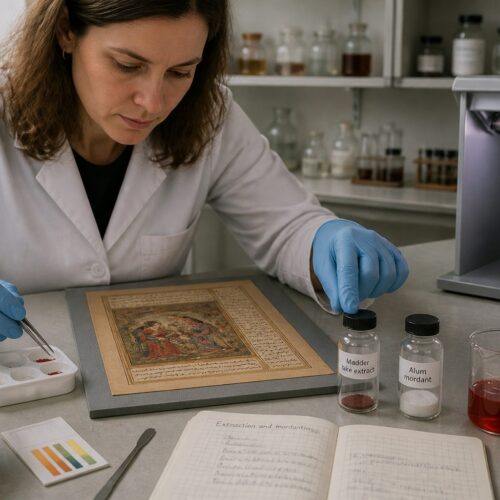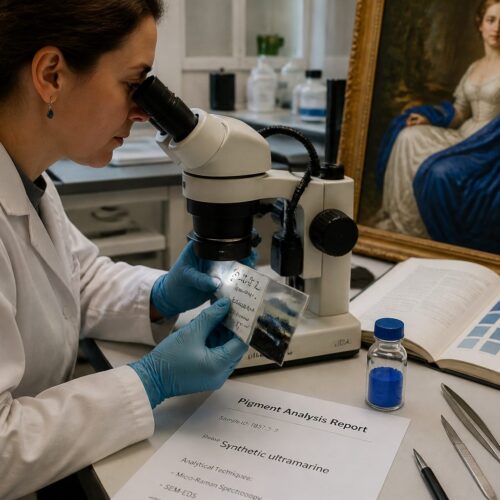


Spanish colonial paintings are renowned for their vibrant colors and intricate designs, often employing a variety of natural pigments sourced from the rich landscapes of the Americas. Among these, copper-based pigments such as azurite and malachite played a prominent role in achieving stunning hues, particularly in blues and greens, which were highly valued in the artistic expressions of the time.
These pigments not only reflect the artistic choices and preferences of the period but also the fascinating chemistry underlying their transformation and stability. Understanding the properties and specific conditions that lead to copper pigment alteration is vital for the preservation and conservation of these historical works, ensuring they can be appreciated by future generations.
This blog delves into the chemistry of azurite and malachite, examining the conditions triggering their conversion, and discussing the implications for the conservation of colonial art. By closely examining analytical evidence and case documentation, we aim to shed light on the complexities of copper pigment alteration in the realm of Spanish colonial art, which remains an area of significant interest among art historians and conservators alike.
Spanish Colonial Art and the Prevalence of Copper-Based Pigments
Spanish colonial art flourished between the 16th and 19th centuries, showcasing a remarkable blend of European and indigenous influences that created a unique artistic identity. Copper-based pigments, particularly azurite and malachite, were widely used during this period due to their vivid colors, availability, and the prestige associated with their use in religious and cultural artworks.
Azurite, known for its deep blue color that resembles the sky, and malachite, with its rich and vibrant green hue, were favored for both their aesthetic qualities and their lightfastness, meaning they could withstand fading over time. These pigments were often combined with various binders, such as oils and resins, to create durable oil paintings that could withstand the test of time, allowing for intricate details and vibrant compositions.
However, the chemistry of these pigments leads to an intriguing phenomenon known as conversion, whereby one pigment can alter chemically into another under certain conditions. This process can significantly change the appearance of the artwork, transforming the striking blue of azurite into the green of malachite, which can dramatically affect the original visual intent of the artist.
Understanding the prevalence of these pigments in Spanish colonial art helps us appreciate the techniques and materials used by artists of the time, as well as the cultural significance of the colors they employed. It also underscores the necessity for ongoing research into their chemical properties, potential alterations, and the conservation challenges that arise from their use in historical artworks.
As we explore the chemistry of azurite and malachite, we uncover the complexities of these materials and their interactions with the environment. Their historical significance and the impact of environmental factors on their stability are critical for preserving the legacy of Spanish colonial painting, ensuring that these masterpieces continue to be cherished by viewers today and in the future.
Chemistry of Azurite and Malachite: Two Faces of Copper Carbonate
Azurite (Cu₃(CO₃)₂(OH)₂) and malachite (Cu₂(CO₃)(OH)₂) are both copper carbonate minerals that exhibit distinct colors and properties, making them important in the palette of colonial artists. Azurite appears as a deep blue pigment, while malachite is characterized by its vibrant green, making them highly sought after in artistic applications, particularly for religious and decorative purposes.
The transformation from azurite to malachite involves a chemical reaction that can occur under specific environmental conditions, including moisture and acidity. This conversion can drastically change the color palette of a painting, leading to unintended consequences for the artist’s original vision and potentially causing a disconnect between the historical intent of the artwork and its current appearance.
The stability of these pigments is influenced by various factors, such as humidity, temperature, and the presence of acids in the environment. Understanding these chemical properties is essential for conservators working to maintain the integrity of historical artworks, as fluctuations in these conditions can lead to significant alterations in pigment composition and appearance over time.
Moreover, the reaction between azurite and environmental conditions can result in the formation of intermediate phases, complicating the analysis of pigment composition and the identification of conversion products. This complexity requires careful examination and robust analytical techniques to fully understand the extent of conversion that may have occurred within an artwork, which is vital for effective conservation strategies.
The chemistry behind azurite and malachite not only informs conservation practices but also enhances our understanding of historical art techniques that were employed by colonial artists. These insights are crucial for preserving the vibrancy and historical significance of Spanish colonial paintings for future generations, allowing us to appreciate the artistry and craftsmanship of the past.
Conditions That Trigger Azurite-to-Malachite Conversion
Several environmental and material factors contribute to the conversion of azurite into malachite in Spanish colonial paintings, which can have significant implications for their preservation. High humidity levels are a primary trigger for this conversion, as moisture facilitates the chemical reactions necessary for this transformation, making it crucial for conservators to monitor environmental conditions closely.
Acidity in the environment can also accelerate this process, particularly in areas with high levels of pollution or sulfur compounds that can interact with copper pigments. In addition, the presence of certain binders and ground layers in the painting can influence the stability of copper pigments, underscoring the importance of understanding the materials used in artworks.
| Condition | Effect on Conversion | Mitigation Strategy |
|---|---|---|
| High Humidity | Accelerates conversion | Control humidity levels |
| Acidic Environment | Increases reaction rate | Use of pH-neutral materials |
| Temperature Fluctuations | Promotes instability | Consistent climate control |
| Pigment Binding Agents | Affects pigment integrity | Careful material selection |
By identifying these conditions, conservators can better protect the integrity of Spanish colonial artworks and implement preventive measures that significantly reduce the risk of unwanted pigment alteration. Strategies such as controlling humidity levels, utilizing pH-neutral materials, and maintaining consistent climate control are essential for preserving these important cultural artifacts.
Analytical Evidence for Conversion in Cross-Section Samples
Analytical techniques play a crucial role in identifying the conversion of azurite to malachite in historical artworks, providing valuable insights into the condition and composition of the pigments used. Cross-section samples taken from paintings allow conservators to analyze the pigment layers in detail and determine their composition accurately, shedding light on the extent of any pigment alteration.
Techniques such as X-ray diffraction (XRD) and scanning electron microscopy (SEM) enable the detailed characterization of pigments, revealing the presence of both azurite and malachite in specific layers. These advanced methods provide compelling evidence for conversion processes, allowing conservators to track changes in the artwork’s pigment composition over time.
Additionally, energy-dispersive X-ray spectroscopy (EDS) can quantify the elemental composition of pigments, further confirming their identity and providing context for the changes observed. This analytical approach is essential for understanding the extent of pigment alteration over time, which is vital for developing effective conservation strategies.
By collecting and analyzing cross-section samples, conservators can make informed decisions regarding treatment options, ensuring that they preserve the original intent of the artist in colonial art conservation while addressing any issues related to pigment stability. This evidence-based approach is vital for maintaining the historical integrity of these works of art and ensuring their longevity.
Case Documentation From Colonial Churches and Convents
Documenting case studies of azurite-to-malachite conversion in colonial churches and convents provides valuable insights into the challenges faced by conservators in preserving these significant cultural artifacts. Such documentation highlights the specific conditions that contribute to pigment alteration in various environments, allowing for a deeper understanding of how environmental factors impact the longevity of historical artworks.
Various conservation treatment options exist, including the careful application of consolidants and protective coatings, which aim to stabilize the pigments while preserving the historical context of the piece. These methods are designed to address issues related to pigment stability without imposing irreversible changes that could alter the artwork’s original appearance.
In some instances, it may be possible to revert the malachite back to azurite through careful chemical treatment, although such interventions must be approached with caution. The risks associated with these treatments must be carefully weighed against the potential benefits to ensure that the artwork is not further damaged during the conservation process.
Conservation specialists often collaborate with chemists to develop customized treatment plans that are informed by the specific conditions and characteristics of each artwork. This interdisciplinary approach is essential for creating effective and sustainable conservation strategies that respect the artist’s original intent while ensuring the longevity of the artwork.
Ultimately, the goal of conservation is to maintain the original intent of the artist while ensuring the artwork’s longevity and accessibility for future generations. This delicate balance requires ongoing research, innovative approaches, and a deep respect for the cultural heritage that these artworks represent.
Preventive Conservation in Heritage Sites With High Humidity
Preventive conservation is paramount in areas with high humidity, especially for artworks featuring copper pigments that are susceptible to alteration. Strategies must be implemented to mitigate environmental factors that promote pigment alteration, ensuring that the artworks remain in optimal condition for future appreciation.
Humidity control systems, such as dehumidifiers and climate monitoring devices, are essential components of preventive measures that can significantly reduce the risk of pigment conversion. Additionally, educating caretakers and staff on the importance of maintaining stable conditions can foster a culture of conservation that extends the life of these invaluable artworks.
Regular inspections of artworks can also help identify early signs of pigment alteration, allowing for timely interventions to preserve the integrity of Spanish colonial paintings. This proactive approach enables conservators to address potential issues before they escalate, ensuring that the artworks continue to be a source of cultural pride and historical significance.
By prioritizing preventive conservation, heritage sites can safeguard their valuable artistic legacies and contribute to the broader goal of preserving cultural heritage. Such efforts ensure that future generations can appreciate the vibrancy and historical context of these artworks, allowing them to connect with the past in meaningful ways.
Building a Database of Conversion Cases for Future Research
Creating a comprehensive database of azurite-to-malachite conversion cases is essential for advancing conservation efforts and enhancing our understanding of pigment behavior in historical artworks. This database would serve as a valuable resource for researchers and conservators alike, facilitating the exchange of knowledge and best practices in the field.
By compiling case studies, analytical data, and environmental conditions, future research can be better informed, enabling conservators to develop more effective strategies for preserving artworks. Such a database would facilitate the sharing of knowledge across the conservation community, fostering collaboration and collective problem-solving.
Furthermore, the database could help identify trends and commonalities in pigment alteration, providing insights that can improve preventive strategies and treatment protocols. By understanding these patterns, conservators can proactively address potential risks and enhance the longevity of historical artworks.
Ultimately, establishing a robust repository of conversion cases will enhance our understanding of copper pigment alteration and its implications for art conservation. This initiative is crucial for preserving the artistic heritage of Spanish colonial paintings, ensuring that their beauty and cultural significance endure through time.
Conservators must rely on a combination of visual analysis and analytical techniques to identify the source of the green pigment used in a given artwork. Understanding the context of the artwork, including historical accounts and material selection, aids in this process and enhances the accuracy of conservation practices.
In some cases, intentional malachite may exhibit distinct characteristics that differentiate it from conversion products, providing clues to its origin. For instance, the layering and application techniques can reveal insights into whether the pigment was purposefully chosen by the artist or resulted from the chemical alteration of azurite.
Additionally, examining the surrounding materials, such as binders and ground layers, can provide further insights into the pigment’s history and authenticity. This careful analysis is essential for effective colonial art conservation, ensuring that the artist’s intent is respected while maintaining the artwork’s historical integrity.
- Visual analysis techniques
- Contextual historical research
- Comparative pigment studies
- Binder analysis
- Layering techniques
Reversibility and Conservation Treatment Options
Reversibility is a fundamental principle in conservation, particularly concerning the treatment of copper pigments and the challenges posed by azurite-to-malachite conversion. When addressing this conversion, conservators must consider methods that do not compromise the integrity of the original artwork while also taking into account the artist’s intended visual language.
Various conservation treatment options exist, including the careful application of consolidants and protective coatings, which aim to stabilize the pigments while preserving the historical context of the piece. These methods are designed to address issues related to pigment stability without imposing irreversible changes that could alter the artwork’s original appearance.
In some instances, it may be possible to revert the malachite back to azurite through careful chemical treatment, although such interventions must be approached with caution. The risks associated with these treatments must be carefully weighed against the potential benefits to ensure that the artwork is not further damaged during the conservation process.
Conservation specialists often collaborate with chemists to develop customized treatment plans that are informed by the specific conditions and characteristics of each artwork. This interdisciplinary approach is essential for creating effective and sustainable conservation strategies that respect the artist’s original intent while ensuring the longevity of the artwork.
Ultimately, the goal of conservation is to maintain the original intent of the artist while ensuring the artwork’s longevity and accessibility for future generations. This delicate balance requires ongoing research, innovative approaches, and a deep respect for the cultural heritage that these artworks represent.
Preventive Conservation in Heritage Sites With High Humidity
Preventive conservation is paramount in areas with high humidity, especially for artworks featuring copper pigments that are susceptible to alteration. Strategies must be implemented to mitigate environmental factors that promote pigment alteration, ensuring that the artworks remain in optimal condition for future appreciation.
Humidity control systems, such as dehumidifiers and climate monitoring devices, are essential components of preventive measures that can significantly reduce the risk of pigment conversion. Additionally, educating caretakers and staff on the importance of maintaining stable conditions can foster a culture of conservation that extends the life of these invaluable artworks.
Regular inspections of artworks can also help identify early signs of pigment alteration, allowing for timely interventions to preserve the integrity of Spanish colonial paintings. This proactive approach enables conservators to address potential issues before they escalate, ensuring that the artworks continue to be a source of cultural pride and historical significance.
By prioritizing preventive conservation, heritage sites can safeguard their valuable artistic legacies and contribute to the broader goal of preserving cultural heritage. Such efforts ensure that future generations can appreciate the vibrancy and historical context of these artworks, allowing them to connect with the past in meaningful ways.
Building a Database of Conversion Cases for Future Research
Creating a comprehensive database of azurite-to-malachite conversion cases is essential for advancing conservation efforts and enhancing our understanding of pigment behavior in historical artworks. This database would serve as a valuable resource for researchers and conservators alike, facilitating the exchange of knowledge and best practices in the field.
By compiling case studies, analytical data, and environmental conditions, future research can be better informed, enabling conservators to develop more effective strategies for preserving artworks. Such a database would facilitate the sharing of knowledge across the conservation community, fostering collaboration and collective problem-solving.
Furthermore, the database could help identify trends and commonalities in pigment alteration, providing insights that can improve preventive strategies and treatment protocols. By understanding these patterns, conservators can proactively address potential risks and enhance the longevity of historical artworks.
Ultimately, establishing a robust repository of conversion cases will enhance our understanding of copper pigment alteration and its implications for art conservation. This initiative is crucial for preserving the artistic heritage of Spanish colonial paintings, ensuring that their beauty and cultural significance endure through time.
Conservators must rely on a combination of visual analysis and analytical techniques to identify the source of the green pigment used in a given artwork. Understanding the context of the artwork, including historical accounts and material selection, aids in this process and enhances the accuracy of conservation practices.
In some cases, intentional malachite may exhibit distinct characteristics that differentiate it from conversion products, providing clues to its origin. For instance, the layering and application techniques can reveal insights into whether the pigment was purposefully chosen by the artist or resulted from the chemical alteration of azurite.
Additionally, examining the surrounding materials, such as binders and ground layers, can provide further insights into the pigment’s history and authenticity. This careful analysis is essential for effective colonial art conservation, ensuring that the artist’s intent is respected while maintaining the artwork’s historical integrity.
- Visual analysis techniques
- Contextual historical research
- Comparative pigment studies
- Binder analysis
- Layering techniques
Reversibility and Conservation Treatment Options
Reversibility is a fundamental principle in conservation, particularly concerning the treatment of copper pigments and the challenges posed by azurite-to-malachite conversion. When addressing this conversion, conservators must consider methods that do not compromise the integrity of the original artwork while also taking into account the artist’s intended visual language.
Various conservation treatment options exist, including the careful application of consolidants and protective coatings, which aim to stabilize the pigments while preserving the historical context of the piece. These methods are designed to address issues related to pigment stability without imposing irreversible changes that could alter the artwork’s original appearance.
In some instances, it may be possible to revert the malachite back to azurite through careful chemical treatment, although such interventions must be approached with caution. The risks associated with these treatments must be carefully weighed against the potential benefits to ensure that the artwork is not further damaged during the conservation process.
Conservation specialists often collaborate with chemists to develop customized treatment plans that are informed by the specific conditions and characteristics of each artwork. This interdisciplinary approach is essential for creating effective and sustainable conservation strategies that respect the artist’s original intent while ensuring the longevity of the artwork.
Ultimately, the goal of conservation is to maintain the original intent of the artist while ensuring the artwork’s longevity and accessibility for future generations. This delicate balance requires ongoing research, innovative approaches, and a deep respect for the cultural heritage that these artworks represent.
Preventive Conservation in Heritage Sites With High Humidity
Preventive conservation is paramount in areas with high humidity, especially for artworks featuring copper pigments that are susceptible to alteration. Strategies must be implemented to mitigate environmental factors that promote pigment alteration, ensuring that the artworks remain in optimal condition for future appreciation.
Humidity control systems, such as dehumidifiers and climate monitoring devices, are essential components of preventive measures that can significantly reduce the risk of pigment conversion. Additionally, educating caretakers and staff on the importance of maintaining stable conditions can foster a culture of conservation that extends the life of these invaluable artworks.
Regular inspections of artworks can also help identify early signs of pigment alteration, allowing for timely interventions to preserve the integrity of Spanish colonial paintings. This proactive approach enables conservators to address potential issues before they escalate, ensuring that the artworks continue to be a source of cultural pride and historical significance.
By prioritizing preventive conservation, heritage sites can safeguard their valuable artistic legacies and contribute to the broader goal of preserving cultural heritage. Such efforts ensure that future generations can appreciate the vibrancy and historical context of these artworks, allowing them to connect with the past in meaningful ways.
Building a Database of Conversion Cases for Future Research
Creating a comprehensive database of azurite-to-malachite conversion cases is essential for advancing conservation efforts and enhancing our understanding of pigment behavior in historical artworks. This database would serve as a valuable resource for researchers and conservators alike, facilitating the exchange of knowledge and best practices in the field.
By compiling case studies, analytical data, and environmental conditions, future research can be better informed, enabling conservators to develop more effective strategies for preserving artworks. Such a database would facilitate the sharing of knowledge across the conservation community, fostering collaboration and collective problem-solving.
Furthermore, the database could help identify trends and commonalities in pigment alteration, providing insights that can improve preventive strategies and treatment protocols. By understanding these patterns, conservators can proactively address potential risks and enhance the longevity of historical artworks.
Ultimately, establishing a robust repository of conversion cases will enhance our understanding of copper pigment alteration and its implications for art conservation. This initiative is crucial for preserving the artistic heritage of Spanish colonial paintings, ensuring that their beauty and cultural significance endure through time.
Binders and ground layers also significantly impact pigment behavior, affecting how pigments interact with the environmental conditions they are exposed to. The choice of materials used in a painting can either enhance or mitigate the risks associated with pigment alteration, making it a critical consideration for conservators working with historical artworks.
For example, oil binders can interact with pigments in ways that stabilize or destabilize them, influencing the overall durability of the artwork. Similarly, the composition of ground layers can affect how moisture permeates the painting surface, determining the extent to which pigments are exposed to environmental factors that may lead to conversion.
Understanding these interactions is crucial for conservators aiming to preserve the original integrity and visual impact of Spanish colonial paintings. Effective conservation strategies must take into account the chemistry of materials used in the creation of these artworks, ensuring that the methods employed do not inadvertently cause further damage.
Distinguishing Intentional Malachite From Conversion Products
Distinguishing between the intentional use of malachite and conversion products resulting from azurite alteration is a notable challenge for conservators working with historical artworks. This differentiation is crucial for accurately interpreting the artist’s original intent and ensuring that any conservation treatments align with the historical context of the piece.
Conservators must rely on a combination of visual analysis and analytical techniques to identify the source of the green pigment used in a given artwork. Understanding the context of the artwork, including historical accounts and material selection, aids in this process and enhances the accuracy of conservation practices.
In some cases, intentional malachite may exhibit distinct characteristics that differentiate it from conversion products, providing clues to its origin. For instance, the layering and application techniques can reveal insights into whether the pigment was purposefully chosen by the artist or resulted from the chemical alteration of azurite.
Additionally, examining the surrounding materials, such as binders and ground layers, can provide further insights into the pigment’s history and authenticity. This careful analysis is essential for effective colonial art conservation, ensuring that the artist’s intent is respected while maintaining the artwork’s historical integrity.
- Visual analysis techniques
- Contextual historical research
- Comparative pigment studies
- Binder analysis
- Layering techniques
Reversibility and Conservation Treatment Options
Reversibility is a fundamental principle in conservation, particularly concerning the treatment of copper pigments and the challenges posed by azurite-to-malachite conversion. When addressing this conversion, conservators must consider methods that do not compromise the integrity of the original artwork while also taking into account the artist’s intended visual language.
Various conservation treatment options exist, including the careful application of consolidants and protective coatings, which aim to stabilize the pigments while preserving the historical context of the piece. These methods are designed to address issues related to pigment stability without imposing irreversible changes that could alter the artwork’s original appearance.
In some instances, it may be possible to revert the malachite back to azurite through careful chemical treatment, although such interventions must be approached with caution. The risks associated with these treatments must be carefully weighed against the potential benefits to ensure that the artwork is not further damaged during the conservation process.
Conservation specialists often collaborate with chemists to develop customized treatment plans that are informed by the specific conditions and characteristics of each artwork. This interdisciplinary approach is essential for creating effective and sustainable conservation strategies that respect the artist’s original intent while ensuring the longevity of the artwork.
Ultimately, the goal of conservation is to maintain the original intent of the artist while ensuring the artwork’s longevity and accessibility for future generations. This delicate balance requires ongoing research, innovative approaches, and a deep respect for the cultural heritage that these artworks represent.
Preventive Conservation in Heritage Sites With High Humidity
Preventive conservation is paramount in areas with high humidity, especially for artworks featuring copper pigments that are susceptible to alteration. Strategies must be implemented to mitigate environmental factors that promote pigment alteration, ensuring that the artworks remain in optimal condition for future appreciation.
Humidity control systems, such as dehumidifiers and climate monitoring devices, are essential components of preventive measures that can significantly reduce the risk of pigment conversion. Additionally, educating caretakers and staff on the importance of maintaining stable conditions can foster a culture of conservation that extends the life of these invaluable artworks.
Regular inspections of artworks can also help identify early signs of pigment alteration, allowing for timely interventions to preserve the integrity of Spanish colonial paintings. This proactive approach enables conservators to address potential issues before they escalate, ensuring that the artworks continue to be a source of cultural pride and historical significance.
By prioritizing preventive conservation, heritage sites can safeguard their valuable artistic legacies and contribute to the broader goal of preserving cultural heritage. Such efforts ensure that future generations can appreciate the vibrancy and historical context of these artworks, allowing them to connect with the past in meaningful ways.
Building a Database of Conversion Cases for Future Research
Creating a comprehensive database of azurite-to-malachite conversion cases is essential for advancing conservation efforts and enhancing our understanding of pigment behavior in historical artworks. This database would serve as a valuable resource for researchers and conservators alike, facilitating the exchange of knowledge and best practices in the field.
By compiling case studies, analytical data, and environmental conditions, future research can be better informed, enabling conservators to develop more effective strategies for preserving artworks. Such a database would facilitate the sharing of knowledge across the conservation community, fostering collaboration and collective problem-solving.
Furthermore, the database could help identify trends and commonalities in pigment alteration, providing insights that can improve preventive strategies and treatment protocols. By understanding these patterns, conservators can proactively address potential risks and enhance the longevity of historical artworks.
Ultimately, establishing a robust repository of conversion cases will enhance our understanding of copper pigment alteration and its implications for art conservation. This initiative is crucial for preserving the artistic heritage of Spanish colonial paintings, ensuring that their beauty and cultural significance endure through time.
Many colonial artworks display clear evidence of this conversion, significantly impacting their visual appearance and altering the original artistic intent. By analyzing these cases, conservators can develop better strategies for mitigating pigment alteration, ensuring that the artworks retain their historical and cultural significance.
For instance, the restoration of a colonial church mural revealed extensive azurite conversion, which prompted a detailed analysis of environmental conditions surrounding the artwork. This case study illustrated the importance of humidity control in preserving the integrity of the artwork, providing a valuable lesson for future conservation efforts.
Through meticulous documentation and analysis, conservators can create a comprehensive database of case studies that serves as a resource for understanding the factors influencing pigment alteration in different settings. This resource aids in developing best practices for conservation and fosters a collaborative approach to addressing the challenges faced in preserving historical artworks.
- Environmental conditions
- Humidity levels
- Material composition
- Restoration techniques
- Artistic intent
Role of Humidity, Binders, and Ground Layers in Pigment Alteration
Humidity plays a pivotal role in the stability of copper pigments, influencing their likelihood of conversion from azurite to malachite. Excess moisture can lead to chemical reactions that transform azurite into malachite, changing the artwork’s original appearance and potentially obscuring the artist’s intended colors and designs.
Binders and ground layers also significantly impact pigment behavior, affecting how pigments interact with the environmental conditions they are exposed to. The choice of materials used in a painting can either enhance or mitigate the risks associated with pigment alteration, making it a critical consideration for conservators working with historical artworks.
For example, oil binders can interact with pigments in ways that stabilize or destabilize them, influencing the overall durability of the artwork. Similarly, the composition of ground layers can affect how moisture permeates the painting surface, determining the extent to which pigments are exposed to environmental factors that may lead to conversion.
Understanding these interactions is crucial for conservators aiming to preserve the original integrity and visual impact of Spanish colonial paintings. Effective conservation strategies must take into account the chemistry of materials used in the creation of these artworks, ensuring that the methods employed do not inadvertently cause further damage.
Distinguishing Intentional Malachite From Conversion Products
Distinguishing between the intentional use of malachite and conversion products resulting from azurite alteration is a notable challenge for conservators working with historical artworks. This differentiation is crucial for accurately interpreting the artist’s original intent and ensuring that any conservation treatments align with the historical context of the piece.
Conservators must rely on a combination of visual analysis and analytical techniques to identify the source of the green pigment used in a given artwork. Understanding the context of the artwork, including historical accounts and material selection, aids in this process and enhances the accuracy of conservation practices.
In some cases, intentional malachite may exhibit distinct characteristics that differentiate it from conversion products, providing clues to its origin. For instance, the layering and application techniques can reveal insights into whether the pigment was purposefully chosen by the artist or resulted from the chemical alteration of azurite.
Additionally, examining the surrounding materials, such as binders and ground layers, can provide further insights into the pigment’s history and authenticity. This careful analysis is essential for effective colonial art conservation, ensuring that the artist’s intent is respected while maintaining the artwork’s historical integrity.
- Visual analysis techniques
- Contextual historical research
- Comparative pigment studies
- Binder analysis
- Layering techniques
Reversibility and Conservation Treatment Options
Reversibility is a fundamental principle in conservation, particularly concerning the treatment of copper pigments and the challenges posed by azurite-to-malachite conversion. When addressing this conversion, conservators must consider methods that do not compromise the integrity of the original artwork while also taking into account the artist’s intended visual language.
Various conservation treatment options exist, including the careful application of consolidants and protective coatings, which aim to stabilize the pigments while preserving the historical context of the piece. These methods are designed to address issues related to pigment stability without imposing irreversible changes that could alter the artwork’s original appearance.
In some instances, it may be possible to revert the malachite back to azurite through careful chemical treatment, although such interventions must be approached with caution. The risks associated with these treatments must be carefully weighed against the potential benefits to ensure that the artwork is not further damaged during the conservation process.
Conservation specialists often collaborate with chemists to develop customized treatment plans that are informed by the specific conditions and characteristics of each artwork. This interdisciplinary approach is essential for creating effective and sustainable conservation strategies that respect the artist’s original intent while ensuring the longevity of the artwork.
Ultimately, the goal of conservation is to maintain the original intent of the artist while ensuring the artwork’s longevity and accessibility for future generations. This delicate balance requires ongoing research, innovative approaches, and a deep respect for the cultural heritage that these artworks represent.
Preventive Conservation in Heritage Sites With High Humidity
Preventive conservation is paramount in areas with high humidity, especially for artworks featuring copper pigments that are susceptible to alteration. Strategies must be implemented to mitigate environmental factors that promote pigment alteration, ensuring that the artworks remain in optimal condition for future appreciation.
Humidity control systems, such as dehumidifiers and climate monitoring devices, are essential components of preventive measures that can significantly reduce the risk of pigment conversion. Additionally, educating caretakers and staff on the importance of maintaining stable conditions can foster a culture of conservation that extends the life of these invaluable artworks.
Regular inspections of artworks can also help identify early signs of pigment alteration, allowing for timely interventions to preserve the integrity of Spanish colonial paintings. This proactive approach enables conservators to address potential issues before they escalate, ensuring that the artworks continue to be a source of cultural pride and historical significance.
By prioritizing preventive conservation, heritage sites can safeguard their valuable artistic legacies and contribute to the broader goal of preserving cultural heritage. Such efforts ensure that future generations can appreciate the vibrancy and historical context of these artworks, allowing them to connect with the past in meaningful ways.
Building a Database of Conversion Cases for Future Research
Creating a comprehensive database of azurite-to-malachite conversion cases is essential for advancing conservation efforts and enhancing our understanding of pigment behavior in historical artworks. This database would serve as a valuable resource for researchers and conservators alike, facilitating the exchange of knowledge and best practices in the field.
By compiling case studies, analytical data, and environmental conditions, future research can be better informed, enabling conservators to develop more effective strategies for preserving artworks. Such a database would facilitate the sharing of knowledge across the conservation community, fostering collaboration and collective problem-solving.
Furthermore, the database could help identify trends and commonalities in pigment alteration, providing insights that can improve preventive strategies and treatment protocols. By understanding these patterns, conservators can proactively address potential risks and enhance the longevity of historical artworks.
Ultimately, establishing a robust repository of conversion cases will enhance our understanding of copper pigment alteration and its implications for art conservation. This initiative is crucial for preserving the artistic heritage of Spanish colonial paintings, ensuring that their beauty and cultural significance endure through time.