

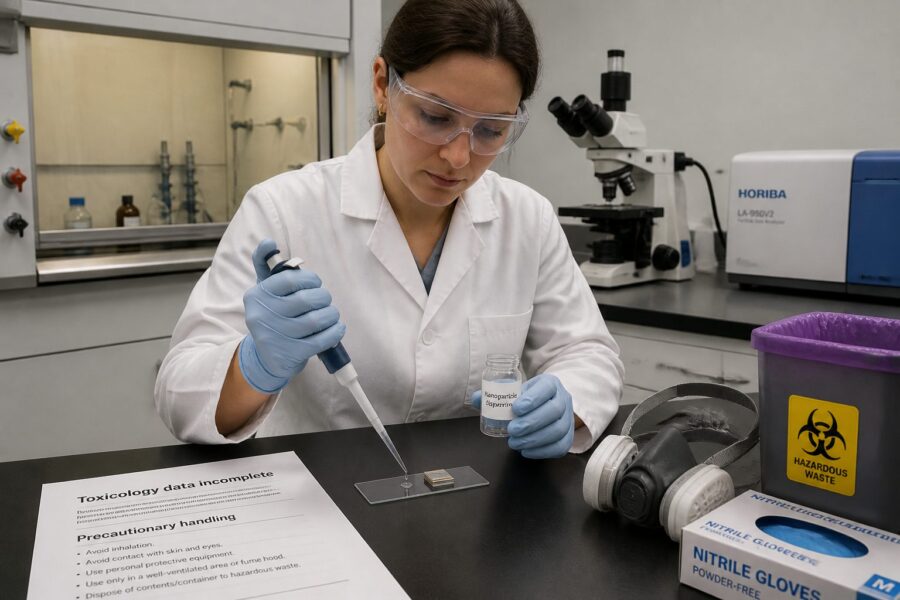
The field of art conservation is witnessing a remarkable transformation with the increasing use of nanomaterials, which are revolutionizing preservation techniques. These advanced materials are playing a crucial role in preserving historical pigments while ensuring their longevity and stability, thereby providing conservators with innovative tools to maintain the integrity of our cultural heritage.
Nanoparticles offer unique properties that enhance the effectiveness of conservation materials, allowing for unprecedented advancements in restoration practices. However, as their usage expands, it is vital to understand the implications for safety and health in the context of conservation practices, ensuring that both art and the individuals working on these pieces are protected.
This article explores the intricate relationship between nanoparticles and conservation materials, diving into their toxicology and the necessary precautions for safe handling. As the field evolves and adapts to new technologies, it is essential to prioritize both the preservation of art and the safety of those involved in restoration efforts, creating a sustainable future for art conservation.
The Increasing Use of Nanomaterials in Conservation Products
Nanomaterials are becoming increasingly prevalent in the conservation of artworks and historical artifacts, marking a significant shift in methodology. Their unique characteristics, such as increased reactivity and an enhanced surface area, enable more effective binding and stabilization of pigments, which is crucial for maintaining the original appearance of delicate items.
This trend is particularly evident in the formulation of coatings and consolidants that enhance the durability of fragile materials, offering conservators new means to extend the life of priceless artifacts. As conservators seek innovative solutions to age-old problems, the integration of nanoparticles in conservation products is likely to continue growing, leading to more effective and sustainable preservation techniques.
Moreover, the use of nanoparticles has shown the potential to improve the aesthetic qualities of restored artworks significantly, allowing for more precise color matching and retention of the original appearance. By enabling a higher fidelity in restoration, these materials are revolutionizing art restoration practices and opening new avenues for enhancing the visual integrity of cultural treasures.
However, the introduction of nanomaterials in conservation raises essential questions about health and safety that must be addressed to ensure the well-being of conservators. Understanding how these materials behave differently from their bulk counterparts is crucial for developing effective safety protocols and protecting those engaged in restoration work.
As the conservation field embraces these advanced materials, ongoing research is necessary to assess their long-term effects on both artworks and human health. This knowledge will help develop guidelines that prioritize both effective restoration and the health of conservators, ensuring that innovative practices do not come at the cost of personal safety.
Why Nanoparticle Toxicology Differs From Bulk Material Safety
The toxicology of nanoparticles is fundamentally different from that of bulk materials due to their reduced size and distinctive surface properties. These differences can lead to unique interactions at the cellular and molecular levels, which may pose unexpected health risks that are not present with larger particles.
For instance, nanoparticles can penetrate biological membranes more easily than larger particles, raising significant concerns about their potential to cause toxicity in scenarios of respiratory and dermal exposure. This capability necessitates a reevaluation of safety standards to adequately address the unique risks associated with nanoparticles, particularly in conservation settings.
Furthermore, the reactivity of nanoparticles can vary significantly based on their shape, size, and surface coatings, complicating the understanding of their biological interactions. These factors can influence how they interact with biological systems, necessitating a comprehensive approach to safety and evaluation of these materials in the context of art conservation.
Current regulations often rely on data from bulk materials, which may not accurately represent the risks associated with nanoparticles. Thus, a new framework for evaluating the safety of nanomaterials in art restoration is urgently needed to protect both cultural heritage and the health of those tasked with preserving it.
As research continues to evolve, a better understanding of nanoparticle toxicology will inform safer practices in conservation, creating an environment where innovation can flourish without compromising safety. This knowledge is crucial for protecting both cultural heritage and the health of those dedicated to preserving it, ensuring that conservation efforts are both effective and responsible.
Titanium Dioxide Nanoparticles: Current Classification and Lung Evidence
Titanium dioxide nanoparticles are widely used in various applications, including as pigments and UV filters in conservation products, owing to their stability and effectiveness. However, emerging evidence suggests that their classification and safety assessments need to be reconsidered due to potential respiratory hazards that may not have been fully understood previously.
Studies have shown that inhalation of titanium dioxide nanoparticles can lead to lung inflammation and a range of other respiratory issues, raising alarms about their safety in conservation practices. This is particularly concerning for conservators who may be exposed to aerosolized particles during restoration work, potentially putting their health at risk.
| Health Effect | Evidence Level | Recommended Action |
|---|---|---|
| Lung Inflammation | Moderate | Use masks |
| Fibrosis | High | Avoid exposure |
| Oxidative Stress | Moderate | Implement ventilation |
| Cellular Damage | High | Limit handling |
Given these significant findings, it is imperative for conservators to adopt appropriate safety measures when working with titanium dioxide nanoparticles, thus minimizing potential hazards. Implementing proper ventilation and utilizing personal protective equipment can effectively mitigate risks associated with their use, creating a safer working environment.
As ongoing research sheds light on the health implications of these nanoparticles, guidelines must be updated accordingly to reflect the latest findings. Ensuring the safety of conservators while utilizing effective conservation materials is a balancing act that requires careful attention to evolving research and safety practices.
Silver Nanoparticles in Antimicrobial Conservation Coatings
Silver nanoparticles have gained significant attention for their remarkable antimicrobial properties, making them particularly valuable in conservation coatings. Their ability to inhibit microbial growth helps protect historical artifacts from deterioration caused by fungi, bacteria, and other harmful microorganisms that can compromise their integrity over time.
While the benefits of silver nanoparticles are substantial and well-documented, concerns about their toxicity must also be addressed to ensure safe application in conservation practices. Studies have indicated that prolonged exposure to silver nanoparticles can lead to cytotoxic effects, necessitating caution in their application and a thorough understanding of exposure risks.
Moreover, the effectiveness of silver nanoparticles can be influenced by environmental conditions, which can vary widely in conservation settings. Factors such as pH and temperature can affect their antimicrobial activity, making it crucial for conservators to understand these variables and their impact on the performance of silver nanoparticles in different environments.
As the use of silver nanoparticles in conservation continues to grow, ongoing research is essential to establish safe application guidelines that balance antimicrobial benefits with potential toxicity risks. This will help ensure that conservators can effectively utilize these materials without compromising their health or the safety of the artworks they protect.
In conclusion, while silver nanoparticles offer promising solutions for preserving historical artifacts, their safe handling remains a top priority that cannot be overlooked. Careful consideration of exposure risks is necessary to protect both the artworks and the health of those preserving them, ultimately contributing to the long-term success of conservation efforts.
Silica and Calcium Carbonate Nanoparticles in Consolidants
Silica and calcium carbonate nanoparticles are increasingly used in consolidants to enhance the structural integrity of fragile artworks, which is essential for preserving delicate materials. These nanoparticles provide a lightweight yet durable solution for stabilizing deteriorating surfaces, allowing conservators to extend the lifespan of artifacts that might otherwise be lost to time.
While their benefits are significant and well-recognized in the conservation community, it is equally essential to understand the potential health risks associated with their use. Inhalation of silica nanoparticles, for example, has been linked to serious respiratory conditions that can have dire consequences for the health of conservators who work with these materials regularly.
- Respiratory issues
- Skin irritation
- Potential carcinogenic effects
- Long-term exposure concerns
- Need for protective measures
For calcium carbonate nanoparticles, while generally considered safer than silica, exposure should still be minimized to reduce any potential risks. This is particularly important in enclosed spaces where dust accumulation can occur during application, necessitating strict adherence to safety protocols to protect conservators.
As with all nanoparticles used in conservation, ongoing research is necessary to refine safety protocols and ensure that the benefits of these materials do not come at the cost of the conservators’ health. Understanding the implications of using silica and calcium carbonate nanoparticles will help create a safer working environment for those dedicated to preserving our cultural heritage.
Inhalation and Dermal Penetration Pathways for Nanoparticles
Understanding the pathways through which nanoparticles can enter the body is crucial for assessing their safety, as this knowledge will inform best practices in handling these materials. Inhalation is a primary route of exposure, with nanoparticles capable of reaching the alveolar region of the lungs, where they can exert significant biological effects.
Dermal penetration is another critical concern, as nanoparticles can be absorbed through the skin, leading to systemic exposure that may not be immediately evident. This ability heightens the risk of adverse health effects and underscores the need for conservators to implement protective measures during handling to minimize potential risks.
Additionally, the size and surface properties of nanoparticles can influence their absorption and distribution within the body, further complicating the understanding of their safety profiles. It is imperative for conservators to be aware of these factors and stay informed about ongoing research to effectively mitigate potential health risks associated with nanoparticle exposure.
Research into these exposure pathways is ongoing, and findings will inform best practices in nanoparticle handling, helping to develop a comprehensive understanding of how these materials interact with biological systems. Understanding the dynamics of nanoparticle exposure is key to ensuring safety in conservation efforts and protecting the health of those involved.
As awareness of nanoparticle exposure increases, so too must the commitment to safety protocols in art restoration practices. Protecting both the invaluable artworks and the conservators who maintain them is a fundamental aspect of responsible conservation practices that must be prioritized.
Limitations of Existing Occupational Exposure Limits for Nanoscale Dusts
Current occupational exposure limits (OELs) for dust often fail to address the unique risks associated with nanoscale materials, leaving a significant gap in safety regulations. Many existing regulations are based on bulk material data, which can lead to potential underestimations of risk for nanoparticles that behave differently at the nanoscale.
This gap in regulation highlights the need for a thorough reassessment of exposure limits that are specifically tailored to nanoparticles, taking into account their unique properties and associated health risks. Without updated guidelines that reflect the realities of working with nanomaterials, conservators may be unknowingly exposed to harmful levels of nanoscale dust, jeopardizing their health and safety.
Furthermore, the variability in nanoparticle behavior complicates the establishment of universal exposure limits, as each type of nanoparticle may have distinct health implications that require individualized approaches to safety. This complexity necessitates a more nuanced understanding of the interactions between nanoparticles and biological systems to develop effective regulations.
As research progresses and our understanding of nanoparticles continues to evolve, it will become increasingly vital to develop OELs that accurately reflect the unique characteristics of these materials. This will help ensure a safer working environment for conservators, enabling them to work confidently with innovative materials while safeguarding their health.
In the meantime, it is crucial for organizations and conservation institutions to adopt a proactive stance on nanoparticle safety. Implementing interim measures and best practices can help mitigate risks until more comprehensive regulations are established, promoting a culture of safety in the field of conservation.
Engineering Controls Specifically Recommended for Nanoparticle Work
Implementing engineering controls is essential for minimizing exposure to nanoparticles in conservation settings, as this can significantly enhance the safety of conservators. Effective ventilation systems can greatly reduce airborne concentrations of nanoparticles during restoration work, helping to protect workers from inhalation risks that could lead to adverse health effects.
In addition to ventilation, other engineering controls can include proper dust collection systems and the creation of enclosed workspaces, which can significantly decrease the likelihood of exposure. These measures can help create a safer environment for conservators handling nanomaterials, promoting responsible practices in art restoration.
Regular maintenance of equipment is also crucial to ensure their effectiveness, as well-maintained systems can provide reliable protection against potential hazards. By keeping ventilation and dust collection systems in good working order, conservators can further minimize exposure risks associated with nano materials.
Training for personnel on the safe handling of nanoparticles is another important aspect of engineering controls that cannot be overlooked. Educating staff about potential hazards and safe practices can enhance awareness and promote a culture of safety within conservation teams.
Ultimately, the implementation of engineering controls can greatly reduce health risks associated with nanoparticle use in conservation settings. This proactive approach is vital for protecting both conservators and the artworks they preserve, ensuring that innovative materials can be used safely and effectively.
Regulatory Landscape: How Different Countries Classify Nano Risks
The regulatory landscape surrounding nanoparticles varies significantly across countries, reflecting differing approaches to safety, risk management, and public health. Some nations have established specific regulations addressing the unique challenges posed by nanomaterials, recognizing their potential impact on health and the environment.
In contrast, others rely on existing regulations that may not adequately address the risks associated with nanoparticles, which can lead to inconsistencies in safety practices. This inconsistency can create challenges for international conservation efforts and collaboration, making it essential to harmonize regulations to ensure the safe use of nanomaterials in art conservation.
For instance, the European Union has taken a proactive stance by requiring specific labeling and safety assessments for products containing nanoparticles, thereby enhancing transparency and public safety. Meanwhile, the United States has yet to implement comprehensive regulations tailored specifically to nanoscale materials, which raises concerns about the potential risks faced by conservators and the public.
As global awareness of nanoparticle risks increases, harmonizing regulations will become increasingly important for fostering safe practices across borders. This will enable safer practices and protect both conservators and cultural heritage worldwide, ultimately promoting responsible conservation efforts in a global context.
Ultimately, understanding the regulatory landscape is essential for conservators working with nanoscale materials, as compliance with local and international regulations is vital for ensuring safety. Staying informed about evolving regulations can help ensure a safer working environment in the field of conservation, allowing conservators to focus on their critical work without compromising their health.
Best-Practice Precautionary Protocols Until More Data Is Available
In light of the current uncertainties surrounding nanoparticle safety, implementing best-practice precautionary protocols is essential for safeguarding the health of conservators. These protocols can help mitigate risks until more comprehensive data is available, allowing for responsible use of nanomaterials in conservation efforts.
First and foremost, using personal protective equipment, such as masks and gloves, is crucial when handling nanoparticles to minimize exposure to potentially harmful substances. Additionally, ensuring proper ventilation in workspaces will further reduce exposure levels, creating a safer environment for conservators engaged in restoration work.
Regular training sessions for conservators on nanoparticle safety can enhance awareness and adherence to established protocols, fostering a culture of safety within conservation teams. Furthermore, implementing strict hygiene practices, such as thorough handwashing after handling materials, is vital for reducing the risk of exposure to harmful nanoparticles.
Lastly, maintaining a detailed inventory of the nanoparticles used in conservation can aid in monitoring exposure levels and tracking potential health risks. By adopting these precautionary measures, the conservation community can prioritize safety while utilizing innovative materials that enhance preservation techniques.
As the field progresses, ongoing research and updated guidelines will be essential for ensuring the health and safety of conservators. Until then, a commitment to best practices will help safeguard both workers and the invaluable artworks they restore, contributing to the longevity and integrity of our cultural heritage.


