

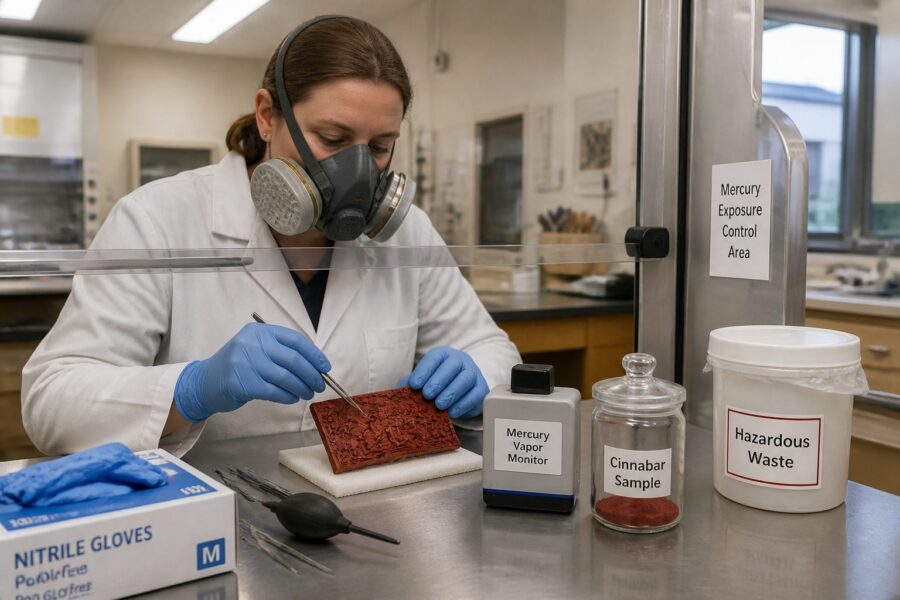
In the intricate world of art conservation, the safety of conservators is paramount, as they work diligently to preserve cultural heritage and historical artifacts. One often overlooked hazard in this field is mercury vapor, particularly from cinnabar objects, which can pose serious health risks in conservation studios, threatening the well-being of those dedicated to preserving art.
Mercury vapor is a colorless, odorless gas that can be released even at room temperature, making it a hidden threat that is difficult to detect without proper equipment. Understanding the implications of mercury exposure from cinnabar objects is crucial for ensuring a safe working environment, as the health effects may not be immediately apparent but can have long-term consequences.
The release of mercury from cinnabar, a vibrant red pigment used in art, can occur during handling and light exposure, adding an additional layer of risk. This can create a significant risk for conservators who may not be aware of the potential dangers associated with these historical materials, emphasizing the need for thorough education on the subject.
Mercury vapor can exist in conservation settings without visible signs, making it difficult to detect and leading to harmful exposure levels. This invisible hazard can lead to significant mercury exposure for conservators working with cinnabar objects, often without their knowledge or consent, which can have dire health implications.
Even minimal exposure to mercury vapor can accumulate over time, leading to chronic health issues that may not manifest until years later. Therefore, understanding the risks associated with mercury vapor is essential in conservation practices, enabling conservators to adopt preventive measures that safeguard their health and well-being.
Proper training and awareness of mercury handling safety can mitigate potential risks significantly, as informed conservators are better equipped to protect themselves. It is vital for conservation studios to implement safety protocols to protect staff from mercury toxicity related to art objects, promoting a culture of safety and awareness in these environments.
Regular monitoring and assessment of air quality can help identify mercury vapor levels, providing essential data for informed decision-making. This proactive approach ensures that conservators are not unknowingly exposed to harmful concentrations in their workspaces, allowing for timely interventions if necessary.
Moreover, utilizing appropriate signage and communication about the hazards of mercury can enhance safety awareness among all staff members. It fosters a culture of safety within conservation environments, encouraging individuals to take responsibility for their own health as well as that of their colleagues.
Cinnabar, primarily composed of mercury sulfide, can release elemental mercury when exposed to light and heat, which can happen more frequently than conservators realize. This process can occur during routine handling or when artworks are displayed under certain lighting conditions, highlighting the need for careful management of such items in conservation settings.
The release of mercury can lead to increased levels of mercury vapor in the air, posing significant risks to conservators working in close proximity to these materials. Understanding the conditions that facilitate this release is crucial for developing effective handling protocols that prioritize the safety of all individuals involved.
Handling cinnabar objects without proper precautions can exacerbate mercury exposure, which is particularly concerning given the historical value of many of these items. This emphasizes the need for strict cinnabar handling safety guidelines within conservation practices to mitigate risks to both conservators and the artifacts themselves.
To mitigate risks, conservators should limit direct exposure to cinnabar and utilize protective equipment designed specifically for handling hazardous materials. Following best practices ensures the safety of both the objects and the individuals working with them, allowing for the preservation of cultural heritage without compromising health.
Research continues to evolve regarding the effects of light and temperature on mercury release from cinnabar, providing new insights that can enhance safety protocols. This knowledge is vital for the safe conservation of historical art objects containing this pigment, informing best practices that can be integrated into daily operations.
When elemental mercury is inhaled, it enters the bloodstream through the lungs, setting off a chain reaction of potential health issues. Once in the bloodstream, it can be distributed throughout the body, particularly affecting the brain and nervous system, which are critical areas of concern for those working closely with mercury-bearing materials.
Mercury’s neurotoxic effects can manifest as cognitive deficits, mood disturbances, and motor impairments, which can severely impact a conservator’s ability to work effectively. This highlights the critical need for monitoring and managing mercury exposure in conservation studios, ensuring that staff are protected from long-term health consequences.
Understanding the biological pathways of mercury inhalation is essential for developing effective safety protocols tailored to the specific needs of conservators. It allows conservators to recognize symptoms early and seek appropriate medical attention, thereby minimizing the potential for serious health issues arising from exposure.
Regular training on the health effects of mercury exposure can enhance awareness among conservators, providing them with the knowledge necessary to recognize potential dangers. This knowledge can empower them to take preventive actions in their workspaces, fostering a proactive approach to health and safety.
Effective air monitoring is crucial for detecting mercury vapor levels in conservation workspaces, ensuring that the air quality remains within safe limits. Various methods can be employed, including passive sampling and active air sampling techniques, both of which have their own benefits and limitations in assessing exposure risk.
Passive sampling involves collecting air samples over a set period, allowing for a comprehensive overview of mercury levels, while active sampling requires the use of pumps to actively draw air through a filter. Both methods can provide valuable data to assess mercury exposure risks, informing necessary interventions and safety measures.
Implementing a regular air monitoring program can help identify trends in mercury vapor levels over time, allowing conservators to stay ahead of potential exposure issues. This proactive approach allows conservators to take necessary actions before exposure limits are reached, ensuring a safer working environment.
Additionally, using personal monitoring badges can provide individual exposure data, offering insights into specific risk levels for each conservator. This information can be beneficial for understanding personal risk levels in the conservation environment, enabling targeted interventions if necessary.
Regular analysis of air quality and monitoring data can inform safety protocols, ensuring they remain effective and relevant to current conditions. Establishing a culture of safety within conservation studios is essential for minimizing mercury exposure and protecting staff health.
Permissible exposure limits (PEL) for mercury vapor are established to protect workers in conservation settings from the harmful effects of this toxic substance. The Occupational Safety and Health Administration (OSHA) sets a PEL of 0.1 mg/m³ for mercury vapor in the workplace, providing a guideline that institutions must follow to ensure safety.
Action levels, defined as half the PEL, trigger additional monitoring and safety measures that must be implemented to safeguard workers. These guidelines are critical for ensuring a safe working environment for conservators handling mercury-bearing objects, as they create a framework for maintaining health standards.
Regular training on permissible exposure limits is vital for conservation staff to ensure they are aware of the risks and regulations surrounding mercury exposure. Understanding these limits can empower conservators to advocate for their safety in the workplace, promoting a culture of health and responsibility.
Instituting regular air quality assessments can help ensure compliance with these exposure limits, creating a systematic approach to health and safety. It fosters an environment where safety is prioritized and mercury toxicity risks are minimized, protecting both conservators and the valuable collections they manage.
By adhering to established exposure limits, institutions can protect their staff and enhance overall workplace safety, reducing the likelihood of health issues stemming from exposure. Awareness and compliance are key components of effective mercury management in conservation settings, creating an atmosphere of vigilance and care.
Personal protective equipment (PPE) is essential for safeguarding conservators from mercury vapor exposure, as it provides a crucial barrier against harmful substances. Specific PPE rated for mercury vapor includes respirators, gloves, and protective clothing, all of which play vital roles in ensuring safety during the conservation process.
Choosing the right PPE is crucial in minimizing risks associated with mercury exposure from cinnabar objects, as improperly selected equipment can lead to inadequate protection. It ensures that conservators can work safely while handling these hazardous materials, allowing them to focus on their preservation efforts without compromising their health.
- Respirators with mercury filters to prevent inhalation of harmful vapors
- Non-permeable gloves designed to keep skin protected from contact
- Protective lab coats that minimize contamination of personal clothing
- Face shields that provide additional protection to the eyes and face
- Safety goggles that offer a secure fit to defend against splashes
Regular training on the proper use and maintenance of PPE is fundamental to ensuring that conservators understand how to effectively utilize these safety measures. This training can empower conservators to implement effective safety measures in their daily routines, creating a more secure working environment.
By prioritizing PPE usage, conservation studios can significantly reduce the risks associated with mercury exposure, leading to a healthier workplace for all staff. This proactive approach fosters a culture of safety and responsibility among staff, encouraging them to take ownership of their health and safety practices.
Effective ventilation is critical for maintaining air quality in conservation studios that house mercury-bearing objects, as proper airflow can prevent the buildup of harmful vapors. Engineering controls, such as fume hoods and local exhaust ventilation, can help minimize mercury vapor levels in the workspace, creating a safer environment for conservators.
These systems should be designed to ensure proper airflow and capture any potential mercury vapor emissions, which is essential for protecting the health of conservators. Implementing robust ventilation systems safeguards the health of conservators and protects the integrity of the artworks, allowing for safe preservation practices.
Regular maintenance and inspection of ventilation systems are essential for optimal performance, as neglected systems can lead to increased exposure risks. This ensures that air quality standards are met and that mercury exposure risks are minimized, contributing to a safer working environment.
Additionally, designing storage areas with proper airflow can further reduce mercury accumulation, providing an additional layer of safety for conservators. This proactive approach enhances safety and promotes a healthier working environment, ensuring that conservators can perform their duties without unnecessary risks.
Overall, effective ventilation engineering controls are a vital component in managing mercury exposure in conservation settings, as they play a key role in air quality management. By prioritizing air quality, institutions can significantly reduce health risks for their staff, fostering a culture of safety in the conservation profession.
Decontamination procedures are essential after working with cinnabar-containing works to ensure safety for both conservators and the items they handle. These procedures help remove any residual mercury that may have accumulated on clothing or equipment, minimizing the risk of cross-contamination in the workspace.
Conservators should follow specific protocols, such as using wet wipes and specialized cleaning solutions, to effectively decontaminate surfaces and tools used during the conservation process. This practice minimizes the risk of mercury exposure during subsequent work, protecting both the conservators and the precious artifacts.
Implementing a checklist for decontamination can enhance compliance with safety protocols, ensuring that all necessary steps are followed after handling hazardous materials. This organized approach to decontamination fosters accountability among staff and reinforces the importance of safety in conservation practices.
Additionally, training staff on proper decontamination techniques is vital to ensuring that everyone understands their role in maintaining a safe environment. This knowledge empowers conservators to take responsibility for their safety and the safety of their colleagues, cultivating a diligent workforce.
By prioritizing decontamination after working with cinnabar, institutions can significantly reduce mercury exposure risks, thereby protecting the health of their staff. This proactive approach fosters a culture of safety in conservation settings, ensuring that the well-being of conservators is a top priority.
Medical monitoring is vital for conservators who regularly work with cinnabar to track potential health effects stemming from mercury exposure. This proactive approach can help identify early signs of mercury toxicity, ensuring that any health concerns are addressed promptly and effectively, thereby safeguarding the well-being of conservation professionals.
Regular health screenings can detect changes in neurological function or other symptoms related to mercury exposure, allowing for timely interventions. This monitoring ensures that conservators receive timely medical attention if needed, protecting their long-term health and ability to work.
Establishing a medical monitoring program requires collaboration between conservation institutions and healthcare providers, ensuring that assessments are tailored to the specific needs of conservators. This partnership can facilitate the development of tailored health assessments for staff, creating a comprehensive approach to health and safety.
Furthermore, educating staff about the importance of medical monitoring can improve participation rates, fostering a culture of health awareness. It empowers conservators to take an active role in managing their health in relation to mercury exposure, ensuring that they remain vigilant and proactive.
By prioritizing medical monitoring, institutions can enhance the well-being of their staff while ensuring a safe working environment, which is essential for effective conservation practices. This proactive approach is essential for managing the risks associated with mercury toxicity in conservation, ultimately benefiting both conservators and the collections they protect.
Developing an institutional risk assessment framework is crucial for managing mercury exposure in collections, as it provides a structured approach to evaluating hazards. This framework should include guidelines for evaluating the risks associated with handling and storing mercury-bearing objects, ensuring that safety measures are appropriately tailored.
Risk assessments should consider factors such as the type of material, handling frequency, and existing safety protocols, creating a comprehensive evaluation of potential hazards. This comprehensive evaluation helps institutions prioritize safety measures effectively, ensuring that resources are allocated where they are most needed to protect staff and collections.
Furthermore, engaging conservators in the risk assessment process can provide valuable insights that enhance the rigor of the evaluation. Their firsthand experience can inform the development of more effective safety guidelines, ensuring that protocols are practical and relevant to daily operations.
Regularly updating risk assessments ensures that institutions stay current with best practices and evolving knowledge regarding mercury safety. This commitment to safety can significantly reduce mercury exposure risks for staff and collections alike, fostering a culture of vigilance and care.
By implementing robust risk assessment frameworks, institutions can create a safer working environment while preserving their valuable collections, striking a balance between conservation and health. This proactive approach is essential for managing mercury toxicity risks in conservation settings, ensuring that both conservators and cultural heritage are protected.


