

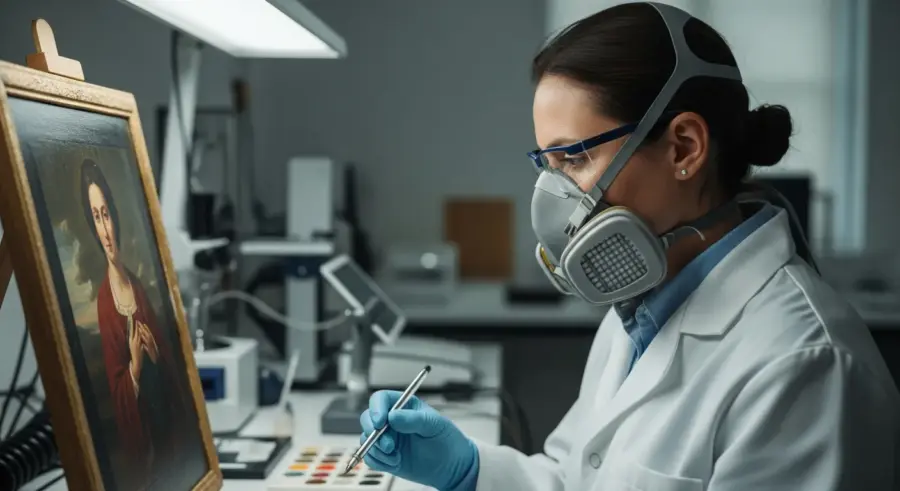
Working with pigments is an integral part of art history, conservation, and various industrial applications. However, the fine particulate nature of many pigments poses a significant risk: respiratory irritation. It’s important to understand the causes, symptoms, and preventive measures associated with pigment inhalation to protect your health and the health of those around you.
This article will explore the potential dangers of pigment inhalation and provide practical guidance on how to mitigate these risks. We’ll cover everything from identifying common culprit pigments to implementing effective respiratory protection strategies.
Whether you’re an artist, conservator, or industrial worker, understanding and addressing respiratory irritation from pigments is essential for a safe and healthy work environment. Prioritizing respiratory health ensures that you can continue working with these materials without compromising your well-being.
Understanding Respiratory Irritation from Pigments
Respiratory irritation from pigments occurs when fine particles of these materials are inhaled and deposited in the respiratory tract. These particles can cause inflammation and irritation of the delicate tissues lining the airways and lungs.
The severity of the irritation depends on several factors, including the type of pigment, the size of the particles, the concentration of exposure, and the individual’s susceptibility. Some pigments are inherently more irritating due to their chemical composition or physical properties.
Particle size plays a crucial role because smaller particles can penetrate deeper into the lungs, reaching the alveoli where gas exchange occurs. High concentrations of pigment dust in the air increase the likelihood of significant inhalation and subsequent irritation.
Individuals with pre-existing respiratory conditions, such as asthma or chronic bronchitis, may be more vulnerable to the effects of pigment inhalation. Even those without known respiratory issues can develop symptoms after prolonged or intense exposure.
The human respiratory system is designed to filter out larger particles, but it struggles with the incredibly fine particles often found in pigments. This is why proper ventilation and respiratory protection are critical when working with these materials.
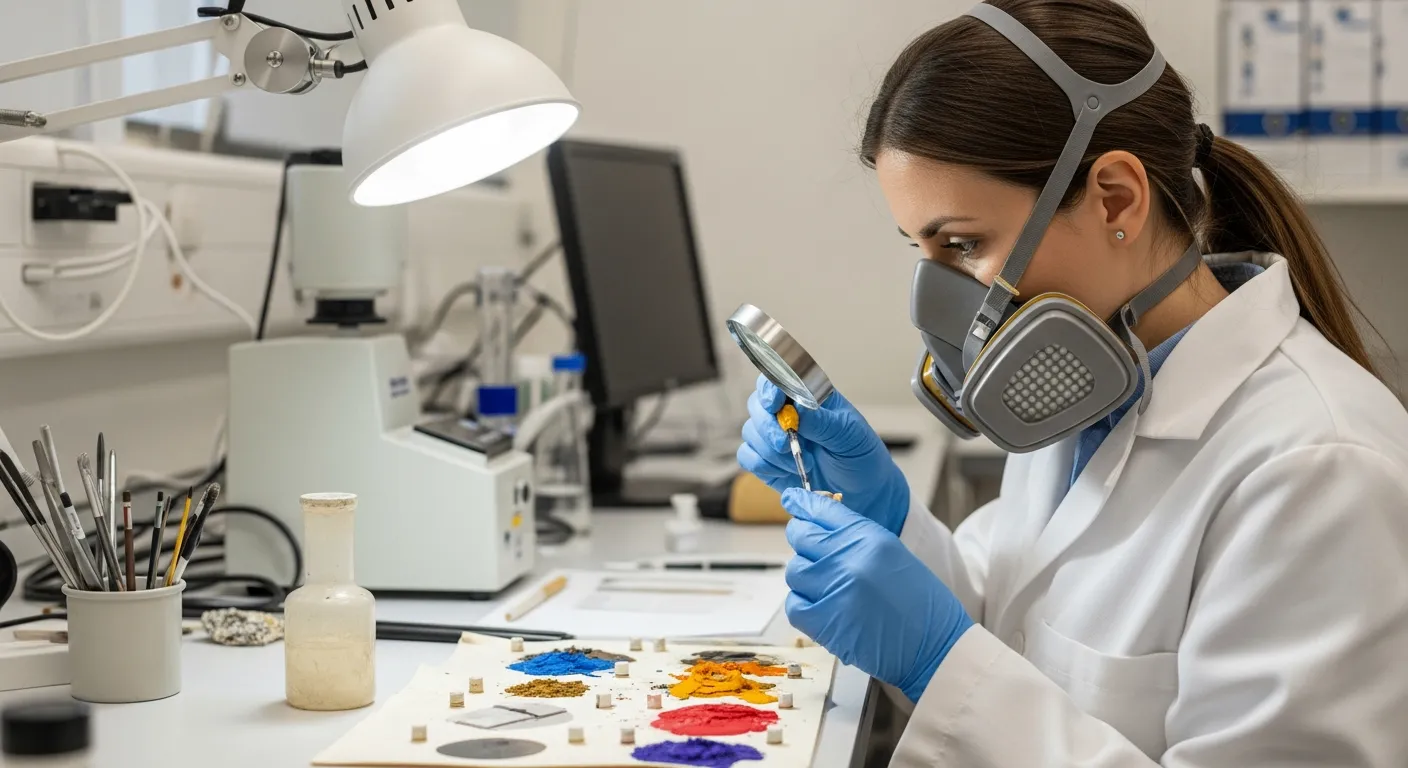
Consider the long-term effects of even minor, repeated exposure. Cumulative damage to the respiratory system can lead to chronic conditions that significantly impact quality of life.
It’s not just the pigment itself that can cause irritation. Binders, solvents, and other additives used in conjunction with pigments can also contribute to respiratory problems.
Understanding the specific chemical composition of the pigments you are working with is paramount. Reviewing safety data sheets (SDS) is a crucial first step in assessing potential respiratory hazards.
Pigments That Commonly Cause Respiratory Issues
Certain pigments are known to be more problematic regarding respiratory irritation than others. These pigments often contain heavy metals or have inherent chemical properties that can trigger inflammation and allergic reactions.
Cadmium-based pigments, such as cadmium red and cadmium yellow, are notorious for their toxicity. Inhaling cadmium particles can cause severe lung irritation and long-term respiratory problems.
Cobalt-containing pigments, like cobalt blue and cobalt violet, can also cause respiratory issues. Cobalt is a known sensitizer, meaning it can trigger allergic reactions in some individuals upon inhalation.
Lead-based pigments, although less commonly used today, still pose a risk in older materials. Lead chromate, for example, can cause respiratory irritation and has been linked to more severe health problems with chronic exposure.
Manganese violet is another pigment to be wary of, as it can cause respiratory irritation and potential neurological effects. Always consult safety data sheets for detailed information on the specific pigments you’re using.
Even seemingly innocuous pigments like titanium dioxide can cause irritation if inhaled in large quantities. While generally considered safe, prolonged exposure to high concentrations of any particulate matter can be harmful.
The source of the pigment also matters. Natural pigments may contain impurities or contaminants that can exacerbate respiratory problems.
Be especially cautious when working with dry pigments in powder form. These are easily aerosolized and can be readily inhaled if proper precautions are not taken.
Common Industrial Uses of Hazardous Pigments
Many pigments known to cause respiratory irritation are used in various industrial applications. Understanding where these pigments are commonly found can help you better assess and mitigate exposure risks.
Cadmium pigments are frequently used in plastics, ceramics, and specialized paints due to their vibrant colors and excellent lightfastness. Lead chromate is often found in industrial coatings, traffic paints, and some printing inks.
| Pigment | Common Industrial Uses | Potential Respiratory Effects |
|---|---|---|
| Cadmium Red | Plastics, ceramics, specialized paints | Severe lung irritation, long-term respiratory problems |
| Cobalt Blue | Ceramics, glass, some paints | Allergic reactions, respiratory sensitization |
| Lead Chromate | Industrial coatings, traffic paints, printing inks | Respiratory irritation, potential for long-term health issues |
| Manganese Violet | Plastics, cosmetics, some paints | Respiratory irritation, potential neurological effects |
The use of these hazardous pigments is often regulated, but it’s still important to be aware of their presence in older products or in industries with less stringent oversight. Always check the composition of materials you are working with, especially if they are from an unknown source.
In the construction industry, lead-based paints are a significant concern, particularly during renovation or demolition work. Proper lead abatement procedures are crucial to protect workers and the public.
The automotive industry also uses pigments in paints and coatings, some of which may contain hazardous substances. Workers involved in painting or sanding vehicles should take appropriate respiratory precautions.
Even in seemingly benign applications like cosmetics, certain pigments can pose a respiratory risk during the manufacturing process. Proper ventilation and respiratory protection are essential in these settings as well.
Symptoms of Respiratory Irritation
The symptoms of respiratory irritation from pigment inhalation can vary depending on the individual and the extent of exposure. Mild symptoms may include coughing, sneezing, and a scratchy throat.
More severe symptoms can include shortness of breath, wheezing, chest tightness, and persistent coughing. Some individuals may experience nosebleeds or a burning sensation in the nasal passages.
In cases of acute exposure to highly toxic pigments, such as cadmium, symptoms can escalate rapidly. This can lead to acute bronchitis, pneumonia, or even acute respiratory distress syndrome (ARDS).
If you experience any of these symptoms after working with pigments, it’s crucial to seek medical attention promptly. Early diagnosis and treatment can prevent long-term complications and protect your respiratory health.
It’s important to distinguish between a common cold and symptoms of pigment inhalation. If your symptoms arise shortly after working with pigments, it’s more likely to be related to the exposure.
Pay attention to the duration and severity of your symptoms. Persistent or worsening symptoms warrant immediate medical evaluation.
Keep a record of your symptoms, including when they started, what activities you were engaged in, and any potential exposures. This information can be helpful for your healthcare provider in making a diagnosis.
Don’t ignore even seemingly mild symptoms, as they can be an early warning sign of a more serious problem. Proactive monitoring and early intervention are key to protecting your respiratory health.
Long-Term Respiratory Effects of Pigment Exposure
Chronic exposure to pigment dust can lead to several long-term respiratory problems. These conditions can significantly impact your quality of life and may be irreversible.
Prolonged inhalation of certain pigments can cause chronic bronchitis, characterized by persistent inflammation and mucus production in the airways. This can lead to chronic coughing, wheezing, and shortness of breath.
Some pigments, particularly those containing cobalt, can cause occupational asthma. This condition involves airway inflammation and narrowing, leading to recurring episodes of wheezing, coughing, and chest tightness.
In more severe cases, long-term exposure to toxic pigments can contribute to the development of pulmonary fibrosis, a condition where the lung tissue becomes scarred and stiff. Pulmonary fibrosis can severely impair lung function and lead to respiratory failure.
The latency period between exposure and the onset of long-term effects can be quite long, sometimes years or even decades. This makes it crucial to maintain meticulous records of your exposure history.
Certain pigments have also been linked to an increased risk of lung cancer. Chromium-containing pigments, for example, are known carcinogens.
The severity of long-term effects can depend on individual factors such as genetics, smoking history, and pre-existing respiratory conditions. These factors can increase susceptibility to pigment-related respiratory diseases.
Early detection and intervention are crucial for managing long-term respiratory effects. Regular monitoring and prompt treatment can help slow the progression of the disease and improve quality of life.
Preventing Respiratory Irritation with Protective Equipment
Using appropriate respiratory protective equipment is one of the most effective ways to prevent respiratory irritation from pigment inhalation. The type of equipment needed depends on the specific pigments being used and the level of exposure.
For general dust protection, a properly fitted N95 respirator can filter out at least 95% of airborne particles. These respirators are suitable for tasks that generate low levels of pigment dust.
- Wear a properly fitted respirator
- Choose the right type of respirator for the job
- Ensure the respirator is NIOSH-approved
- Inspect the respirator before each use
- Replace filters regularly
For higher levels of exposure or when working with highly toxic pigments, a full-face respirator with appropriate cartridges may be necessary. These respirators provide a tighter seal and offer more comprehensive protection.
It’s crucial to ensure that your respirator fits properly. A loose-fitting respirator will not provide adequate protection. Follow the manufacturer’s instructions for fit-testing and adjustment.
Respirator filters and cartridges have a limited lifespan and must be replaced regularly. Follow the manufacturer’s recommendations for filter replacement based on the type of pigment and the level of exposure.
In addition to respirators, consider using other protective equipment, such as gloves and eye protection, to prevent skin and eye irritation from pigment exposure. A comprehensive approach to personal protective equipment is essential for minimizing health risks.
Improving Ventilation to Reduce Pigment Exposure
Adequate ventilation is crucial for reducing the concentration of pigment dust in the air. Proper ventilation helps remove airborne particles and prevents them from accumulating in the work environment.
Natural ventilation, such as opening windows and doors, can be helpful in some situations. However, it may not be sufficient for tasks that generate significant amounts of pigment dust, like grinding pigments.
Mechanical ventilation systems, such as exhaust fans and air filtration units, provide more reliable and controlled airflow. Local exhaust ventilation (LEV) systems are particularly effective because they capture dust at the source before it can disperse into the air.
For tasks that generate a lot of dust, such as sanding or spray painting, consider using a downdraft table or spray booth with built-in exhaust systems. These systems draw air downwards and away from the worker’s breathing zone, minimizing inhalation risks.
Regularly inspect and maintain your ventilation systems to ensure they are functioning properly. Clogged filters or malfunctioning fans can significantly reduce the effectiveness of the ventilation system.
Consider using air filtration units with HEPA filters to remove fine pigment particles from the air. These filters are highly effective at capturing even the smallest particles, improving air quality and reducing respiratory risks.
Ensure that the ventilation system is designed to provide adequate air changes per hour for the size of the work area. Insufficient air changes can lead to a build-up of pigment dust, even with ventilation in place.
Proper ventilation is not just about removing dust; it’s also about diluting the concentration of volatile organic compounds (VOCs) that may be released from solvents and binders used with pigments. These VOCs can also contribute to respiratory irritation.
Safe Handling Practices for Pigments
Implementing safe handling practices is essential for minimizing pigment exposure and preventing respiratory irritation. These practices should be followed consistently to protect your health and the health of others.
Always read and follow the manufacturer’s instructions and safety data sheets (SDS) for each pigment you use. The SDS provides detailed information on the hazards associated with the pigment and recommended safety precautions.
When handling dry pigments, work in a well-ventilated area and use tools and techniques that minimize dust generation. For example, use a wet brush or sponge to clean up spills instead of sweeping, which can create airborne dust.
Avoid activities that can generate high levels of pigment dust, such as dry sanding or grinding, unless you have adequate respiratory protection and ventilation. Consider using alternative techniques, such as wet sanding, to reduce dust generation.
Store pigments in tightly sealed containers to prevent dust from escaping into the air. Label containers clearly with the name of the pigment and any hazard warnings.
Use dedicated tools and equipment for handling pigments to avoid cross-contamination. Clean tools and equipment thoroughly after each use to remove any residual pigment dust.
Avoid eating, drinking, or smoking in areas where pigments are handled. This can prevent accidental ingestion or inhalation of pigment particles.
Implement a written safety plan that outlines safe handling practices for pigments. Train all employees or workers on the safety plan and ensure they understand the risks and precautions involved.
Personal Hygiene and Decontamination
Maintaining good personal hygiene is crucial for preventing the spread of pigment contamination and minimizing exposure. Regular handwashing and proper decontamination procedures can significantly reduce the risk of respiratory irritation.
Wash your hands thoroughly with soap and water after handling pigments and before eating, drinking, or smoking. This helps remove any pigment particles that may have settled on your skin.
Change out of your work clothes before leaving the work area to avoid contaminating your home or vehicle. Wash work clothes separately from other laundry to prevent the spread of pigment dust.
Clean and decontaminate your work area regularly to remove accumulated pigment dust. Use a HEPA vacuum cleaner or wet wiping methods to prevent dust from becoming airborne during cleaning.
Shower or wash your face and hair after working with pigments, especially if you have been exposed to high levels of dust. This helps remove any pigment particles that may have settled on your skin or hair.
Clean your respirator regularly according to the manufacturer’s instructions. This helps remove any accumulated dust and prevents the growth of bacteria or mold.
Dispose of contaminated waste, such as used filters and cleaning cloths, properly according to local regulations. This helps prevent the spread of pigment contamination to the environment.
Regularly inspect your work area for signs of pigment contamination, such as dust accumulation on surfaces. Address any contamination promptly to prevent further exposure.
Regular Health Monitoring and Medical Evaluations
Regular health monitoring and medical evaluations are essential for detecting early signs of respiratory problems related to pigment exposure. These evaluations can help identify potential health issues before they become severe.
If you work with pigments regularly, consider undergoing periodic lung function tests, such as spirometry, to assess your respiratory health. Spirometry measures how much air you can inhale and exhale and how quickly you can move air in and out of your lungs.
Report any respiratory symptoms, such as chronic cough, shortness of breath, or wheezing, to your healthcare provider promptly. Early diagnosis and treatment can prevent long-term complications and improve your quality of life.
Consult with an occupational health specialist to develop a comprehensive health monitoring plan tailored to your specific work environment and pigment exposure risks. This plan may include regular medical exams, respiratory questionnaires, and exposure monitoring.
Keep a detailed record of your work history, including the types of pigments you have worked with, the duration of exposure, and any respiratory protection measures you have used. This information can be valuable for your healthcare provider in assessing your risk of respiratory disease.
Consider participating in research studies or surveillance programs that track the health of workers exposed to pigments. This can help advance our understanding of the long-term health effects of pigment exposure and improve prevention strategies.
Be aware of the signs and symptoms of respiratory diseases, such as asthma, chronic bronchitis, and pulmonary fibrosis. Early detection and treatment can improve outcomes and quality of life.
Advocate for workplace safety policies that protect workers from pigment exposure. This includes providing adequate ventilation, respiratory protection, and training on safe handling practices.
Conclusion
Respiratory irritation from pigment inhalation is a serious concern that requires proactive prevention and management. By understanding the risks, implementing appropriate protective measures, and maintaining good personal hygiene, you can significantly reduce your risk of developing respiratory problems.
Prioritizing respiratory health is essential for ensuring a safe and healthy work environment. Taking the necessary precautions allows you to continue working with pigments without compromising your well-being.


