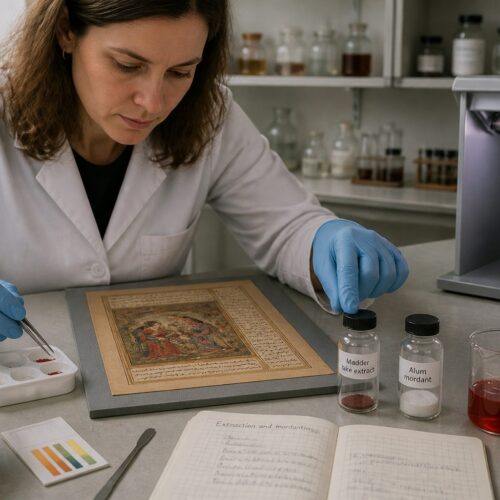

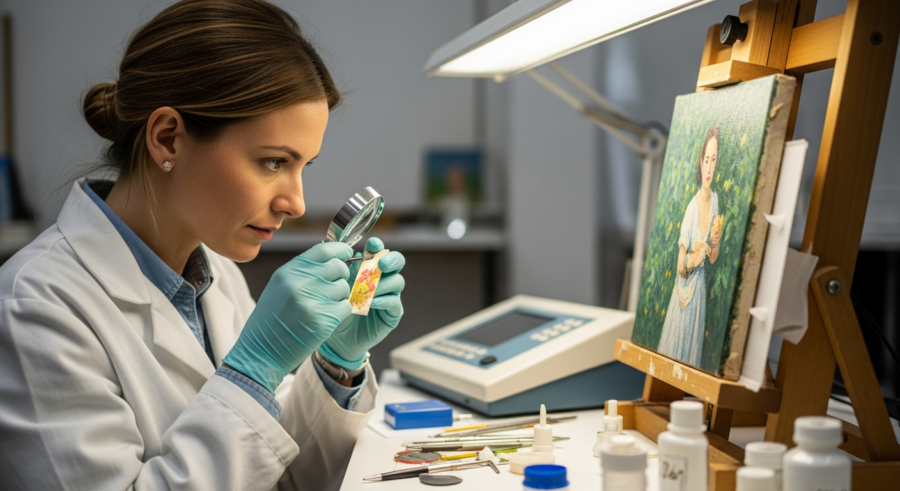
The vibrant colors of Impressionist paintings captivate viewers, but time and environmental factors can cause pigment changes in Impressionist paintings. Understanding these alterations is essential for preserving these masterpieces for future generations. This article will examine the science behind pigment degradation and the methods used to analyze and conserve these iconic works.
We will explore the unique challenges presented by the materials and techniques employed by Impressionist artists. By understanding these processes, conservators can develop effective strategies to mitigate further deterioration and maintain the integrity of these invaluable artworks.
Our goal is to give a comprehensive overview of the issues surrounding pigment changes in Impressionist paintings. We hope to provide insights into the ongoing efforts to safeguard these cultural treasures.
Impressionist Painting Techniques and Pigment Choices
Impressionist painters revolutionized art with their focus on capturing fleeting moments and the effects of light. They often worked en plein air, directly observing nature and rapidly applying paint to canvas.
This approach required a new palette of pigments that could be easily mixed and applied. Impressionist pigments often included synthetic pigments like chrome yellow, emerald green, and cobalt blue, alongside traditional earth pigments.
The loose brushwork and layering of colors created a sense of movement and atmosphere. However, these techniques also contributed to the complexity of pigment degradation processes.
The thin paint layers and varied pigment mixtures made the paintings particularly susceptible to environmental changes. These factors have complicated conservation efforts over time.
Impressionists sought to depict the transient qualities of light and atmosphere. Their techniques emphasized spontaneity and immediacy, diverging from the more meticulous methods of earlier artists.
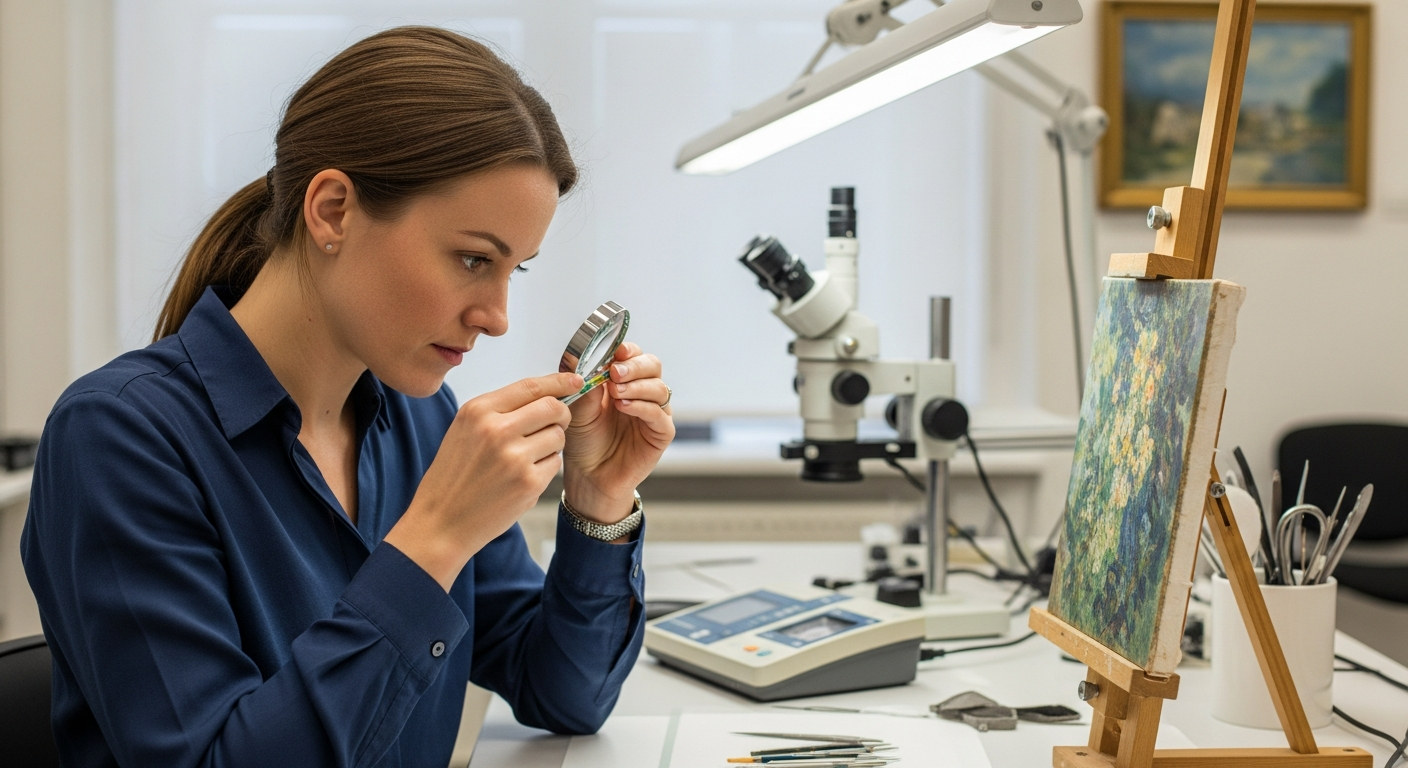
The use of complementary colors was a hallmark of Impressionist painting. Artists like Monet and Renoir juxtaposed hues to create vibrant optical effects and simulate the way light interacts with the eye.
The introduction of synthetic pigments in the 19th century expanded the color possibilities for artists. However, the long-term stability of these new pigments was not always fully understood at the time.
Many Impressionist paintings feature impasto, where paint is applied thickly to the canvas. This technique adds texture and dimension but can also create stress within the paint film, leading to cracking and other forms of degradation.
The Impressionists’ focus on capturing the fleeting moment meant they often worked quickly, sometimes using unconventional techniques. This experimental approach, while innovative, also introduced vulnerabilities to the long-term preservation of their works.
The choice of canvas and its preparation also play a role in the stability of the painting. An improperly prepared canvas can contribute to cracking and delamination of the paint layers.
Case Study: Analyzing Pigment Alterations in a Specific Impressionist Work
Let’s consider a hypothetical case study: Claude Monet’s “Impression, soleil levant” (Impression, Sunrise). This iconic painting, which gave the Impressionist movement its name, has been the subject of much scrutiny regarding its pigment composition and condition.
Analysis of “Impression, soleil levant” reveals a palette including chrome yellow, vermilion, and cobalt blue. These pigments, while visually striking, are known to undergo chemical changes over time.
| Pigment | Observed Alteration | Contributing Factors |
|---|---|---|
| Chrome Yellow | Darkening and discoloration | Exposure to light and pollutants |
| Vermilion | Blackening | Reaction with chlorine-containing compounds |
| Cobalt Blue | Loss of intensity | Interaction with acidic environments |
| Lead White | Yellowing | Formation of lead sulfates and carbonates |
Conservators have observed darkening of the chrome yellow in areas exposed to light. The vermilion, used to depict the rising sun, shows signs of blackening, likely due to reactions with chlorides.
Further investigation into “Impression, soleil levant” might reveal the presence of zinc white, another pigment commonly used by Impressionists. Zinc white can become brittle over time, leading to cracking and flaking of the paint.
The atmospheric conditions in the port of Le Havre, where the painting was created, may have contributed to the degradation of the pigments. Salt air and industrial pollutants could have accelerated the chemical reactions.
Microscopic analysis of paint samples from “Impression, soleil levant” could reveal the presence of degradation products. These products provide clues about the specific chemical reactions that have occurred over time.
Non-invasive techniques, such as multispectral imaging, can be used to map the distribution of different pigments and identify areas of alteration. This information can guide conservation treatments and help to prioritize areas of concern.
The painting’s history of exhibition and storage can also provide valuable insights into its condition. Exposure to different environmental conditions over time can have a cumulative effect on pigment stability.
Comparative analysis with other Monet paintings from the same period can help to identify common degradation patterns. This can inform conservation strategies and provide a broader understanding of the challenges facing Impressionist artworks.
Factors Contributing to Pigment Degradation in Impressionist Paintings
Several factors contribute to pigment degradation in Impressionist paintings. Light exposure, humidity, temperature fluctuations, and air pollution all play a significant role.
Light can cause photochemical reactions that alter the chemical structure of pigments. Ultraviolet (UV) radiation is particularly damaging, leading to fading, discoloration, and even structural changes in the paint film.
High humidity levels can accelerate chemical reactions and promote the growth of mold and mildew. Temperature fluctuations cause expansion and contraction of the canvas and paint layers, leading to cracking and flaking.
Air pollutants, such as sulfur dioxide and nitrogen oxides, react with pigments to form new compounds. These reactions can result in discoloration, weakening of the paint film, and the formation of surface deposits.
The specific chemical composition of each pigment determines its susceptibility to degradation. Some pigments are inherently more stable than others.
The presence of moisture can catalyze many chemical reactions, accelerating the degradation process. Even small amounts of moisture can have a significant impact over time.
The interaction between different pigments in a mixture can also influence their stability. Some pigments can accelerate the degradation of others.
The type of varnish applied to a painting can affect its vulnerability to environmental factors. Some varnishes offer protection against UV radiation and pollutants, while others can trap moisture and accelerate degradation.
Improper handling and storage can also contribute to pigment degradation. Physical damage, such as scratches and abrasions, can expose the paint layers to environmental factors.
The acidity of the canvas and the surrounding environment can also play a role in pigment degradation. Acidic conditions can accelerate the breakdown of certain pigments.
The Role of Binding Media in Pigment Stability
The binding medium, typically linseed oil, plays a critical role in pigment stability. The oil binds the pigment particles together and adheres them to the canvas.
However, linseed oil itself is susceptible to degradation. Over time, it can yellow, become brittle, and develop cracks, affecting the appearance and structural integrity of the paint layer.
The interaction between the binding medium and the pigment can also influence degradation processes. Some pigments catalyze the oxidation of linseed oil, accelerating its yellowing and embrittlement.
The choice of binding medium and its preparation can significantly impact the long-term stability of a painting. Understanding these interactions is vital for effective conservation.
Different types of linseed oil, such as cold-pressed and refined oil, have varying properties that affect their aging characteristics. The purity and quality of the oil are crucial for its long-term stability.
The addition of driers to the linseed oil can accelerate the drying process but can also affect its long-term stability. Excessive use of driers can lead to embrittlement and cracking.
The ratio of pigment to binding medium can also influence the stability of the paint film. Too little binding medium can result in a weak and powdery paint layer, while too much can lead to excessive yellowing and cracking.
The presence of other additives, such as resins and waxes, can also affect the properties of the binding medium. These additives can alter the flexibility, gloss, and drying time of the paint.
The way the binding medium is applied can also influence its stability. Thin, even layers of paint are generally more stable than thick, uneven layers.
The aging of the binding medium can also affect the refractive index of the paint film, altering the appearance of the colors. This can lead to a loss of vibrancy and contrast.
Analytical Techniques Used to Study Pigment Changes
A variety of analytical techniques are employed to study pigment changes in Impressionist paintings. Non-destructive methods, such as visual examination, photography, and X-radiography, provide initial information about the painting’s condition.
More advanced techniques, such as X-ray fluorescence (XRF), Raman spectroscopy, and Fourier-transform infrared spectroscopy (FTIR), can identify the pigments present and detect chemical changes. These methods provide detailed information about the composition and condition of the paint layers.
Gas chromatography-mass spectrometry (GC-MS) can analyze the binding medium and identify degradation products. This information helps conservators understand the aging processes affecting the paint film.
Microscopic analysis, including scanning electron microscopy (SEM), allows for detailed examination of the paint surface and cross-sections. This reveals the structure of the paint layers and the distribution of pigments.
X-radiography can reveal the underlayers of a painting and identify areas of damage or alteration. It can also provide information about the artist’s working methods.
Raman spectroscopy is a non-destructive technique that can identify pigments and other materials based on their vibrational properties. It is particularly useful for identifying organic pigments and dyes.
FTIR spectroscopy can identify the chemical bonds present in a material, providing information about its composition and degradation products. It is commonly used to analyze binding media and varnishes.
Colorimetry is used to measure the color of a painting and track changes over time. This can help to detect fading, discoloration, and other color alterations.
Hyperspectral imaging captures images of a painting at many different wavelengths of light. This information can be used to identify pigments, map their distribution, and detect areas of alteration.
These analytical techniques provide valuable information for conservators, helping them to understand the condition of a painting and develop effective conservation strategies. The data gathered contributes to the informed preservation of these artworks.
The Impact of Varnish and Cleaning Treatments
Varnish is often applied to paintings to protect the surface and enhance the colors. However, varnish itself can degrade over time, yellowing and becoming brittle.
The removal of aged varnish can be a delicate process. Improper cleaning treatments can damage the paint layer, leading to pigment loss or alteration. Some cleaning agents can react with pigments, causing discoloration or other undesirable effects.
- Careful selection of cleaning agents
- Thorough testing of cleaning methods
- Controlled application techniques
- Monitoring of pigment response
- Documentation of all treatments
Conservators must carefully consider the potential risks and benefits of varnish removal and cleaning treatments. A thorough understanding of the materials and techniques used in the painting is essential for making informed decisions.
The choice of varnish can significantly impact the long-term stability of a painting. Natural resin varnishes, such as dammar and mastic, are prone to yellowing and cracking over time.
Synthetic varnishes, such as acrylic and ketone resins, are generally more stable and resistant to yellowing. However, they may have other drawbacks, such as a tendency to become brittle or difficult to remove.
The application of varnish can also affect the appearance of a painting. Varnish can saturate the colors, increase the gloss, and create a more unified surface appearance.
Cleaning treatments can remove dirt, grime, and surface deposits from a painting. However, they can also remove varnish, glaze layers, and even pigment if not performed carefully.
The selection of cleaning agents depends on the type of varnish and the nature of the soiling. Solvents, detergents, and chelating agents are commonly used in cleaning treatments.
Mechanical cleaning methods, such as using cotton swabs and soft brushes, can also be used to remove surface deposits. These methods are less likely to damage the paint layer than chemical cleaning treatments.
Ethical Considerations in Art Conservation
Art conservation is guided by a set of ethical principles. These principles emphasize the importance of preserving the artistic and historical integrity of the artwork.
Conservation treatments should be reversible whenever possible, minimizing the risk of future damage. Interventions should be carefully considered and justified based on a thorough understanding of the artwork’s condition and the potential impact of the treatment.
Conservators must balance the desire to restore the artwork’s original appearance with the need to preserve its historical character. Decisions about treatment should be made in consultation with art historians, curators, and other experts.
Documentation of all conservation treatments is essential. This ensures that future conservators can understand the history of the artwork and make informed decisions about its care.
The principle of minimal intervention guides conservation treatments. Conservators should only undertake treatments that are necessary to stabilize the artwork and prevent further deterioration.
Respect for the artist’s intent is a fundamental ethical consideration. Conservators should strive to understand the artist’s materials, techniques, and aesthetic goals.
Transparency and communication are essential in art conservation. Conservators should communicate openly with stakeholders about the condition of the artwork and the proposed treatment plan.
Collaboration and interdisciplinary teamwork are crucial for making informed conservation decisions. Conservators often work with scientists, art historians, and curators to develop comprehensive treatment strategies.
Ongoing research and development are essential for advancing the field of art conservation. Conservators should stay informed about new materials, techniques, and ethical considerations.
The long-term preservation of cultural heritage is the ultimate goal of art conservation. Conservators play a vital role in ensuring that artworks are available for future generations to appreciate and study.
The Role of Environmental Control in Preservation
Maintaining a stable environment is crucial for preserving Impressionist paintings. Controlling temperature, humidity, light exposure, and air pollution can significantly slow down the rate of pigment degradation.
Museums and galleries use sophisticated climate control systems to maintain stable temperature and humidity levels. These systems help to minimize the expansion and contraction of the canvas and paint layers, reducing the risk of cracking and flaking.
Light exposure is carefully controlled to minimize photochemical damage. UV filters are used on windows and light fixtures to block harmful radiation.
Air filtration systems remove pollutants from the air, reducing the risk of chemical reactions with pigments. Regular monitoring of environmental conditions helps to ensure that the paintings are protected from damage.
Ideal temperature and humidity levels vary depending on the type of artwork. For most paintings, a temperature of around 68-72°F (20-22°C) and a relative humidity of 50-55% are recommended.
Fluctuations in temperature and humidity are more damaging than maintaining a slightly off-ideal level. Gradual changes are preferable to sudden shifts.
Light levels are typically measured in lux. Sensitive materials, such as watercolors and textiles, should be exposed to lower light levels than more robust materials, such as oil paintings.
UV radiation is the most damaging component of light. UV filters should block as much UV radiation as possible.
Air pollution can come from both indoor and outdoor sources. Indoor sources include cleaning products, building materials, and human activity. Outdoor sources include industrial emissions and vehicle exhaust.
Air filtration systems can remove particulate matter and gaseous pollutants from the air. Activated carbon filters are effective at removing many gaseous pollutants.
Implications for Conservation and Display Strategies
Understanding pigment changes in Impressionist paintings has significant implications for conservation and display strategies. Conservators can use this knowledge to develop targeted treatments that address specific degradation issues.
Display strategies can be adjusted to minimize light exposure and maintain stable environmental conditions. Rotating vulnerable artworks and using low-intensity lighting can help to reduce the rate of pigment degradation.
Preventive conservation measures, such as regular monitoring of environmental conditions and pest control, can help to protect the paintings from damage. Education and outreach programs can raise awareness about the importance of preserving these cultural treasures.
Collaboration between conservators, scientists, and art historians is essential for developing effective conservation strategies. By working together, these experts can ensure that Impressionist paintings are preserved for future generations.
Conservation treatments should be tailored to the specific needs of each painting. A thorough assessment of the painting’s condition is essential before undertaking any treatment.
Display cases can provide a microclimate that helps to protect paintings from environmental fluctuations. They can also reduce the risk of physical damage.
Framing can also provide protection for paintings. Acid-free mats and backboards should be used to prevent damage from acidic materials.
Regular inspections of paintings can help to identify potential problems early on. Early detection of problems can prevent more serious damage from occurring.
Emergency preparedness plans should be in place to protect paintings from damage in the event of a disaster, such as a fire or flood. These plans should include procedures for evacuating artworks and mitigating damage.
Training and education are essential for all staff who handle and care for paintings. This includes curators, registrars, and security personnel.
The Future of Pigment Research and Conservation
Research into pigment degradation is ongoing. Scientists are developing new analytical techniques and conservation treatments to better understand and mitigate pigment changes.
Advances in nanotechnology offer the potential for new conservation materials and methods. Nanoparticles can be used to consolidate weakened paint layers, remove surface deposits, and provide protective coatings.
Computer modeling and simulation can help to predict the long-term effects of environmental factors on pigment stability. This information can be used to develop more effective preservation strategies.
The use of sustainable and environmentally friendly conservation materials is becoming increasingly important. Researchers are exploring new bio-based materials and methods that minimize the environmental impact of conservation treatments.
Artificial intelligence (AI) and machine learning are being used to analyze large datasets of pigment information. This can help to identify patterns and predict degradation pathways.
New imaging techniques are being developed to visualize pigment changes at the nanoscale. This can provide a more detailed understanding of the degradation process.
Research is also being conducted on the development of new pigments that are more stable and resistant to degradation. These pigments could be used in the creation of new artworks that will last longer.
Citizen science initiatives are engaging the public in the monitoring of environmental conditions in museums and galleries. This can help to collect data on a larger scale and raise awareness about the importance of preservation.
International collaborations are essential for sharing knowledge and resources in the field of art conservation. These collaborations can help to address the challenges of preserving cultural heritage on a global scale.
The future of pigment research and conservation is bright. With continued innovation and collaboration, we can ensure that Impressionist paintings and other artworks are preserved for future generations to enjoy.
Conclusion
The study and conservation of pigment changes in Impressionist paintings is a complex and ongoing endeavor. Understanding the materials, techniques, and environmental factors that contribute to degradation is essential for preserving these masterpieces.
By employing advanced analytical techniques, ethical conservation practices, and proactive preservation strategies, we can ensure that future generations will continue to enjoy the beauty and artistry of Impressionist paintings and learn about Impressionist pigments.
The legacy of the Impressionists continues to inspire and captivate audiences worldwide. Their innovative techniques and vibrant colors have had a profound impact on the history of art.
Preserving these artworks is a responsibility that we owe to future generations. By investing in research, conservation, and education, we can ensure that the beauty and artistry of Impressionist paintings will continue to enrich our lives for many years to come.