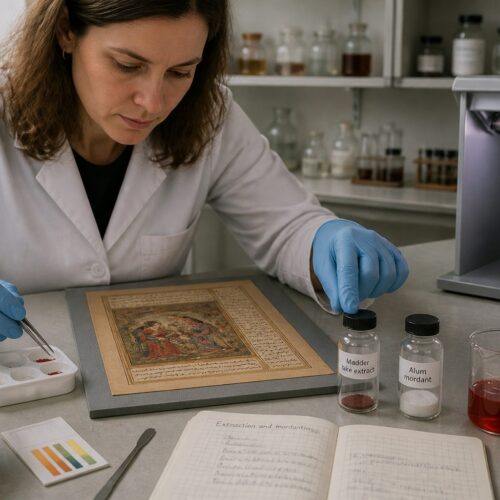

The world of watercolor painting is captivating, filled with delicate washes and luminous colors. However, the very nature of these pigments makes them susceptible to fading, a heartbreaking reality for artists and conservators alike.
Understanding the impact of light on watercolor pigments is essential for preserving these artworks for future generations. We will examine the science behind watercolor pigment fading, explore case studies, and discuss effective strategies for protecting these delicate creations.
This article will serve as a practical guide for artists, collectors, and conservators seeking to mitigate the effects of light exposure. By understanding the mechanisms of watercolor pigment fading, we can take proactive steps to ensure the longevity and beauty of these artistic treasures.
Understanding Watercolor Pigments and Their Sensitivity to Light
Watercolor paints consist of finely ground pigments suspended in a water-soluble binder, typically gum arabic. The pigments themselves are responsible for the color, while the binder holds the pigment particles together and allows them to adhere to the paper.
The sensitivity of watercolor pigments to light stems from their chemical composition and physical properties. Some pigments are inherently more stable than others, and their response to light can vary greatly.
Light, particularly ultraviolet (UV) radiation, can initiate photochemical reactions within the pigment molecules. These reactions can break down the pigment’s chemical bonds, leading to a change in color or a complete loss of color, known as watercolor pigment fading.
The intensity and duration of light exposure, as well as environmental factors like humidity and temperature, all play a role in the rate and extent of fading. Pigments that are exposed to intense sunlight for extended periods are more likely to fade than those kept in dimly lit conditions.
Pigments are sourced from various materials, including minerals, plants, and synthetic compounds. The molecular structure of each pigment dictates how it interacts with light and, consequently, its susceptibility to degradation.
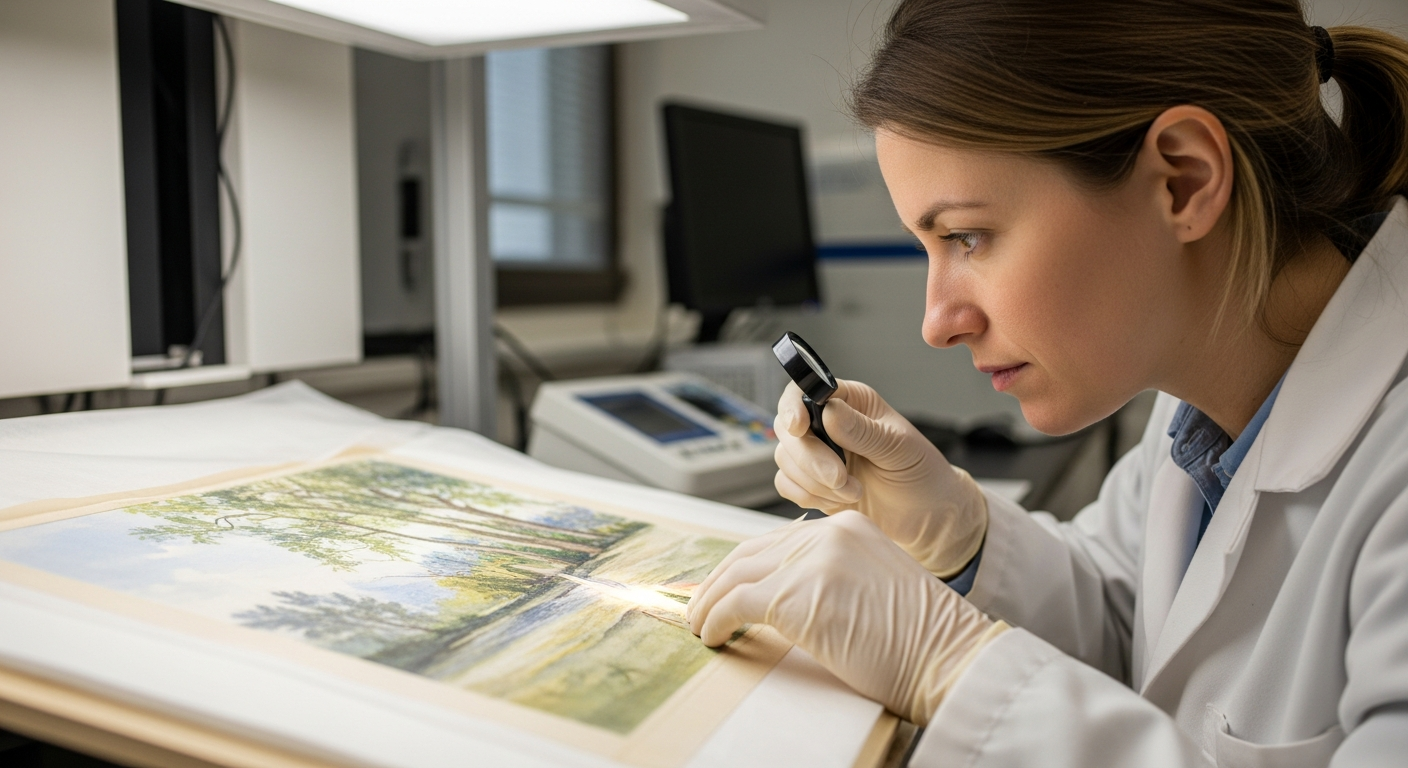
Gum arabic, the traditional binder, is a natural substance derived from acacia trees. While effective, it is also sensitive to environmental changes, potentially contributing to the overall degradation of the artwork if not properly protected.
The particle size of the pigment also affects its lightfastness; finer particles may be more vulnerable to light-induced changes. Understanding these nuances allows for better preservation strategies.
Furthermore, the pH level of the paper and the presence of any impurities can influence the stability of the pigments. Acidic paper, for instance, can accelerate the breakdown of certain pigments.
Case Study: Analyzing the Fading of Specific Watercolor Paintings
Examining real-world examples of watercolor pigment fading provides valuable insights into the practical consequences of light exposure. Consider the case of a 19th-century botanical watercolor that was displayed in direct sunlight for several years.
The vibrant greens of the leaves have faded to a dull brown, and the delicate pinks of the flowers have almost disappeared entirely. This drastic change in color dramatically alters the artwork’s aesthetic appeal and historical value.
Another example involves a collection of watercolor landscapes that were stored in a humid attic for decades. While light exposure was minimal, the high humidity accelerated the degradation of the binder, causing the pigments to become detached from the paper and resulting in a mottled, uneven appearance.
These case studies illustrate the importance of considering both light and environmental conditions when preserving watercolor paintings. Careful analysis of faded artworks can help conservators identify the specific pigments that are most vulnerable and develop targeted preservation strategies.
In a more recent case, a contemporary watercolor painting using modern synthetic pigments showed unexpected fading after only a few years of display. Investigation revealed that the artist had used a varnish that was not UV-resistant, exacerbating the effects of light exposure.
Another case involved a series of watercolor portraits where the blues faded more rapidly than other colors. This was attributed to the use of a specific cobalt blue pigment known for its moderate lightfastness, highlighting the importance of pigment selection.
Analyzing the fading patterns in these paintings often involves sophisticated techniques like microspectrophotometry to identify the specific pigments that have degraded. This helps conservators understand the causes of fading and tailor their preservation efforts.
These examples underscore the need for a comprehensive approach to watercolor preservation, considering factors ranging from pigment choice to environmental control and protective measures.
Lightfastness Testing Methods and Standards
Lightfastness is a pigment’s ability to resist fading when exposed to light, and it’s a crucial factor in determining the longevity of watercolor paintings. Standardized lightfastness testing methods have been developed to assess and classify the lightfastness of different pigments.
These tests typically involve exposing paint samples to controlled light sources for extended periods and then measuring the degree of color change. The American Society for Testing and Materials (ASTM) has established a widely used lightfastness rating system for artists’ materials.
| ASTM Rating | Lightfastness | Expected Performance |
|---|---|---|
| ASTM I | Excellent | No noticeable change after 100+ years of museum display |
| ASTM II | Very Good | Minimal change after 50-100 years of museum display |
| ASTM III | Fair | Noticeable change within 20-50 years of museum display |
| ASTM IV or lower | Poor | Significant change within 20 years of museum display |
Manufacturers often provide lightfastness ratings for their watercolor paints, allowing artists to make informed choices about the pigments they use. However, it’s important to note that these ratings are based on standardized testing conditions, and the actual performance of a pigment may vary depending on the specific environment and exposure conditions.
The ASTM lightfastness tests involve exposing paint samples to a xenon arc lamp, which simulates natural sunlight. The color change is then measured using a spectrophotometer to determine the lightfastness rating.
Another common testing method involves exposing samples to natural sunlight for extended periods, often in a south-facing window. This provides a more realistic assessment of lightfastness under real-world conditions.
It’s important to remember that lightfastness ratings are just one factor to consider when selecting watercolor paints. Other factors, such as color intensity, transparency, and handling properties, may also be important to artists.
Artists should also be aware that the lightfastness of a pigment can be affected by factors such as the binder used, the concentration of the pigment, and the presence of other pigments in a mixture. Therefore, it’s always a good idea to test the lightfastness of your own paint mixtures before using them in a finished artwork.
Identifying Pigments Prone to Light-Induced Degradation
Certain watercolor pigments are known to be more susceptible to light-induced degradation than others. An understanding of these vulnerable pigments is crucial for both artists and conservators.
Many fugitive pigments are derived from organic sources, such as dyes extracted from plants or insects. These pigments often exhibit vibrant colors, but they tend to fade quickly when exposed to light.
Examples of fugitive pigments include some alizarin crimsons, rose madders, and certain synthetic organic pigments like some purples and bright greens. These pigments should be used with caution, especially in artworks intended for long-term display.
In contrast, many inorganic pigments, such as iron oxides and earth pigments, are known for their excellent lightfastness. These pigments have been used for centuries and have proven to be remarkably stable over time.
Specific examples of lightfast pigments include ochre, sienna, umber, and most cadmium pigments. These are reliable choices for artists seeking permanence in their work.
However, even within a pigment family, there can be variations in lightfastness depending on the specific formulation and manufacturing process. Always check the manufacturer’s lightfastness rating before using a pigment.
Modern synthetic organic pigments have expanded the color palette available to artists, but many of these pigments have not been thoroughly tested for long-term lightfastness. Exercise caution when using these newer pigments.
Resources like pigment databases and conservation science publications can provide valuable information on the lightfastness of specific pigments. Consulting these resources can help artists make informed decisions about their materials.
Strategies for Protecting Watercolors from Light Damage
Protecting watercolor paintings from light damage requires a multi-faceted approach that addresses both the intensity and duration of light exposure. Implementing effective strategies can significantly extend the lifespan of these delicate artworks.
One of the most effective ways to reduce light exposure is to limit the amount of direct sunlight that reaches the artwork. Avoid displaying watercolors in areas where they will be exposed to direct sunlight, such as near windows or under skylights.
- Use UV-filtering glazing
- Rotate artworks on display
- Store watercolors in dark, cool places
- Use low-intensity lighting
- Consider digital reproductions
Another important strategy is to control the intensity of artificial lighting. Use low-intensity LED lights instead of halogen or incandescent bulbs, which emit more UV radiation and heat.
Consider using timers or light sensors to automatically dim or turn off lights when they are not needed. This can further reduce light exposure and save energy.
When storing watercolor paintings, wrap them in acid-free tissue paper and place them in a dark, cool, and dry environment. Avoid storing them in attics, basements, or other areas with extreme temperature or humidity fluctuations.
For artworks that are frequently displayed, consider creating high-quality digital reproductions that can be displayed instead of the original. This allows you to enjoy the artwork without exposing it to harmful light.
Regularly inspect your watercolor paintings for signs of fading or damage. Early detection can allow you to take corrective action before the damage becomes irreversible.
The Role of UV Filters and Protective Glazing
UV filters and protective glazing play a crucial role in safeguarding watercolor paintings from the harmful effects of ultraviolet radiation. UV radiation is a major contributor to pigment fading, and these materials can effectively block or reduce its transmission.
UV-filtering glazing, typically made of acrylic or glass, is designed to absorb or reflect UV radiation before it reaches the artwork. This type of glazing can significantly reduce the rate of pigment fading and protect the watercolor from long-term damage.
When selecting UV-filtering glazing, it’s important to choose a product that blocks a high percentage of UV radiation, ideally 98% or more. Look for glazing that is specifically labeled as UV-filtering or UV-resistant.
In addition to UV-filtering glazing, UV filters can also be applied directly to the surface of the artwork. These filters are typically available as sprays or coatings and can provide an extra layer of protection against UV radiation.
Acrylic glazing is lighter and less prone to shattering than glass, making it a safer option for large or valuable artworks. However, acrylic can scratch more easily than glass, so it’s important to handle it with care.
UV-filtering films can also be applied to windows to reduce the amount of UV radiation entering a room. This can help to protect all of the artworks and furnishings in the room from fading.
It’s important to note that UV filters and protective glazing will not completely eliminate the risk of pigment fading. They will, however, significantly reduce the rate of fading and extend the lifespan of the artwork.
Regularly clean UV-filtering glazing to remove dust and dirt, which can reduce its effectiveness. Use a soft cloth and a mild, non-abrasive cleaner.
Additional Conservation Considerations for Watercolor Paintings
Beyond light exposure, other environmental factors can impact the condition and longevity of watercolor paintings. Humidity, temperature, and air pollution can all contribute to the degradation of the paper, binder, and pigments.
Maintaining a stable and moderate humidity level is essential for preventing the growth of mold and mildew, which can stain and weaken the paper. Ideally, humidity should be kept between 40% and 60%.
High temperatures can accelerate the rate of chemical reactions, including pigment fading. Store and display watercolors in a cool environment, ideally below 75°F (24°C).
Air pollution, including dust, dirt, and gaseous pollutants, can also damage watercolor paintings. Frame watercolors with acid-free matting and backing boards to protect them from airborne contaminants.
Avoid displaying watercolors in areas with high levels of air pollution, such as near factories or busy roads. Consider using air purifiers to remove pollutants from the air.
Handle watercolor paintings with clean, dry hands to avoid transferring oils or dirt to the surface. Wear gloves when handling valuable or fragile artworks.
Avoid storing or displaying watercolors near sources of heat or moisture, such as radiators, fireplaces, or bathrooms. These conditions can accelerate the degradation of the artwork.
Regularly inspect the back of the frame for signs of pests or mold. These can damage the artwork and should be addressed immediately.
The Importance of Archival Quality Materials
The choice of materials plays a significant role in the long-term preservation of watercolor paintings. Using archival quality materials can help to minimize the risk of degradation and ensure that the artwork remains in good condition for generations to come.
Archival quality papers are made from 100% cotton or linen fibers and are acid-free and lignin-free. These papers are less likely to yellow or become brittle over time compared to papers made from wood pulp.
Likewise, using high-quality, lightfast watercolor paints is essential for preventing pigment fading. Choose paints that are labeled as ASTM I or ASTM II for excellent or very good lightfastness.
When framing watercolor paintings, use acid-free matting and backing boards to protect the artwork from acid migration and environmental pollutants. Avoid using masking tape or other adhesives that can stain or damage the paper.
Look for papers that are buffered with calcium carbonate to neutralize any acids that may develop over time. This will help to prolong the lifespan of the paper.
Use pH-neutral adhesives and tapes for mounting and framing watercolor paintings. Avoid using rubber cement or other adhesives that can yellow or become brittle over time.
When selecting framing materials, choose those that are chemically stable and will not release harmful gases or pollutants. Avoid using wood products that are treated with formaldehyde.
Consider using linen tape to hinge the watercolor painting to the mat board. Linen tape is strong, flexible, and acid-free, making it a good choice for this purpose.
Working with a Professional Art Conservator
For valuable or historically significant watercolor paintings, consulting with a professional art conservator is highly recommended. Art conservators have the expertise and training to assess the condition of an artwork, identify potential problems, and develop appropriate treatment plans.
A conservator can perform a variety of treatments to stabilize and preserve watercolor paintings, including cleaning, repairing tears or losses, and consolidating flaking pigments. They can also provide advice on proper storage, display, and handling techniques.
When selecting a conservator, look for someone who specializes in works on paper and has experience with watercolor paintings. Ask for references and review their past work to ensure they have the necessary skills and expertise.
Investing in professional conservation services can be a worthwhile investment for preserving the value and beauty of your watercolor paintings. A skilled conservator can help to extend the lifespan of these delicate artworks and ensure that they can be enjoyed for many years to come.
A conservator can also perform a condition assessment to identify any existing problems, such as fading, staining, or tears. This assessment will help to determine the best course of treatment.
Conservators use specialized techniques and materials to clean watercolor paintings without damaging the delicate pigments or paper. They can also repair tears, losses, and other damage using archival quality materials.
In some cases, conservators may recommend rehousing the artwork in a new frame or mat to provide better protection. They can also advise on proper storage and display techniques to prevent future damage.
The American Institute for Conservation (AIC) is a professional organization for art conservators. You can find a qualified conservator in your area by searching the AIC’s online directory.
Conclusion
The impact of light on watercolor pigments is a complex issue that requires careful consideration and proactive measures. By understanding the science behind watercolor pigment fading, implementing effective protection strategies, and utilizing archival quality materials, we can significantly extend the lifespan of these delicate artworks.
Whether you are an artist, collector, or conservator, taking steps to minimize light exposure and control environmental conditions is essential for preserving the beauty and historical value of watercolor paintings. Let’s champion the art conservation science to preserve these delicate works.
By embracing these practices, we ensure that future generations can appreciate the artistry and beauty of watercolor paintings. The legacy of these artworks depends on our dedication to their preservation.
Remember, proactive conservation is always more effective and less costly than reactive restoration. Invest in the long-term care of your watercolor paintings to protect their value and beauty.
Let us continue to learn and adapt our preservation techniques as new research and technologies emerge. The world of art conservation is constantly evolving, and staying informed is key to protecting our artistic heritage.