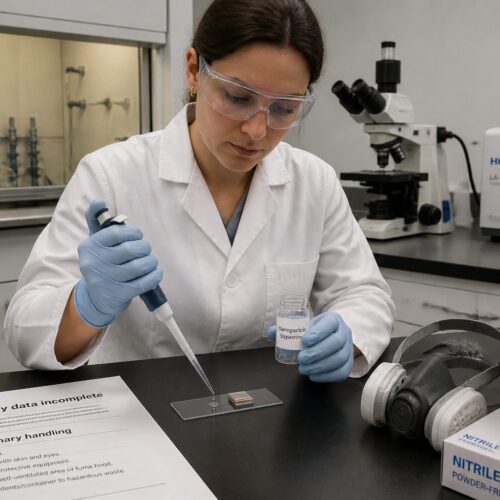


Common decontamination methods include wet wiping, vacuuming, and using specialized cleaning agents designed to effectively capture lead particles. Implementing these methods can significantly reduce lead levels in the laboratory environment and create a safer space for conservation work to be conducted.
- Use of HEPA filters in vacuums to capture tiny lead particles
- Regular wipe-down schedules to maintain clean surfaces
- Designated cleaning tools to prevent cross-contamination
- Proper disposal of contaminated materials to avoid further exposure
- Training staff on decontamination practices to ensure compliance
In addition to routine cleaning, immediate decontamination should occur after any incident involving lead exposure, no matter how minor it may seem. This ensures that potential contamination is addressed promptly, safeguarding both staff health and the integrity of the artifacts being conserved.
Ultimately, a robust decontamination strategy is essential for maintaining a safe conservation laboratory environment. This not only protects staff health by minimizing the risks of lead exposure but also preserves the integrity of the artifacts being conserved, ensuring that they remain in optimal condition for future generations.
Personal Hygiene Practices That Significantly Reduce Lead Ingestion Risk
Implementing personal hygiene practices is crucial for minimizing lead ingestion risks in conservation laboratories where lead exposure may be a concern. Simple actions undertaken by staff can significantly reduce the likelihood of lead exposure during daily activities and promote a safer working environment.
Conservation staff should be encouraged to wash their hands frequently, especially before eating or drinking, as this simple practice serves as a frontline defense against lead ingestion. By fostering a culture of hygiene awareness, laboratories can instill the importance of these practices in their daily routines.
Additionally, staff should avoid eating or drinking in work areas where lead contamination may be present, as this can drastically increase the risk of lead exposure. Creating designated eating areas can help separate exposure risks from meal times and reinforce the importance of hygiene.
Regularly changing clothes worn in the lab before heading home can also prevent lead particles from being transferred outside the laboratory environment. This practice is particularly important for staff who work with lead-containing materials and can help minimize overall exposure to family members and the community.
By fostering a culture of hygiene awareness and compliance with established protocols, conservation labs can significantly reduce the risks associated with lead exposure. Staff education and adherence to hygiene practices are key components of a successful safety program aimed at protecting both personnel and the valuable artifacts they conserve.
HEPA Vacuum Systems vs. Standard Vacuuming: Why It Matters for Lead
The choice between HEPA vacuum systems and standard vacuuming is critical in managing lead contamination in conservation laboratories. HEPA filters are specifically designed to capture small particles, including lead dust, which standard vacuums may not effectively remove, thus making them a superior choice for ensuring a clean working environment.
Utilizing HEPA vacuum systems can significantly reduce airborne lead levels, as well as surface dust accumulation, which is essential for maintaining a clean and safe working environment for conservation staff. The effectiveness of these systems contributes to minimizing the overall risk of lead exposure and enhances the safety of the laboratory.
Regular maintenance of HEPA vacuum systems is necessary to ensure their efficacy in capturing lead dust and preventing its spread throughout the laboratory. This includes replacing filters according to manufacturer guidelines and conducting routine checks for any operational issues to maintain optimal performance.
In contrast, standard vacuuming may inadvertently spread lead dust around the laboratory, increasing exposure risks for staff, which is a significant concern in environments where contamination may already be present. Therefore, conservation laboratories should prioritize the use of HEPA vacuum systems as a best practice for effective lead contamination control.
Ultimately, the choice of vacuum system has a direct impact on the safety and health of laboratory staff, as well as the preservation of artifacts. Investing in quality HEPA vacuum systems is a crucial step toward ensuring a lead-safe conservation environment that prioritizes the health of both personnel and the items they work diligently to protect.
Institutional Response When Monitoring Reveals Elevated Lead Levels
When monitoring reveals elevated lead levels in conservation laboratories, an immediate institutional response is essential for addressing potential health risks. Prompt action can mitigate health risks to staff and protect the integrity of the artifacts being conserved, making it imperative for institutions to act swiftly and decisively.
Institutions should have established protocols for responding to elevated lead levels, including conducting thorough investigations and implementing corrective measures that address the root cause of the contamination. This may involve enhancing cleaning protocols, increasing monitoring frequency, or temporarily halting certain activities until contamination is under control.
Communication with staff is vital during this process to ensure that everyone is aware of the situation and understands the steps being taken to mitigate risks. Transparency fosters trust and cooperation among team members, which is crucial for maintaining morale and ensuring compliance with safety measures.
Additionally, institutions should consider revising their lead exposure assessment and monitoring strategies based on the findings from contamination investigations. This may involve increasing the frequency of lead testing, enhancing training programs for staff, and refining decontamination protocols to reduce future risks.
Ultimately, a proactive and comprehensive institutional response is crucial for safeguarding staff health and preserving cultural heritage in conservation laboratories. This commitment to safety should be a priority for all conservation organizations, demonstrating a dedication to the well-being of staff and the artifacts they work tirelessly to protect.
Designing New Conservation Lab Spaces With Lead Contamination Control in Mind
Designing new conservation lab spaces with lead contamination control in mind is fundamental for ensuring staff safety and preserving artifacts effectively. Incorporating best practices during the design phase can significantly reduce lead exposure risks from the outset, enabling a safer and more efficient work environment for all personnel involved.
Key design features that should be considered include adequate ventilation systems to minimize airborne lead levels and dedicated cleaning stations for effective decontamination. These essential elements contribute to a safer working environment and promote best practices in lead contamination management throughout the laboratory.
Additionally, selecting materials for lab surfaces that are easy to clean and resistant to lead dust accumulation is crucial for maintaining a healthy laboratory environment. This includes using non-porous materials that can withstand frequent cleaning without degrading, thereby ensuring longevity and safety.
Integrating designated storage areas for lead-containing materials can help minimize contamination risks and streamline workflow within the laboratory. This organization not only promotes safety but also enhances operational efficiency, making it easier for staff to access necessary materials without compromising safety.
Ultimately, thoughtful design considerations are essential for creating a lead-safe conservation laboratory that prioritizes both staff health and the integrity of invaluable artifacts. By prioritizing lead contamination control, institutions can protect their staff and the cultural heritage items they work diligently to preserve for future generations.
Lead contamination in conservation laboratories is a significant concern for the health of staff and the integrity of artifacts that are preserved within these specialized environments. Understanding the various sources and implications of lead exposure is crucial for creating a safe working environment that not only safeguards the well-being of personnel but also ensures the preservation of valuable cultural heritage items.
With the rise of environmental lead monitoring conservation practices, it has become increasingly important for laboratories to implement effective strategies for assessing and managing lead contamination. This article explores various aspects of lead contamination, with a particular focus on laboratory environments dedicated to the preservation of historical pigments and materials that may pose risks to both staff and artifacts.
By examining lead sources, measurement approaches, and decontamination methods, we aim to provide a comprehensive guide for conservation professionals to navigate these challenges. This is essential not only for the safety of the staff but also for the long-term preservation of invaluable cultural heritage that is often at risk due to lead exposure.
Sources of Lead Contamination in Conservation Laboratory Environments
Lead contamination in conservation labs can arise from a variety of sources, including historical artifacts, pigments, and tools utilized in the restoration processes. Many of the materials and substances used in these processes may contain lead, leading to potential exposure during the handling, examination, and treatment of artifacts.
In addition to direct contact with contaminated materials, lead dust can accumulate in the lab environment, exacerbating the risk of exposure for laboratory staff. Understanding these sources is vital for implementing effective monitoring and decontamination strategies to ensure that all personnel are protected from the hazards associated with lead contamination.
Regular assessment of lead sources is instrumental in identifying high-risk areas in the laboratory where contamination may be more prevalent. By recognizing the pathways of lead exposure, conservationists can take proactive steps to mitigate contamination risks and enhance the overall safety of the working environment.
Another significant source of lead contamination includes the use of lead-based paints and coatings found in historical artifacts that are often the focus of conservation efforts. These materials may release lead particles into the air or onto surfaces during restoration work, further complicating the preservation process and increasing health risks for staff members involved.
Thus, awareness of these sources is crucial for ensuring the safety and health of conservation staff, as well as for maintaining the integrity of the artifacts being preserved. Proper training on the handling and disposal of lead-containing materials is essential to minimize exposure risks and to foster a culture of safety within the laboratory setting.
Surface Dust vs. Airborne Lead: Different Measurement Approaches
Measuring lead contamination in conservation laboratories involves assessing both surface dust and airborne lead concentrations to fully understand the scope of potential exposure. Each measurement approach serves a distinct purpose, providing valuable data that helps in understanding lead exposure levels and informing necessary safety measures.
Surface dust assessments focus on lead particles that settle on various surfaces within the laboratory, while airborne measurements gauge lead levels present in the atmosphere, contributing to a comprehensive view of potential lead exposure risks. Utilizing both methods provides a more complete understanding of the contamination levels and aids in determining the necessary interventions needed to protect staff health.
Surface dust testing typically involves wiping surfaces with specially designed wipes that are then analyzed for lead content using advanced laboratory techniques. In contrast, airborne lead measurement often employs sampling pumps and filters to capture lead particles suspended in the air, allowing for a detailed analysis of atmospheric lead concentrations.
Choosing the appropriate measurement approach depends on the specific context of the laboratory and the activities being performed, ensuring that the selected method aligns with the particular risks present. Regular monitoring of both surface and airborne lead is crucial for maintaining a safe working environment and for determining the effectiveness of implemented safety measures.
By employing a combination of testing methods, conservation laboratories can effectively gauge lead contamination levels and identify areas that require immediate attention or remediation. This multifaceted approach aids in establishing appropriate safety protocols and response measures tailored to the unique needs of the laboratory.
Wipe Sampling Protocols for Assessing Surface Lead Contamination
Wipe sampling is a key method for assessing surface lead contamination in conservation laboratories, providing a practical way to monitor lead levels on surfaces frequently touched or used. This technique involves using moistened wipes to collect dust samples from various surfaces throughout the lab, ensuring a thorough evaluation of potential contamination.
To ensure reliable results, it is essential to follow standardized protocols for wipe sampling that account for various factors affecting the accuracy of the results. This includes selecting appropriate surfaces for testing, using consistent wiping techniques, and ensuring proper laboratory conditions to minimize external influences on the collected samples.
| Surface Type | Wipe Method | Sample Analysis |
|---|---|---|
| Benchtops | Horizontal Wipe | Lab Analysis |
| Tools | Swab Technique | Lab Analysis |
| Floor Surfaces | Diagonal Wipe | Lab Analysis |
| Archive Boxes | Vertical Wipe | Lab Analysis |
After collecting samples, the wipes are analyzed for lead content using sensitive laboratory techniques designed to detect even low levels of contamination. This analysis provides valuable data that can be used to assess the effectiveness of decontamination efforts and monitor ongoing lead contamination within the laboratory environment.
Regular wipe sampling should be integrated into the laboratory’s lead contamination monitoring program to ensure continuous assessment of lead exposure risks for conservation staff. This ongoing evaluation helps identify emerging contamination issues and allows for prompt corrective action when necessary.
Interpreting Surface Lead Loading Against Published Guidance Values
Interpreting surface lead loading data is critical for understanding contamination levels and ensuring the safety of conservation staff. By comparing results against published guidance values, laboratories can determine if lead levels exceed established safe thresholds, which is essential for maintaining a safe working environment.
Published guidance values provide benchmarks for acceptable lead contamination levels in various settings, serving as a reference for conservation professionals. Understanding these values helps inform decisions regarding necessary decontamination efforts and the implementation of safety measures to protect staff and artifacts alike.
When interpreting results, it is crucial to consider the specific context and activities occurring in the laboratory, as different types of conservation work may warrant varying thresholds for lead exposure. This contextual understanding allows professionals to tailor their responses to the unique risks presented by their specific conservation practices.
In cases where lead levels exceed guidance values, immediate action must be taken to mitigate risks and protect staff health. This may include enhanced cleaning protocols, additional training for staff, or even temporary cessation of certain activities until contamination is under control.
By regularly assessing and interpreting surface lead loading data, conservation laboratories can effectively manage exposure risks and enhance the safety of their work environments. This proactive approach is essential for safeguarding the health of staff and ensuring the preservation of the artifacts that hold significant cultural value.
Biological Monitoring: Blood Lead Testing Programs for Conservation Staff
Biological monitoring through blood lead testing is an essential component of lead exposure assessment in conservation laboratories. This program helps identify any lead absorption in conservation staff and assess the effectiveness of existing safety measures to protect their health.
Regular blood lead testing can provide early detection of elevated lead levels in individuals, allowing for timely intervention when necessary. Such programs are vital for maintaining workforce health and ensuring compliance with occupational safety regulations designed to protect employees from hazardous exposures.
Conservation organizations should establish blood lead testing schedules based on exposure risks and specific laboratory activities being conducted. This proactive monitoring approach can significantly reduce health risks associated with lead exposure and ensure that staff remain within safe limits.
Additionally, staff education on the importance of blood lead testing fosters a culture of safety and awareness within the laboratory environment. An informed workforce is better equipped to implement protective measures and follow established safety protocols, ultimately contributing to a safer workplace.
Overall, biological monitoring plays a crucial role in the broader context of lead contamination assessment in conservation laboratories. It reinforces the commitment to staff safety and artifact preservation, ensuring that both personnel and cultural heritage are protected from the dangers of lead exposure.
Decontamination of Benchtops, Tools, and Floor Surfaces
Effective decontamination of benchtops, tools, and floor surfaces is paramount in managing lead contamination in conservation labs. Regular cleaning protocols should be established and followed to minimize lead dust accumulation and exposure risks for all staff members working in the laboratory environment.
Common decontamination methods include wet wiping, vacuuming, and using specialized cleaning agents designed to effectively capture lead particles. Implementing these methods can significantly reduce lead levels in the laboratory environment and create a safer space for conservation work to be conducted.
- Use of HEPA filters in vacuums to capture tiny lead particles
- Regular wipe-down schedules to maintain clean surfaces
- Designated cleaning tools to prevent cross-contamination
- Proper disposal of contaminated materials to avoid further exposure
- Training staff on decontamination practices to ensure compliance
In addition to routine cleaning, immediate decontamination should occur after any incident involving lead exposure, no matter how minor it may seem. This ensures that potential contamination is addressed promptly, safeguarding both staff health and the integrity of the artifacts being conserved.
Ultimately, a robust decontamination strategy is essential for maintaining a safe conservation laboratory environment. This not only protects staff health by minimizing the risks of lead exposure but also preserves the integrity of the artifacts being conserved, ensuring that they remain in optimal condition for future generations.
Personal Hygiene Practices That Significantly Reduce Lead Ingestion Risk
Implementing personal hygiene practices is crucial for minimizing lead ingestion risks in conservation laboratories where lead exposure may be a concern. Simple actions undertaken by staff can significantly reduce the likelihood of lead exposure during daily activities and promote a safer working environment.
Conservation staff should be encouraged to wash their hands frequently, especially before eating or drinking, as this simple practice serves as a frontline defense against lead ingestion. By fostering a culture of hygiene awareness, laboratories can instill the importance of these practices in their daily routines.
Additionally, staff should avoid eating or drinking in work areas where lead contamination may be present, as this can drastically increase the risk of lead exposure. Creating designated eating areas can help separate exposure risks from meal times and reinforce the importance of hygiene.
Regularly changing clothes worn in the lab before heading home can also prevent lead particles from being transferred outside the laboratory environment. This practice is particularly important for staff who work with lead-containing materials and can help minimize overall exposure to family members and the community.
By fostering a culture of hygiene awareness and compliance with established protocols, conservation labs can significantly reduce the risks associated with lead exposure. Staff education and adherence to hygiene practices are key components of a successful safety program aimed at protecting both personnel and the valuable artifacts they conserve.
HEPA Vacuum Systems vs. Standard Vacuuming: Why It Matters for Lead
The choice between HEPA vacuum systems and standard vacuuming is critical in managing lead contamination in conservation laboratories. HEPA filters are specifically designed to capture small particles, including lead dust, which standard vacuums may not effectively remove, thus making them a superior choice for ensuring a clean working environment.
Utilizing HEPA vacuum systems can significantly reduce airborne lead levels, as well as surface dust accumulation, which is essential for maintaining a clean and safe working environment for conservation staff. The effectiveness of these systems contributes to minimizing the overall risk of lead exposure and enhances the safety of the laboratory.
Regular maintenance of HEPA vacuum systems is necessary to ensure their efficacy in capturing lead dust and preventing its spread throughout the laboratory. This includes replacing filters according to manufacturer guidelines and conducting routine checks for any operational issues to maintain optimal performance.
In contrast, standard vacuuming may inadvertently spread lead dust around the laboratory, increasing exposure risks for staff, which is a significant concern in environments where contamination may already be present. Therefore, conservation laboratories should prioritize the use of HEPA vacuum systems as a best practice for effective lead contamination control.
Ultimately, the choice of vacuum system has a direct impact on the safety and health of laboratory staff, as well as the preservation of artifacts. Investing in quality HEPA vacuum systems is a crucial step toward ensuring a lead-safe conservation environment that prioritizes the health of both personnel and the items they work diligently to protect.
Institutional Response When Monitoring Reveals Elevated Lead Levels
When monitoring reveals elevated lead levels in conservation laboratories, an immediate institutional response is essential for addressing potential health risks. Prompt action can mitigate health risks to staff and protect the integrity of the artifacts being conserved, making it imperative for institutions to act swiftly and decisively.
Institutions should have established protocols for responding to elevated lead levels, including conducting thorough investigations and implementing corrective measures that address the root cause of the contamination. This may involve enhancing cleaning protocols, increasing monitoring frequency, or temporarily halting certain activities until contamination is under control.
Communication with staff is vital during this process to ensure that everyone is aware of the situation and understands the steps being taken to mitigate risks. Transparency fosters trust and cooperation among team members, which is crucial for maintaining morale and ensuring compliance with safety measures.
Additionally, institutions should consider revising their lead exposure assessment and monitoring strategies based on the findings from contamination investigations. This may involve increasing the frequency of lead testing, enhancing training programs for staff, and refining decontamination protocols to reduce future risks.
Ultimately, a proactive and comprehensive institutional response is crucial for safeguarding staff health and preserving cultural heritage in conservation laboratories. This commitment to safety should be a priority for all conservation organizations, demonstrating a dedication to the well-being of staff and the artifacts they work tirelessly to protect.
Designing New Conservation Lab Spaces With Lead Contamination Control in Mind
Designing new conservation lab spaces with lead contamination control in mind is fundamental for ensuring staff safety and preserving artifacts effectively. Incorporating best practices during the design phase can significantly reduce lead exposure risks from the outset, enabling a safer and more efficient work environment for all personnel involved.
Key design features that should be considered include adequate ventilation systems to minimize airborne lead levels and dedicated cleaning stations for effective decontamination. These essential elements contribute to a safer working environment and promote best practices in lead contamination management throughout the laboratory.
Additionally, selecting materials for lab surfaces that are easy to clean and resistant to lead dust accumulation is crucial for maintaining a healthy laboratory environment. This includes using non-porous materials that can withstand frequent cleaning without degrading, thereby ensuring longevity and safety.
Integrating designated storage areas for lead-containing materials can help minimize contamination risks and streamline workflow within the laboratory. This organization not only promotes safety but also enhances operational efficiency, making it easier for staff to access necessary materials without compromising safety.
Ultimately, thoughtful design considerations are essential for creating a lead-safe conservation laboratory that prioritizes both staff health and the integrity of invaluable artifacts. By prioritizing lead contamination control, institutions can protect their staff and the cultural heritage items they work diligently to preserve for future generations.