
These analyses not only informed conservation strategies but also contributed to the historical understanding of the artwork. By utilizing portable laser induced breakdown spectroscopy, the team was able to make prompt decisions based on accurate data.
Another example involved the analysis of frescoes in a palace, where handheld LIBS identified significant pigment variations across different rooms. This information was crucial for planning targeted conservation efforts tailored to each specific area.
Ultimately, these case studies highlight the valuable role of LIBS in heritage pigment analysis. The ability to conduct on-site analyses significantly enhances the conservation process, ensuring that historical artworks are preserved for future generations.
Current Instrument Options and Their Performance for Conservation Use
Several current handheld LIBS instruments are available on the market, each with unique features tailored for conservation use. These devices typically vary in terms of detection limits, portability, and user interface, catering to different conservation needs.
Leading brands offer models that emphasize ease of use and rapid data acquisition, essential for field applications. Evaluating instrument performance is crucial for selecting the best option based on specific conservation requirements.
Some models are designed to handle a wider range of elements, while others may focus on specific pigments. This versatility allows conservators to choose instruments that align with their particular analysis goals.
Furthermore, ongoing advancements in LIBS technology continue to enhance the capabilities of these instruments. As the field of conservation evolves, staying informed about the latest developments ensures that practitioners can utilize the most effective tools available.
In conclusion, the current options for handheld LIBS instruments provide conservationists with valuable tools for heritage pigment analysis. By carefully selecting the right device, conservators can enhance their effectiveness in preserving cultural heritage.
Typically, LIBS ablation can remove material in the range of a few micrometers per shot, depending on the energy of the laser and the type of pigment. This small ablation depth is ideal for pigment analysis while minimizing damage to the surface.
Conservators must consider the cumulative effects of multiple shots when planning an analysis. Understanding the amount of material removed per shot helps in making informed decisions regarding the number of analyses performed.
Regular assessments of the surface can help monitor any changes resulting from the LIBS analysis. This ongoing evaluation is essential for preserving the integrity of the artwork throughout the conservation process.
By carefully evaluating the ablation and potential surface damage, conservators can optimize their use of handheld LIBS in heritage pigment analysis. This balance between analysis and preservation is vital for maintaining the historical significance of the artwork.
Complementary Methods to Use Alongside LIBS for Full Characterization
While handheld LIBS is a powerful tool for pigment analysis, it is often beneficial to employ complementary methods for full characterization. Techniques such as X-ray fluorescence (XRF) and scanning electron microscopy (SEM) can provide additional insights into the materials.
Combining these methods allows for a more comprehensive understanding of the artwork’s composition. For example, XRF can help identify heavier elements that may not be as easily detected by LIBS.
Additionally, SEM can provide detailed images of the pigment particles, revealing their morphology and size. This information can aid in understanding the application techniques used by historical artisans.
By integrating these complementary techniques, conservators can build a more complete picture of the materials used in artworks. This holistic approach supports better conservation strategies and enhances the preservation of cultural heritage.
Case Studies: LIBS Surveys of Decorated Heritage Interiors
Several case studies have demonstrated the effectiveness of handheld LIBS in surveying decorated heritage interiors. In a notable project, conservators successfully analyzed wall paintings in a historic church, revealing the presence of various pigments previously undocumented.
These analyses not only informed conservation strategies but also contributed to the historical understanding of the artwork. By utilizing portable laser induced breakdown spectroscopy, the team was able to make prompt decisions based on accurate data.
Another example involved the analysis of frescoes in a palace, where handheld LIBS identified significant pigment variations across different rooms. This information was crucial for planning targeted conservation efforts tailored to each specific area.
Ultimately, these case studies highlight the valuable role of LIBS in heritage pigment analysis. The ability to conduct on-site analyses significantly enhances the conservation process, ensuring that historical artworks are preserved for future generations.
Current Instrument Options and Their Performance for Conservation Use
Several current handheld LIBS instruments are available on the market, each with unique features tailored for conservation use. These devices typically vary in terms of detection limits, portability, and user interface, catering to different conservation needs.
Leading brands offer models that emphasize ease of use and rapid data acquisition, essential for field applications. Evaluating instrument performance is crucial for selecting the best option based on specific conservation requirements.
Some models are designed to handle a wider range of elements, while others may focus on specific pigments. This versatility allows conservators to choose instruments that align with their particular analysis goals.
Furthermore, ongoing advancements in LIBS technology continue to enhance the capabilities of these instruments. As the field of conservation evolves, staying informed about the latest developments ensures that practitioners can utilize the most effective tools available.
In conclusion, the current options for handheld LIBS instruments provide conservationists with valuable tools for heritage pigment analysis. By carefully selecting the right device, conservators can enhance their effectiveness in preserving cultural heritage.
Lead White typically has a simpler elemental profile, while Lead-Tin Yellow has additional components such as tin. By analyzing the spectral lines obtained from LIBS, conservators can identify these subtle differences and make accurate determinations.
- Lead White: PbCO3
- Lead-Tin Yellow: Pb2SnO4
- Elemental ratios
- Spectral line analysis
- Application context
This level of detail is essential for understanding the materials used in historical artworks, as it influences conservation strategies. Accurate identification of these pigments contributes to the preservation of the artwork’s integrity and historical significance.
Surface Damage Assessment: How Much Material Is Ablated Per Shot
Assessing surface damage caused by handheld LIBS is crucial for understanding the impact of this technique on historical artifacts. Each laser shot ablates a small amount of material, which can accumulate and potentially affect the artwork over time.
Typically, LIBS ablation can remove material in the range of a few micrometers per shot, depending on the energy of the laser and the type of pigment. This small ablation depth is ideal for pigment analysis while minimizing damage to the surface.
Conservators must consider the cumulative effects of multiple shots when planning an analysis. Understanding the amount of material removed per shot helps in making informed decisions regarding the number of analyses performed.
Regular assessments of the surface can help monitor any changes resulting from the LIBS analysis. This ongoing evaluation is essential for preserving the integrity of the artwork throughout the conservation process.
By carefully evaluating the ablation and potential surface damage, conservators can optimize their use of handheld LIBS in heritage pigment analysis. This balance between analysis and preservation is vital for maintaining the historical significance of the artwork.
Complementary Methods to Use Alongside LIBS for Full Characterization
While handheld LIBS is a powerful tool for pigment analysis, it is often beneficial to employ complementary methods for full characterization. Techniques such as X-ray fluorescence (XRF) and scanning electron microscopy (SEM) can provide additional insights into the materials.
Combining these methods allows for a more comprehensive understanding of the artwork’s composition. For example, XRF can help identify heavier elements that may not be as easily detected by LIBS.
Additionally, SEM can provide detailed images of the pigment particles, revealing their morphology and size. This information can aid in understanding the application techniques used by historical artisans.
By integrating these complementary techniques, conservators can build a more complete picture of the materials used in artworks. This holistic approach supports better conservation strategies and enhances the preservation of cultural heritage.
Case Studies: LIBS Surveys of Decorated Heritage Interiors
Several case studies have demonstrated the effectiveness of handheld LIBS in surveying decorated heritage interiors. In a notable project, conservators successfully analyzed wall paintings in a historic church, revealing the presence of various pigments previously undocumented.
These analyses not only informed conservation strategies but also contributed to the historical understanding of the artwork. By utilizing portable laser induced breakdown spectroscopy, the team was able to make prompt decisions based on accurate data.
Another example involved the analysis of frescoes in a palace, where handheld LIBS identified significant pigment variations across different rooms. This information was crucial for planning targeted conservation efforts tailored to each specific area.
Ultimately, these case studies highlight the valuable role of LIBS in heritage pigment analysis. The ability to conduct on-site analyses significantly enhances the conservation process, ensuring that historical artworks are preserved for future generations.
Current Instrument Options and Their Performance for Conservation Use
Several current handheld LIBS instruments are available on the market, each with unique features tailored for conservation use. These devices typically vary in terms of detection limits, portability, and user interface, catering to different conservation needs.
Leading brands offer models that emphasize ease of use and rapid data acquisition, essential for field applications. Evaluating instrument performance is crucial for selecting the best option based on specific conservation requirements.
Some models are designed to handle a wider range of elements, while others may focus on specific pigments. This versatility allows conservators to choose instruments that align with their particular analysis goals.
Furthermore, ongoing advancements in LIBS technology continue to enhance the capabilities of these instruments. As the field of conservation evolves, staying informed about the latest developments ensures that practitioners can utilize the most effective tools available.
In conclusion, the current options for handheld LIBS instruments provide conservationists with valuable tools for heritage pigment analysis. By carefully selecting the right device, conservators can enhance their effectiveness in preserving cultural heritage.
Once the locations are identified, the surface should be cleaned carefully to remove any contaminants that may interfere with the analysis. After preparation, the handheld LIBS device can be activated to perform the analysis.
It is advisable to take multiple readings from different areas to account for the heterogeneous nature of wall paintings. This approach provides a comprehensive understanding of the pigment composition across the artwork.
Data collected should be documented thoroughly for further analysis and reporting. After completing the LIBS screening, it is crucial to assess the surface damage caused by the laser ablation.
By following this practical protocol, conservators can effectively utilize handheld LIBS for on-site pigment screening. This systematic approach enhances the quality of the data collected and supports informed conservation decisions.
Distinguishing Similar Elemental Profiles: Lead White vs. Lead-Tin Yellow
One of the challenges in historical pigment analysis is distinguishing between similar elemental profiles, particularly with lead-based pigments like Lead White and Lead-Tin Yellow. Both pigments contain lead, but their unique composition allows for differentiation through LIBS analysis.
Lead White typically has a simpler elemental profile, while Lead-Tin Yellow has additional components such as tin. By analyzing the spectral lines obtained from LIBS, conservators can identify these subtle differences and make accurate determinations.
- Lead White: PbCO3
- Lead-Tin Yellow: Pb2SnO4
- Elemental ratios
- Spectral line analysis
- Application context
This level of detail is essential for understanding the materials used in historical artworks, as it influences conservation strategies. Accurate identification of these pigments contributes to the preservation of the artwork’s integrity and historical significance.
Surface Damage Assessment: How Much Material Is Ablated Per Shot
Assessing surface damage caused by handheld LIBS is crucial for understanding the impact of this technique on historical artifacts. Each laser shot ablates a small amount of material, which can accumulate and potentially affect the artwork over time.
Typically, LIBS ablation can remove material in the range of a few micrometers per shot, depending on the energy of the laser and the type of pigment. This small ablation depth is ideal for pigment analysis while minimizing damage to the surface.
Conservators must consider the cumulative effects of multiple shots when planning an analysis. Understanding the amount of material removed per shot helps in making informed decisions regarding the number of analyses performed.
Regular assessments of the surface can help monitor any changes resulting from the LIBS analysis. This ongoing evaluation is essential for preserving the integrity of the artwork throughout the conservation process.
By carefully evaluating the ablation and potential surface damage, conservators can optimize their use of handheld LIBS in heritage pigment analysis. This balance between analysis and preservation is vital for maintaining the historical significance of the artwork.
Complementary Methods to Use Alongside LIBS for Full Characterization
While handheld LIBS is a powerful tool for pigment analysis, it is often beneficial to employ complementary methods for full characterization. Techniques such as X-ray fluorescence (XRF) and scanning electron microscopy (SEM) can provide additional insights into the materials.
Combining these methods allows for a more comprehensive understanding of the artwork’s composition. For example, XRF can help identify heavier elements that may not be as easily detected by LIBS.
Additionally, SEM can provide detailed images of the pigment particles, revealing their morphology and size. This information can aid in understanding the application techniques used by historical artisans.
By integrating these complementary techniques, conservators can build a more complete picture of the materials used in artworks. This holistic approach supports better conservation strategies and enhances the preservation of cultural heritage.
Case Studies: LIBS Surveys of Decorated Heritage Interiors
Several case studies have demonstrated the effectiveness of handheld LIBS in surveying decorated heritage interiors. In a notable project, conservators successfully analyzed wall paintings in a historic church, revealing the presence of various pigments previously undocumented.
These analyses not only informed conservation strategies but also contributed to the historical understanding of the artwork. By utilizing portable laser induced breakdown spectroscopy, the team was able to make prompt decisions based on accurate data.
Another example involved the analysis of frescoes in a palace, where handheld LIBS identified significant pigment variations across different rooms. This information was crucial for planning targeted conservation efforts tailored to each specific area.
Ultimately, these case studies highlight the valuable role of LIBS in heritage pigment analysis. The ability to conduct on-site analyses significantly enhances the conservation process, ensuring that historical artworks are preserved for future generations.
Current Instrument Options and Their Performance for Conservation Use
Several current handheld LIBS instruments are available on the market, each with unique features tailored for conservation use. These devices typically vary in terms of detection limits, portability, and user interface, catering to different conservation needs.
Leading brands offer models that emphasize ease of use and rapid data acquisition, essential for field applications. Evaluating instrument performance is crucial for selecting the best option based on specific conservation requirements.
Some models are designed to handle a wider range of elements, while others may focus on specific pigments. This versatility allows conservators to choose instruments that align with their particular analysis goals.
Furthermore, ongoing advancements in LIBS technology continue to enhance the capabilities of these instruments. As the field of conservation evolves, staying informed about the latest developments ensures that practitioners can utilize the most effective tools available.
In conclusion, the current options for handheld LIBS instruments provide conservationists with valuable tools for heritage pigment analysis. By carefully selecting the right device, conservators can enhance their effectiveness in preserving cultural heritage.
Matrix effects can significantly impact the accuracy of LIBS measurements, as the presence of other elements can suppress or enhance the signal of the target element. Therefore, it is essential to conduct thorough calibration against known standards to minimize these effects.
Standard reference materials should be employed to establish baseline responses for various pigments. This practice helps in correcting any discrepancies caused by matrix effects during on-site pigment screening.
Regular recalibration is also recommended, especially when switching between different types of samples. Doing so ensures that the data remains reliable and that the conservation decisions made based on this data are sound.
By understanding and addressing calibration requirements and matrix effects, conservators can enhance the reliability of their findings. This knowledge ultimately contributes to more effective conservation strategies tailored to the specific needs of each artwork.
Practical Protocol for LIBS Screening of Wall Paintings On-Site
Implementing a practical protocol for LIBS screening of wall paintings on-site is essential for ensuring accurate and efficient analysis. The first step involves selecting appropriate locations for sampling that represent the overall paint matrix.
Once the locations are identified, the surface should be cleaned carefully to remove any contaminants that may interfere with the analysis. After preparation, the handheld LIBS device can be activated to perform the analysis.
It is advisable to take multiple readings from different areas to account for the heterogeneous nature of wall paintings. This approach provides a comprehensive understanding of the pigment composition across the artwork.
Data collected should be documented thoroughly for further analysis and reporting. After completing the LIBS screening, it is crucial to assess the surface damage caused by the laser ablation.
By following this practical protocol, conservators can effectively utilize handheld LIBS for on-site pigment screening. This systematic approach enhances the quality of the data collected and supports informed conservation decisions.
Distinguishing Similar Elemental Profiles: Lead White vs. Lead-Tin Yellow
One of the challenges in historical pigment analysis is distinguishing between similar elemental profiles, particularly with lead-based pigments like Lead White and Lead-Tin Yellow. Both pigments contain lead, but their unique composition allows for differentiation through LIBS analysis.
Lead White typically has a simpler elemental profile, while Lead-Tin Yellow has additional components such as tin. By analyzing the spectral lines obtained from LIBS, conservators can identify these subtle differences and make accurate determinations.
- Lead White: PbCO3
- Lead-Tin Yellow: Pb2SnO4
- Elemental ratios
- Spectral line analysis
- Application context
This level of detail is essential for understanding the materials used in historical artworks, as it influences conservation strategies. Accurate identification of these pigments contributes to the preservation of the artwork’s integrity and historical significance.
Surface Damage Assessment: How Much Material Is Ablated Per Shot
Assessing surface damage caused by handheld LIBS is crucial for understanding the impact of this technique on historical artifacts. Each laser shot ablates a small amount of material, which can accumulate and potentially affect the artwork over time.
Typically, LIBS ablation can remove material in the range of a few micrometers per shot, depending on the energy of the laser and the type of pigment. This small ablation depth is ideal for pigment analysis while minimizing damage to the surface.
Conservators must consider the cumulative effects of multiple shots when planning an analysis. Understanding the amount of material removed per shot helps in making informed decisions regarding the number of analyses performed.
Regular assessments of the surface can help monitor any changes resulting from the LIBS analysis. This ongoing evaluation is essential for preserving the integrity of the artwork throughout the conservation process.
By carefully evaluating the ablation and potential surface damage, conservators can optimize their use of handheld LIBS in heritage pigment analysis. This balance between analysis and preservation is vital for maintaining the historical significance of the artwork.
Complementary Methods to Use Alongside LIBS for Full Characterization
While handheld LIBS is a powerful tool for pigment analysis, it is often beneficial to employ complementary methods for full characterization. Techniques such as X-ray fluorescence (XRF) and scanning electron microscopy (SEM) can provide additional insights into the materials.
Combining these methods allows for a more comprehensive understanding of the artwork’s composition. For example, XRF can help identify heavier elements that may not be as easily detected by LIBS.
Additionally, SEM can provide detailed images of the pigment particles, revealing their morphology and size. This information can aid in understanding the application techniques used by historical artisans.
By integrating these complementary techniques, conservators can build a more complete picture of the materials used in artworks. This holistic approach supports better conservation strategies and enhances the preservation of cultural heritage.
Case Studies: LIBS Surveys of Decorated Heritage Interiors
Several case studies have demonstrated the effectiveness of handheld LIBS in surveying decorated heritage interiors. In a notable project, conservators successfully analyzed wall paintings in a historic church, revealing the presence of various pigments previously undocumented.
These analyses not only informed conservation strategies but also contributed to the historical understanding of the artwork. By utilizing portable laser induced breakdown spectroscopy, the team was able to make prompt decisions based on accurate data.
Another example involved the analysis of frescoes in a palace, where handheld LIBS identified significant pigment variations across different rooms. This information was crucial for planning targeted conservation efforts tailored to each specific area.
Ultimately, these case studies highlight the valuable role of LIBS in heritage pigment analysis. The ability to conduct on-site analyses significantly enhances the conservation process, ensuring that historical artworks are preserved for future generations.
Current Instrument Options and Their Performance for Conservation Use
Several current handheld LIBS instruments are available on the market, each with unique features tailored for conservation use. These devices typically vary in terms of detection limits, portability, and user interface, catering to different conservation needs.
Leading brands offer models that emphasize ease of use and rapid data acquisition, essential for field applications. Evaluating instrument performance is crucial for selecting the best option based on specific conservation requirements.
Some models are designed to handle a wider range of elements, while others may focus on specific pigments. This versatility allows conservators to choose instruments that align with their particular analysis goals.
Furthermore, ongoing advancements in LIBS technology continue to enhance the capabilities of these instruments. As the field of conservation evolves, staying informed about the latest developments ensures that practitioners can utilize the most effective tools available.
In conclusion, the current options for handheld LIBS instruments provide conservationists with valuable tools for heritage pigment analysis. By carefully selecting the right device, conservators can enhance their effectiveness in preserving cultural heritage.
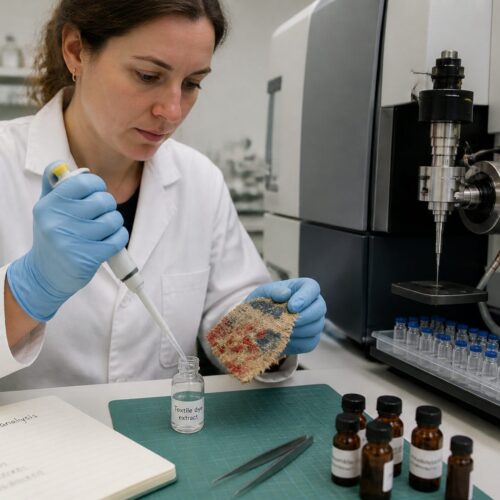
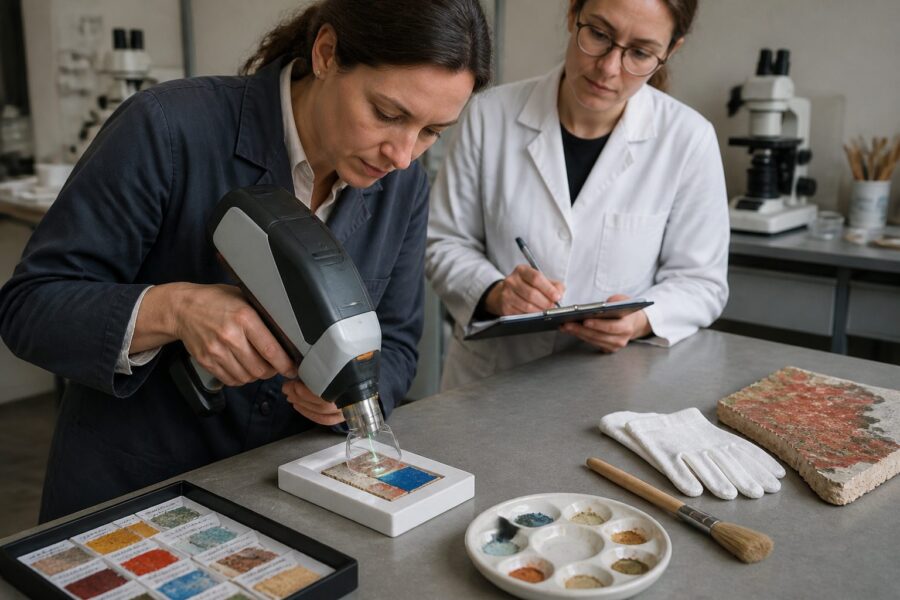
In the realm of heritage conservation, the ability to analyze historical pigments on-site is crucial for preserving our cultural artifacts. One of the most revolutionary techniques that has emerged in this field is portable laser-induced breakdown spectroscopy (LIBS), enabling conservationists to gain immediate insights into the elemental composition of artworks.
Handheld LIBS devices are changing the landscape of heritage pigment analysis, allowing professionals to perform real-time assessments without the need for extensive laboratory setups. This technology not only facilitates the conservation process but also enhances the understanding of historical materials used in artworks.
As we delve into the specifics of handheld LIBS, it’s essential to understand how this innovative technology operates in a portable format. This article will explore its advantages, detection limits, calibration requirements, and practical applications in the field.
How Laser-Induced Breakdown Spectroscopy Works in Portable Form
Laser-induced breakdown spectroscopy (LIBS) is a technique that utilizes a focused laser beam to create a plasma on the surface of a sample. The plasma generates light that is analyzed to determine the elemental composition of the pigment.
In portable LIBS systems, the laser and spectrometer are combined into a handheld device, allowing for easy transport and immediate analysis. This setup provides conservationists with a powerful tool to assess materials in situ, especially in locations where traditional sampling would be impractical.
The laser ablates a small amount of material from the surface, creating a plasma plume that emits light across a broad spectrum. This emitted light is collected and analyzed to identify the elements present in the sample, making it ideal for heritage pigment analysis.
Portable LIBS systems are designed to be user-friendly, often featuring intuitive interfaces for quick operation. The real-time feedback provided by these devices enables conservationists to make immediate decisions regarding conservation strategies.
Overall, the portable nature of LIBS technology enhances the efficiency and effectiveness of on-site pigment screening, making it an invaluable asset in the field of conservation. The ability to analyze pigments directly in their historical context adds depth to the understanding of their use and the techniques employed by past artisans.
Advantages of Handheld LIBS for Field-Based Conservation Work
Handheld LIBS devices offer numerous advantages for field-based conservation work, particularly in terms of efficiency and accessibility. One of the main benefits is the immediate data acquisition, allowing for real-time analysis of pigment composition.
This immediacy aids in making informed decisions about conservation techniques and strategies on the spot. Furthermore, handheld LIBS minimizes the need for sample extraction, preserving the integrity of the artwork.
Another significant advantage is the portability of these devices, which can be easily transported to various sites. This portability allows for extensive surveys of historical sites without the logistical challenges associated with traditional laboratory analysis.
Additionally, handheld LIBS systems typically have lower operational costs compared to traditional laboratory methods. This cost-effectiveness makes it more feasible for conservation projects, especially in resource-limited settings.
Moreover, the non-destructive nature of LIBS means that valuable artworks can remain intact while still being analyzed. This characteristic is particularly important for preserving historical artifacts that are irreplaceable.
Elemental Detection Limits Relevant to Historical Pigments
The effectiveness of handheld LIBS in detecting historical pigments relies significantly on its elemental detection limits. Generally, LIBS can detect elements at concentrations as low as parts per million (ppm), making it suitable for analyzing trace components in complex paint matrices.
These detection limits are particularly relevant when examining historical pigments that may contain multiple elements at varying concentrations. For instance, lead-based pigments often require precise detection to differentiate between similar compounds.
| Element | Detection Limit (ppm) | Common Pigments |
|---|---|---|
| Lead (Pb) | 10 | Lead White, Lead-Tin Yellow |
| Copper (Cu) | 5 | Verdigris |
| Cadmium (Cd) | 20 | Cadmium Yellow |
| Iron (Fe) | 15 | Earth Pigments |
Understanding these detection limits is crucial for effective pigment analysis in conservation work. For example, the ability to detect lead at low concentrations helps conservators identify the presence of lead-based pigments without damaging the artwork.
Ultimately, the elemental detection capabilities of handheld LIBS make it a powerful ally in the study and preservation of historical pigments. Its precision allows for a nuanced understanding of the materials that contribute to cultural heritage.
Calibration Requirements and Matrix Effects in Heterogeneous Paints
Calibration is a critical step in ensuring accurate readings from handheld LIBS devices, particularly when analyzing heterogeneous paints. Each pigment may exhibit different responses due to variations in their matrix, necessitating specific calibration protocols for different materials.
Matrix effects can significantly impact the accuracy of LIBS measurements, as the presence of other elements can suppress or enhance the signal of the target element. Therefore, it is essential to conduct thorough calibration against known standards to minimize these effects.
Standard reference materials should be employed to establish baseline responses for various pigments. This practice helps in correcting any discrepancies caused by matrix effects during on-site pigment screening.
Regular recalibration is also recommended, especially when switching between different types of samples. Doing so ensures that the data remains reliable and that the conservation decisions made based on this data are sound.
By understanding and addressing calibration requirements and matrix effects, conservators can enhance the reliability of their findings. This knowledge ultimately contributes to more effective conservation strategies tailored to the specific needs of each artwork.
Practical Protocol for LIBS Screening of Wall Paintings On-Site
Implementing a practical protocol for LIBS screening of wall paintings on-site is essential for ensuring accurate and efficient analysis. The first step involves selecting appropriate locations for sampling that represent the overall paint matrix.
Once the locations are identified, the surface should be cleaned carefully to remove any contaminants that may interfere with the analysis. After preparation, the handheld LIBS device can be activated to perform the analysis.
It is advisable to take multiple readings from different areas to account for the heterogeneous nature of wall paintings. This approach provides a comprehensive understanding of the pigment composition across the artwork.
Data collected should be documented thoroughly for further analysis and reporting. After completing the LIBS screening, it is crucial to assess the surface damage caused by the laser ablation.
By following this practical protocol, conservators can effectively utilize handheld LIBS for on-site pigment screening. This systematic approach enhances the quality of the data collected and supports informed conservation decisions.
Distinguishing Similar Elemental Profiles: Lead White vs. Lead-Tin Yellow
One of the challenges in historical pigment analysis is distinguishing between similar elemental profiles, particularly with lead-based pigments like Lead White and Lead-Tin Yellow. Both pigments contain lead, but their unique composition allows for differentiation through LIBS analysis.
Lead White typically has a simpler elemental profile, while Lead-Tin Yellow has additional components such as tin. By analyzing the spectral lines obtained from LIBS, conservators can identify these subtle differences and make accurate determinations.
- Lead White: PbCO3
- Lead-Tin Yellow: Pb2SnO4
- Elemental ratios
- Spectral line analysis
- Application context
This level of detail is essential for understanding the materials used in historical artworks, as it influences conservation strategies. Accurate identification of these pigments contributes to the preservation of the artwork’s integrity and historical significance.
Surface Damage Assessment: How Much Material Is Ablated Per Shot
Assessing surface damage caused by handheld LIBS is crucial for understanding the impact of this technique on historical artifacts. Each laser shot ablates a small amount of material, which can accumulate and potentially affect the artwork over time.
Typically, LIBS ablation can remove material in the range of a few micrometers per shot, depending on the energy of the laser and the type of pigment. This small ablation depth is ideal for pigment analysis while minimizing damage to the surface.
Conservators must consider the cumulative effects of multiple shots when planning an analysis. Understanding the amount of material removed per shot helps in making informed decisions regarding the number of analyses performed.
Regular assessments of the surface can help monitor any changes resulting from the LIBS analysis. This ongoing evaluation is essential for preserving the integrity of the artwork throughout the conservation process.
By carefully evaluating the ablation and potential surface damage, conservators can optimize their use of handheld LIBS in heritage pigment analysis. This balance between analysis and preservation is vital for maintaining the historical significance of the artwork.
Complementary Methods to Use Alongside LIBS for Full Characterization
While handheld LIBS is a powerful tool for pigment analysis, it is often beneficial to employ complementary methods for full characterization. Techniques such as X-ray fluorescence (XRF) and scanning electron microscopy (SEM) can provide additional insights into the materials.
Combining these methods allows for a more comprehensive understanding of the artwork’s composition. For example, XRF can help identify heavier elements that may not be as easily detected by LIBS.
Additionally, SEM can provide detailed images of the pigment particles, revealing their morphology and size. This information can aid in understanding the application techniques used by historical artisans.
By integrating these complementary techniques, conservators can build a more complete picture of the materials used in artworks. This holistic approach supports better conservation strategies and enhances the preservation of cultural heritage.
Case Studies: LIBS Surveys of Decorated Heritage Interiors
Several case studies have demonstrated the effectiveness of handheld LIBS in surveying decorated heritage interiors. In a notable project, conservators successfully analyzed wall paintings in a historic church, revealing the presence of various pigments previously undocumented.
These analyses not only informed conservation strategies but also contributed to the historical understanding of the artwork. By utilizing portable laser induced breakdown spectroscopy, the team was able to make prompt decisions based on accurate data.
Another example involved the analysis of frescoes in a palace, where handheld LIBS identified significant pigment variations across different rooms. This information was crucial for planning targeted conservation efforts tailored to each specific area.
Ultimately, these case studies highlight the valuable role of LIBS in heritage pigment analysis. The ability to conduct on-site analyses significantly enhances the conservation process, ensuring that historical artworks are preserved for future generations.
Current Instrument Options and Their Performance for Conservation Use
Several current handheld LIBS instruments are available on the market, each with unique features tailored for conservation use. These devices typically vary in terms of detection limits, portability, and user interface, catering to different conservation needs.
Leading brands offer models that emphasize ease of use and rapid data acquisition, essential for field applications. Evaluating instrument performance is crucial for selecting the best option based on specific conservation requirements.
Some models are designed to handle a wider range of elements, while others may focus on specific pigments. This versatility allows conservators to choose instruments that align with their particular analysis goals.
Furthermore, ongoing advancements in LIBS technology continue to enhance the capabilities of these instruments. As the field of conservation evolves, staying informed about the latest developments ensures that practitioners can utilize the most effective tools available.
In conclusion, the current options for handheld LIBS instruments provide conservationists with valuable tools for heritage pigment analysis. By carefully selecting the right device, conservators can enhance their effectiveness in preserving cultural heritage.