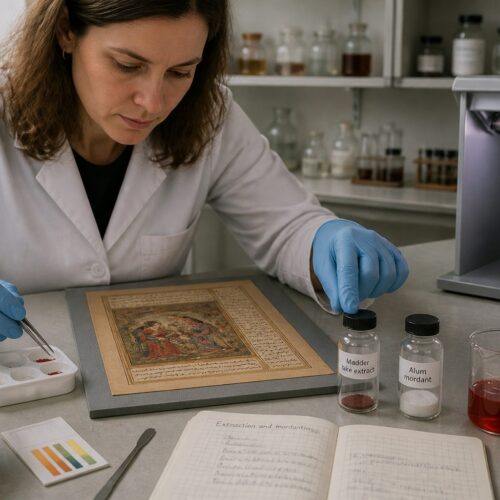

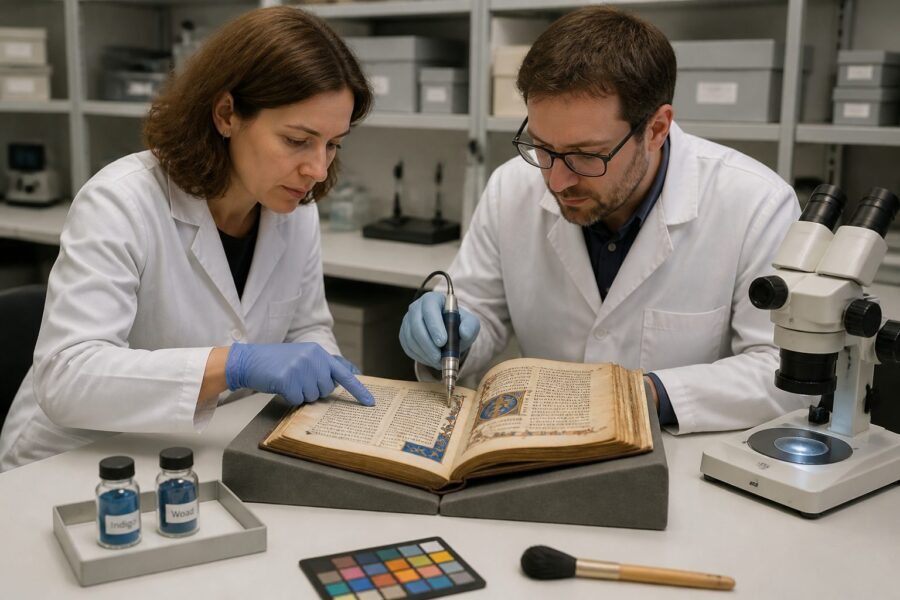
By analyzing the origins of pigments used in illuminated manuscripts, researchers can trace trade routes and cultural exchanges that shaped the artistic landscape of the time. This knowledge enhances our understanding of how artistic practices were influenced by economic conditions, highlighting the dynamic relationships between regions and their respective resources.
Moreover, the presence of imported indigo in European manuscripts indicates not only demand but also the sophistication of medieval trade systems, suggesting that artisans were not limited to local resources. Instead, they engaged in a broader commercial network that allowed for the exchange of materials, ideas, and techniques, fostering innovation in artistic expression.
In this way, pigment sourcing acts as a lens through which to view the interconnectedness of medieval societies, revealing the dynamic relationships that shaped artistic expression and cultural identity. The interplay between local practices and global influences underscores the importance of understanding historical context in the study of art and trade.
Ongoing Debates in the Identification of Historical Blue Dye Pigments
The identification of historical blue dye pigments, particularly indigo and woad, remains an area of active research and debate among scholars and conservators alike. This ongoing inquiry reflects the complexities of pigment sourcing and its implications for understanding medieval artistry, as researchers strive to uncover the nuances of historical materials.
Discussions surrounding the authenticity and origins of pigments raise important questions about cultural appropriation and artistic integrity, prompting a reevaluation of how we interpret historical artworks. As analytical techniques advance, these debates will likely evolve, offering new perspectives on the historical use of blue dyes and their significance in the broader narrative of art history.
Ultimately, the ongoing dialogue in the field fosters a deeper appreciation for the artistry and scientific inquiry that underpin historical manuscript conservation. These conversations will shape the future of research in the identification of blue dye sources, ensuring that our understanding of medieval art continues to grow and evolve.
In some cases, conservators may employ color matching techniques to blend new pigments with faded areas, striving to achieve a seamless integration that honors the original artistry. This process requires a deep knowledge of historical pigments, as well as skill in balancing aesthetic considerations with the need for authenticity and historical integrity.
Innovative technologies, such as digital imaging and spectral analysis, play an integral role in modern conservation practices, aiding conservators in making informed decisions about treatment methods. These tools assist in visualizing the condition of the artwork and evaluating the effectiveness of various conservation techniques.
Ultimately, the goal of conservation is to preserve the integrity of the manuscript while restoring its visual impact, ensuring that future generations can appreciate the beauty and artistry of these historical works. By employing a combination of traditional and modern techniques, conservators can effectively manage the challenges posed by faded blue pigments, safeguarding cultural heritage for years to come.
What Pigment Sourcing Reveals About Medieval Trade Networks
The sourcing of blue pigments provides significant insights into medieval trade networks, shedding light on the complexities of economic interactions during this period. The reliance on both local and imported dyes underscores the intricate web of trade routes that connected different regions and cultures, revealing the sophistication of medieval commerce.
By analyzing the origins of pigments used in illuminated manuscripts, researchers can trace trade routes and cultural exchanges that shaped the artistic landscape of the time. This knowledge enhances our understanding of how artistic practices were influenced by economic conditions, highlighting the dynamic relationships between regions and their respective resources.
Moreover, the presence of imported indigo in European manuscripts indicates not only demand but also the sophistication of medieval trade systems, suggesting that artisans were not limited to local resources. Instead, they engaged in a broader commercial network that allowed for the exchange of materials, ideas, and techniques, fostering innovation in artistic expression.
In this way, pigment sourcing acts as a lens through which to view the interconnectedness of medieval societies, revealing the dynamic relationships that shaped artistic expression and cultural identity. The interplay between local practices and global influences underscores the importance of understanding historical context in the study of art and trade.
Ongoing Debates in the Identification of Historical Blue Dye Pigments
The identification of historical blue dye pigments, particularly indigo and woad, remains an area of active research and debate among scholars and conservators alike. This ongoing inquiry reflects the complexities of pigment sourcing and its implications for understanding medieval artistry, as researchers strive to uncover the nuances of historical materials.
Discussions surrounding the authenticity and origins of pigments raise important questions about cultural appropriation and artistic integrity, prompting a reevaluation of how we interpret historical artworks. As analytical techniques advance, these debates will likely evolve, offering new perspectives on the historical use of blue dyes and their significance in the broader narrative of art history.
Ultimately, the ongoing dialogue in the field fosters a deeper appreciation for the artistry and scientific inquiry that underpin historical manuscript conservation. These conversations will shape the future of research in the identification of blue dye sources, ensuring that our understanding of medieval art continues to grow and evolve.
Studies have shown that exposure to alkaline conditions can lead to the oxidation and fading of indigo pigments over time, resulting in a significant loss of color and vibrancy. This degradation not only affects the visual appearance of manuscripts but also compromises their structural integrity, making it imperative for conservators to address these challenges promptly.
To mitigate these effects, conservators must consider the pH levels of their storage environments, as maintaining neutral conditions can help preserve the vivid hues of indigo in historical manuscripts. By carefully monitoring and controlling the conditions in which these artifacts are stored, conservators can extend the life and aesthetic quality of these precious works.
The degradation pathways of indigo also underscore the importance of ongoing research in conservation science, as new findings can inform best practices for preservation. By identifying and understanding these processes, conservators can implement targeted strategies to protect these invaluable artifacts from the ravages of time and environmental factors.
Conservation Approaches for Faded and Oxidized Blue Passages
Conservation approaches for faded and oxidized blue passages require a nuanced understanding of indigo chemistry, as well as the historical context of the artifacts being treated. These strategies often involve the careful application of reducing agents to restore lost color, aiming to bring the artwork closer to its original state.
In some cases, conservators may employ color matching techniques to blend new pigments with faded areas, striving to achieve a seamless integration that honors the original artistry. This process requires a deep knowledge of historical pigments, as well as skill in balancing aesthetic considerations with the need for authenticity and historical integrity.
Innovative technologies, such as digital imaging and spectral analysis, play an integral role in modern conservation practices, aiding conservators in making informed decisions about treatment methods. These tools assist in visualizing the condition of the artwork and evaluating the effectiveness of various conservation techniques.
Ultimately, the goal of conservation is to preserve the integrity of the manuscript while restoring its visual impact, ensuring that future generations can appreciate the beauty and artistry of these historical works. By employing a combination of traditional and modern techniques, conservators can effectively manage the challenges posed by faded blue pigments, safeguarding cultural heritage for years to come.
What Pigment Sourcing Reveals About Medieval Trade Networks
The sourcing of blue pigments provides significant insights into medieval trade networks, shedding light on the complexities of economic interactions during this period. The reliance on both local and imported dyes underscores the intricate web of trade routes that connected different regions and cultures, revealing the sophistication of medieval commerce.
By analyzing the origins of pigments used in illuminated manuscripts, researchers can trace trade routes and cultural exchanges that shaped the artistic landscape of the time. This knowledge enhances our understanding of how artistic practices were influenced by economic conditions, highlighting the dynamic relationships between regions and their respective resources.
Moreover, the presence of imported indigo in European manuscripts indicates not only demand but also the sophistication of medieval trade systems, suggesting that artisans were not limited to local resources. Instead, they engaged in a broader commercial network that allowed for the exchange of materials, ideas, and techniques, fostering innovation in artistic expression.
In this way, pigment sourcing acts as a lens through which to view the interconnectedness of medieval societies, revealing the dynamic relationships that shaped artistic expression and cultural identity. The interplay between local practices and global influences underscores the importance of understanding historical context in the study of art and trade.
Ongoing Debates in the Identification of Historical Blue Dye Pigments
The identification of historical blue dye pigments, particularly indigo and woad, remains an area of active research and debate among scholars and conservators alike. This ongoing inquiry reflects the complexities of pigment sourcing and its implications for understanding medieval artistry, as researchers strive to uncover the nuances of historical materials.
Discussions surrounding the authenticity and origins of pigments raise important questions about cultural appropriation and artistic integrity, prompting a reevaluation of how we interpret historical artworks. As analytical techniques advance, these debates will likely evolve, offering new perspectives on the historical use of blue dyes and their significance in the broader narrative of art history.
Ultimately, the ongoing dialogue in the field fosters a deeper appreciation for the artistry and scientific inquiry that underpin historical manuscript conservation. These conversations will shape the future of research in the identification of blue dye sources, ensuring that our understanding of medieval art continues to grow and evolve.
For instance, the presence of certain flavonoids may indicate the use of woad, while other compounds may be unique to indigo, allowing researchers to make informed conclusions about the pigments’ origins. By analyzing these trace compounds, researchers can provide a more accurate historical context for blue pigments, enriching our understanding of the artistic choices made by medieval creators.
- Flavonoid compounds
- Alkaloid markers
- Chemical fingerprints
- Chromatographic analysis
- Mass spectrometry results
Understanding these unique markers is crucial for art historians and conservators alike, as they not only inform about the sourcing of pigments but also contribute to the broader narrative of medieval artistic practices. This knowledge fosters a deeper appreciation for the complexities of historical art and the materials that shaped it, creating a richer tapestry of cultural understanding.
Case Examples From Gothic and Romanesque Illuminated Books
Case studies of Gothic and Romanesque illuminated books demonstrate the practical applications of blue dye analysis, revealing the artistry and craftsmanship of the period. For example, the stunning Book of Kells showcases the use of both indigo and woad, highlighting the complexities of pigment sourcing and the skill of the artisans who created it.
Another example is the illuminated manuscripts from the Abbey of Saint Gall, where blue pigments were meticulously applied to create intricate designs and vibrant illustrations. Analysis of these works reveals intriguing insights into the choices made by medieval artists regarding their color palettes, reflecting broader trends in medieval artistic practices.
These case examples illustrate not only the artistic brilliance of the time but also the significance of blue dye sourcing in understanding the cultural heritage of medieval Europe. They provide a tangible connection between historical practices and modern analytical techniques, reinforcing the importance of interdisciplinary collaboration in art conservation.
Furthermore, the findings from these analyses contribute to a richer understanding of the cultural exchanges that occurred during the medieval period, highlighting the interconnectedness of trade, art, and science. Each manuscript serves as a testament to the collaborative efforts of artists and merchants, showcasing the diverse influences that shaped medieval artistic expression.
Degradation Pathways of Indigo in Alkaline Manuscript Environments
Indigo, while vibrant and beautiful, is susceptible to degradation in alkaline environments commonly found in manuscript preservation, posing a significant challenge for conservators. Understanding the degradation pathways of indigo is critical for developing effective conservation strategies that can help preserve these invaluable works of art.
Studies have shown that exposure to alkaline conditions can lead to the oxidation and fading of indigo pigments over time, resulting in a significant loss of color and vibrancy. This degradation not only affects the visual appearance of manuscripts but also compromises their structural integrity, making it imperative for conservators to address these challenges promptly.
To mitigate these effects, conservators must consider the pH levels of their storage environments, as maintaining neutral conditions can help preserve the vivid hues of indigo in historical manuscripts. By carefully monitoring and controlling the conditions in which these artifacts are stored, conservators can extend the life and aesthetic quality of these precious works.
The degradation pathways of indigo also underscore the importance of ongoing research in conservation science, as new findings can inform best practices for preservation. By identifying and understanding these processes, conservators can implement targeted strategies to protect these invaluable artifacts from the ravages of time and environmental factors.
Conservation Approaches for Faded and Oxidized Blue Passages
Conservation approaches for faded and oxidized blue passages require a nuanced understanding of indigo chemistry, as well as the historical context of the artifacts being treated. These strategies often involve the careful application of reducing agents to restore lost color, aiming to bring the artwork closer to its original state.
In some cases, conservators may employ color matching techniques to blend new pigments with faded areas, striving to achieve a seamless integration that honors the original artistry. This process requires a deep knowledge of historical pigments, as well as skill in balancing aesthetic considerations with the need for authenticity and historical integrity.
Innovative technologies, such as digital imaging and spectral analysis, play an integral role in modern conservation practices, aiding conservators in making informed decisions about treatment methods. These tools assist in visualizing the condition of the artwork and evaluating the effectiveness of various conservation techniques.
Ultimately, the goal of conservation is to preserve the integrity of the manuscript while restoring its visual impact, ensuring that future generations can appreciate the beauty and artistry of these historical works. By employing a combination of traditional and modern techniques, conservators can effectively manage the challenges posed by faded blue pigments, safeguarding cultural heritage for years to come.
What Pigment Sourcing Reveals About Medieval Trade Networks
The sourcing of blue pigments provides significant insights into medieval trade networks, shedding light on the complexities of economic interactions during this period. The reliance on both local and imported dyes underscores the intricate web of trade routes that connected different regions and cultures, revealing the sophistication of medieval commerce.
By analyzing the origins of pigments used in illuminated manuscripts, researchers can trace trade routes and cultural exchanges that shaped the artistic landscape of the time. This knowledge enhances our understanding of how artistic practices were influenced by economic conditions, highlighting the dynamic relationships between regions and their respective resources.
Moreover, the presence of imported indigo in European manuscripts indicates not only demand but also the sophistication of medieval trade systems, suggesting that artisans were not limited to local resources. Instead, they engaged in a broader commercial network that allowed for the exchange of materials, ideas, and techniques, fostering innovation in artistic expression.
In this way, pigment sourcing acts as a lens through which to view the interconnectedness of medieval societies, revealing the dynamic relationships that shaped artistic expression and cultural identity. The interplay between local practices and global influences underscores the importance of understanding historical context in the study of art and trade.
Ongoing Debates in the Identification of Historical Blue Dye Pigments
The identification of historical blue dye pigments, particularly indigo and woad, remains an area of active research and debate among scholars and conservators alike. This ongoing inquiry reflects the complexities of pigment sourcing and its implications for understanding medieval artistry, as researchers strive to uncover the nuances of historical materials.
Discussions surrounding the authenticity and origins of pigments raise important questions about cultural appropriation and artistic integrity, prompting a reevaluation of how we interpret historical artworks. As analytical techniques advance, these debates will likely evolve, offering new perspectives on the historical use of blue dyes and their significance in the broader narrative of art history.
Ultimately, the ongoing dialogue in the field fosters a deeper appreciation for the artistry and scientific inquiry that underpin historical manuscript conservation. These conversations will shape the future of research in the identification of blue dye sources, ensuring that our understanding of medieval art continues to grow and evolve.
Additionally, non-destructive methods like Raman spectroscopy can analyze pigments without damaging the manuscripts, ensuring that the artifacts remain intact while researchers gather necessary information. These approaches allow conservators to gain valuable data while preserving the integrity of the artifacts, balancing scientific inquiry with the need for preservation.
Such analytical strategies are instrumental in unraveling the complexities of blue dye identification, providing clarity in a field that has historically been fraught with ambiguity. They enable researchers to confirm the origins of pigments, which in turn informs conservation efforts and enhances our understanding of historical art practices.
As pigments fade over time, understanding their chemical structure becomes increasingly essential for effective conservation, as this knowledge guides the decisions made during restoration. Identifying the source of the blue dye can dictate the best conservation practices to preserve historical manuscripts, ensuring that the vibrancy of the original work can be appreciated by future generations.
Trace Compound Markers That Separate Plant Sources
Trace compound markers, including specific flavonoids and alkaloids, can effectively separate indigo from woad, serving as critical tools in the identification process. These markers serve as chemical fingerprints that enhance blue dye identification in illuminated manuscripts, providing a means to authenticate the materials used in these historical creations.
For instance, the presence of certain flavonoids may indicate the use of woad, while other compounds may be unique to indigo, allowing researchers to make informed conclusions about the pigments’ origins. By analyzing these trace compounds, researchers can provide a more accurate historical context for blue pigments, enriching our understanding of the artistic choices made by medieval creators.
- Flavonoid compounds
- Alkaloid markers
- Chemical fingerprints
- Chromatographic analysis
- Mass spectrometry results
Understanding these unique markers is crucial for art historians and conservators alike, as they not only inform about the sourcing of pigments but also contribute to the broader narrative of medieval artistic practices. This knowledge fosters a deeper appreciation for the complexities of historical art and the materials that shaped it, creating a richer tapestry of cultural understanding.
Case Examples From Gothic and Romanesque Illuminated Books
Case studies of Gothic and Romanesque illuminated books demonstrate the practical applications of blue dye analysis, revealing the artistry and craftsmanship of the period. For example, the stunning Book of Kells showcases the use of both indigo and woad, highlighting the complexities of pigment sourcing and the skill of the artisans who created it.
Another example is the illuminated manuscripts from the Abbey of Saint Gall, where blue pigments were meticulously applied to create intricate designs and vibrant illustrations. Analysis of these works reveals intriguing insights into the choices made by medieval artists regarding their color palettes, reflecting broader trends in medieval artistic practices.
These case examples illustrate not only the artistic brilliance of the time but also the significance of blue dye sourcing in understanding the cultural heritage of medieval Europe. They provide a tangible connection between historical practices and modern analytical techniques, reinforcing the importance of interdisciplinary collaboration in art conservation.
Furthermore, the findings from these analyses contribute to a richer understanding of the cultural exchanges that occurred during the medieval period, highlighting the interconnectedness of trade, art, and science. Each manuscript serves as a testament to the collaborative efforts of artists and merchants, showcasing the diverse influences that shaped medieval artistic expression.
Degradation Pathways of Indigo in Alkaline Manuscript Environments
Indigo, while vibrant and beautiful, is susceptible to degradation in alkaline environments commonly found in manuscript preservation, posing a significant challenge for conservators. Understanding the degradation pathways of indigo is critical for developing effective conservation strategies that can help preserve these invaluable works of art.
Studies have shown that exposure to alkaline conditions can lead to the oxidation and fading of indigo pigments over time, resulting in a significant loss of color and vibrancy. This degradation not only affects the visual appearance of manuscripts but also compromises their structural integrity, making it imperative for conservators to address these challenges promptly.
To mitigate these effects, conservators must consider the pH levels of their storage environments, as maintaining neutral conditions can help preserve the vivid hues of indigo in historical manuscripts. By carefully monitoring and controlling the conditions in which these artifacts are stored, conservators can extend the life and aesthetic quality of these precious works.
The degradation pathways of indigo also underscore the importance of ongoing research in conservation science, as new findings can inform best practices for preservation. By identifying and understanding these processes, conservators can implement targeted strategies to protect these invaluable artifacts from the ravages of time and environmental factors.
Conservation Approaches for Faded and Oxidized Blue Passages
Conservation approaches for faded and oxidized blue passages require a nuanced understanding of indigo chemistry, as well as the historical context of the artifacts being treated. These strategies often involve the careful application of reducing agents to restore lost color, aiming to bring the artwork closer to its original state.
In some cases, conservators may employ color matching techniques to blend new pigments with faded areas, striving to achieve a seamless integration that honors the original artistry. This process requires a deep knowledge of historical pigments, as well as skill in balancing aesthetic considerations with the need for authenticity and historical integrity.
Innovative technologies, such as digital imaging and spectral analysis, play an integral role in modern conservation practices, aiding conservators in making informed decisions about treatment methods. These tools assist in visualizing the condition of the artwork and evaluating the effectiveness of various conservation techniques.
Ultimately, the goal of conservation is to preserve the integrity of the manuscript while restoring its visual impact, ensuring that future generations can appreciate the beauty and artistry of these historical works. By employing a combination of traditional and modern techniques, conservators can effectively manage the challenges posed by faded blue pigments, safeguarding cultural heritage for years to come.
What Pigment Sourcing Reveals About Medieval Trade Networks
The sourcing of blue pigments provides significant insights into medieval trade networks, shedding light on the complexities of economic interactions during this period. The reliance on both local and imported dyes underscores the intricate web of trade routes that connected different regions and cultures, revealing the sophistication of medieval commerce.
By analyzing the origins of pigments used in illuminated manuscripts, researchers can trace trade routes and cultural exchanges that shaped the artistic landscape of the time. This knowledge enhances our understanding of how artistic practices were influenced by economic conditions, highlighting the dynamic relationships between regions and their respective resources.
Moreover, the presence of imported indigo in European manuscripts indicates not only demand but also the sophistication of medieval trade systems, suggesting that artisans were not limited to local resources. Instead, they engaged in a broader commercial network that allowed for the exchange of materials, ideas, and techniques, fostering innovation in artistic expression.
In this way, pigment sourcing acts as a lens through which to view the interconnectedness of medieval societies, revealing the dynamic relationships that shaped artistic expression and cultural identity. The interplay between local practices and global influences underscores the importance of understanding historical context in the study of art and trade.
Ongoing Debates in the Identification of Historical Blue Dye Pigments
The identification of historical blue dye pigments, particularly indigo and woad, remains an area of active research and debate among scholars and conservators alike. This ongoing inquiry reflects the complexities of pigment sourcing and its implications for understanding medieval artistry, as researchers strive to uncover the nuances of historical materials.
Discussions surrounding the authenticity and origins of pigments raise important questions about cultural appropriation and artistic integrity, prompting a reevaluation of how we interpret historical artworks. As analytical techniques advance, these debates will likely evolve, offering new perspectives on the historical use of blue dyes and their significance in the broader narrative of art history.
Ultimately, the ongoing dialogue in the field fosters a deeper appreciation for the artistry and scientific inquiry that underpin historical manuscript conservation. These conversations will shape the future of research in the identification of blue dye sources, ensuring that our understanding of medieval art continues to grow and evolve.
The shared chemistry of these plants allows them to generate the same deep blue shade, which complicates blue dye identification in historical artifacts and poses significant challenges for conservators. However, advances in analytical chemistry provide tools to differentiate between the two sources based on their unique chemical signatures, offering a pathway to more accurate identification.
| Colorant Source | Key Compound | Chemical Structure |
|---|---|---|
| Indigofera tinctoria | Indigotin | C₁₆H₁₀N₂O₂ |
| Isatis tinctoria | Indigotin | C₁₆H₁₀N₂O₂ |
| Indigofera tinctoria | Indican | C₁₄H₁₁N₁₃O₆ |
| Isatis tinctoria | Producers | Varies |
The presence of specific trace compounds can serve as markers for distinguishing between indigo and woad in historical artifacts, further enriching our understanding of these materials. By employing chromatographic techniques, researchers can pinpoint these chemical differences, enhancing our understanding of pigment sourcing and its implications for art history.
Analytical Strategies for Distinguishing Woad From Imported Indigo
To accurately identify blue pigments in illuminated manuscripts, a range of analytical strategies can be employed, each offering unique insights into the composition of the materials. Techniques such as high-performance liquid chromatography (HPLC) and mass spectrometry provide insights into the specific chemical compositions of the dyes, allowing for precise differentiation between indigo and woad.
Additionally, non-destructive methods like Raman spectroscopy can analyze pigments without damaging the manuscripts, ensuring that the artifacts remain intact while researchers gather necessary information. These approaches allow conservators to gain valuable data while preserving the integrity of the artifacts, balancing scientific inquiry with the need for preservation.
Such analytical strategies are instrumental in unraveling the complexities of blue dye identification, providing clarity in a field that has historically been fraught with ambiguity. They enable researchers to confirm the origins of pigments, which in turn informs conservation efforts and enhances our understanding of historical art practices.
As pigments fade over time, understanding their chemical structure becomes increasingly essential for effective conservation, as this knowledge guides the decisions made during restoration. Identifying the source of the blue dye can dictate the best conservation practices to preserve historical manuscripts, ensuring that the vibrancy of the original work can be appreciated by future generations.
Trace Compound Markers That Separate Plant Sources
Trace compound markers, including specific flavonoids and alkaloids, can effectively separate indigo from woad, serving as critical tools in the identification process. These markers serve as chemical fingerprints that enhance blue dye identification in illuminated manuscripts, providing a means to authenticate the materials used in these historical creations.
For instance, the presence of certain flavonoids may indicate the use of woad, while other compounds may be unique to indigo, allowing researchers to make informed conclusions about the pigments’ origins. By analyzing these trace compounds, researchers can provide a more accurate historical context for blue pigments, enriching our understanding of the artistic choices made by medieval creators.
- Flavonoid compounds
- Alkaloid markers
- Chemical fingerprints
- Chromatographic analysis
- Mass spectrometry results
Understanding these unique markers is crucial for art historians and conservators alike, as they not only inform about the sourcing of pigments but also contribute to the broader narrative of medieval artistic practices. This knowledge fosters a deeper appreciation for the complexities of historical art and the materials that shaped it, creating a richer tapestry of cultural understanding.
Case Examples From Gothic and Romanesque Illuminated Books
Case studies of Gothic and Romanesque illuminated books demonstrate the practical applications of blue dye analysis, revealing the artistry and craftsmanship of the period. For example, the stunning Book of Kells showcases the use of both indigo and woad, highlighting the complexities of pigment sourcing and the skill of the artisans who created it.
Another example is the illuminated manuscripts from the Abbey of Saint Gall, where blue pigments were meticulously applied to create intricate designs and vibrant illustrations. Analysis of these works reveals intriguing insights into the choices made by medieval artists regarding their color palettes, reflecting broader trends in medieval artistic practices.
These case examples illustrate not only the artistic brilliance of the time but also the significance of blue dye sourcing in understanding the cultural heritage of medieval Europe. They provide a tangible connection between historical practices and modern analytical techniques, reinforcing the importance of interdisciplinary collaboration in art conservation.
Furthermore, the findings from these analyses contribute to a richer understanding of the cultural exchanges that occurred during the medieval period, highlighting the interconnectedness of trade, art, and science. Each manuscript serves as a testament to the collaborative efforts of artists and merchants, showcasing the diverse influences that shaped medieval artistic expression.
Degradation Pathways of Indigo in Alkaline Manuscript Environments
Indigo, while vibrant and beautiful, is susceptible to degradation in alkaline environments commonly found in manuscript preservation, posing a significant challenge for conservators. Understanding the degradation pathways of indigo is critical for developing effective conservation strategies that can help preserve these invaluable works of art.
Studies have shown that exposure to alkaline conditions can lead to the oxidation and fading of indigo pigments over time, resulting in a significant loss of color and vibrancy. This degradation not only affects the visual appearance of manuscripts but also compromises their structural integrity, making it imperative for conservators to address these challenges promptly.
To mitigate these effects, conservators must consider the pH levels of their storage environments, as maintaining neutral conditions can help preserve the vivid hues of indigo in historical manuscripts. By carefully monitoring and controlling the conditions in which these artifacts are stored, conservators can extend the life and aesthetic quality of these precious works.
The degradation pathways of indigo also underscore the importance of ongoing research in conservation science, as new findings can inform best practices for preservation. By identifying and understanding these processes, conservators can implement targeted strategies to protect these invaluable artifacts from the ravages of time and environmental factors.
Conservation Approaches for Faded and Oxidized Blue Passages
Conservation approaches for faded and oxidized blue passages require a nuanced understanding of indigo chemistry, as well as the historical context of the artifacts being treated. These strategies often involve the careful application of reducing agents to restore lost color, aiming to bring the artwork closer to its original state.
In some cases, conservators may employ color matching techniques to blend new pigments with faded areas, striving to achieve a seamless integration that honors the original artistry. This process requires a deep knowledge of historical pigments, as well as skill in balancing aesthetic considerations with the need for authenticity and historical integrity.
Innovative technologies, such as digital imaging and spectral analysis, play an integral role in modern conservation practices, aiding conservators in making informed decisions about treatment methods. These tools assist in visualizing the condition of the artwork and evaluating the effectiveness of various conservation techniques.
Ultimately, the goal of conservation is to preserve the integrity of the manuscript while restoring its visual impact, ensuring that future generations can appreciate the beauty and artistry of these historical works. By employing a combination of traditional and modern techniques, conservators can effectively manage the challenges posed by faded blue pigments, safeguarding cultural heritage for years to come.
What Pigment Sourcing Reveals About Medieval Trade Networks
The sourcing of blue pigments provides significant insights into medieval trade networks, shedding light on the complexities of economic interactions during this period. The reliance on both local and imported dyes underscores the intricate web of trade routes that connected different regions and cultures, revealing the sophistication of medieval commerce.
By analyzing the origins of pigments used in illuminated manuscripts, researchers can trace trade routes and cultural exchanges that shaped the artistic landscape of the time. This knowledge enhances our understanding of how artistic practices were influenced by economic conditions, highlighting the dynamic relationships between regions and their respective resources.
Moreover, the presence of imported indigo in European manuscripts indicates not only demand but also the sophistication of medieval trade systems, suggesting that artisans were not limited to local resources. Instead, they engaged in a broader commercial network that allowed for the exchange of materials, ideas, and techniques, fostering innovation in artistic expression.
In this way, pigment sourcing acts as a lens through which to view the interconnectedness of medieval societies, revealing the dynamic relationships that shaped artistic expression and cultural identity. The interplay between local practices and global influences underscores the importance of understanding historical context in the study of art and trade.
Ongoing Debates in the Identification of Historical Blue Dye Pigments
The identification of historical blue dye pigments, particularly indigo and woad, remains an area of active research and debate among scholars and conservators alike. This ongoing inquiry reflects the complexities of pigment sourcing and its implications for understanding medieval artistry, as researchers strive to uncover the nuances of historical materials.
Discussions surrounding the authenticity and origins of pigments raise important questions about cultural appropriation and artistic integrity, prompting a reevaluation of how we interpret historical artworks. As analytical techniques advance, these debates will likely evolve, offering new perspectives on the historical use of blue dyes and their significance in the broader narrative of art history.
Ultimately, the ongoing dialogue in the field fosters a deeper appreciation for the artistry and scientific inquiry that underpin historical manuscript conservation. These conversations will shape the future of research in the identification of blue dye sources, ensuring that our understanding of medieval art continues to grow and evolve.
The vibrant blues of medieval manuscripts hold a captivating allure, drawing art historians and scientists alike into the depths of their history and chemistry. Among these hues, the blue palette derived from indigo and woad has sparked ongoing debates about their origins and applications across historical contexts, reflecting the complexities of trade and cultural exchange during the medieval period.
This article delves into the complexities surrounding these two blue dye sources, highlighting their botanical roots, chemical properties, and the analytical techniques employed to distinguish between them. In doing so, we will explore their significance in the context of medieval trade networks and conservation practices for faded manuscripts, which remain crucial for understanding the preservation of cultural heritage.
The Medieval Blue Palette: Indigo, Woad, and the Question of Origin
The medieval blue palette largely relied on two primary sources: indigo and woad, each contributing to the rich tapestry of colors in illuminated manuscripts. Both plants produced remarkable blue shades that adorned illuminated manuscripts and textiles, yet their origins and uses differ significantly, reflecting the geographic and economic landscapes of their time.
Indigo, primarily imported from tropical regions, was favored for its vibrant hue and deep saturation, making it a sought-after commodity among artists and artisans. In contrast, woad was cultivated in Europe and provided a more muted blue, often considered a local alternative to the prized indigo, which highlights the regional preferences and availability of resources.
The question of origin is crucial, as it not only impacts our understanding of historical art practices but also sheds light on trade relationships during the medieval period. By examining the pigment sources, we can gain insights into the cultural and economic exchanges that shaped the medieval world, providing a clearer picture of how artistic practices were influenced by geography and commerce.
Understanding the origins of these pigments requires a closer look at their botanical sources, revealing the intricate relationships between plants and their uses in dye production. This investigation reveals the distinct properties of the plants used in blue dye production and the implications for historical analysis, emphasizing the importance of botanical knowledge in art conservation.
Botanical Sources: Indigofera tinctoria vs. Isatis tinctoria
Indigo is predominantly sourced from the plant Indigofera tinctoria, a species native to tropical regions such as India, where it has been cultivated for thousands of years. In contrast, woad is derived from Isatis tinctoria, a biennial plant that has been cultivated in Europe for centuries, showcasing a rich tradition of local dye production.
While both plants yield blue dye, their geographical distributions and cultivation practices differ significantly, affecting the accessibility and cost of the pigments in various regions. Understanding these botanical sources is essential for accurate blue dye identification in illuminated manuscripts, as it allows researchers to contextualize the materials used in historical artworks.
The leaves of Indigofera tinctoria contain higher concentrations of indican, the precursor to indigo dye, which is converted into the blue pigment during the dyeing process. Conversely, the woad plant’s leaves have a lower yield of the blue dye but were widely accessible in medieval Europe, making it a common choice among artisans seeking to create vibrant colors without relying on imports.
Determining the exact source of blue pigments in historical artifacts can provide invaluable information about local practices and trade routes, painting a picture of the economic landscape during the medieval era. This knowledge enhances our understanding of how different cultures utilized these botanical resources, revealing the intricacies of artistic production and exchange.
Shared Chemistry: Why Indigo and Woad Produce the Same Colorant
Both indigo and woad produce the same colorant, known as indigotin, through similar biochemical pathways that highlight the fascinating interplay between nature and chemistry. Despite their distinct botanical origins, the chemical processes leading to the formation of this vibrant blue hue are strikingly similar, which complicates the task of authenticating historical pigments.
The shared chemistry of these plants allows them to generate the same deep blue shade, which complicates blue dye identification in historical artifacts and poses significant challenges for conservators. However, advances in analytical chemistry provide tools to differentiate between the two sources based on their unique chemical signatures, offering a pathway to more accurate identification.
| Colorant Source | Key Compound | Chemical Structure |
|---|---|---|
| Indigofera tinctoria | Indigotin | C₁₆H₁₀N₂O₂ |
| Isatis tinctoria | Indigotin | C₁₆H₁₀N₂O₂ |
| Indigofera tinctoria | Indican | C₁₄H₁₁N₁₃O₆ |
| Isatis tinctoria | Producers | Varies |
The presence of specific trace compounds can serve as markers for distinguishing between indigo and woad in historical artifacts, further enriching our understanding of these materials. By employing chromatographic techniques, researchers can pinpoint these chemical differences, enhancing our understanding of pigment sourcing and its implications for art history.
Analytical Strategies for Distinguishing Woad From Imported Indigo
To accurately identify blue pigments in illuminated manuscripts, a range of analytical strategies can be employed, each offering unique insights into the composition of the materials. Techniques such as high-performance liquid chromatography (HPLC) and mass spectrometry provide insights into the specific chemical compositions of the dyes, allowing for precise differentiation between indigo and woad.
Additionally, non-destructive methods like Raman spectroscopy can analyze pigments without damaging the manuscripts, ensuring that the artifacts remain intact while researchers gather necessary information. These approaches allow conservators to gain valuable data while preserving the integrity of the artifacts, balancing scientific inquiry with the need for preservation.
Such analytical strategies are instrumental in unraveling the complexities of blue dye identification, providing clarity in a field that has historically been fraught with ambiguity. They enable researchers to confirm the origins of pigments, which in turn informs conservation efforts and enhances our understanding of historical art practices.
As pigments fade over time, understanding their chemical structure becomes increasingly essential for effective conservation, as this knowledge guides the decisions made during restoration. Identifying the source of the blue dye can dictate the best conservation practices to preserve historical manuscripts, ensuring that the vibrancy of the original work can be appreciated by future generations.
Trace Compound Markers That Separate Plant Sources
Trace compound markers, including specific flavonoids and alkaloids, can effectively separate indigo from woad, serving as critical tools in the identification process. These markers serve as chemical fingerprints that enhance blue dye identification in illuminated manuscripts, providing a means to authenticate the materials used in these historical creations.
For instance, the presence of certain flavonoids may indicate the use of woad, while other compounds may be unique to indigo, allowing researchers to make informed conclusions about the pigments’ origins. By analyzing these trace compounds, researchers can provide a more accurate historical context for blue pigments, enriching our understanding of the artistic choices made by medieval creators.
- Flavonoid compounds
- Alkaloid markers
- Chemical fingerprints
- Chromatographic analysis
- Mass spectrometry results
Understanding these unique markers is crucial for art historians and conservators alike, as they not only inform about the sourcing of pigments but also contribute to the broader narrative of medieval artistic practices. This knowledge fosters a deeper appreciation for the complexities of historical art and the materials that shaped it, creating a richer tapestry of cultural understanding.
Case Examples From Gothic and Romanesque Illuminated Books
Case studies of Gothic and Romanesque illuminated books demonstrate the practical applications of blue dye analysis, revealing the artistry and craftsmanship of the period. For example, the stunning Book of Kells showcases the use of both indigo and woad, highlighting the complexities of pigment sourcing and the skill of the artisans who created it.
Another example is the illuminated manuscripts from the Abbey of Saint Gall, where blue pigments were meticulously applied to create intricate designs and vibrant illustrations. Analysis of these works reveals intriguing insights into the choices made by medieval artists regarding their color palettes, reflecting broader trends in medieval artistic practices.
These case examples illustrate not only the artistic brilliance of the time but also the significance of blue dye sourcing in understanding the cultural heritage of medieval Europe. They provide a tangible connection between historical practices and modern analytical techniques, reinforcing the importance of interdisciplinary collaboration in art conservation.
Furthermore, the findings from these analyses contribute to a richer understanding of the cultural exchanges that occurred during the medieval period, highlighting the interconnectedness of trade, art, and science. Each manuscript serves as a testament to the collaborative efforts of artists and merchants, showcasing the diverse influences that shaped medieval artistic expression.
Degradation Pathways of Indigo in Alkaline Manuscript Environments
Indigo, while vibrant and beautiful, is susceptible to degradation in alkaline environments commonly found in manuscript preservation, posing a significant challenge for conservators. Understanding the degradation pathways of indigo is critical for developing effective conservation strategies that can help preserve these invaluable works of art.
Studies have shown that exposure to alkaline conditions can lead to the oxidation and fading of indigo pigments over time, resulting in a significant loss of color and vibrancy. This degradation not only affects the visual appearance of manuscripts but also compromises their structural integrity, making it imperative for conservators to address these challenges promptly.
To mitigate these effects, conservators must consider the pH levels of their storage environments, as maintaining neutral conditions can help preserve the vivid hues of indigo in historical manuscripts. By carefully monitoring and controlling the conditions in which these artifacts are stored, conservators can extend the life and aesthetic quality of these precious works.
The degradation pathways of indigo also underscore the importance of ongoing research in conservation science, as new findings can inform best practices for preservation. By identifying and understanding these processes, conservators can implement targeted strategies to protect these invaluable artifacts from the ravages of time and environmental factors.
Conservation Approaches for Faded and Oxidized Blue Passages
Conservation approaches for faded and oxidized blue passages require a nuanced understanding of indigo chemistry, as well as the historical context of the artifacts being treated. These strategies often involve the careful application of reducing agents to restore lost color, aiming to bring the artwork closer to its original state.
In some cases, conservators may employ color matching techniques to blend new pigments with faded areas, striving to achieve a seamless integration that honors the original artistry. This process requires a deep knowledge of historical pigments, as well as skill in balancing aesthetic considerations with the need for authenticity and historical integrity.
Innovative technologies, such as digital imaging and spectral analysis, play an integral role in modern conservation practices, aiding conservators in making informed decisions about treatment methods. These tools assist in visualizing the condition of the artwork and evaluating the effectiveness of various conservation techniques.
Ultimately, the goal of conservation is to preserve the integrity of the manuscript while restoring its visual impact, ensuring that future generations can appreciate the beauty and artistry of these historical works. By employing a combination of traditional and modern techniques, conservators can effectively manage the challenges posed by faded blue pigments, safeguarding cultural heritage for years to come.
What Pigment Sourcing Reveals About Medieval Trade Networks
The sourcing of blue pigments provides significant insights into medieval trade networks, shedding light on the complexities of economic interactions during this period. The reliance on both local and imported dyes underscores the intricate web of trade routes that connected different regions and cultures, revealing the sophistication of medieval commerce.
By analyzing the origins of pigments used in illuminated manuscripts, researchers can trace trade routes and cultural exchanges that shaped the artistic landscape of the time. This knowledge enhances our understanding of how artistic practices were influenced by economic conditions, highlighting the dynamic relationships between regions and their respective resources.
Moreover, the presence of imported indigo in European manuscripts indicates not only demand but also the sophistication of medieval trade systems, suggesting that artisans were not limited to local resources. Instead, they engaged in a broader commercial network that allowed for the exchange of materials, ideas, and techniques, fostering innovation in artistic expression.
In this way, pigment sourcing acts as a lens through which to view the interconnectedness of medieval societies, revealing the dynamic relationships that shaped artistic expression and cultural identity. The interplay between local practices and global influences underscores the importance of understanding historical context in the study of art and trade.
Ongoing Debates in the Identification of Historical Blue Dye Pigments
The identification of historical blue dye pigments, particularly indigo and woad, remains an area of active research and debate among scholars and conservators alike. This ongoing inquiry reflects the complexities of pigment sourcing and its implications for understanding medieval artistry, as researchers strive to uncover the nuances of historical materials.
Discussions surrounding the authenticity and origins of pigments raise important questions about cultural appropriation and artistic integrity, prompting a reevaluation of how we interpret historical artworks. As analytical techniques advance, these debates will likely evolve, offering new perspectives on the historical use of blue dyes and their significance in the broader narrative of art history.
Ultimately, the ongoing dialogue in the field fosters a deeper appreciation for the artistry and scientific inquiry that underpin historical manuscript conservation. These conversations will shape the future of research in the identification of blue dye sources, ensuring that our understanding of medieval art continues to grow and evolve.