

In the United States, while there are no outright bans on the use of lead pigments, there are guidelines regulating the use and sale of lead-based products, which artists must navigate carefully. Artists should stay informed about local regulations to ensure compliance and safety, as understanding the legal landscape is essential for responsible artistic practice.
In the European Union, the use of lead in art materials has been heavily restricted, with strict labeling requirements in place to inform consumers of the potential hazards associated with lead pigments. Understanding these legal frameworks can help artists navigate their responsibilities regarding lead pigment use and make informed choices about their materials.
Artists must also be aware of the potential consequences of violating these regulations, which can include fines and health risks that may arise from continued exposure to lead. Staying informed about the legal landscape surrounding lead pigments is essential for safe artistic practice, as it empowers artists to take proactive measures to protect their health and comply with regulations.
Ultimately, understanding the legal status of lead white pigments empowers artists to make informed choices about their materials and practices. This knowledge is an essential aspect of lead pigment studio safety, ensuring that artists can create responsibly while minimizing their health risks.
Safer White Pigment Alternatives for Studio and Conservation Use
With the health risks associated with lead white pigments becoming increasingly clear, artists are actively seeking safer alternatives that do not compromise the quality of their work. Many modern white pigments provide comparable qualities in terms of opacity and durability without the toxicity associated with lead, allowing artists to create freely while prioritizing their health and safety.
Some popular alternatives include titanium dioxide, zinc oxide, and lithopone, which offer excellent opacity and durability, making them ideal choices for a wide range of artistic applications. These safer options are not only perfect for studio work but also for conservation practices, ensuring that artists can create without compromising their health or the integrity of their artwork.
Transitioning to non-toxic pigments can enhance an artist’s creative process while prioritizing safety, allowing them to experiment with new techniques and materials without the fear of health repercussions. By exploring safer alternatives, artists can maintain their artistic integrity and vision without the associated health risks of lead pigments that have been a concern for many years.
Ultimately, the shift towards safer white pigments aligns with a growing commitment to health and sustainability in the art community, reflecting a broader awareness of the importance of artist well-being. Embracing these alternatives can lead to a more responsible and environmentally conscious artistic practice, fostering a culture of safety and creativity that benefits everyone involved.
Using exhaust fans and maintaining open windows can create a safer working environment for artists by allowing fresh air to circulate and reduce the concentration of harmful particles in the air. Additionally, wearing respirators specifically designed for lead dust can provide an extra layer of protection, helping to filter out harmful particles before they can be inhaled.
Investing in high-quality air filtration systems can significantly improve studio air quality, ensuring that artists are not breathing in toxic particles during their work. This investment is particularly important for artists who frequently use flake white or Cremnitz white, as consistent exposure to lead dust can pose serious health risks over time.
Regular checks and maintenance of ventilation systems will ensure their effectiveness in keeping the studio environment safe for artistic endeavors. A proactive approach to air quality can help mitigate the risks associated with lead pigment exposure, allowing artists to focus on their creativity without compromising their health.
Ultimately, effective ventilation and respiratory protection are critical components of lead pigment studio safety, as these measures can significantly reduce the risk of inhalation and other forms of exposure. By prioritizing these measures, artists can protect their health while enjoying the creative process and producing their artwork safely.
Legal Status and Restrictions on Lead White in Various Countries
The legal status of lead white pigments varies significantly across different countries, reflecting growing awareness of their health risks and potential dangers. Many countries have imposed strict regulations or outright bans on the use of lead pigments in art materials, aiming to protect artists and the general public from the harmful effects of lead exposure.
In the United States, while there are no outright bans on the use of lead pigments, there are guidelines regulating the use and sale of lead-based products, which artists must navigate carefully. Artists should stay informed about local regulations to ensure compliance and safety, as understanding the legal landscape is essential for responsible artistic practice.
In the European Union, the use of lead in art materials has been heavily restricted, with strict labeling requirements in place to inform consumers of the potential hazards associated with lead pigments. Understanding these legal frameworks can help artists navigate their responsibilities regarding lead pigment use and make informed choices about their materials.
Artists must also be aware of the potential consequences of violating these regulations, which can include fines and health risks that may arise from continued exposure to lead. Staying informed about the legal landscape surrounding lead pigments is essential for safe artistic practice, as it empowers artists to take proactive measures to protect their health and comply with regulations.
Ultimately, understanding the legal status of lead white pigments empowers artists to make informed choices about their materials and practices. This knowledge is an essential aspect of lead pigment studio safety, ensuring that artists can create responsibly while minimizing their health risks.
Safer White Pigment Alternatives for Studio and Conservation Use
With the health risks associated with lead white pigments becoming increasingly clear, artists are actively seeking safer alternatives that do not compromise the quality of their work. Many modern white pigments provide comparable qualities in terms of opacity and durability without the toxicity associated with lead, allowing artists to create freely while prioritizing their health and safety.
Some popular alternatives include titanium dioxide, zinc oxide, and lithopone, which offer excellent opacity and durability, making them ideal choices for a wide range of artistic applications. These safer options are not only perfect for studio work but also for conservation practices, ensuring that artists can create without compromising their health or the integrity of their artwork.
Transitioning to non-toxic pigments can enhance an artist’s creative process while prioritizing safety, allowing them to experiment with new techniques and materials without the fear of health repercussions. By exploring safer alternatives, artists can maintain their artistic integrity and vision without the associated health risks of lead pigments that have been a concern for many years.
Ultimately, the shift towards safer white pigments aligns with a growing commitment to health and sustainability in the art community, reflecting a broader awareness of the importance of artist well-being. Embracing these alternatives can lead to a more responsible and environmentally conscious artistic practice, fostering a culture of safety and creativity that benefits everyone involved.
Artists should always wear protective gear, including gloves and masks, when handling lead-based pigments to minimize the risk of exposure through skin contact or inhalation. Additionally, maintaining a clean workspace and using designated tools for lead pigments can further minimize exposure and help create a safer artistic environment.
Regular cleaning routines, including vacuuming and dusting, can help control lead dust levels in the studio, ensuring that artists are not inadvertently breathing in harmful particles. Artists should also consider using wet cleaning methods to prevent dust from becoming airborne during their work, further reducing the potential for exposure.
Implementing a strict no-eating policy in the working area is vital for preventing incidental ingestion of lead, as this can occur easily if artists do not take proper precautions. Artists should wash their hands thoroughly after handling pigments to avoid transferring lead to their mouths or food, which can lead to both acute and chronic health issues.
By following these safe handling protocols, artists can enjoy the benefits of white lead pigments while minimizing health risks associated with their use. Awareness and care are key components of a safe artistic practice that values both creativity and personal health.
Ventilation and Respiratory Protection Specific to Lead Dust
Proper ventilation is crucial for artists working with lead-based pigments to minimize inhalation risks associated with lead dust exposure. Ensuring good airflow can help disperse lead dust and decrease the likelihood of respiratory exposure, creating a safer working environment for artists who require optimal conditions for their creative processes.
Using exhaust fans and maintaining open windows can create a safer working environment for artists by allowing fresh air to circulate and reduce the concentration of harmful particles in the air. Additionally, wearing respirators specifically designed for lead dust can provide an extra layer of protection, helping to filter out harmful particles before they can be inhaled.
Investing in high-quality air filtration systems can significantly improve studio air quality, ensuring that artists are not breathing in toxic particles during their work. This investment is particularly important for artists who frequently use flake white or Cremnitz white, as consistent exposure to lead dust can pose serious health risks over time.
Regular checks and maintenance of ventilation systems will ensure their effectiveness in keeping the studio environment safe for artistic endeavors. A proactive approach to air quality can help mitigate the risks associated with lead pigment exposure, allowing artists to focus on their creativity without compromising their health.
Ultimately, effective ventilation and respiratory protection are critical components of lead pigment studio safety, as these measures can significantly reduce the risk of inhalation and other forms of exposure. By prioritizing these measures, artists can protect their health while enjoying the creative process and producing their artwork safely.
Legal Status and Restrictions on Lead White in Various Countries
The legal status of lead white pigments varies significantly across different countries, reflecting growing awareness of their health risks and potential dangers. Many countries have imposed strict regulations or outright bans on the use of lead pigments in art materials, aiming to protect artists and the general public from the harmful effects of lead exposure.
In the United States, while there are no outright bans on the use of lead pigments, there are guidelines regulating the use and sale of lead-based products, which artists must navigate carefully. Artists should stay informed about local regulations to ensure compliance and safety, as understanding the legal landscape is essential for responsible artistic practice.
In the European Union, the use of lead in art materials has been heavily restricted, with strict labeling requirements in place to inform consumers of the potential hazards associated with lead pigments. Understanding these legal frameworks can help artists navigate their responsibilities regarding lead pigment use and make informed choices about their materials.
Artists must also be aware of the potential consequences of violating these regulations, which can include fines and health risks that may arise from continued exposure to lead. Staying informed about the legal landscape surrounding lead pigments is essential for safe artistic practice, as it empowers artists to take proactive measures to protect their health and comply with regulations.
Ultimately, understanding the legal status of lead white pigments empowers artists to make informed choices about their materials and practices. This knowledge is an essential aspect of lead pigment studio safety, ensuring that artists can create responsibly while minimizing their health risks.
Safer White Pigment Alternatives for Studio and Conservation Use
With the health risks associated with lead white pigments becoming increasingly clear, artists are actively seeking safer alternatives that do not compromise the quality of their work. Many modern white pigments provide comparable qualities in terms of opacity and durability without the toxicity associated with lead, allowing artists to create freely while prioritizing their health and safety.
Some popular alternatives include titanium dioxide, zinc oxide, and lithopone, which offer excellent opacity and durability, making them ideal choices for a wide range of artistic applications. These safer options are not only perfect for studio work but also for conservation practices, ensuring that artists can create without compromising their health or the integrity of their artwork.
Transitioning to non-toxic pigments can enhance an artist’s creative process while prioritizing safety, allowing them to experiment with new techniques and materials without the fear of health repercussions. By exploring safer alternatives, artists can maintain their artistic integrity and vision without the associated health risks of lead pigments that have been a concern for many years.
Ultimately, the shift towards safer white pigments aligns with a growing commitment to health and sustainability in the art community, reflecting a broader awareness of the importance of artist well-being. Embracing these alternatives can lead to a more responsible and environmentally conscious artistic practice, fostering a culture of safety and creativity that benefits everyone involved.
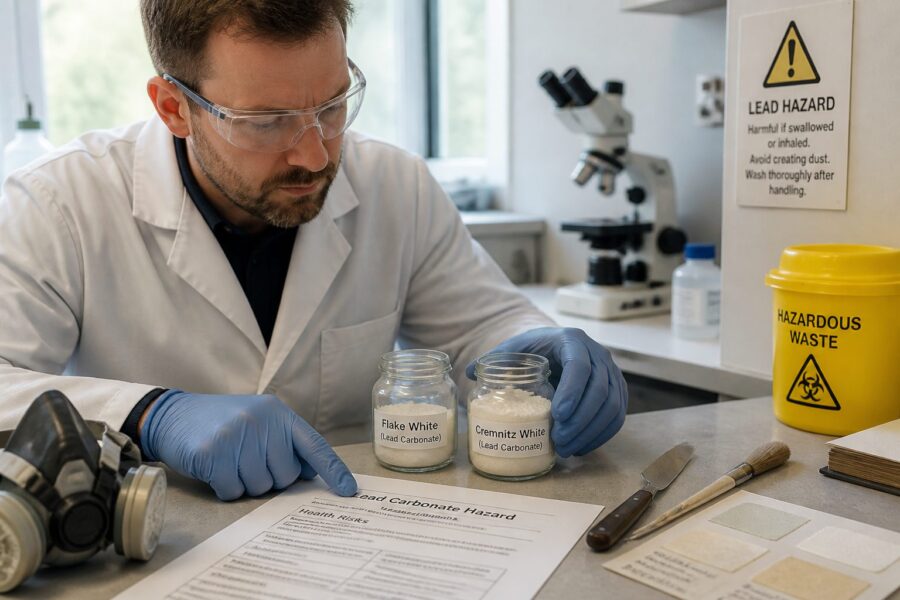
Flake white and Cremnitz white are both historically significant lead-based pigments that have been favored by artists for centuries due to their unique qualities and characteristics. These pigments are not only known for their brilliant whiteness but also for their exceptional opacity and the buttery consistency that allows for smooth application, making them ideal choices for oil painting, which remains a popular medium among contemporary creators despite the known health risks associated with the use of lead pigments that have been documented over the years.
Flake white, a form of lead carbonate, offers a brilliant whiteness and a buttery consistency, making it ideal for oil painting, as it provides a depth of color and richness that many artists seek in their work. Cremnitz white, another lead carbonate pigment, is recognized for its slightly warmer tone and is often preferred by artists for its historical authenticity, particularly in conservation practices where maintaining the original appearance of artworks is of utmost importance.
Despite the advances in safe pigment alternatives that have emerged over recent years, many artists remain loyal to these lead-based options, often citing the unique qualities they bring to their work that cannot be easily replicated by modern substitutes. This loyalty to traditional materials raises significant concerns about the health risks linked to lead pigment exposure, as many artists may not fully understand the potential dangers associated with prolonged use of these substances in their creative processes.
Lead Carbonate Chemistry and Its Biological Reactivity
Lead carbonate, the primary compound in both flake white and Cremnitz white, is a white lead pigment that reacts in various biological environments due to its chemical properties and structure. The chemical structure of lead carbonate allows it to be absorbed through different pathways in the body, which can lead to significant health implications for those who frequently handle these materials, particularly artists who may be exposed to them over extended periods.
When lead carbonate is ingested or inhaled, it can enter the bloodstream and accumulate in soft tissues and bones, leading to a potentially dangerous build-up of lead in the body. This bioaccumulation poses serious health risks, particularly for artists who frequently handle these materials and may inadvertently expose themselves to harmful levels of lead over time through various absorption routes.
Lead’s reactivity is a double-edged sword; while it enhances the performance of pigments by providing rich color and excellent covering power, it also makes them hazardous to human health. Understanding the chemical behavior of lead carbonate is essential for recognizing its potential dangers in an artistic environment, allowing artists to take appropriate precautions to protect their health while still achieving their desired artistic effects.
In addition to its chemical interactions, lead carbonate can also form compounds with other elements, complicating its handling and increasing the potential for exposure. This complexity emphasizes the need for stringent safety measures when working with lead pigments to ensure that artists are not inadvertently putting themselves at risk while pursuing their creative endeavors.
The biological reactivity of lead carbonate should not be underestimated, as it is crucial to the health and safety of artists who work with these materials. Awareness of these factors can help in mitigating the risks associated with lead pigment use and empower artists to make safer choices in their practices.
Absorption Routes: Dermal, Inhalation, and Incidental Ingestion
Artists using flake white and Cremnitz white should be acutely aware of the various routes through which lead can be absorbed into the body, as these pathways can significantly impact their health over time. The three primary pathways for lead absorption are dermal absorption, inhalation, and incidental ingestion, all of which pose unique risks to artists working with lead-based pigments.
Dermal absorption occurs when lead dust or pigment particles come into direct contact with the skin, allowing lead to enter the bloodstream through the skin’s barrier, which can happen easily during the mixing and application of paints. Inhalation of lead dust is another significant concern, particularly when pigments are ground or mixed, as tiny particles can become airborne and be inhaled, leading to respiratory exposure and subsequent health risks.
| Absorption Route | Risk Factors | Safety Measures |
|---|---|---|
| Dermal | Direct skin contact with lead dust | Wear gloves and protective clothing |
| Inhalation | Breathing in lead dust during mixing | Use a respirator and ensure ventilation |
| Incidental Ingestion | Swallowing lead dust from hands | Practice good hygiene; wash hands regularly |
| Environmental | Lead particles in the studio air | Maintain a clean workspace |
Incidental ingestion can occur when artists eat or touch their face after working with lead pigments without washing their hands, inadvertently transferring lead particles to their mouth. Awareness of these absorption routes is critical for minimizing exposure to lead pigment toxicity, as understanding how lead can enter the body can help artists take preventative measures against potential health risks.
Blood Lead Level Thresholds and Their Health Implications
Monitoring blood lead levels is essential for individuals working with lead-based pigments to ensure their health and safety, as elevated lead levels can have serious consequences. The Centers for Disease Control and Prevention (CDC) has established a reference level of 3.5 µg/dL for adults, above which health interventions are recommended to mitigate the risks of lead exposure.
Even at low levels, lead can have detrimental effects on various bodily systems, making regular monitoring crucial for artists who handle lead pigments in their work. Understanding these thresholds empowers artists to make informed decisions regarding their safety when using lead pigments, allowing them to assess their exposure levels and take necessary precautions.
Regular blood tests can help detect elevated lead levels early, preventing more severe health consequences that can arise from chronic exposure to lead. This proactive approach is vital for anyone handling flake white or Cremnitz white pigments, as early detection can lead to timely interventions and reduce the risk of long-term health issues.
Staying informed about blood lead level thresholds can aid in creating a safer working environment for artists, as knowledge is a powerful tool in the fight against lead exposure. Artists should consult healthcare professionals for guidance on testing and health management concerning lead exposure, ensuring they remain vigilant about their health while pursuing their creative passions.
As awareness of lead exposure increases, artists must prioritize their health by monitoring blood lead levels regularly, as this practice is essential for long-term health and well-being in a creative profession that often involves the handling of hazardous materials. By taking these proactive steps, artists can not only protect themselves but also advocate for safer practices within the artistic community.
Neurological Effects of Low-Level Chronic Lead Exposure
Chronic exposure to low levels of lead has been linked to various neurological effects that can impact artists significantly, affecting their ability to create and express themselves fully. Symptoms can include cognitive impairment, mood disorders, and reduced motor skills, all of which can hinder creative expression and even impact an artist’s professional career.
Research indicates that even minor lead exposure can lead to long-term neurological impairment, which can affect both professional performance and quality of life over time. Artists who work with lead pigments should be vigilant about the potential cognitive consequences of their materials, as even small amounts can accumulate and result in significant health issues.
Neurological health is paramount for artists, as creativity often relies on cognitive function and emotional stability, making it essential for artists to understand the risks associated with lead exposure. Understanding these risks can encourage safer practices in artistic environments, promoting a culture of health and safety among creatives.
Increased awareness of lead’s neurological effects can promote healthier working conditions for artists, ultimately allowing them to focus on their craft without the burden of health-related concerns. This knowledge can also foster a greater appreciation for non-toxic alternatives in artistic practices, encouraging artists to explore safer options while maintaining their artistic vision.
Ultimately, understanding the neurological implications of lead exposure is essential for maintaining an artist’s ability to create effectively and sustainably. Safer practices can lead to healthier lives and more sustainable art-making processes, ensuring that artists can continue to contribute to the creative community for years to come.
Reproductive and Developmental Toxicity of Lead Compounds
Lead exposure poses significant reproductive and developmental risks, particularly for artists who may be pregnant or planning to conceive in the near future. Studies have shown that lead can affect fertility, pregnancy outcomes, and fetal development, raising important concerns for those working with lead pigments in their artistic practices.
Lead compounds can cross the placenta and affect the developing fetus, leading to potential long-term health issues that can manifest later in life. Therefore, artists must exercise caution when working with lead pigments, particularly in reproductive contexts, as the health of both the artist and their future children could be at risk due to exposure to these toxic materials.
- Potential infertility
- Miscarriage risks
- Low birth weight
- Developmental delays
- Neurological impairments in children
Establishing a safe working environment is critical for artists, especially those who are pregnant or nursing, as exposure to harmful substances can have profound implications for both mother and child. Understanding the reproductive risks associated with lead exposure is vital for ensuring the health of both the artist and their future children, allowing for informed choices that prioritize safety and well-being.
By prioritizing safety and awareness, artists can mitigate the risks associated with lead pigment toxicity and create a healthier working environment for themselves and their peers. This consciousness contributes to a healthier and more sustainable artistic community, where the well-being of individuals is valued alongside the pursuit of creativity.
Safe Handling Protocol for Artists Working With White Lead Pigments
Establishing safe handling protocols is essential for artists using flake white and Cremnitz white, as these guidelines can significantly reduce the health risks associated with lead pigment exposure during creative activities. By adhering to these protocols, artists can protect themselves while still enjoying the vibrant qualities that lead pigments provide to their work.
Artists should always wear protective gear, including gloves and masks, when handling lead-based pigments to minimize the risk of exposure through skin contact or inhalation. Additionally, maintaining a clean workspace and using designated tools for lead pigments can further minimize exposure and help create a safer artistic environment.
Regular cleaning routines, including vacuuming and dusting, can help control lead dust levels in the studio, ensuring that artists are not inadvertently breathing in harmful particles. Artists should also consider using wet cleaning methods to prevent dust from becoming airborne during their work, further reducing the potential for exposure.
Implementing a strict no-eating policy in the working area is vital for preventing incidental ingestion of lead, as this can occur easily if artists do not take proper precautions. Artists should wash their hands thoroughly after handling pigments to avoid transferring lead to their mouths or food, which can lead to both acute and chronic health issues.
By following these safe handling protocols, artists can enjoy the benefits of white lead pigments while minimizing health risks associated with their use. Awareness and care are key components of a safe artistic practice that values both creativity and personal health.
Ventilation and Respiratory Protection Specific to Lead Dust
Proper ventilation is crucial for artists working with lead-based pigments to minimize inhalation risks associated with lead dust exposure. Ensuring good airflow can help disperse lead dust and decrease the likelihood of respiratory exposure, creating a safer working environment for artists who require optimal conditions for their creative processes.
Using exhaust fans and maintaining open windows can create a safer working environment for artists by allowing fresh air to circulate and reduce the concentration of harmful particles in the air. Additionally, wearing respirators specifically designed for lead dust can provide an extra layer of protection, helping to filter out harmful particles before they can be inhaled.
Investing in high-quality air filtration systems can significantly improve studio air quality, ensuring that artists are not breathing in toxic particles during their work. This investment is particularly important for artists who frequently use flake white or Cremnitz white, as consistent exposure to lead dust can pose serious health risks over time.
Regular checks and maintenance of ventilation systems will ensure their effectiveness in keeping the studio environment safe for artistic endeavors. A proactive approach to air quality can help mitigate the risks associated with lead pigment exposure, allowing artists to focus on their creativity without compromising their health.
Ultimately, effective ventilation and respiratory protection are critical components of lead pigment studio safety, as these measures can significantly reduce the risk of inhalation and other forms of exposure. By prioritizing these measures, artists can protect their health while enjoying the creative process and producing their artwork safely.
Legal Status and Restrictions on Lead White in Various Countries
The legal status of lead white pigments varies significantly across different countries, reflecting growing awareness of their health risks and potential dangers. Many countries have imposed strict regulations or outright bans on the use of lead pigments in art materials, aiming to protect artists and the general public from the harmful effects of lead exposure.
In the United States, while there are no outright bans on the use of lead pigments, there are guidelines regulating the use and sale of lead-based products, which artists must navigate carefully. Artists should stay informed about local regulations to ensure compliance and safety, as understanding the legal landscape is essential for responsible artistic practice.
In the European Union, the use of lead in art materials has been heavily restricted, with strict labeling requirements in place to inform consumers of the potential hazards associated with lead pigments. Understanding these legal frameworks can help artists navigate their responsibilities regarding lead pigment use and make informed choices about their materials.
Artists must also be aware of the potential consequences of violating these regulations, which can include fines and health risks that may arise from continued exposure to lead. Staying informed about the legal landscape surrounding lead pigments is essential for safe artistic practice, as it empowers artists to take proactive measures to protect their health and comply with regulations.
Ultimately, understanding the legal status of lead white pigments empowers artists to make informed choices about their materials and practices. This knowledge is an essential aspect of lead pigment studio safety, ensuring that artists can create responsibly while minimizing their health risks.
Safer White Pigment Alternatives for Studio and Conservation Use
With the health risks associated with lead white pigments becoming increasingly clear, artists are actively seeking safer alternatives that do not compromise the quality of their work. Many modern white pigments provide comparable qualities in terms of opacity and durability without the toxicity associated with lead, allowing artists to create freely while prioritizing their health and safety.
Some popular alternatives include titanium dioxide, zinc oxide, and lithopone, which offer excellent opacity and durability, making them ideal choices for a wide range of artistic applications. These safer options are not only perfect for studio work but also for conservation practices, ensuring that artists can create without compromising their health or the integrity of their artwork.
Transitioning to non-toxic pigments can enhance an artist’s creative process while prioritizing safety, allowing them to experiment with new techniques and materials without the fear of health repercussions. By exploring safer alternatives, artists can maintain their artistic integrity and vision without the associated health risks of lead pigments that have been a concern for many years.
Ultimately, the shift towards safer white pigments aligns with a growing commitment to health and sustainability in the art community, reflecting a broader awareness of the importance of artist well-being. Embracing these alternatives can lead to a more responsible and environmentally conscious artistic practice, fostering a culture of safety and creativity that benefits everyone involved.


