
In the realm of art conservation, identifying the materials that constitute a work of art is paramount. This knowledge informs conservation strategies, authentication efforts, and our understanding of an artist’s practice. Among the arsenal of analytical techniques available, pyrolysis gas chromatography pigments/mass spectrometry (Py-GC/MS) stands out as a powerful tool for characterizing the organic components of historical pigments.
This method allows conservators and scientists to gain insights into the composition of pigments, binding media, and other organic materials present in artworks. By understanding these components, we can better preserve our cultural heritage for future generations.
This article will explore the principles, applications, and interpretation of pyrolysis gas chromatography pigments/mass spectrometry in the context of art conservation. We will examine how this technique aids in the identification of organic pigments, the analysis of binding media, and the overall characterization of artists’ materials.
Understanding Pyrolysis-Gas Chromatography/Mass Spectrometry
Pyrolysis-gas chromatography/mass spectrometry is an analytical technique used to identify the chemical composition of a substance. It is particularly useful for analyzing complex organic materials that are difficult to analyze by other methods.
The process involves heating a small sample of the material to a high temperature in the absence of oxygen, causing it to decompose into smaller, volatile fragments. These fragments are then separated by gas chromatography based on their boiling points and chemical properties.
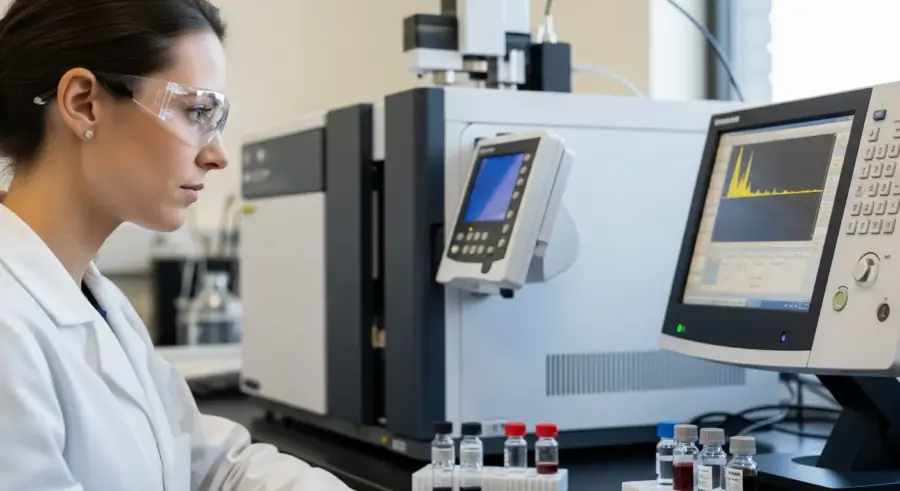
As each separated fragment elutes from the gas chromatography column, it enters a mass spectrometer, which measures its mass-to-charge ratio. This information is then used to identify the molecular structure of the fragment, providing a fingerprint of the original material.
The data generated from pyrolysis gas chromatography pigments/mass spectrometry analysis can be complex, but with careful interpretation, it can provide valuable insights into the composition of the sample. The technique is especially useful for identifying organic materials such as polymers, resins, and waxes, which are often used as binding media or additives in artists’ materials.
To further clarify, pyrolysis is the thermal decomposition of materials at elevated temperatures in an inert atmosphere. This process breaks down large, non-volatile molecules into smaller, volatile fragments suitable for gas chromatography.
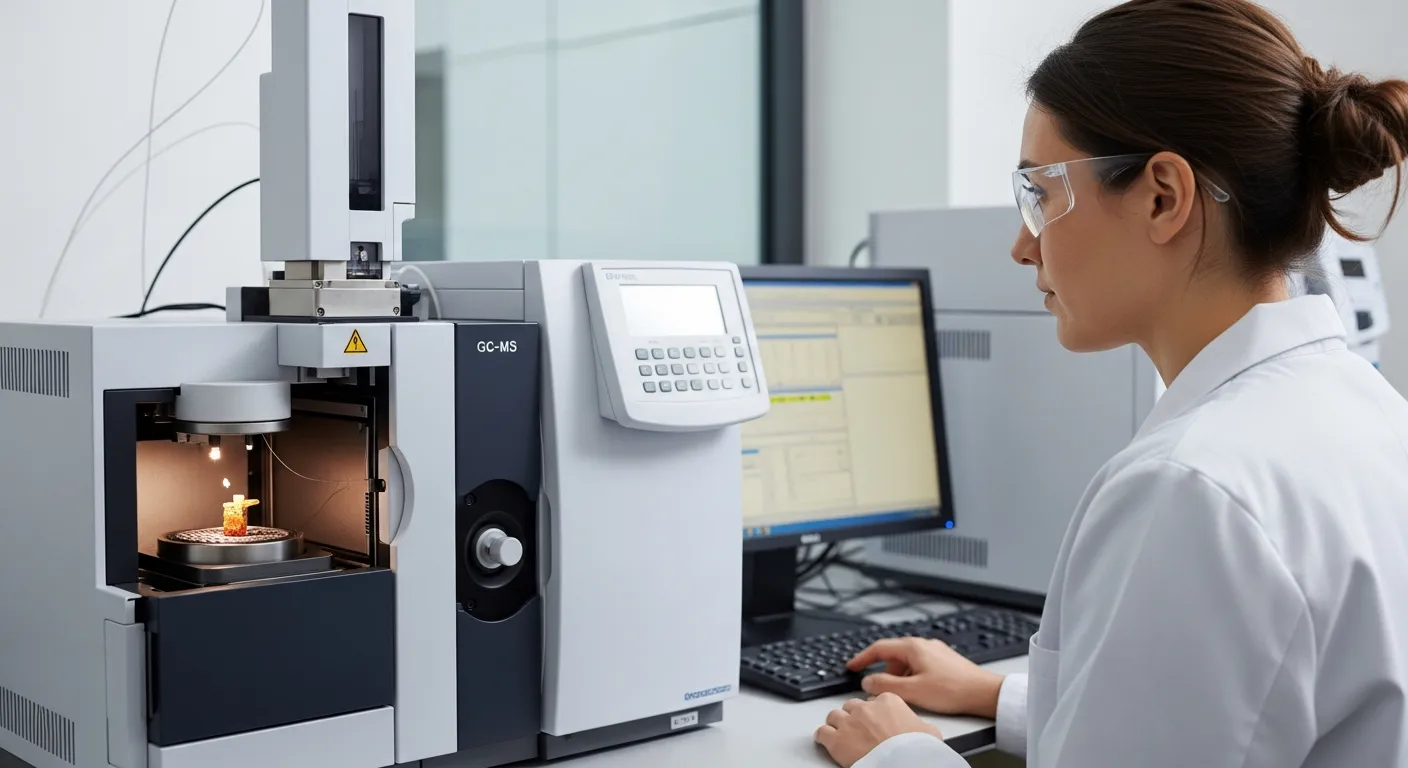
Gas chromatography (GC) then separates these fragments based on their physical and chemical properties, allowing for individual analysis. The separated components are carried by an inert gas through a column coated with a stationary phase.
The mass spectrometer (MS) then identifies these separated fragments by measuring their mass-to-charge ratio. This creates a unique “fingerprint” for each compound, which can be compared to libraries of known compounds for identification.
The combination of these three processes provides a powerful analytical tool for art conservators. It enables the identification of even trace amounts of organic materials within complex mixtures, which is crucial for understanding the composition and degradation of artworks.
Sample Preparation for Py-GC/MS Analysis
Proper sample preparation is crucial for accurate and reliable Py-GC/MS analysis. The goal is to obtain a representative sample of the material being analyzed while minimizing contamination.
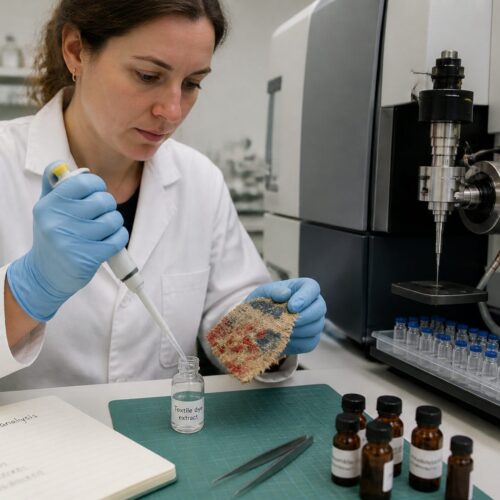
In the context of art conservation, this often involves taking a small sample from an area of the artwork that is representative of the material being studied. This can be achieved by carefully scraping a small amount of pigment from the surface of the artwork.
The size of the sample needed for Py-GC/MS analysis is typically very small, often in the microgram range. This is advantageous in art conservation, where minimizing the amount of material removed from the artwork is a priority.
Once the sample has been collected, it may need to be further prepared before analysis. This could involve dissolving the sample in a solvent, filtering out any insoluble particles, or concentrating the sample to increase the sensitivity of the analysis.
The selection of the sampling location is critical to ensure the results are representative of the whole. Conservators often choose areas that are damaged or have already undergone some form of alteration, minimizing further impact on the artwork.
The tools used for sampling must be meticulously cleaned to prevent cross-contamination between samples. Micro-scalpels, needles, and other specialized instruments are commonly used for precise sample extraction.
Solvent selection for dissolving the sample is also crucial, as it can affect the pyrolysis process. Solvents must be carefully chosen to ensure they do not interfere with the analysis or introduce unwanted compounds.
Finally, the sample preparation procedure should be documented thoroughly. This documentation is critical for ensuring the reproducibility of the analysis and for interpreting the results accurately.
Identifying Organic Components in Pigments
Py-GC/MS is particularly well-suited for identifying organic pigments, which are composed of carbon-based molecules. These pigments can be challenging to identify using other analytical techniques, such as X-ray fluorescence (XRF), which primarily detects inorganic elements.
By analyzing the pyrolysis products of an organic pigment, Py-GC/MS can provide a fingerprint that is unique to that pigment. This allows conservators to differentiate between different organic pigments, even if they have similar colors or chemical properties.
| Pigment Name | Chemical Class | Typical Pyrolysis Products |
|---|---|---|
| Madder Lake | Anthraquinone | Alizarin, Purpurin |
| Indigo | Indigoid | Indigotin, Isatin |
| Carmine | Anthraquinone | Carminic Acid, Flavokermesic Acid |
| Weld | Flavonoid | Luteolin, Resorcinol |
The identification of organic pigments is crucial for understanding the artist’s palette and the materials used in the artwork. This information can be used to inform conservation treatments and to authenticate the artwork.
For instance, the presence of a specific pigment can help to date an artwork or attribute it to a particular artist or region. Certain pigments were only available during specific periods or were characteristic of certain artistic schools.
Furthermore, identifying the pigments used can help conservators understand how the artwork will age and degrade over time. Some pigments are more susceptible to fading or discoloration than others, and this knowledge can inform conservation strategies.
Py-GC/MS can also be used to identify mixtures of pigments, which were often used by artists to create specific colors or effects. Analyzing the relative abundance of different pigments in a mixture can provide insights into the artist’s technique.
In some cases, Py-GC/MS can even be used to identify the source of a pigment. For example, the analysis of madder lake can reveal whether it was derived from the roots of the madder plant or from insects, such as kermes or cochineal.
Analyzing Binding Media and Additives
In addition to identifying pigments, pyrolysis gas chromatography pigments/mass spectrometry can also be used to analyze the binding media and additives present in artists’ materials. Binding media are the substances that hold the pigment particles together and adhere them to the support.
Common binding media include oils, resins, and proteins, each having distinct chemical compositions that can be identified through Py-GC/MS. Additives, such as plasticizers or stabilizers, may also be present and can provide further information about the formulation of the artists’ materials.
The analysis of binding media can provide insights into the artist’s technique and the aging processes that the artwork has undergone. For example, the identification of a specific type of oil, such as linseed oil or walnut oil, can reveal information about the artist’s choice of materials and their working methods.
Furthermore, the degradation products of binding media can provide clues about the environmental conditions to which the artwork has been exposed, such as temperature, humidity, and light. This information can be used to develop appropriate conservation strategies to mitigate further degradation.
The identification of the binding medium is crucial for understanding the physical properties of the paint layer. Different binding media have different refractive indices, which affect the appearance of the paint.
Additives are often used to modify the properties of the binding medium, such as its viscosity, drying time, or gloss. Identifying these additives can provide further insights into the artist’s working methods.
The analysis of degradation products can also reveal information about the history of the artwork. For example, the presence of specific degradation products can indicate whether the artwork has been exposed to pollutants or has undergone previous conservation treatments.
Understanding the composition and degradation of the binding medium is essential for developing appropriate conservation strategies. This knowledge can inform the selection of cleaning agents, consolidants, and other conservation materials.
Interpreting Py-GC/MS Data for Pigment Characterization
Interpreting Py-GC/MS data requires a thorough understanding of the pyrolysis behavior of different organic materials. Each compound produces a unique set of fragments when pyrolyzed, resulting in a characteristic mass spectrum.
By comparing the mass spectrum of an unknown sample to reference spectra of known compounds, it is possible to identify the components present in the sample. This process often involves the use of spectral libraries, which contain mass spectra of a wide range of organic compounds.
However, interpreting Py-GC/MS data can be challenging due to the complexity of the mixtures encountered in real-world samples. The presence of multiple components can lead to overlapping peaks and complex mass spectra, making it difficult to identify individual compounds.
To overcome these challenges, it is often necessary to use advanced data processing techniques, such as deconvolution and multivariate analysis. These techniques can help to separate overlapping peaks and to identify patterns in the data that are not readily apparent.
The analyst must possess a deep understanding of organic chemistry and mass spectrometry principles. This knowledge is essential for recognizing and interpreting the fragmentation patterns of different compounds.
Spectral libraries are invaluable resources, but they are not always comprehensive. The analyst must often rely on their own knowledge and experience to identify compounds that are not present in the libraries.
Deconvolution techniques are used to separate overlapping peaks by mathematically modeling the shape of each peak. This allows the analyst to identify and quantify the individual components of the mixture.
Multivariate analysis techniques, such as principal component analysis (PCA), can be used to identify patterns in the data and to distinguish between different samples. This can be useful for comparing the composition of different pigments or binding media.
Applications of Py-GC/MS in Art Conservation
Py-GC/MS has found numerous applications in art conservation, providing valuable information for the study and preservation of cultural heritage. One of the primary applications is the identification of pigments in paintings, illuminated manuscripts, and other works of art.
By identifying the pigments used by an artist, conservators can gain insights into their artistic practice, their sources of materials, and the historical context in which they worked. This information can be used to inform conservation treatments and to authenticate artworks.
- Identifying the presence of forgeries or later additions
- Understanding the degradation processes affecting the artwork
- Developing appropriate conservation strategies
- Reconstructing original recipes and techniques
- Studying the trade and distribution of artists’ materials
Another important application of Py-GC/MS is the analysis of binding media in paintings. The identification of the binding medium can provide information about the artist’s technique and the aging processes that the artwork has undergone.
Py-GC/MS can also be used to study the degradation of organic materials in artworks. This can help conservators understand how environmental factors, such as light, temperature, and humidity, affect the long-term stability of artworks.
The technique can be used to identify the presence of conservation treatments, such as varnishes or consolidants. This information can be useful for evaluating the effectiveness of previous conservation efforts and for planning future treatments.
Py-GC/MS is also used in the analysis of archaeological materials, such as textiles, wood, and bone. This can provide insights into the technology and trade of past cultures.
Moreover, this technique can be crucial in identifying the original materials used in historical artifacts. This knowledge aids in the proper restoration and preservation of these valuable pieces of history.
Case Studies: Py-GC/MS in Action
To illustrate the power of Py-GC/MS in art conservation, let’s examine a few case studies where this technique has been successfully applied. One example involves the analysis of pigments in a 15th-century Italian painting.
Py-GC/MS analysis revealed the presence of madder lake, a common red pigment made from the roots of the madder plant. The identification of madder lake helped to confirm the painting’s authenticity and to provide insights into the artist’s palette.
In another case study, Py-GC/MS was used to analyze the binding medium in a 17th-century Dutch painting. The analysis revealed the presence of linseed oil, a common binding medium used by Dutch masters.
Furthermore, the analysis identified the presence of degradation products of linseed oil, providing information about the aging processes that the painting had undergone. This information was used to develop a conservation strategy to stabilize the painting and prevent further degradation.
In a study of ancient Egyptian mummy portraits, Py-GC/MS was used to identify the pigments and binding media used in the paintings. The analysis revealed the use of beeswax as a binding medium, which was a common practice in ancient Egypt.
Another case involved the analysis of a collection of historical textiles. Py-GC/MS was used to identify the dyes used to color the textiles, providing insights into the trade and technology of the time.
In the conservation of a fragile illuminated manuscript, Py-GC/MS helped determine the composition of the inks and pigments. This allowed conservators to choose the safest and most effective methods for cleaning and preserving the delicate artwork.
These case studies demonstrate the versatility and power of Py-GC/MS in art conservation. The technique provides valuable information that can be used to study, preserve, and understand our cultural heritage.
Advantages and Limitations of Py-GC/MS
Py-GC/MS offers several advantages for the analysis of artists’ materials. It is a highly sensitive technique, requiring only small sample sizes.
It can provide detailed information about the chemical composition of organic materials, including pigments, binding media, and additives. It is also a versatile technique that can be applied to a wide range of materials and sample types.
However, Py-GC/MS also has some limitations. The interpretation of Py-GC/MS data can be challenging, requiring specialized expertise and access to spectral libraries.
The technique is destructive, as it involves heating the sample to high temperatures, which can alter its chemical composition. It is also not suitable for the analysis of inorganic materials, such as metals and minerals.
The cost of Py-GC/MS analysis can be relatively high, which may limit its accessibility for some conservation projects. The equipment is expensive to purchase and maintain, and the analysis requires skilled personnel.
The sample preparation process can be time-consuming and labor-intensive. Careful attention must be paid to avoid contamination and to ensure that the sample is representative of the material being analyzed.
The interpretation of data can be complicated by the presence of complex mixtures and degradation products. It may be difficult to identify all of the components present in a sample, especially if they are present in low concentrations.
Despite these limitations, Py-GC/MS remains a powerful and valuable tool for art conservation. Its advantages often outweigh its limitations, especially when used in conjunction with other analytical techniques.
Future Trends in Py-GC/MS for Art Analysis
The field of Py-GC/MS for art analysis is constantly evolving, with new developments and applications emerging regularly. One trend is the development of more sensitive and selective detectors, which can improve the ability to identify trace components in complex mixtures.
Another trend is the use of advanced data processing techniques, such as machine learning, to improve the interpretation of Py-GC/MS data. Machine learning algorithms can be trained to recognize patterns in the data that are not readily apparent to human analysts, allowing for more accurate and efficient identification of compounds.
Furthermore, there is growing interest in the development of non-destructive or micro-destructive sampling techniques, which can minimize the amount of material removed from artworks. These techniques include the use of laser ablation or solid-phase microextraction to extract samples for Py-GC/MS analysis.
As technology advances, pyrolysis gas chromatography pigments/mass spectrometry will likely play an increasingly important role in art conservation, providing valuable insights into the materials, techniques, and history of our cultural heritage.
The integration of Py-GC/MS with other analytical techniques, such as Raman spectroscopy and X-ray fluorescence, is also a promising trend. This multi-analytical approach can provide a more comprehensive understanding of the composition and degradation of artworks.
The development of portable Py-GC/MS instruments is another area of active research. Portable instruments would allow for on-site analysis of artworks, reducing the need to transport fragile objects to the laboratory.
The creation of more comprehensive spectral libraries is also an ongoing effort. These libraries would contain mass spectra of a wider range of organic compounds, making it easier to identify unknown components in complex mixtures.
The application of Py-GC/MS to the study of modern and contemporary art is also gaining momentum. This can help conservators understand the unique challenges associated with preserving these artworks, which often contain novel and unstable materials.
Conclusion
Pyrolysis gas chromatography pigments/mass spectrometry is a valuable tool for the chemical analysis and conservation of historical pigments. Its ability to identify organic components in complex mixtures makes it indispensable for understanding the composition of artists’ materials.
From identifying pigments and binding media to unraveling degradation processes, Py-GC/MS provides crucial information for preserving our cultural heritage. As technology advances, its role in art conservation will only continue to grow, offering new insights and solutions for safeguarding artworks for future generations.
By providing a deeper understanding of the materials and techniques used by artists throughout history, Py-GC/MS helps us to appreciate and protect our cultural heritage. Its continued development and application will undoubtedly lead to new discoveries and improved conservation practices.
The future of art conservation relies on the integration of advanced analytical techniques like Py-GC/MS. These tools empower conservators to make informed decisions and ensure the long-term preservation of our artistic legacy.