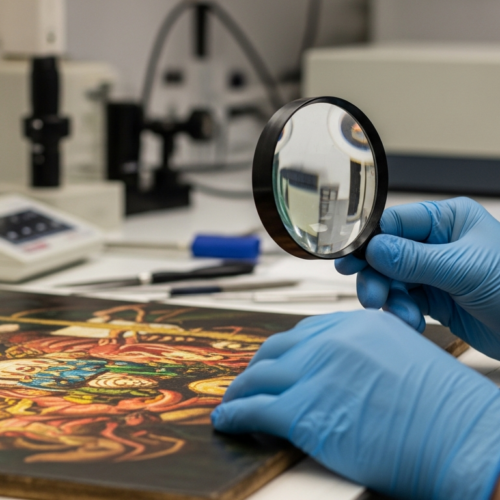


Zinc pigments have been used for centuries in various applications, ranging from artistic creations to industrial coatings. However, with their widespread use, concerns regarding the potential health hazards associated with these pigments have emerged, particularly concerning zinc pigment inhalation risks.
This article aims to explore the potential dangers of inhaling zinc pigment dust and provide practical measures to mitigate these risks. Understanding the zinc pigment inhalation risks is crucial for artists, conservators, and anyone working with these materials to protect their health and well-being.
We will discuss the common uses of zinc pigments, the potential health effects of inhaling zinc pigment dust, and the preventive measures that can be implemented to minimize exposure. By raising awareness and providing guidance on safe handling practices, we hope to promote a safer working environment for those who utilize zinc pigments.
Common Uses of Zinc Pigments in Art and Conservation
Zinc pigments have a long and storied history in the world of art, prized for their unique properties and versatility. Zinc oxide, for example, is frequently used in paints to impart whiteness and opacity, making it a staple in artists’ palettes.
Beyond its use in paints, zinc sulfide finds application in creating luminous effects, particularly in theatrical paints and special effects. These pigments offer a range of visual possibilities that artists and conservators have come to rely on.
In the realm of conservation, zinc pigments play a crucial role in preserving and restoring historical artworks. Zinc oxide is often incorporated into conservation treatments to consolidate fragile paint layers or to create protective coatings, ensuring the longevity of valuable pieces.
The lightfastness and stability of zinc pigments make them ideal for use in conservation, as they resist fading and discoloration over time, helping to maintain the original appearance of the artwork. Conservators carefully select and apply these pigments to ensure the authenticity and integrity of the restored piece.
Zinc pigments are also used in the production of colored pencils and pastels. They act as a base or extender for other pigments, influencing the texture and blending properties of these artistic mediums.

Furthermore, zinc pigments can be found in some types of printing inks, contributing to the vibrancy and durability of printed images. Their fine particle size and chemical stability make them suitable for this application.
The use of zinc pigments in art and conservation requires a deep understanding of their properties and potential interactions with other materials. Conservators must carefully consider the long-term effects of these pigments on the artwork being treated.
Artists also need to be aware of the potential health hazards associated with zinc pigments and take appropriate precautions to protect themselves. Safe handling practices are essential for both artists and conservators.
The Risks of Inhaling Zinc Pigment Dust
Inhaling zinc pigment dust, especially zinc oxide, poses several health risks that should not be taken lightly. The fine particles can easily become airborne during handling, mixing, or sanding, making inhalation a significant concern.
One of the primary risks associated with inhaling zinc pigment dust is the development of zinc fume fever, a flu-like illness caused by the body’s reaction to zinc oxide particles in the lungs. This condition can cause a range of uncomfortable symptoms and, in some cases, lead to more severe respiratory issues.
Chronic exposure to zinc oxide and pigment dust can also lead to long-term respiratory problems, such as bronchitis or asthma. The constant irritation of the airways can cause inflammation and damage, making it difficult to breathe and increasing susceptibility to respiratory infections.
Furthermore, studies have suggested a potential link between long-term exposure to zinc pigment dust and an increased risk of certain types of cancer. While more research is needed to fully understand this connection, it is essential to minimize exposure to zinc pigment dust to protect against potential carcinogenic effects.
The severity of the health effects from inhaling zinc pigment dust depends on several factors, including the concentration of the dust, the duration of exposure, and the individual’s susceptibility. People with pre-existing respiratory conditions may be more vulnerable to the harmful effects of zinc pigment dust.
It’s also important to note that the particle size of the zinc pigment dust plays a significant role in its potential to cause harm. Smaller particles can penetrate deeper into the lungs, increasing the risk of respiratory problems.
In addition to respiratory effects, some studies have suggested that long-term exposure to zinc pigment dust may also affect other organ systems, such as the nervous system. These effects are still being investigated, but it’s crucial to be aware of the potential for systemic toxicity.
Therefore, it’s crucial to implement effective control measures to minimize the risk of inhaling zinc pigment dust. These measures should include engineering controls, respiratory protection, and safe handling practices.
Symptoms of Zinc Fume Fever
Zinc fume fever presents with a variety of symptoms that can mimic those of the common flu, making it challenging to diagnose without considering exposure history. The onset of symptoms typically occurs within a few hours after exposure to zinc oxide fumes or pigment dust.
Common symptoms include fever, chills, muscle aches, headache, and a general feeling of malaise. These symptoms can range from mild to severe, depending on the level and duration of exposure.
| Symptom | Description | Onset |
|---|---|---|
| Fever | Elevated body temperature, often accompanied by chills. | Within hours of exposure |
| Chills | Shivering and feeling cold despite being in a warm environment. | Soon after fever begins |
| Muscle Aches | Pain and stiffness in muscles, similar to flu symptoms. | Alongside fever and chills |
| Headache | Pain in the head, ranging from mild to severe. | Concurrent with other symptoms |
| Malaise | A general feeling of discomfort, illness, or unease. | Throughout the duration of the fever |
| Nausea | Feeling sick to the stomach, sometimes leading to vomiting. | Can occur with more severe cases |
In addition to these flu-like symptoms, some individuals may experience respiratory symptoms such as coughing, shortness of breath, and chest tightness. These respiratory symptoms can be particularly concerning for those with pre-existing respiratory conditions.
Other less common symptoms of zinc fume fever may include a metallic taste in the mouth, throat irritation, and excessive sweating. These symptoms can further complicate the diagnosis of the condition.
It’s important to note that the symptoms of zinc fume fever are usually self-limiting and resolve within 24 to 48 hours after exposure ceases. However, in some cases, the symptoms can be more severe and require medical attention.
If you suspect that you have zinc fume fever, it’s essential to seek medical advice and inform your healthcare provider about your exposure history. Early diagnosis and treatment can help prevent complications and ensure a full recovery.
Prevention is always better than cure, so it’s crucial to implement effective control measures to minimize the risk of exposure to zinc pigment dust. This will help protect your health and prevent the development of zinc fume fever.
Engineering Controls to Reduce Zinc Dust Exposure
Implementing engineering controls is a proactive approach to minimizing zinc dust exposure in the workplace. These controls involve making physical changes to the work environment to reduce or eliminate hazards at the source.
One of the most effective engineering controls is the installation of local exhaust ventilation (LEV) systems. LEV systems capture dust and fumes at the point of generation, preventing them from dispersing into the air and being inhaled by workers.
Enclosing or isolating processes that generate zinc pigment dust can also significantly reduce exposure. This can involve using glove boxes or other containment systems to prevent dust from escaping into the work area.
Another useful engineering control is the use of wet methods to suppress dust. This involves applying water or other liquids to surfaces to prevent dust from becoming airborne during activities such as sanding or mixing.
Substitution of zinc-based pigments with less hazardous alternatives is another effective engineering control. Exploring alternative pigments with similar properties but lower toxicity can significantly reduce the risk of exposure.
Automating processes that generate zinc pigment dust can also minimize worker exposure. By using robots or automated equipment to perform tasks such as mixing or sanding, the need for direct human contact with the dust is reduced.
Regular maintenance and inspection of engineering controls are essential to ensure their continued effectiveness. LEV systems should be checked regularly to ensure that they are functioning properly, and any necessary repairs should be made promptly.
By implementing a combination of engineering controls, it is possible to create a safer and healthier work environment for those who handle zinc pigments. These controls should be prioritized over other measures, such as respiratory protection.
Respiratory Protection Options
When engineering controls are not sufficient to eliminate zinc pigment inhalation risks, respiratory protection becomes essential. Respirators provide a barrier between the worker’s respiratory system and the hazardous dust in the air.
The selection of an appropriate respirator depends on the concentration of zinc pigment dust in the air and the specific tasks being performed. It’s crucial to choose a respirator that is certified by the National Institute for Occupational Safety and Health (NIOSH) and fits properly.
- N95 respirators for low-level dust exposure
- Half-face respirators with P100 filters for higher concentrations
- Full-face respirators for maximum protection
- Powered air-purifying respirators (PAPRs) for extended use
- Ensure proper fit testing and maintenance
Proper training on the use, maintenance, and storage of respirators is crucial to ensure their effectiveness. Workers should be trained on how to properly don and doff the respirator, check the seal, and replace filters when necessary.
Fit testing is essential to ensure that the respirator fits properly and provides an adequate seal. A poorly fitting respirator will not provide adequate protection and may allow dust to leak into the breathing zone.
Respirators should be cleaned and disinfected regularly to prevent the growth of bacteria and fungi. Filters should be replaced according to the manufacturer’s instructions or more frequently if they become clogged or damaged.
It’s important to remember that respirators are only effective if they are used correctly and consistently. Workers should be encouraged to wear their respirators at all times when exposed to zinc pigment dust.
Respiratory protection should be considered a last resort after engineering controls have been implemented. Engineering controls are generally more effective and reliable than respiratory protection.
Monitoring Workplace Air Quality
Regular monitoring of workplace air quality is essential to assess the effectiveness of control measures and ensure worker safety. Air monitoring involves collecting and analyzing air samples to determine the concentration of zinc pigment dust present.
Air samples should be collected by qualified professionals using appropriate sampling methods and equipment. The results of air monitoring can be used to identify areas where exposure levels are too high and to implement additional control measures as needed.
In addition to air monitoring, regular workplace inspections can help identify potential sources of zinc pigment dust exposure. Inspections should focus on identifying areas where dust is being generated, such as during mixing, sanding, or cleaning activities.
Implementing a comprehensive air quality monitoring program can help create a safer and healthier work environment. This proactive approach can help prevent zinc fume fever and other respiratory illnesses associated with zinc pigment dust exposure.
Air monitoring should be conducted at regular intervals, as well as whenever there are changes in work practices or processes that could affect dust levels. This will ensure that the monitoring program remains effective over time.
The results of air monitoring should be communicated to workers so that they are aware of the exposure levels in their work areas. This will help them make informed decisions about their safety and take appropriate precautions.
Air monitoring data should be used to evaluate the effectiveness of engineering controls and respiratory protection programs. If exposure levels are too high, additional control measures may be needed.
A comprehensive air quality monitoring program should include both personal air sampling and area air sampling. Personal air sampling measures the exposure levels of individual workers, while area air sampling measures the overall dust levels in the workplace.
Safe Handling Practices for Zinc Pigments
Implementing safe handling practices is paramount when working with zinc pigments to minimize the risk of inhalation and other forms of exposure. These practices should be integrated into the daily routines of artists, conservators, and anyone else who handles these materials.
Always work in a well-ventilated area to ensure that any airborne dust is quickly dispersed. Open windows and doors, or use fans to create airflow and prevent the accumulation of dust in the breathing zone.
When mixing zinc pigments, use a slow-speed mixer to minimize the generation of dust. Avoid pouring pigments from a height, as this can create a cloud of dust that is easily inhaled.
Clean up spills and dust promptly using a HEPA vacuum or wet methods. Avoid sweeping or dry dusting, as these methods can re-suspend dust into the air.
Store zinc pigments in tightly sealed containers to prevent dust from escaping. Label containers clearly with the name of the pigment and any relevant hazard warnings.
Use dedicated tools and equipment for handling zinc pigments to prevent cross-contamination. Clean tools and equipment thoroughly after each use to remove any residual dust.
Avoid eating, drinking, or smoking in areas where zinc pigments are handled. This will prevent the ingestion of dust and reduce the risk of exposure.
Always wear appropriate personal protective equipment (PPE) when handling zinc pigments, including gloves, eye protection, and a respirator if necessary. PPE should be selected based on the specific tasks being performed and the level of exposure.
Hygiene Measures to Prevent Inhalation
Maintaining good personal hygiene is crucial for preventing the inhalation and ingestion of zinc pigment dust. Simple hygiene practices can significantly reduce the risk of exposure and protect your health.
Wash your hands thoroughly with soap and water after handling zinc pigments and before eating, drinking, or smoking. This will help remove any dust that may have settled on your skin and prevent it from being ingested.
Avoid touching your face, especially your mouth, nose, and eyes, while working with zinc pigments. This will prevent the transfer of dust from your hands to your respiratory system or digestive tract.
Change out of your work clothes before leaving the work area to prevent the spread of dust to your home or car. Launder work clothes separately from other clothing to avoid contaminating them.
Shower or wash your hair after working with zinc pigments to remove any dust that may have settled on your body. This is especially important if you have been working in a dusty environment.
Keep your fingernails short and clean to prevent dust from accumulating under them. This will help reduce the risk of ingesting dust when you eat or drink.
Use barrier creams or lotions to protect your skin from irritation and prevent dust from adhering to it. This can be especially helpful if you have sensitive skin.
Regularly clean and disinfect your work area to remove any accumulated dust. This will help create a cleaner and healthier work environment.
Training and Education for Workers
Providing comprehensive training and education to workers is essential for promoting safe handling practices and minimizing the risk of zinc pigment inhalation risks. Training should cover the hazards associated with zinc pigments, proper handling techniques, and the use of control measures and personal protective equipment.
Workers should be trained on how to recognize the symptoms of zinc fume fever and other respiratory illnesses associated with zinc pigment exposure. They should also be informed of the importance of reporting any symptoms to their supervisor or healthcare provider.
Training should be conducted regularly and updated to reflect any changes in work practices or regulations. This will ensure that workers are always up-to-date on the latest safety information and best practices.
In addition to formal training, providing workers with access to safety data sheets (SDS) and other relevant information can help them stay informed about the hazards of zinc pigments and how to protect themselves. This readily available information empowers them to make informed decisions about their safety.
Training should be interactive and engaging to ensure that workers understand and retain the information. Hands-on demonstrations and practice sessions can be particularly effective.
Training should be tailored to the specific tasks and processes that workers are involved in. This will ensure that the training is relevant and applicable to their work.
Training should be documented to provide a record of who has been trained and what topics have been covered. This documentation can be helpful for compliance purposes and for tracking the effectiveness of the training program.
Regular refresher training should be provided to reinforce safe handling practices and address any new hazards or concerns. This will help ensure that workers continue to follow safe work procedures.
Conclusion
Working with zinc pigments presents certain health risks, particularly concerning zinc pigment inhalation risks. By understanding these risks and implementing appropriate control measures, it is possible to minimize exposure and protect the health and well-being of workers.
Engineering controls, respiratory protection, air quality monitoring, safe handling practices, and proper hygiene measures all play a crucial role in creating a safer working environment. Through comprehensive training and education, we can empower workers to make informed decisions about their safety and promote a culture of prevention.
It is essential to remember that safety is a shared responsibility. Employers, workers, and healthcare professionals all have a role to play in preventing zinc pigment inhalation risks.
By working together, we can create a safer and healthier work environment for everyone who handles zinc pigments. This will help protect their health and ensure that they can continue to contribute to the art and conservation fields.