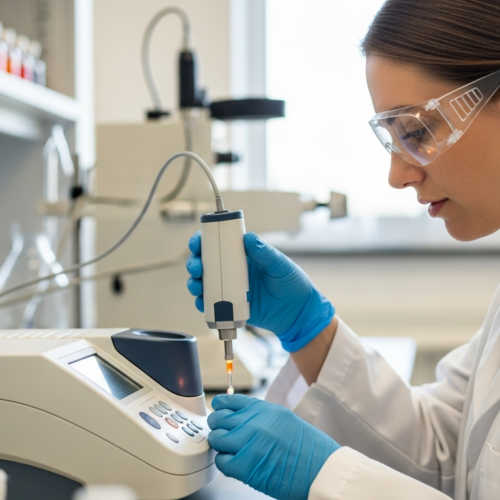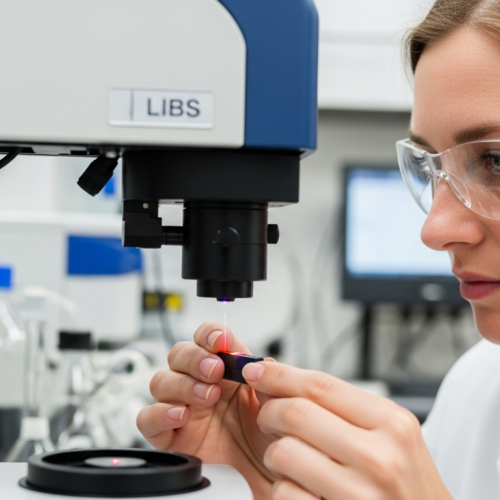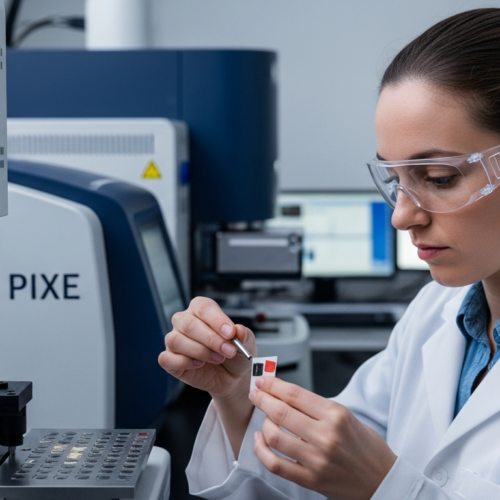


In the realm of art conservation, understanding the chemical composition of historical pigments is paramount. This understanding allows conservators to make informed decisions about preservation, restoration, and authentication. Ion chromatography pigment analysis offers a powerful method for identifying and quantifying water-soluble ions present in these pigments, providing insights into their origin, manufacturing processes, and degradation pathways.
This technique is particularly valuable for analyzing both anions and cations, which play significant roles in the behavior and stability of pigments over time. The ability to perform anion analysis and cation analysis makes ion chromatography an indispensable tool for conservators.
In this article, we will explore the principles of ion chromatography, sample preparation techniques, separation and detection methods, and its applications in identifying and quantifying ions in historical pigments. We will also discuss how ion chromatography aids in understanding pigment degradation and informing conservation strategies, especially when dealing with water-soluble pigments.
The Principles of Ion Chromatography
Ion chromatography (IC) is a type of liquid chromatography that separates ions and polar molecules based on their affinity to an ion exchange resin. The technique relies on the interaction between charged analytes in the sample and oppositely charged functional groups on the stationary phase.
The stationary phase consists of a resin with either positively charged (anion exchange) or negatively charged (cation exchange) functional groups. As the sample passes through the column, ions with a stronger affinity for the stationary phase will be retained longer, while those with weaker affinity will elute more quickly.
The separation is achieved by using a mobile phase, typically an aqueous solution containing a competing ion, which gradually displaces the bound ions from the stationary phase. The concentration and composition of the mobile phase can be carefully controlled to optimize the separation of different ions.
Once the ions are separated, they are detected using various methods, most commonly conductivity detection. This method measures the ability of the eluent to conduct an electrical current, which changes as different ions pass through the detector.
This change in conductivity is directly proportional to the concentration of the ion, allowing for quantitative analysis. The entire process is automated, which allows for high throughput and reproducible results.
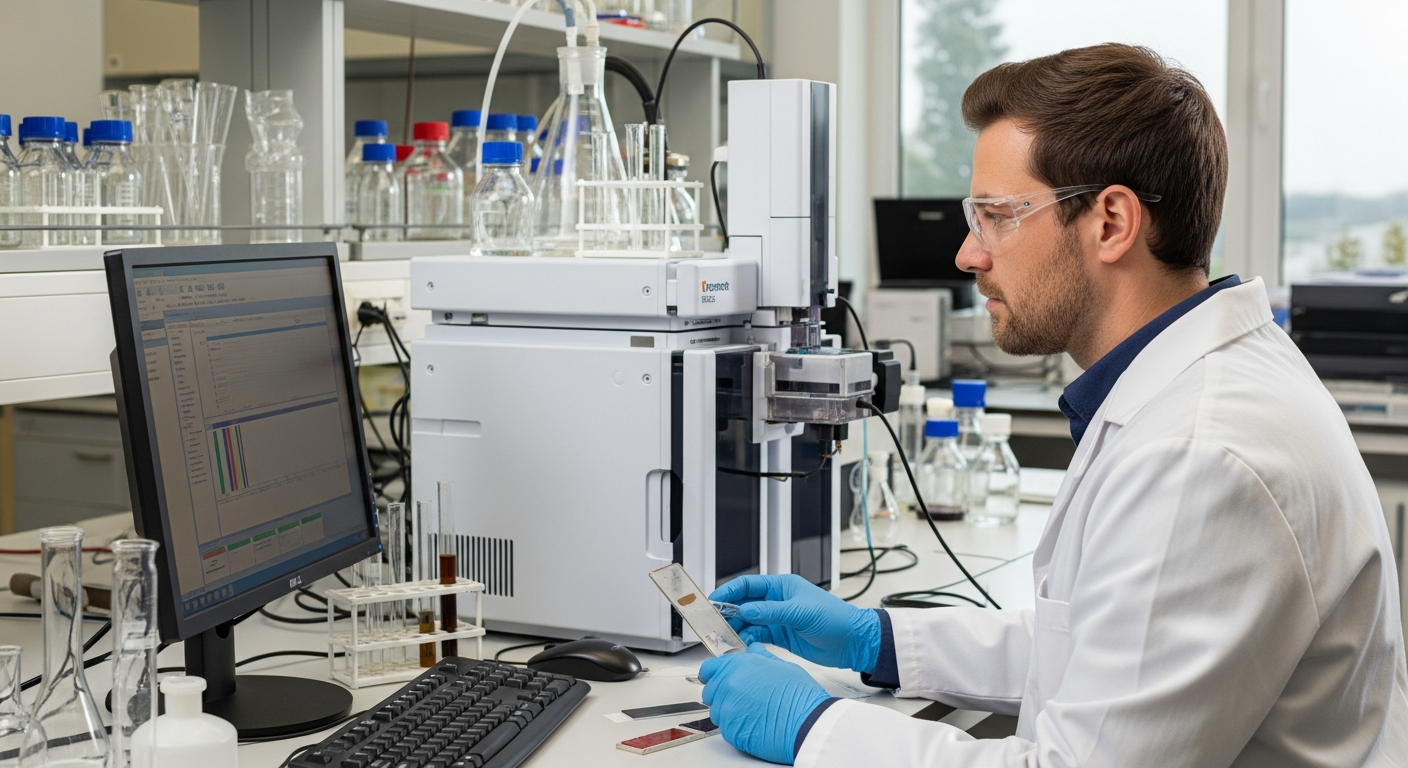
The choice of mobile phase is crucial for effective separation. Factors such as pH, ionic strength, and organic modifiers can influence the retention and selectivity of the ions.
Suppressor technology is often employed in ion chromatography to reduce the background conductivity of the eluent. This enhances the sensitivity of the detection and improves the signal-to-noise ratio.
The suppressor typically involves a chemical reaction that neutralizes the mobile phase ions, resulting in a lower background conductivity and improved detection limits. This is particularly important for analyzing trace levels of ions in complex samples.
Sample Preparation for Ion Chromatography
Proper sample preparation is critical for accurate and reliable ion chromatography pigment analysis. The goal is to extract the water-soluble ions from the pigment sample without altering their chemical composition or introducing contaminants.
One common method involves dissolving or suspending a small amount of the pigment in deionized water. The mixture is then sonicated or agitated to facilitate the dissolution of the ions.
Following extraction, the sample is typically filtered through a syringe filter with a pore size of 0.22 μm to remove any particulate matter that could damage the IC column or interfere with the analysis. This filtration step is essential to ensure the longevity and performance of the chromatographic system.
In some cases, a pre-concentration step may be necessary to increase the concentration of the target ions, particularly when dealing with very small or dilute samples. This can be achieved using solid-phase extraction (SPE) or other concentration techniques.
The selection of the extraction solvent is also crucial. While deionized water is the most common choice, other solvents such as dilute acids or bases may be used to enhance the extraction of specific ions.
However, these solvents must be carefully selected to avoid introducing interfering ions or altering the chemical composition of the sample. It is also important to consider the solubility of the pigment matrix in the extraction solvent.
The extraction process should be optimized to maximize the recovery of the target ions while minimizing the dissolution of the pigment matrix. This can be achieved by carefully controlling the extraction time, temperature, and solvent-to-sample ratio.
Solid-phase extraction (SPE) is a powerful technique for pre-concentrating and cleaning up samples prior to ion chromatography. SPE involves passing the sample through a cartridge containing a solid sorbent that selectively retains the target ions.
The retained ions are then eluted from the cartridge using a small volume of a suitable solvent, resulting in a concentrated and purified sample. SPE can significantly improve the sensitivity and accuracy of the IC analysis, especially for trace-level ions.
Separation and Detection of Ions
The separation of ions in ion chromatography is achieved using specialized columns packed with ion exchange resins. These resins contain charged functional groups that selectively bind to ions of opposite charge.
For anion analysis, the column is packed with a positively charged resin, while for cation analysis, a negatively charged resin is used. The choice of column depends on the specific ions of interest and the desired separation efficiency.
| Column Type | Target Ions | Mobile Phase |
|---|---|---|
| Anion Exchange | Chloride, Nitrate, Sulfate | Sodium Carbonate/Bicarbonate |
| Cation Exchange | Sodium, Potassium, Calcium | Nitric Acid/EDTA |
| Mixed-Bed | Both Anions and Cations | Combination of Buffers |
| Suppressor Column | Reduces Background Conductivity | Regenerant Solution |
The separated ions are then detected using various methods, with conductivity detection being the most common. Conductivity detectors measure the change in electrical conductivity of the eluent as ions pass through the detector cell.
Other detection methods include electrochemical detection, UV-Vis absorbance detection, and mass spectrometry (IC-MS), which provide additional information about the identity and concentration of the ions. IC-MS is particularly useful for identifying unknown ions or confirming the identity of known ions.
The choice of mobile phase is crucial for achieving optimal separation. The mobile phase must be compatible with the column and the detector, and it must effectively elute the target ions from the column.
Gradient elution is often used to improve the separation of complex mixtures of ions. Gradient elution involves gradually changing the composition of the mobile phase over time, which can improve the resolution of the peaks and reduce the analysis time.
Electrochemical detection is particularly useful for analyzing electrochemically active ions, such as halides and cyanide. This method involves measuring the current or potential generated by the oxidation or reduction of the ions at an electrode surface.
UV-Vis absorbance detection is suitable for analyzing ions that absorb ultraviolet or visible light. This method involves measuring the absorbance of the eluent at a specific wavelength as the ions pass through the detector cell.
Mass spectrometry (IC-MS) provides highly specific and sensitive detection of ions. This method involves ionizing the ions and measuring their mass-to-charge ratio. IC-MS can be used to identify unknown ions, confirm the identity of known ions, and quantify the concentration of ions in complex matrices.
Identifying Anions and Cations Present in Pigments
Ion chromatography pigment analysis is highly effective in identifying a wide range of anions and cations commonly found in historical pigments. Anions such as chloride, nitrate, sulfate, and acetate can provide valuable information about the pigment’s origin, manufacturing processes, and degradation history.
For example, the presence of chloride ions may indicate the use of sea salt during pigment production or exposure to marine environments. Nitrate ions can be associated with the use of nitrate-based mordants or degradation processes involving nitrogen oxides.
Similarly, cations such as sodium, potassium, calcium, and magnesium can provide insights into the raw materials used to create the pigment. The presence of calcium, for instance, may suggest the use of lime or chalk as a pigment component or extender.
The ratio of different cations can also be indicative of the pigment’s geographical origin or manufacturing technique. By comparing the ionic profile of a pigment sample to known standards, conservators can gain a better understanding of its provenance and authenticity.
The identification of anions and cations can also reveal information about the binding media used in the artwork. For example, the presence of oxalate ions may indicate the use of an egg tempera binding medium.
The presence of fatty acids, such as palmitic and stearic acid, may suggest the use of an oil-based binding medium. Ion chromatography can be used to analyze the ionic composition of the binding medium after it has been extracted from the artwork.
The identification of specific ions can also help to determine the age of the artwork. For example, the presence of certain radioactive isotopes, such as carbon-14, can be used to date the artwork.
Ion chromatography can be used to separate and quantify these radioactive isotopes, providing valuable information about the artwork’s age. This is particularly useful for authenticating artworks and determining their historical significance.
Quantitative Analysis using Ion Chromatography
Beyond qualitative identification, ion chromatography also allows for the quantitative determination of the concentrations of various ions in pigment samples. This quantitative data is crucial for understanding the extent of pigment degradation and for assessing the potential impact of conservation treatments.
To perform quantitative analysis, a series of standard solutions with known concentrations of the target ions are analyzed using the same IC method as the pigment samples. A calibration curve is then generated by plotting the peak area or height against the corresponding concentration for each standard.
The concentration of each ion in the pigment sample can be determined by comparing its peak area or height to the calibration curve. Accurate quantification requires careful attention to detail, including proper calibration, blank subtraction, and quality control measures.
By quantifying the levels of different ions, conservators can track changes in pigment composition over time, assess the effectiveness of conservation treatments, and predict the long-term stability of the artwork.
The accuracy of quantitative analysis depends on the quality of the standards and the calibration curve. It is important to use high-purity standards and to prepare the calibration curve carefully.
The calibration curve should cover the range of concentrations expected in the pigment samples. It is also important to run blank samples to correct for any background contamination.
Quality control measures should be implemented to ensure the accuracy and reliability of the quantitative data. This may include running control samples, performing replicate analyses, and participating in interlaboratory comparisons.
The quantitative data can be used to calculate the stoichiometry of the pigment. This information can be used to identify the pigment and to assess its purity. It can also be used to track changes in the pigment’s composition over time.
Applications in Pigment Degradation Studies
Ion chromatography plays a vital role in studying pigment degradation processes. Many pigments are susceptible to degradation due to environmental factors such as humidity, light, and pollutants.
These degradation processes often involve the formation or release of water-soluble ions, which can be detected and quantified using IC. For example, the degradation of lead-based pigments can lead to the formation of lead carbonates and lead sulfates, which can be identified and quantified using ion chromatography.
- Identify degradation products
- Quantify the extent of degradation
- Assess the impact of environmental factors
- Evaluate the effectiveness of conservation treatments
- Predict long-term stability
By monitoring the levels of these ions over time, conservators can gain insights into the mechanisms of pigment degradation and develop strategies to mitigate their effects. This information is essential for preserving the integrity and appearance of historical artworks.
Furthermore, ion chromatography can be used to assess the impact of conservation treatments on pigment stability. For instance, the application of a consolidant or protective coating may alter the rate of ion release from the pigment, indicating its effectiveness in preventing further degradation.
The degradation of pigments can also be influenced by the presence of other materials in the artwork, such as the binding medium or the support. Ion chromatography can be used to analyze these materials and to assess their impact on pigment degradation.
The information obtained from ion chromatography can be used to develop predictive models of pigment degradation. These models can be used to estimate the long-term stability of the artwork and to optimize conservation strategies.
The study of pigment degradation is essential for preserving our cultural heritage. Ion chromatography provides a powerful tool for understanding the mechanisms of pigment degradation and for developing strategies to mitigate their effects.
Case Studies and Examples
Several case studies demonstrate the practical applications of ion chromatography in the conservation of historical pigments. One study focused on the analysis of azurite pigments in medieval illuminated manuscripts.
Ion chromatography revealed the presence of sulfate ions, indicating the degradation of azurite to copper sulfate minerals. The quantitative data helped conservators assess the extent of degradation and select appropriate consolidation treatments.
Another case study involved the analysis of lead white pigments in 17th-century Dutch paintings. The presence of acetate ions suggested the use of lead acetate as a raw material in the pigment’s production.
Furthermore, the levels of lead carbonates and lead sulfates provided insights into the pigment’s degradation history and the impact of environmental factors. These examples highlight the diverse applications of ion chromatography in understanding the composition and degradation of historical pigments.
In another study, ion chromatography was used to analyze the pigments in a Roman wall painting. The analysis revealed the presence of chloride ions, which were attributed to the use of sea salt as a component of the plaster.
The chloride ions were found to be contributing to the degradation of the pigments, leading to the formation of efflorescence on the surface of the painting. Based on these findings, conservators were able to develop a treatment strategy to remove the chloride ions and stabilize the painting.
Ion chromatography has also been used to analyze the pigments in ancient Egyptian artifacts. The analysis revealed the presence of various ions, including sulfate, chloride, and nitrate, which provided insights into the manufacturing processes and the environmental conditions to which the artifacts had been exposed.
This information was used to develop appropriate conservation strategies to protect the artifacts from further degradation. These case studies demonstrate the wide range of applications of ion chromatography in the conservation of historical pigments and artifacts.
Advantages and Limitations of Ion Chromatography
Ion chromatography offers several advantages for the analysis of historical pigments. It is a highly sensitive and selective technique, capable of detecting and quantifying trace amounts of ions in complex matrices.
The method is also relatively simple and rapid, requiring minimal sample preparation and analysis time. Furthermore, ion chromatography can be used to analyze a wide range of anions and cations, providing a comprehensive picture of the pigment’s ionic composition.
However, ion chromatography also has some limitations. The technique is primarily suitable for water-soluble ions, and insoluble pigments may require more aggressive extraction methods, which could potentially alter the ionic composition.
Additionally, the interpretation of IC data can be challenging, particularly when dealing with complex mixtures of ions. Careful attention must be paid to potential interferences and matrix effects to ensure accurate and reliable results.
The sensitivity of ion chromatography can be affected by the presence of interfering ions. It is important to select the appropriate mobile phase and column to minimize these interferences.
The accuracy of quantitative analysis can be affected by matrix effects. Matrix effects occur when the presence of other components in the sample affects the response of the detector.
It is important to use matrix-matched standards to correct for matrix effects. The cost of ion chromatography equipment and supplies can be a limitation for some laboratories.
However, the benefits of ion chromatography often outweigh the costs, especially for applications where high sensitivity and selectivity are required. Despite these limitations, ion chromatography remains a valuable tool for the analysis of historical pigments.
Future Trends in Ion Chromatography for Pigment Analysis
The field of ion chromatography is continuously evolving, with new developments and applications emerging regularly. One promising trend is the use of hyphenated techniques, such as IC-MS and IC-ICP-MS, which combine the separation power of ion chromatography with the high sensitivity and elemental specificity of mass spectrometry.
These techniques offer enhanced capabilities for identifying and quantifying trace elements and organic ions in pigment samples. Another trend is the development of new stationary phases with improved selectivity and separation efficiency.
These new columns allow for the analysis of a wider range of ions and the separation of closely related compounds. Furthermore, advancements in data processing and software tools are making it easier to analyze and interpret complex IC data.
These future trends promise to further enhance the capabilities of ion chromatography for the analysis and conservation of historical pigments, including the study of water-soluble pigments.
The development of miniaturized IC systems is also a promising trend. These systems offer several advantages, including reduced sample and solvent consumption, faster analysis times, and portability.
Miniaturized IC systems are particularly well-suited for on-site analysis of pigments and artifacts. The use of artificial intelligence (AI) and machine learning (ML) is also emerging as a trend in ion chromatography.
AI and ML algorithms can be used to optimize separation conditions, identify unknown ions, and predict pigment degradation rates. These technologies have the potential to significantly improve the efficiency and accuracy of ion chromatography analysis.
The development of new detection methods is also an active area of research. These new methods aim to improve the sensitivity, selectivity, and versatility of ion chromatography. For example, researchers are developing new electrochemical detectors and optical sensors for the detection of specific ions.
Conclusion
Ion chromatography is a powerful analytical technique for identifying and quantifying anions and cations in historical pigments. Its ability to provide insights into pigment composition, manufacturing processes, and degradation pathways makes it an indispensable tool for art conservators.
By understanding the ionic profile of a pigment sample, conservators can make informed decisions about preservation, restoration, and authentication, especially when the pigment contains water-soluble pigments. The continued development of new IC techniques and applications promises to further enhance its capabilities in the field of art conservation.
From anion analysis to cation analysis, ion chromatography pigment analysis offers a comprehensive approach to understanding the chemical complexities of historical pigments. This knowledge is essential for preserving our cultural heritage for future generations.
As analytical techniques advance, the role of ion chromatography in art conservation will continue to expand, providing even deeper insights into the materials and processes used by artists throughout history. This will lead to more effective conservation strategies and a greater appreciation of our artistic heritage.
The combination of scientific analysis and artistic knowledge is crucial for the preservation of our cultural heritage. Ion chromatography provides a valuable bridge between these two disciplines, enabling conservators to make informed decisions based on sound scientific principles.