
In the realm of art conservation, preserving historical pigments presents a unique set of challenges. These pigments, often derived from natural sources, are susceptible to degradation over time, leading to alterations in color and composition.
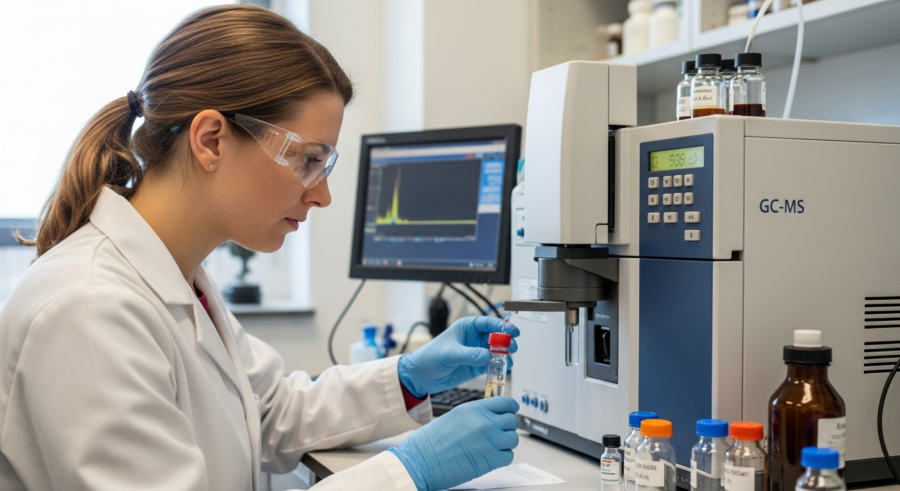
Understanding the chemical makeup of these pigments is crucial for effective conservation strategies. One powerful technique employed for this purpose is gas chromatography mass spectrometry pigments, or GC-MS.
This analytical method allows conservators to identify and quantify the organic components present in historical pigments. By carefully analyzing these components, we can gain insights into the original materials and techniques used by artists.
Understanding Gas Chromatography and Mass Spectrometry
Gas chromatography (GC) is a separation technique used to separate volatile organic compounds. The sample is vaporized and carried through a chromatographic column by an inert carrier gas.
Different compounds interact differently with the column’s stationary phase, causing them to elute at different times. Mass spectrometry (MS) is a detection technique that identifies compounds based on their mass-to-charge ratio.
The eluting compounds from the GC column enter the mass spectrometer, where they are ionized and fragmented. The resulting ions are then separated according to their mass-to-charge ratio, creating a unique mass spectrum for each compound.
By comparing these mass spectra to known standards, the identity and quantity of each compound can be determined. When combined, gas chromatography mass spectrometry pigments provides a robust method for analyzing complex mixtures of organic compounds, such as those found in historical pigments and organic binders.
The GC column itself is a critical component, often consisting of a long, narrow tube coated with a stationary phase. This stationary phase can be either a solid or a liquid, and its chemical properties determine which compounds will interact more strongly and thus be retained longer in the column.
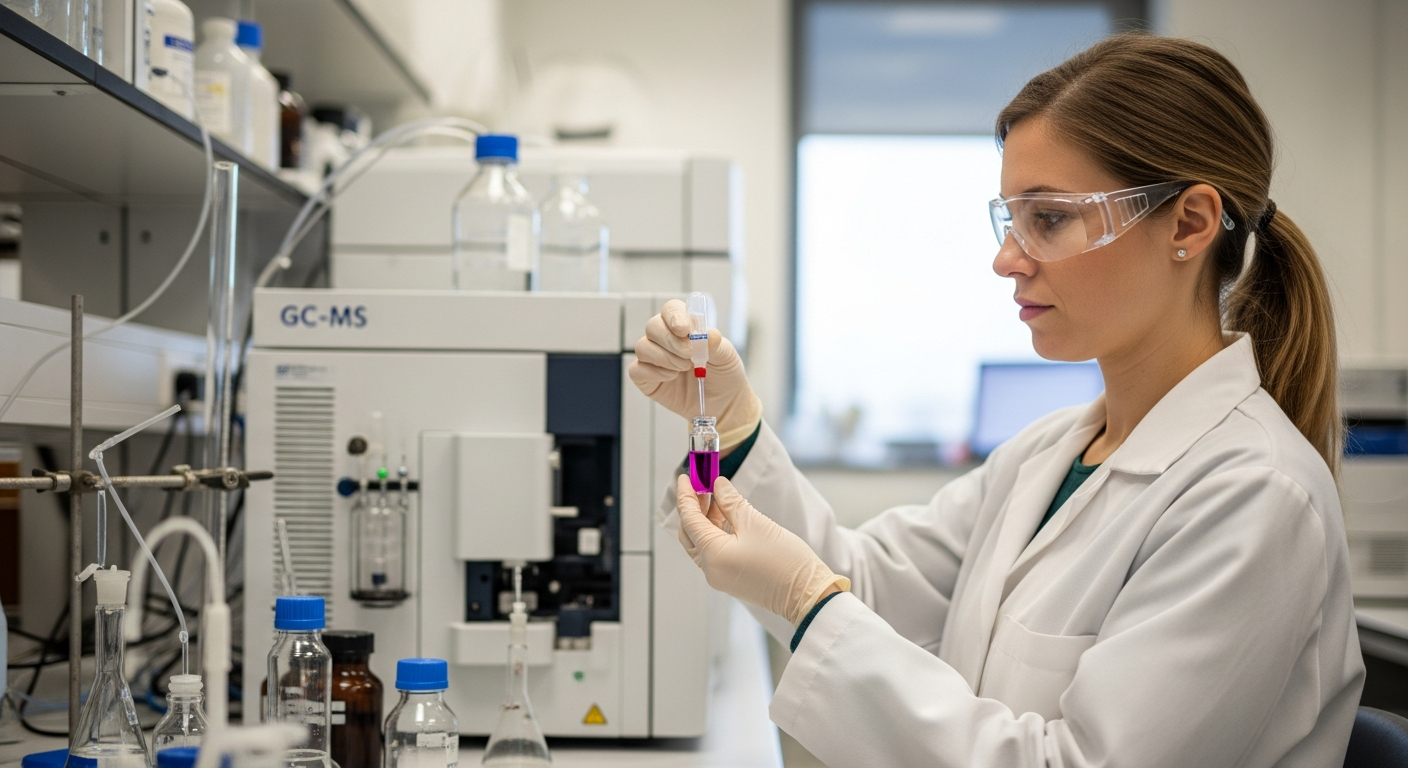
The carrier gas, typically helium or hydrogen, must be pure and inert to avoid interfering with the separation process. The temperature of the GC column is carefully controlled to optimize the separation of the compounds in the sample.
In the mass spectrometer, ionization is achieved through various methods, such as electron ionization (EI) or chemical ionization (CI). Electron ionization is a common technique where the molecules are bombarded with electrons, causing them to lose electrons and form positive ions.
These ions then fragment into smaller ions, creating a unique fragmentation pattern that can be used to identify the original molecule. The mass-to-charge ratio is measured using a mass analyzer, such as a quadrupole, time-of-flight (TOF), or ion trap analyzer.
Each type of mass analyzer has its own advantages and disadvantages in terms of resolution, sensitivity, and mass range. The resulting mass spectrum is a plot of ion abundance versus mass-to-charge ratio, providing a fingerprint of the compound.
Preparing Pigment Samples for GC-MS Analysis
Proper sample preparation is essential for accurate and reliable GC-MS analysis of pigments. The process begins with carefully selecting a representative sample from the artwork or artifact.
This often involves taking a small scraping or swab from the pigmented area. The sample then undergoes a series of extraction and derivatization steps to prepare it for analysis.
Extraction involves dissolving the pigment sample in a suitable solvent to separate the organic components from the inorganic matrix. Common solvents include dichloromethane, ethyl acetate, and methanol, chosen based on their ability to dissolve the target compounds.
Derivatization is a chemical process that converts non-volatile compounds into volatile derivatives, making them suitable for GC analysis. Silylation is a common derivatization technique used to add trimethylsilyl (TMS) groups to compounds containing hydroxyl or carboxyl groups, increasing their volatility and stability.
The selection of the sampling method depends on the nature of the artwork and the type of analysis being performed. Non-invasive techniques, such as surface swabbing, are preferred when possible to minimize damage to the artwork.
However, in some cases, a small micro-sample may be necessary to obtain sufficient material for analysis. The amount of sample required for GC-MS analysis is typically very small, often in the microgram range.
This minimizes the impact on the artwork while still providing enough material for accurate analysis. The extraction process often involves sonication or agitation to enhance the dissolution of the organic components in the solvent.
The extract is then filtered to remove any particulate matter before being concentrated for analysis. Derivatization is typically performed by adding a derivatizing reagent to the extract and heating the mixture to promote the reaction.
The derivatized sample is then ready for injection into the GC-MS instrument. Careful control of the reaction conditions, such as temperature and reaction time, is essential to ensure complete derivatization and avoid the formation of unwanted byproducts.
Identifying Organic Components in Pigments
GC-MS is particularly useful for identifying organic components in pigments, such as dyes, resins, and oils. These organic materials can provide valuable information about the origin, manufacturing process, and age of the pigment.
For example, the presence of specific fatty acids can indicate the use of drying oils like linseed oil or walnut oil. Identifying these organic components is crucial for understanding the materials used by artists and for developing appropriate conservation strategies.
| Organic Component | Pigment Example | Significance |
|---|---|---|
| Fatty Acids | Oil-based pigments | Indicates the use of drying oils (e.g., linseed oil) |
| Resin Acids | Resin-based pigments | Identifies the type of resin used (e.g., pine resin, dammar resin) |
| Dyes | Organic dyes | Determines the specific dye used (e.g., madder, indigo) |
| Waxes | Wax-based pigments | Identifies the type of wax used (e.g., beeswax, carnauba wax) |
The identification of dyes can reveal the source of the pigment, such as the plant or insect from which it was derived. For example, madder is a red dye derived from the roots of the madder plant, while indigo is a blue dye derived from the leaves of the indigo plant.
The presence of specific resin acids can indicate the type of resin used as a binder or varnish. Pine resin, dammar resin, and mastic resin are all commonly found in historical artworks.
The analysis of waxes can reveal the use of beeswax, carnauba wax, or other types of waxes as additives or protective coatings. These organic components can also provide information about the degradation processes that have occurred over time.
For example, the presence of oxidation products of fatty acids can indicate the aging of oil-based paints. The identification of these degradation products can help conservators understand the condition of the artwork and develop appropriate conservation treatments.
Analyzing Binding Media and Additives
In addition to identifying the organic components of pigments, GC-MS can also be used to analyze the binding media and additives used in paints and other artistic materials. Binding media are the substances that hold the pigment particles together and adhere them to the support.
Common binding media include oils, resins, proteins, and gums. Additives are substances added to the paint to modify its properties, such as drying time, gloss, or viscosity.
By analyzing the composition of the binding media and additives, conservators can gain insights into the artist’s techniques and the aging behavior of the artwork. For example, the presence of specific protein markers can indicate the use of egg tempera or animal glue as a binding medium.
Similarly, the identification of specific resin acids can reveal the use of natural resins like dammar or mastic. The analysis of additives can also provide valuable information, such as the presence of plasticizers, stabilizers, or driers, which can affect the long-term stability of the artwork.
The analysis of proteinaceous binding media often involves hydrolysis to break down the proteins into their constituent amino acids. The amino acid composition can then be analyzed by GC-MS to identify the type of protein used.
For example, the presence of hydroxyproline is indicative of collagen, which is found in animal glue. The analysis of drying oils can reveal the presence of specific fatty acids, such as palmitic acid, stearic acid, oleic acid, and linoleic acid.
The relative proportions of these fatty acids can be used to identify the type of oil used, such as linseed oil, walnut oil, or poppyseed oil. The analysis of resinous binding media can reveal the presence of specific resin acids, such as abietic acid, pimaric acid, and sandaracopimaric acid.
These resin acids can be used to identify the type of resin used, such as pine resin, dammar resin, or mastic resin. The analysis of additives can reveal the presence of plasticizers, such as phthalates, which are added to improve the flexibility of the paint film.
Stabilizers, such as antioxidants, are added to prevent the degradation of the paint film. Driers, such as lead or cobalt salts, are added to accelerate the drying process.
Interpreting GC-MS Data for Pigment Characterization
Interpreting GC-MS data requires a thorough understanding of chromatography and mass spectrometry principles. The data is typically presented as a chromatogram, which is a plot of detector response versus time.
Each peak in the chromatogram represents a different compound that has been separated by the GC column. The area under each peak is proportional to the amount of that compound in the sample.
- Retention time analysis
- Mass spectra matching
- Database searching
- Isotope ratio analysis
- Quantitative analysis
Retention time analysis involves comparing the retention times of the peaks in the chromatogram to the retention times of known standards. The retention time of a compound is the time it takes for the compound to elute from the GC column.
Mass spectra matching involves comparing the mass spectrum of each peak in the chromatogram to the mass spectra of known compounds. This is typically done using a spectral library, which contains the mass spectra of thousands of compounds.
Database searching involves searching databases of chemical compounds to identify compounds that match the mass spectrum of each peak in the chromatogram. Isotope ratio analysis involves measuring the ratios of different isotopes of elements in the sample.
This can be used to determine the origin of the pigment or to identify the presence of adulterants. Quantitative analysis involves measuring the amount of each compound in the sample.
This is typically done by comparing the peak areas in the chromatogram to the peak areas of known standards. The interpretation of GC-MS data can be challenging, particularly for complex mixtures of organic compounds.
Applications of GC-MS in Art Conservation
GC-MS has a wide range of applications in art conservation, including the identification of pigments, binding media, and additives. It can also be used to study the degradation products of these materials, providing insights into the aging processes that affect artworks.
This information is crucial for developing appropriate conservation treatments and for predicting the long-term stability of artworks. For example, GC-MS can be used to identify the presence of degradation products like fatty acid soaps in oil paintings, which can lead to the formation of disfiguring surface blooms.
By understanding the mechanisms of degradation, conservators can develop targeted treatments to remove these degradation products and prevent their recurrence. In addition, GC-MS can be used to authenticate artworks by comparing the composition of the materials used to known historical recipes and techniques.
This can be particularly useful for detecting forgeries or identifying alterations made to artworks over time. GC-MS analysis can also help in understanding the provenance and trade routes of pigments and other artistic materials.
The identification of specific pigments can provide clues about the origin of the artwork and its cultural context. For example, the presence of ultramarine, a blue pigment derived from lapis lazuli, can indicate that the artwork was created in a region where lapis lazuli was traded.
The analysis of binding media can provide insights into the artist’s techniques and the materials that were available to them. The identification of additives can reveal the use of specific recipes or techniques that were common in a particular time period or region.
GC-MS can also be used to monitor the effectiveness of conservation treatments. By analyzing the composition of the artwork before and after treatment, conservators can assess whether the treatment has been successful in removing degradation products or stabilizing the materials.
This can help to ensure that the conservation treatment is not causing any unintended damage to the artwork. The use of GC-MS in art conservation is constantly evolving, with new applications being developed all the time.
Case Studies: GC-MS in Action
Several case studies demonstrate the power of GC-MS in art conservation. One notable example is the analysis of pigments from ancient Egyptian artifacts.
GC-MS was used to identify the organic components of the pigments, revealing the use of materials such as madder, indigo, and beeswax. This information provided insights into the trade routes and artistic practices of ancient Egypt.
Another case study involves the analysis of binding media from Renaissance paintings. GC-MS was used to identify the types of oils and resins used by artists such as Leonardo da Vinci and Raphael.
The analysis revealed the use of linseed oil, walnut oil, and pine resin, providing valuable information about the artists’ techniques and the aging behavior of their paintings. GC-MS has also been used to study the degradation of modern synthetic pigments in contemporary artworks.
In the study of ancient Egyptian artifacts, the identification of beeswax suggested its use as a binder or protective coating. The presence of madder and indigo, natural dyes, indicated the sophisticated dyeing techniques employed by ancient Egyptians.
In the Renaissance painting analysis, variations in the ratios of linseed oil and walnut oil were observed, potentially reflecting different drying properties desired by the artists. The identification of pine resin provided insights into the varnishing techniques used to protect the paintings.
The study of modern synthetic pigments revealed the degradation pathways of these materials, which are different from those of traditional pigments. This information is crucial for developing appropriate conservation strategies for contemporary artworks.
Another interesting case study involved the analysis of inks from historical documents. GC-MS was used to identify the organic components of the inks, revealing the use of materials such as gallic acid, tannin, and iron sulfate.
Advancements in GC-MS Technology
The field of GC-MS is constantly evolving, with new advancements in technology improving its sensitivity, resolution, and versatility. One recent advancement is the development of comprehensive two-dimensional gas chromatography mass spectrometry (GCxGC-MS).
This technique provides enhanced separation of complex mixtures, allowing for the identification of even trace amounts of organic compounds. Another advancement is the development of high-resolution mass spectrometry (HRMS), which provides more accurate mass measurements, improving the confidence of compound identification.
These advancements are expanding the capabilities of GC-MS in art conservation, allowing for more detailed and comprehensive analysis of historical pigments and artistic materials. The development of portable GC-MS instruments is also enabling on-site analysis of artworks, reducing the need for sample removal and transport.
This is particularly beneficial for fragile or immovable artworks, allowing conservators to gather valuable information without risking damage. The integration of GC-MS with other analytical techniques, such as infrared spectroscopy and Raman spectroscopy, is also providing a more holistic approach to art conservation research.
GCxGC-MS involves using two GC columns with different stationary phases, providing a more orthogonal separation of the compounds in the sample. This results in a two-dimensional chromatogram, which can be much easier to interpret than a traditional one-dimensional chromatogram.
HRMS provides mass measurements with an accuracy of parts per million (ppm), allowing for the unambiguous identification of compounds. Portable GC-MS instruments are becoming increasingly popular, as they allow for on-site analysis of artworks without the need for sample preparation.
This can save time and reduce the risk of contamination or degradation of the sample. The integration of GC-MS with other analytical techniques, such as infrared spectroscopy and Raman spectroscopy, provides complementary information about the composition of the artwork.
Infrared spectroscopy provides information about the functional groups present in the sample, while Raman spectroscopy provides information about the molecular vibrations. By combining these techniques, conservators can obtain a more complete picture of the composition of the artwork.
Challenges and Limitations
While GC-MS is a powerful technique, it also has some limitations. One limitation is the need for sample preparation, which can be time-consuming and may introduce errors.
The extraction and derivatization steps can also alter the composition of the sample, potentially leading to inaccurate results. Another limitation is the destructive nature of the technique, which requires the removal of a small sample from the artwork.
This can be a concern for rare or valuable artworks, where any sampling is undesirable. The interpretation of GC-MS data can also be challenging, particularly for complex mixtures of organic compounds.
It requires a thorough understanding of chromatography and mass spectrometry principles, as well as access to comprehensive spectral libraries. The availability of reference standards for all possible compounds is also a limitation, as some historical materials may not be well-characterized.
The sample preparation process can be optimized to minimize the risk of errors or alterations to the sample. Non-destructive or micro-destructive sampling techniques can be used to minimize the impact on the artwork.
Advanced data processing techniques, such as deconvolution and chemometrics, can be used to improve the interpretation of complex GC-MS data. The development of comprehensive spectral libraries and databases is ongoing, which will improve the accuracy and reliability of compound identification.
Collaboration between art conservators, chemists, and other scientists is essential to overcome these challenges and limitations. The use of multiple analytical techniques can provide complementary information and improve the overall accuracy of the analysis.
Ethical considerations are also important when using GC-MS in art conservation. The potential impact of sampling on the artwork must be carefully considered, and the benefits of the analysis must outweigh the risks.
Conclusion
GC-MS is an indispensable tool for the chemical analysis and conservation of historical pigments. Its ability to identify and quantify organic components provides valuable insights into the materials and techniques used by artists throughout history.
By understanding the composition and degradation of these materials, conservators can develop effective strategies for preserving our cultural heritage. As technology continues to advance, GC-MS will undoubtedly play an even greater role in the field of art conservation, helping us to protect and understand the artistic achievements of the past.
The continued development of new and improved GC-MS techniques will further enhance its capabilities and expand its applications in art conservation. The integration of GC-MS with other analytical techniques will provide a more comprehensive understanding of the materials and techniques used by artists.
Collaboration between art conservators, scientists, and other experts is essential to ensure the effective and ethical use of GC-MS in art conservation. By working together, we can protect and preserve our cultural heritage for future generations.
The knowledge gained from GC-MS analysis can also inform the development of new conservation materials and techniques. This will help to ensure that conservation treatments are effective and do not cause any unintended damage to artworks.