

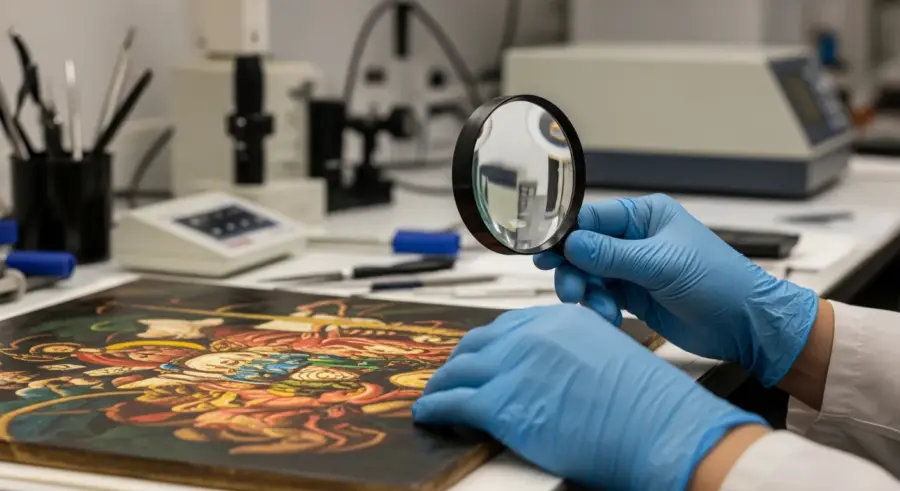
The allure of vibrant colors in historical artworks often hides a darker reality. Many pigments used by artists throughout history contained toxic substances, posing significant health risks to both the artists themselves and those involved in the conservation of these works. One such group of pigments is those containing antimony, a heavy metal with a history of causing severe poisoning.
This article aims to shed light on the dangers associated with antimony pigment poisoning, providing a comprehensive overview of its historical use, toxicity, symptoms, and, most importantly, the necessary safety measures to prevent exposure. Understanding these risks is crucial for anyone working with historical pigments, ensuring the preservation of our artistic heritage without compromising personal health.
From the subtle hues of antimony white to the radiant yellows of Naples yellow, antimony pigments have graced countless masterpieces. However, their beauty masks a potential hazard that demands respect and informed handling. Let’s examine the historical context of these pigments and the inherent dangers they present.
The Historical Use of Antimony Pigments
Antimony pigments have a long and varied history, dating back to ancient civilizations. Antimony sulfide, for instance, was used as a cosmetic in ancient Egypt, while other antimony compounds found their way into medicines and even glass production.
In the realm of art, antimony compounds became popular as pigments, offering a range of colors that were highly valued. Antimony white, chemically antimony trioxide (Sb2O3), served as a white pigment, though it was never as widely used as lead white due to its lower opacity and tinting strength.
Naples yellow, a lead antimoniate (Pb(SbO3)2 or Pb3(SbO4)2), was prized for its bright, warm yellow hue. This pigment was particularly favored by European artists from the 15th century onwards, finding its place in paintings, ceramics, and even enamel work.
The use of these pigments continued for centuries, with various recipes and methods of preparation being documented in artists’ treatises. Despite growing awareness of the toxicity of certain pigments, such as lead white, antimony pigments remained in use, often without a full understanding of their potential health consequences.
The Egyptians utilized stibnite, a naturally occurring form of antimony sulfide, for eye makeup, creating a dark, kohl-like appearance. This practice highlights the early recognition of antimony’s coloring properties, even if its toxicity wasn’t fully understood at the time.
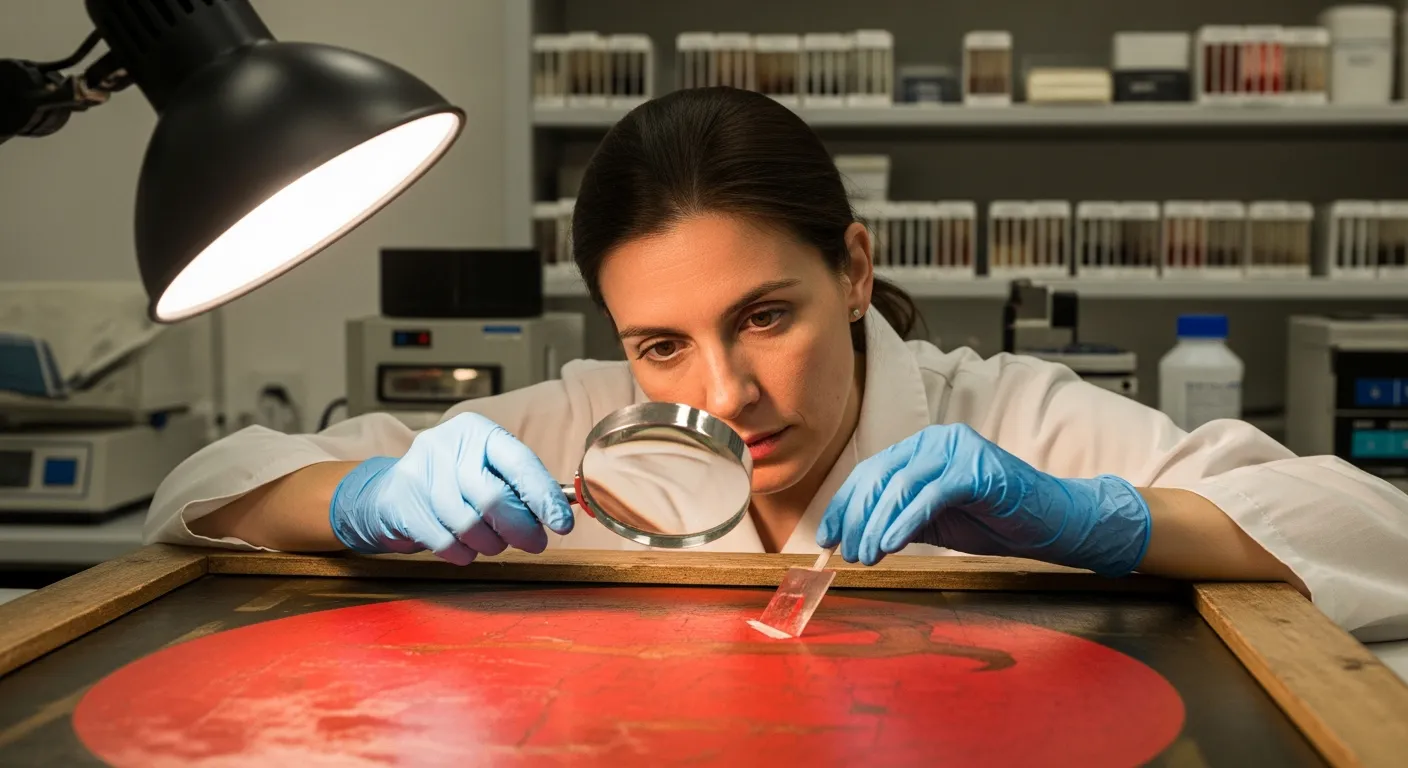
During the Middle Ages and Renaissance, alchemists explored antimony’s potential in various applications, including medicine and the creation of new materials. While their understanding of chemistry was limited, their experiments contributed to the eventual use of antimony in pigments.
The development of Naples yellow was a significant milestone in the history of antimony pigments. Its vibrant yellow color filled a gap in the artist’s palette, offering a hue that was difficult to achieve with other available materials.
The popularity of Naples yellow extended beyond painting, finding use in ceramics and the decoration of porcelain. Its versatility and vibrant color made it a valuable addition to the decorative arts.
Even with the rise of synthetic pigments in the 19th and 20th centuries, antimony pigments continued to be used in some applications. Their unique properties and historical significance ensured their continued presence, albeit in a more limited capacity.
Understanding the Toxicity of Antimony Compounds
Antimony, like other heavy metals, poses a significant threat to human health due to its toxic properties. The toxicity of antimony compounds varies depending on their chemical form, solubility, and route of exposure.
Antimony trioxide, for example, is classified as a possible human carcinogen by the International Agency for Research on Cancer (IARC). Chronic exposure to antimony can lead to a range of health problems, affecting the respiratory system, cardiovascular system, liver, and skin.
The mechanism of antimony toxicity involves the disruption of various cellular processes. Antimony can interfere with enzyme function, protein synthesis, and DNA repair, leading to cellular damage and dysfunction.
Furthermore, antimony can induce oxidative stress, causing an imbalance between the production of reactive oxygen species and the body’s ability to neutralize them. This oxidative stress can further contribute to cellular damage and inflammation.
The chemical structure of antimony allows it to mimic essential metals in biological systems, disrupting normal cellular functions. This interference can lead to a cascade of adverse effects, impacting various organs and systems.
Soluble antimony compounds are generally more toxic than insoluble ones, as they are more readily absorbed into the bloodstream. This difference in solubility is a crucial factor in assessing the potential health risks associated with different antimony pigments.
The respiratory system is particularly vulnerable to antimony exposure, as inhaled particles can directly damage lung tissue. Chronic inhalation can lead to inflammation, fibrosis, and an increased risk of lung cancer.
Antimony can also affect the cardiovascular system, leading to changes in heart rhythm and blood pressure. These effects can be particularly dangerous for individuals with pre-existing heart conditions.
The liver is another target organ for antimony toxicity, as it plays a crucial role in detoxifying the body. Chronic exposure can lead to liver damage and impaired liver function.
Even skin contact with antimony compounds can cause irritation, dermatitis, and allergic reactions. Prolonged or repeated exposure can lead to more severe skin problems.
Routes of Exposure to Antimony Pigments
Exposure to antimony pigments can occur through several routes, each presenting its own level of risk. Inhalation, ingestion, and skin contact are the primary ways antimony can enter the body.
Inhalation is a significant concern, especially during activities that generate dust, such as grinding pigments or cleaning contaminated surfaces. Ingestion can occur through accidental swallowing of pigment particles or contaminated food and water.
| Route of Exposure | Description | Associated Risks |
|---|---|---|
| Inhalation | Breathing in airborne particles of antimony pigments. | Respiratory irritation, lung damage, increased risk of lung cancer. |
| Ingestion | Swallowing antimony pigments through contaminated food, water, or accidental hand-to-mouth contact. | Gastrointestinal distress, vomiting, diarrhea, liver damage. |
| Skin Contact | Direct contact of antimony pigments with the skin. | Skin irritation, dermatitis, allergic reactions. |
| Eye Contact | Antimony pigment particles coming into contact with the eyes. | Eye irritation, redness, potential for corneal damage. |
Inhalation is often the most significant route of exposure for artists and conservators who work with dry pigments. The fine particles can easily become airborne during mixing, grinding, or cleaning processes.
Ingestion can occur through contaminated hands, food, or work surfaces. It’s crucial to avoid eating, drinking, or smoking in areas where antimony pigments are used.
Skin contact can lead to localized irritation and dermatitis. Prolonged or repeated exposure can exacerbate these effects.
Eye contact, while less common, can cause significant irritation and potential damage to the cornea. Prompt and thorough rinsing is essential in such cases.
The risk of exposure is heightened when working with aged or deteriorated materials, as these may release more particles into the air. Extra care should be taken when handling such items.
Symptoms of Antimony Poisoning
The symptoms of antimony poisoning can vary depending on the route and duration of exposure, as well as the individual’s sensitivity. Acute poisoning, resulting from a single high-dose exposure, can manifest rapidly with severe symptoms.
Chronic poisoning, on the other hand, develops gradually over time due to repeated exposure to lower doses. Recognizing these symptoms is crucial for early diagnosis and intervention.
Acute symptoms may include severe gastrointestinal distress, such as nausea, vomiting, abdominal pain, and diarrhea. Respiratory symptoms like coughing, shortness of breath, and wheezing can also occur.
In severe cases, acute antimony poisoning can lead to cardiovascular problems, such as irregular heartbeat and even heart failure. Chronic exposure often presents with a different set of symptoms, which can be more subtle and difficult to attribute to antimony exposure.
These may include respiratory irritation, chronic cough, and inflammation of the mucous membranes. Skin problems, such as dermatitis and eczema, are also common, as is fatigue and general malaise.
Other symptoms of chronic antimony exposure can include headaches, dizziness, and muscle weakness. Some individuals may also experience changes in their sense of taste or smell.
Respiratory symptoms can range from mild irritation to more severe conditions like bronchitis and pneumonia. Long-term exposure can also increase the risk of developing chronic obstructive pulmonary disease (COPD).
Skin problems can manifest as rashes, itching, and blistering. In some cases, antimony exposure can lead to allergic contact dermatitis.
Neurological symptoms, such as headaches and dizziness, can be debilitating and affect daily activities. In severe cases, antimony poisoning can lead to nerve damage and impaired cognitive function.
It’s important to note that the symptoms of antimony poisoning can mimic those of other illnesses, making diagnosis challenging. A thorough medical history and exposure assessment are crucial for accurate diagnosis.
Safe Handling Procedures for Antimony Pigments
Given the inherent toxicity of antimony pigments, implementing strict safety protocols is paramount when handling them. These procedures should aim to minimize exposure through all potential routes.
Proper ventilation, personal protective equipment (PPE), and meticulous hygiene practices are essential components of a comprehensive safety plan. Ignoring these measures can have severe consequences for long-term health.
- Always work in a well-ventilated area
- Wear appropriate personal protective equipment (PPE)
- Use respirators with appropriate filters
- Avoid generating dust
- Practice good personal hygiene
- Properly dispose of waste materials
A written safety plan should be developed and implemented, outlining specific procedures for handling antimony pigments. This plan should be readily accessible to all individuals who work with these materials.
Regular training should be provided to ensure that all personnel are familiar with the safety protocols and understand the risks associated with antimony exposure. This training should cover the proper use of PPE, safe handling techniques, and emergency procedures.
Work areas should be designated specifically for handling antimony pigments and should be clearly marked with warning signs. These areas should be kept clean and free of clutter to minimize the risk of accidental exposure.
Engineering controls, such as local exhaust ventilation, should be used to capture dust and fumes at the source. These controls can significantly reduce airborne concentrations of antimony particles.
Spills and leaks should be cleaned up immediately using appropriate methods. Wet wiping or vacuuming with a HEPA filter is recommended to avoid generating dust.
Personal Protective Equipment (PPE)
Selecting and correctly using appropriate PPE is a cornerstone of safe handling practices. The specific type of PPE required will depend on the task being performed and the potential level of exposure.
At a minimum, PPE should include gloves, a respirator, eye protection, and protective clothing. Nitrile gloves are recommended for handling antimony pigments, as they provide a good barrier against chemical exposure.
Respirators are crucial for preventing inhalation of antimony particles. A properly fitted N95 or P100 respirator can effectively filter out airborne particles, reducing the risk of respiratory exposure.
Eye protection, such as safety glasses or goggles, is essential to prevent antimony pigments from coming into contact with the eyes. Protective clothing, such as lab coats or disposable coveralls, should be worn to prevent skin contamination.
Gloves should be inspected for tears or punctures before each use. They should be changed regularly, especially if they become contaminated.
Respirators should be properly fitted and maintained according to the manufacturer’s instructions. Fit testing should be conducted regularly to ensure a proper seal.
Eye protection should be comfortable and provide adequate coverage. Goggles are recommended when there is a risk of splashes or dust exposure.
Protective clothing should be laundered separately from personal clothing. Disposable coveralls should be disposed of properly after each use.
It’s important to remember that PPE is only effective if it is used correctly and consistently. Proper training on the use and maintenance of PPE is essential.
Monitoring for Antimony Exposure
Regular monitoring of individuals working with antimony pigments is essential for detecting early signs of exposure and preventing long-term health effects. Biological monitoring, which involves measuring antimony levels in blood or urine, can provide valuable information about an individual’s exposure.
Environmental monitoring, which involves measuring antimony concentrations in the air and on surfaces, can help assess the effectiveness of control measures. The frequency of monitoring should be determined based on the potential level of exposure and individual risk factors.
Biological monitoring can help identify individuals who are absorbing excessive amounts of antimony, even before symptoms develop. Environmental monitoring can help identify areas where control measures need to be improved.
Additionally, regular health check-ups, including respiratory function tests and skin examinations, can help detect early signs of antimony-related health problems. Early detection and intervention can significantly improve outcomes and prevent the progression of chronic diseases.
Air monitoring should be conducted regularly in work areas to assess airborne concentrations of antimony. This monitoring can help identify potential sources of exposure and evaluate the effectiveness of ventilation systems.
Surface wipe samples can be collected to assess the level of antimony contamination on work surfaces. This information can be used to guide cleaning and decontamination efforts.
Biological monitoring should be performed periodically to assess the internal dose of antimony in workers. This monitoring can help identify individuals who are at risk of developing health problems.
Health check-ups should include a review of respiratory symptoms, skin conditions, and neurological function. These check-ups can help detect early signs of antimony-related health problems.
The results of monitoring should be carefully reviewed and used to improve safety practices and control measures. This continuous improvement process is essential for protecting the health of workers.
First Aid and Emergency Procedures
In the event of accidental exposure to antimony pigments, prompt first aid and emergency procedures are crucial. The specific actions required will depend on the route of exposure and the severity of the situation.
For inhalation exposure, immediately move the affected person to fresh air and monitor for respiratory distress. If skin contact occurs, wash the affected area thoroughly with soap and water.
In case of eye contact, flush the eyes with copious amounts of water for at least 15 minutes. If ingestion is suspected, seek immediate medical attention and do not induce vomiting unless directed by a medical professional.
It is essential to have readily available information on antimony pigment toxicity and appropriate first aid procedures. A designated emergency contact person should be identified and trained to respond to potential exposure incidents.
A readily accessible first aid kit should be available in all work areas where antimony pigments are used. This kit should include supplies for treating skin and eye irritation.
Emergency contact information, including the phone numbers of local emergency services and poison control centers, should be prominently displayed. This information can be crucial in the event of a serious exposure.
All incidents of antimony exposure, no matter how minor, should be reported and documented. This documentation can help identify potential hazards and improve safety practices.
Workers who have been exposed to antimony pigments should be monitored for any signs or symptoms of poisoning. Prompt medical attention should be sought if any symptoms develop.
Regular drills and training exercises should be conducted to ensure that workers are prepared to respond to emergency situations. These drills can help improve response times and minimize the impact of exposure incidents.
Legal and Regulatory Considerations
The use and handling of antimony pigments are subject to various legal and regulatory requirements. These regulations aim to protect workers and the environment from the hazards associated with antimony exposure.
In many countries, there are specific occupational exposure limits (OELs) for antimony and its compounds. These limits specify the maximum allowable concentration of antimony in the air to which workers can be exposed over a specified period.
Compliance with these regulations is essential to ensure a safe working environment and prevent legal liabilities. Employers are responsible for providing training, monitoring, and control measures to protect their employees from antimony exposure.
Furthermore, the disposal of antimony-containing waste is often subject to specific regulations to prevent environmental contamination. Proper disposal methods, such as hazardous waste disposal, must be followed to minimize the risk of environmental pollution.
Employers should be aware of and comply with all applicable regulations regarding the use and handling of antimony pigments. This includes regulations related to worker safety, environmental protection, and waste disposal.
Safety data sheets (SDS) for antimony pigments should be readily available to all workers. These sheets provide detailed information about the hazards associated with antimony and the appropriate safety precautions.
Workers have the right to know about the hazards associated with the materials they work with and to receive adequate training and protection. Employers have a responsibility to provide this information and protection.
Regular inspections should be conducted to ensure that workplaces are in compliance with all applicable regulations. These inspections can help identify potential hazards and prevent accidents.
Failure to comply with regulations can result in fines, penalties, and legal action. It is essential to prioritize safety and compliance to protect workers and the environment.
Alternatives to Antimony Pigments
Given the toxicity of antimony pigments, exploring safer alternatives is a prudent approach for artists and conservators. Modern pigment technology offers a wide range of non-toxic pigments that can replicate the colors and properties of traditional antimony pigments.
For example, titanium dioxide can be used as a safer alternative to antimony white, providing similar opacity and tinting strength without the health risks. Various organic and inorganic yellow pigments can be used as substitutes for Naples yellow, offering a range of hues and properties.
When selecting alternative pigments, it is important to consider their lightfastness, chemical stability, and compatibility with different media. Thorough testing and evaluation are essential to ensure that the alternative pigments meet the required performance standards.
By embracing safer alternatives, artists and conservators can protect their health and the environment without compromising the quality and beauty of their work. The transition to non-toxic pigments is a step towards a more sustainable and responsible art practice.
Many modern pigments offer excellent lightfastness and color stability, making them suitable for a wide range of applications. These pigments are also less likely to react with other materials, ensuring the longevity of artworks.
Organic pigments, such as azo pigments and phthalocyanine pigments, can provide vibrant and intense colors. These pigments are generally considered to be less toxic than heavy metal pigments.
Inorganic pigments, such as iron oxides and ultramarine, are also relatively safe and offer good lightfastness. These pigments have been used for centuries and have a proven track record of performance.
When switching to alternative pigments, it’s important to test their compatibility with different binding media and varnishes. This testing can help ensure that the pigments will perform as expected in the final artwork.
The use of safer alternatives is not only beneficial for the health of artists and conservators but also for the environment. By reducing the use of toxic pigments, we can minimize the risk of environmental contamination.
Case Studies of Antimony Poisoning in Art Conservation
Unfortunately, there have been documented cases of antimony poisoning among art conservators and artists who worked with these pigments without adequate protection. These cases serve as stark reminders of the potential health consequences of neglecting safety precautions.
One such case involved a conservator who developed chronic respiratory problems and skin lesions after years of working with historical paintings containing antimony pigments. Despite initially attributing the symptoms to other factors, subsequent testing revealed elevated levels of antimony in the conservator’s blood.
Another case involved a group of artists who used Naples yellow pigment extensively in their work. Several of the artists developed symptoms of antimony poisoning, including gastrointestinal distress, fatigue, and skin problems.
These case studies highlight the importance of raising awareness about the risks associated with antimony pigments and promoting safe handling practices. By learning from these experiences, we can prevent future cases of antimony poisoning and protect the health of those who work with historical art materials.
In one instance, a museum conservator experienced recurring bouts of nausea and vomiting after working on a series of 18th-century portraits. The paintings were later found to contain high concentrations of Naples yellow.
An art student developed a persistent cough and skin rash after experimenting with historical pigment recipes. The student had been using antimony white without proper ventilation or protective equipment.
A ceramic restorer suffered liver damage after years of handling antique pottery decorated with antimony-based glazes. The restorer had not been aware of the potential hazards and had not taken any safety precautions.
These cases underscore the need for comprehensive training and education on the hazards of historical pigments. Artists and conservators must be aware of the risks and know how to protect themselves.
Sharing these case studies can help raise awareness and promote a culture of safety in the art world. By learning from the mistakes of the past, we can prevent future incidents of antimony poisoning.
Conclusion
Antimony pigments, while historically significant, present a clear and present danger to those who handle them without proper precautions. Understanding the toxicity of these compounds, the routes of exposure, and the symptoms of poisoning is crucial for preventing adverse health effects.
By implementing strict safety protocols, including proper ventilation, PPE, and regular monitoring, we can minimize the risk of antimony exposure. Embracing safer alternatives and promoting awareness are also essential steps towards a more sustainable and responsible approach to art conservation and artistic practice.
The preservation of our artistic heritage should not come at the cost of personal health. By prioritizing safety and adopting best practices, we can ensure that future generations can appreciate the beauty of historical artworks without compromising their well-being.
The legacy of art should be one of beauty and inspiration, not one of illness and suffering. By embracing responsible practices, we can ensure that art remains a source of joy and enrichment for all.
Let us strive to create a safer and healthier environment for artists, conservators, and all those who work with historical art materials. Together, we can protect our artistic heritage and the health of those who preserve it.


