


Cinnabar, a naturally occurring form of mercury sulfide, has been prized for its vibrant red color since antiquity. This pigment, also known as vermilion when synthetically produced, has adorned everything from ancient murals to Renaissance masterpieces. However, the beauty of cinnabar masks a significant danger, one that those who handle it must understand and respect.
The mercury content in cinnabar makes it a hazardous substance that can lead to severe health problems if not handled with care. This article will address the mercury sulfide pigment dangers, provide guidance on safe work practices, and outline procedures for managing mercury spills, so read on.
Protecting yourself and others from mercury poisoning is paramount when working with historical pigments. Understanding the risks associated with cinnabar and vermilion is the first step in ensuring a safe and responsible approach to their use and conservation.
Cinnabar and Vermilion: A Historical Overview
Cinnabar’s use as a pigment dates back millennia, with evidence found in Paleolithic cave paintings. Ancient civilizations, including the Romans and Chinese, valued it highly for its brilliant red hue, which symbolized life and power.
The term “vermilion” is often used interchangeably with cinnabar, although it typically refers to the synthetic form of mercury sulfide. The process for creating vermilion was developed in China, and it quickly became a highly sought-after pigment worldwide, so you can see why it’s been used for so long.
During the Renaissance, vermilion was a staple in the palettes of many European painters, adding richness and depth to their works. Its use extended beyond fine art, finding its way into decorative arts, manuscripts, and even cosmetics.
Despite its widespread popularity, the toxic properties of mercury were recognized relatively early on. Ancient writers documented the dangers associated with mercury mining and processing, but the allure of the pigment often outweighed these concerns, which is unfortunate.
The earliest known uses of cinnabar are found in Spain, dating back to the Neolithic period. It was used to decorate bodies and objects, signifying its importance in ritualistic practices. The vibrant red color was often associated with blood and life force.
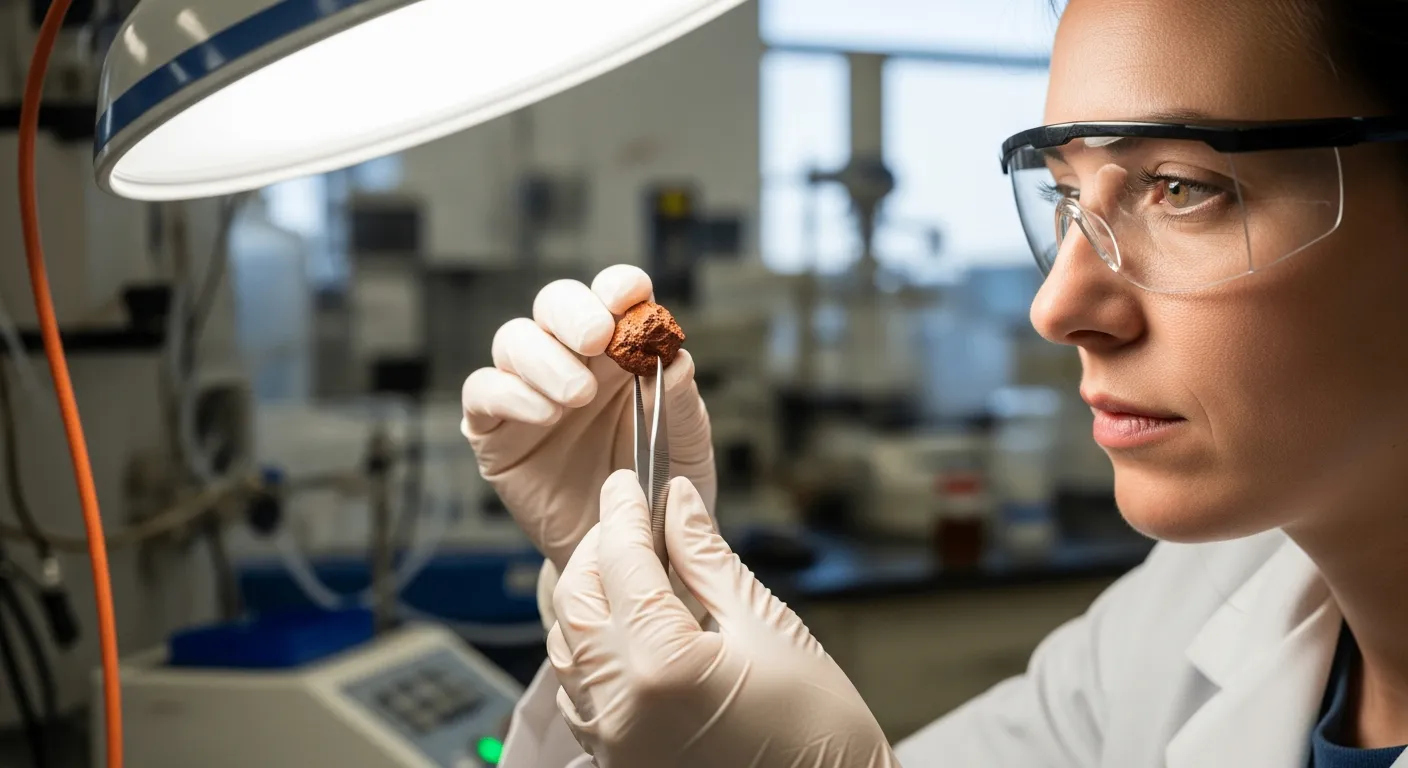
In ancient China, cinnabar was not only used as a pigment but also in traditional medicine and alchemy. It was believed to have properties that could prolong life and promote immortality, highlighting its cultural significance.
The Romans sourced much of their cinnabar from the Almadén mines in Spain, which are still one of the largest mercury deposits in the world. This pigment was highly prized and used extensively in wall paintings and other decorative applications, which you can still see today.
The use of vermilion in Renaissance paintings is particularly notable in the works of artists like Titian and Raphael. The pigment’s intense red color added a sense of drama and vibrancy to their masterpieces, making them stand out.
Even in modern times, cinnabar and vermilion have found limited use, although their toxicity has largely curtailed their application. They are sometimes used in specific industrial processes and in certain traditional practices, but with much greater caution.
The Toxic Properties of Mercury Sulfide
Mercury sulfide, whether in its natural cinnabar form or synthetic vermilion, poses a significant health risk due to its mercury content. Mercury is a neurotoxin that can affect the brain, kidneys, and lungs.
The toxicity of mercury sulfide depends on several factors, including its chemical form, the route of exposure, and the duration of exposure. Inhalation of mercury vapor is one of the most dangerous routes, as the lungs readily absorb the vapor into the bloodstream.
While mercury sulfide is relatively insoluble in water, certain conditions can increase its bioavailability and toxicity. For example, microbial activity can convert mercury sulfide into more toxic forms, such as methylmercury, a potent neurotoxin that can accumulate in the food chain.
Exposure to mercury sulfide can occur through various pathways, including inhalation of dust or vapor, ingestion, and skin contact. Those working with or around cinnabar and vermilion are at particular risk, but there are ways to mitigate that risk.
Mercury’s neurotoxic effects are particularly concerning, as it can disrupt the normal functioning of the nervous system. This disruption can lead to a variety of neurological symptoms, including tremors, memory loss, and cognitive impairment, so it’s not something to ignore.
The kidneys are also highly susceptible to mercury toxicity. Mercury can damage the kidney’s filtering mechanisms, leading to kidney dysfunction and, in severe cases, kidney failure.
The lungs can be affected by mercury exposure, particularly through the inhalation of mercury vapor. This can cause respiratory distress, inflammation, and even long-term lung damage, which can severely impact quality of life.
It’s important to note that the toxicity of mercury sulfide can vary depending on its particle size. Finer particles are more easily inhaled and absorbed into the body, increasing the risk of adverse health effects, so be careful with fine dust.
The process of creating vermilion, which involves heating mercury and sulfur, can release significant amounts of mercury vapor. This poses a significant risk to those involved in the production process if proper ventilation and safety measures are not in place, so be aware of this.
Factors Influencing Mercury Toxicity
Several factors determine the extent of mercury toxicity, including the form of mercury, the dose, and the individual’s susceptibility. Different forms of mercury, such as elemental mercury, inorganic mercury compounds, and organic mercury compounds, exhibit varying degrees of toxicity.
Elemental mercury, found in thermometers and some electrical switches, can vaporize at room temperature, posing an inhalation hazard. Inorganic mercury compounds, such as mercury sulfide, are generally less toxic than organic mercury compounds, but can still cause adverse health effects upon exposure.
| Factor | Description | Example |
|---|---|---|
| Mercury Form | Different chemical forms vary in toxicity. | Methylmercury is more toxic than elemental mercury. |
| Dose | The amount of mercury exposure influences severity. | High doses can cause acute poisoning; low doses, chronic effects. |
| Exposure Route | How mercury enters the body affects absorption. | Inhalation is more dangerous than skin contact. |
| Individual Susceptibility | Age, genetics, and health status play a role. | Children and pregnant women are more vulnerable. |
The dose of mercury exposure is another critical factor, with higher doses generally leading to more severe effects. Chronic exposure to low doses of mercury can also result in health problems over time, making any exposure a potential risk.
The route of exposure significantly impacts the severity of mercury toxicity. Inhalation is often the most dangerous route, as mercury vapor is readily absorbed into the bloodstream through the lungs.
Ingestion of mercury can also lead to toxicity, although the absorption rate may be lower compared to inhalation. Skin contact with mercury can cause localized irritation and, over time, systemic absorption, which is not ideal.
Individual susceptibility plays a crucial role in determining the extent of mercury toxicity. Factors such as age, genetics, pre-existing health conditions, and nutritional status can all influence how the body responds to mercury exposure.
Children and pregnant women are particularly vulnerable to the effects of mercury. Mercury can cross the placenta and affect fetal development, leading to neurological and developmental problems in the child, so extra care is needed.
Genetic factors can also influence an individual’s susceptibility to mercury toxicity. Some people may have genetic variations that make them more or less efficient at detoxifying mercury from the body, which is an important consideration.
How Mercury Vapor Affects the Body
Inhalation of mercury vapor is a primary concern when working with mercury sulfide pigments. When inhaled, mercury vapor readily crosses the alveolar membrane in the lungs and enters the bloodstream.
Once in the bloodstream, mercury can distribute throughout the body, accumulating in various organs, including the brain, kidneys, and liver. The brain is particularly vulnerable to mercury’s neurotoxic effects, as mercury can disrupt neuronal function and damage brain cells, so protect yourself.
Mercury can also interfere with the function of the kidneys, leading to kidney damage and impaired waste removal. In the liver, mercury can cause inflammation and cellular damage, potentially leading to liver dysfunction.
The effects of mercury vapor exposure can vary depending on the concentration and duration of exposure. Acute exposure to high concentrations of mercury vapor can cause severe respiratory distress, chest pain, and even death, so it’s best to avoid that exposure in the first place.
Mercury vapor can disrupt the blood-brain barrier, allowing mercury to more easily enter the brain. This disruption can exacerbate the neurotoxic effects of mercury, leading to more severe neurological symptoms.
In the kidneys, mercury can accumulate in the proximal tubules, which are responsible for reabsorbing essential nutrients and electrolytes. This accumulation can impair kidney function and lead to proteinuria, which is the presence of protein in the urine.
In the liver, mercury can cause oxidative stress and inflammation, leading to liver cell damage. Chronic exposure to mercury vapor can eventually lead to liver fibrosis and cirrhosis, which are serious conditions.
Mercury can also affect the cardiovascular system. Studies have shown that mercury exposure can increase the risk of high blood pressure, heart disease, and stroke, so you need to be aware of these risks.
The effects of mercury vapor exposure can be long-lasting, even after exposure has ceased. Mercury can remain in the body for extended periods, continuing to exert its toxic effects over time, which is why monitoring is so important.
Recognizing the Symptoms of Mercury Poisoning
Recognizing the symptoms of mercury poisoning is crucial for early detection and intervention. Symptoms can vary depending on the type of mercury exposure, the dose, and the individual’s susceptibility.
Acute mercury poisoning, often resulting from high-level exposure, can cause a range of symptoms, including metallic taste, nausea, vomiting, abdominal pain, and diarrhea. Neurological symptoms, such as tremors, muscle weakness, and difficulty walking, may also occur, which is troubling.
Chronic mercury poisoning, resulting from long-term exposure to lower levels of mercury, can present with more subtle symptoms. These may include fatigue, irritability, memory loss, difficulty concentrating, and sleep disturbances, so it’s not always easy to identify.
Other symptoms of chronic mercury poisoning can include tremors, numbness or tingling in the extremities, and kidney dysfunction. In severe cases, mercury poisoning can lead to kidney failure, neurological damage, and even death, so you must take it seriously.
A metallic taste in the mouth is often one of the first signs of mercury exposure. This symptom can be accompanied by increased salivation and a burning sensation in the mouth and throat.
Neurological symptoms are common in both acute and chronic mercury poisoning. These symptoms can include tremors, particularly in the hands, as well as muscle weakness, incoordination, and difficulty with balance.
Psychological symptoms can also occur, such as irritability, anxiety, depression, and mood swings. These symptoms can be subtle and may be easily mistaken for other conditions, making diagnosis challenging.
Kidney dysfunction is a serious complication of mercury poisoning. Symptoms of kidney dysfunction can include changes in urine output, swelling in the legs and ankles, and fatigue.
In children, mercury poisoning can cause developmental delays and learning disabilities. It’s important to be vigilant for any signs of mercury exposure in children and seek medical attention promptly if any concerns arise.
Safe Work Practices When Handling Cinnabar
Implementing safe work practices is essential when handling cinnabar and vermilion pigments. These practices aim to minimize exposure to mercury and protect the health of workers and conservators.
Ventilation is key to reducing the concentration of mercury vapor in the air. Work should be performed in well-ventilated areas, or under local exhaust ventilation systems that capture mercury vapor at the source.
- Wear appropriate personal protective equipment (PPE)
- Use respirators with mercury-specific filters
- Wear gloves to prevent skin contact
- Use safety goggles to protect eyes from dust and splashes
- Avoid eating, drinking, or smoking in work areas
Proper hygiene practices can also help minimize exposure. Workers should wash their hands thoroughly with soap and water after handling cinnabar and before eating, drinking, or smoking.
Regular monitoring of mercury levels in the air can help ensure that ventilation systems are working effectively. Air monitoring should be conducted by qualified professionals using appropriate equipment, so be sure to hire professionals.
Work surfaces should be covered with disposable materials that can be easily cleaned or discarded. This helps prevent the accumulation of mercury dust and simplifies cleanup procedures, making the area safer.
Tools and equipment used for handling cinnabar should be dedicated to that purpose and should not be used for other tasks. This prevents cross-contamination and reduces the risk of mercury exposure in other areas.
Proper storage of cinnabar and vermilion pigments is essential to prevent accidental spills and releases. Pigments should be stored in tightly sealed containers in a cool, dry, and well-ventilated area, so make sure you have the right storage containers.
Regular training on safe work practices and the hazards of mercury exposure is crucial for all workers who handle cinnabar. Training should cover topics such as proper PPE use, spill cleanup procedures, and the symptoms of mercury poisoning.
Personal Protective Equipment (PPE) Guidelines
Selecting and using appropriate personal protective equipment (PPE) is crucial for minimizing mercury exposure. The specific PPE required will depend on the nature of the work and the potential for exposure.
Respirators are essential for protecting against inhalation of mercury vapor. Respirators should be selected based on the concentration of mercury vapor in the air and should be properly fitted and maintained, so be sure to select carefully.
Gloves are necessary to prevent skin contact with mercury sulfide. Nitrile gloves are recommended, as they provide good protection against mercury and other chemicals, so don’t use just any gloves.
Eye protection, such as safety goggles or face shields, should be worn to protect the eyes from dust and splashes. Protective clothing, such as lab coats or coveralls, can also help prevent contamination of personal clothing.
Respirators should be NIOSH-approved and specifically designed for mercury vapor. The respirator should fit properly to create a tight seal around the face, preventing mercury vapor from entering the breathing zone.
Gloves should be inspected regularly for tears or punctures. If gloves are damaged, they should be replaced immediately to prevent skin contact with mercury sulfide, so don’t hesitate to replace them.
Eye protection should be impact-resistant and provide full coverage of the eyes. Safety goggles should be worn even when working under ventilation systems, as mercury dust and splashes can still occur.
Protective clothing should be made of materials that are impermeable to mercury. Lab coats and coveralls should be laundered regularly to remove any accumulated mercury dust, so be sure to wash them often.
Proper training on the use and maintenance of PPE is essential. Workers should be trained on how to properly don and doff PPE, how to inspect PPE for damage, and how to clean and store PPE, so don’t skip the training.
Mercury Spill Cleanup Procedures
Even with the best precautions, mercury spills can occur. Having a plan in place for mercury spill cleanup is essential to prevent further contamination and exposure.
The first step is to contain the spill and prevent it from spreading. Isolate the area and prevent others from entering until the spill is cleaned up, which is important.
Use appropriate PPE, including gloves, respirators, and eye protection, before attempting to clean up the spill. Mercury spill kits are available that contain specialized equipment for cleaning up mercury spills, such as mercury-absorbing powder, a vacuum cleaner with a HEPA filter, and disposal bags.
Carefully collect the spilled mercury using the appropriate equipment and dispose of it according to local regulations. After cleaning up the spill, thoroughly ventilate the area to remove any remaining mercury vapor.
Mercury spill kits should be readily available in areas where cinnabar is handled. The spill kit should be regularly inspected to ensure that all components are in good working order and that the kit is fully stocked, so keep an eye on the kits.
When cleaning up a mercury spill, avoid using a regular vacuum cleaner. Regular vacuum cleaners can spread mercury vapor into the air, increasing the risk of inhalation exposure, so only use a HEPA filter vacuum.
Mercury-absorbing powder can be used to solidify small mercury spills, making them easier to collect. The powder should be applied to the spill and allowed to sit for several minutes before being swept up with a brush and dustpan.
Dispose of mercury-contaminated materials according to local regulations. Mercury is a hazardous waste and must be disposed of properly to prevent environmental contamination, so don’t just throw it away.
After cleaning up a mercury spill, thoroughly wash all surfaces that may have been contaminated. Use a detergent solution and rinse with clean water to remove any remaining mercury residue, so make sure you clean thoroughly.
Long-Term Monitoring and Health Surveillance
For individuals who work regularly with cinnabar or vermilion, long-term monitoring and health surveillance are essential. Regular monitoring can help detect early signs of mercury exposure and prevent the development of more serious health problems.
Monitoring may include regular blood and urine tests to measure mercury levels in the body. Periodic medical examinations can also help assess overall health and identify any potential health effects related to mercury exposure, so make sure you get them.
It is important to maintain accurate records of mercury exposure levels and health monitoring results. These records can be valuable for tracking potential health trends and for documenting compliance with safety regulations, so keep them.
If you experience any symptoms of mercury poisoning, seek medical attention promptly. Early diagnosis and treatment can help minimize the long-term health effects of mercury exposure, so don’t delay.
Baseline mercury levels should be established before starting work with cinnabar. This provides a reference point for comparison with future monitoring results, helping to identify any increases in mercury exposure over time.
Blood and urine tests should be conducted at regular intervals, such as annually or bi-annually, depending on the level of exposure. The frequency of monitoring should be determined by a qualified healthcare professional, so consult with them.
Medical examinations should include a thorough neurological assessment to evaluate for any signs of mercury-related neurological damage. The examination should also assess kidney and liver function, as these organs are particularly vulnerable to mercury toxicity.
Health surveillance programs should include education on the hazards of mercury exposure and the importance of safe work practices. Workers should be encouraged to report any symptoms of mercury poisoning to their healthcare provider, so make sure they know what to watch for.
Long-term monitoring and health surveillance should continue even after an individual stops working with cinnabar. Mercury can remain in the body for extended periods, and health effects may not become apparent until years later, so keep monitoring.
Conclusion
Cinnabar and vermilion pigments have a rich history and have been used in art and decoration for centuries. However, the mercury content in these pigments poses a significant health risk.
By understanding the mercury sulfide pigment dangers, implementing safe work practices, and following proper spill cleanup procedures, it is possible to minimize the risk of mercury exposure. Protecting yourself and others from mercury poisoning is paramount when working with these materials.
Through awareness, education, and responsible handling, we can continue to appreciate the beauty of cinnabar and vermilion while safeguarding our health and the environment. Remember that these pigments require respect and careful management to prevent harm.
The legacy of cinnabar and vermilion serves as a reminder of the importance of understanding the potential hazards associated with historical materials. By prioritizing safety and responsible practices, we can ensure the preservation of these materials for future generations without compromising our health.
Continued research and innovation in the field of conservation are essential for developing safer and more effective methods for working with mercury-containing pigments. This includes exploring alternative pigments and techniques that can replicate the unique properties of cinnabar and vermilion without the associated health risks.
Education and outreach are crucial for raising awareness about the dangers of mercury exposure and promoting safe handling practices. This includes providing training and resources to conservators, artists, and other professionals who work with historical materials.
Collaboration between researchers, conservators, and policymakers is essential for developing and implementing effective regulations and guidelines for the safe handling of mercury-containing pigments. This collaborative approach can help ensure that the health and safety of workers and the public are protected.
Ultimately, responsible stewardship of historical materials requires a commitment to both preserving our cultural heritage and protecting our health and environment. By embracing a proactive and informed approach, we can continue to appreciate the beauty and significance of cinnabar and vermilion while minimizing the risks associated with their use.


